Plastic bumpers on modern vehicles are made from tricky materials like TPO or polypropylene that resist adhesives and paints, leading to peeling or failed repairs. Without proper priming, your bumper repair or attachment project will fail quickly, costing time and money. This guide solves that pain point.
You'll learn how to prepare, apply, and cure adhesive primer for a strong bond ready for glue, tape, or paint. Perfect for intermediate DIYers tackling bumper scratches, replacements, or custom mods. The process involves cleaning, abrading, priming, and curing—no fancy equipment needed.
Expect 1-2 hours total (including dry time), with intermediate skills like sanding and masking required. Follow these steps for pro-level results at home.
▸What You'll Need
- •Adhesive primer for plastics (aerosol can, e.g., SEM or 3M)
- •400-600 grit sandpaper or scuff pad
- •Plastic-safe cleaner or isopropyl alcohol (90%+)
- •Microfiber cloths or tack cloth
- •Painter's tape and plastic sheeting for masking
- •Nitrile gloves, safety glasses, and respirator mask
- •Optional: Air compressor or blower for dust removal
Estimated Time: 1-2 hours (30-45 min active + drying)
Difficulty: intermediate
▸Step-by-Step Instructions
Step 1: Set Up a Safe Workspace
Choose a well-ventilated area like a garage with good airflow, away from open flames since primers are flammable. Lay down drop cloths to protect floors and cover nearby parts of the car.
Wear nitrile gloves, safety glasses, and a respirator to avoid fumes and particles. Why it matters: Proper setup prevents health risks and contamination, ensuring primer bonds correctly.
Success looks like: Clean, organized space with vehicle secured (wheels chocked).
💡 Tips:
- •Work in 60-80°F temps for best results.
- •Test ventilation by shaking a can—no fumes lingering.
⚠️ Warnings:
- •Never use in enclosed spaces without exhaust fan.
Step 2: Thoroughly Clean the Bumper Surface
Spray plastic-safe cleaner or isopropyl alcohol generously on the bumper area. Wipe with a microfiber cloth in straight lines, not circles, to remove dirt, wax, grease, and oils.
Change cloths if dirty. Why? Plastics hold mold-release agents from manufacturing that kill adhesion—cleaning exposes the true surface.
Expect: Surface feels tacky dry, no residue or streaks.
💡 Tips:
- •Double-clean road salt-heavy bumpers.
- •Let air dry 5 mins before sanding.
⚠️ Warnings:
- •Avoid household cleaners—they leave films.
Step 3: Lightly Sand for Surface Profile
Use 400-600 grit sandpaper or scuff pad to abrade the surface evenly—light pressure, no deep scratches. Sand in one direction, about 2-3 sq ft at a time.
This creates micro-etches for primer grip without damaging plastic. Blow off dust with compressed air or tack cloth.
Success: Uniform dull matte finish, no shiny spots.
💡 Tips:
- •Sand dry—wet sanding traps moisture.
- •Check with finger: Should feel uniformly rough.
⚠️ Warnings:
- •Too aggressive sanding weakens plastic.
Step 4: Final Wipe-Down and Masking
Wipe again with tack cloth or alcohol-dampened microfiber to remove all sanding dust. Inspect for contaminants.
Mask off adjacent areas (paint, trim) with painter's tape and sheeting to prevent overspray.
Why: Dust ruins bonds; masking keeps it clean. Expect: Pristine, dust-free surface ready for primer.
💡 Tips:
- •Use lint-free cloths only.
- •Mask 1-2 inches beyond work area.
⚠️ Warnings:
- •Don't touch surface with bare hands—oils transfer.
Step 5: Shake and Test the Primer Can
Shake the adhesive primer can vigorously for 1-2 minutes (follow label). Test spray on cardboard 8-10 inches away for even mist.
Adjust if too wet/dry. Primers activate with shaking for uniform application.
Success: Steady, fine aerosol pattern without spitting.
💡 Tips:
- •Warm can in hot water if cold for better flow.
- •Use within date on can.
⚠️ Warnings:
- •Expired primer won't bond.
Step 6: Apply First Coat of Primer
Hold can 6-8 inches from surface, apply thin, even coat with sweeping motions—20-30% overlap. Cover entire area lightly.
Primers chemically etch plastic for adhesion. Avoid puddles.
Expect: Slight milky film, dries to clear in 1-3 min.
💡 Tips:
- •Apply in 70°F+ for fast flash-off.
- •Work quickly—primer good for 30-60 min.
⚠️ Warnings:
- •Heavy coats run or weaken bond.
Step 7: Apply Second Coat if Needed and Cure
Wait 1-3 min flash time, then apply second light coat if surface still shows plastic sheen. No more than two coats.
Allow full cure per label (5-10 min dry, 30-60 min tack-free). Test by touch—no stickiness.
Success: Smooth, clear/hazy film ready for adhesive.
💡 Tips:
- •Use timer for flash times.
- •Humidity slows drying—extend if muggy.
⚠️ Warnings:
- •Apply topcoat/adhesive within window or re-prep.
Step 8: Inspect and Proceed to Next Step
Inspect for holidays (missed spots)—touch up if needed. Once cured, apply your adhesive, tape, or paint.
Why final check: Ensures 100% coverage for max strength.
Success: Bond-ready bumper with no defects.
💡 Tips:
- •Document with photos for records.
⚠️ Warnings:
- •Don't rush—full cure prevents failures.
▸Pro Tips
- •Always abrade after cleaning—'scratch and spray' rule for plastics.
- •Use a flashlight to spot dust or thin areas before priming.
- •Prime in short sessions to avoid can warming up.
- •Store leftover primer upside down to keep nozzle clean.
- •For textured bumpers, focus on peaks/valleys evenly.
- •Test bond strength on scrap plastic first.
- •In cold weather, use a heat lamp for faster cure.
▸Common Mistakes to Avoid
- •Skipping cleaning: Leaves oils, causing peeling—always degrease twice.
- •Heavy primer coats: Leads to cracking—thin is best.
- •Sanding too coarsely: Damages plastic integrity—stick to 400+ grit.
- •Ignoring flash time: Wet primer repels adhesive—wait fully.
- •Poor ventilation: Fumes cause dizziness, uneven spray—ventilate always.
▸Troubleshooting
Problem: Primer not adhering or beading up
Solution: Surface contaminated—re-clean, re-sand, and dry fully. Use fresh primer.
Problem: Runs or drips in primer
Solution: Too close/heavy spray—hold farther, lighter coats. Wipe immediately with alcohol.
Problem: Dust particles in finish
Solution: Poor wipe-down—re-sand lightly and re-prime. Use tack cloth religiously.
Problem: Slow drying
Solution: High humidity/cold—increase airflow, heat gently, or wait longer. Seek pro if persistent.
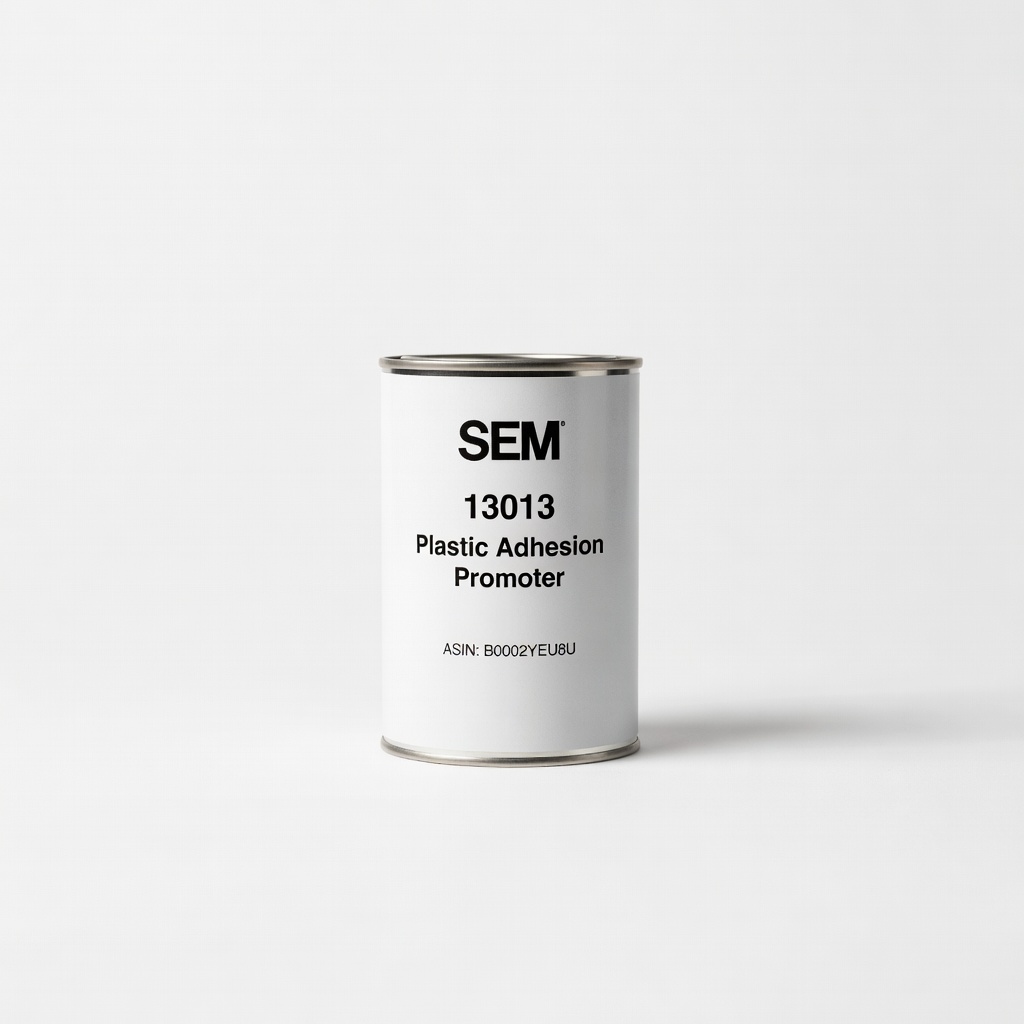
SEM 13013 Plastic Adhesion Promoter (ASIN: B0002YEU8U)
Industry-standard aerosol for automotive plastics like TPO bumpers, chemically bonds for superior adhesion.
Best for: Ideal for bumper repairs before glue or paint—fast-drying, no sanding needed post-application.
Price Range: $24.99
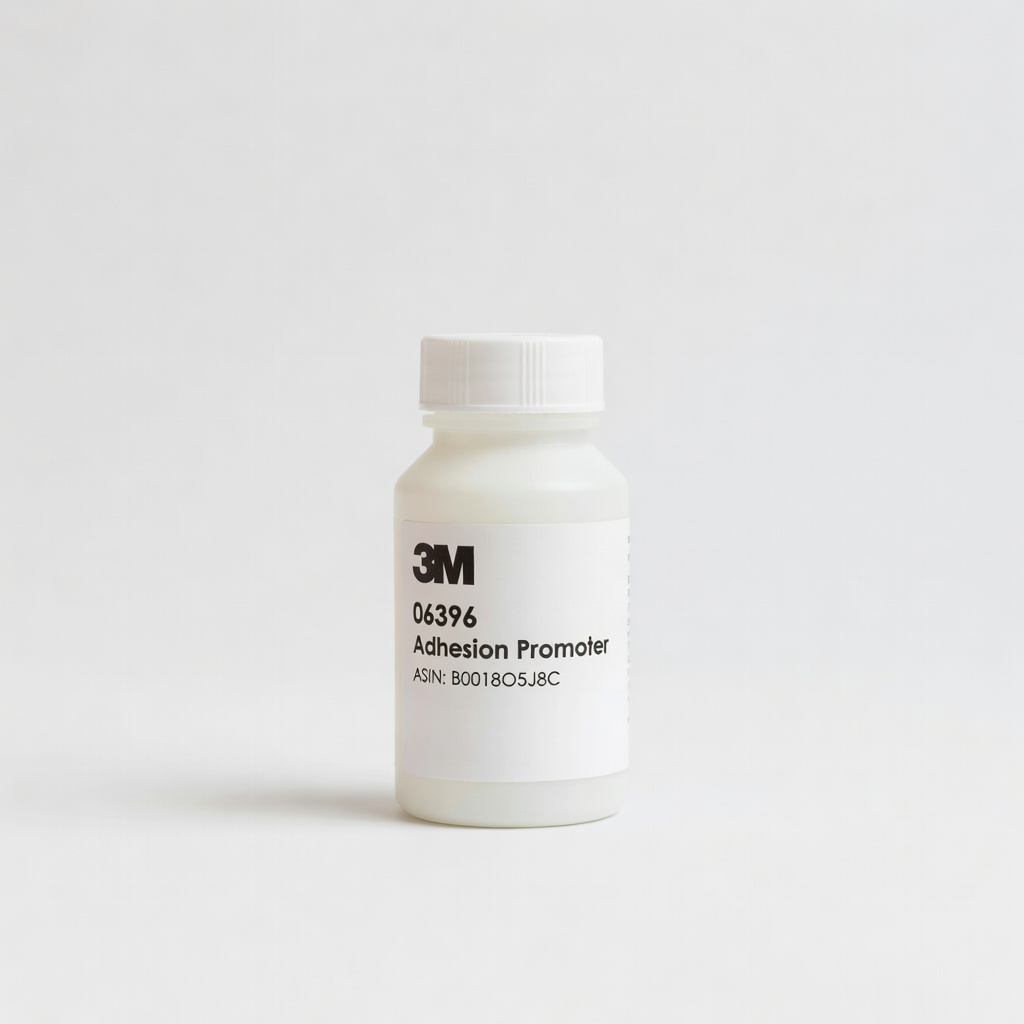
3M 06396 Adhesion Promoter (ASIN: B0018O5J8C)
Promotes strong bonds on plastics/rubbers, wipe-on or spray, trusted by pros for reliability.
Best for: Best for spot repairs on bumpers—versatile for tape, sealants, or patches.
Price Range: $14.99-$19.99
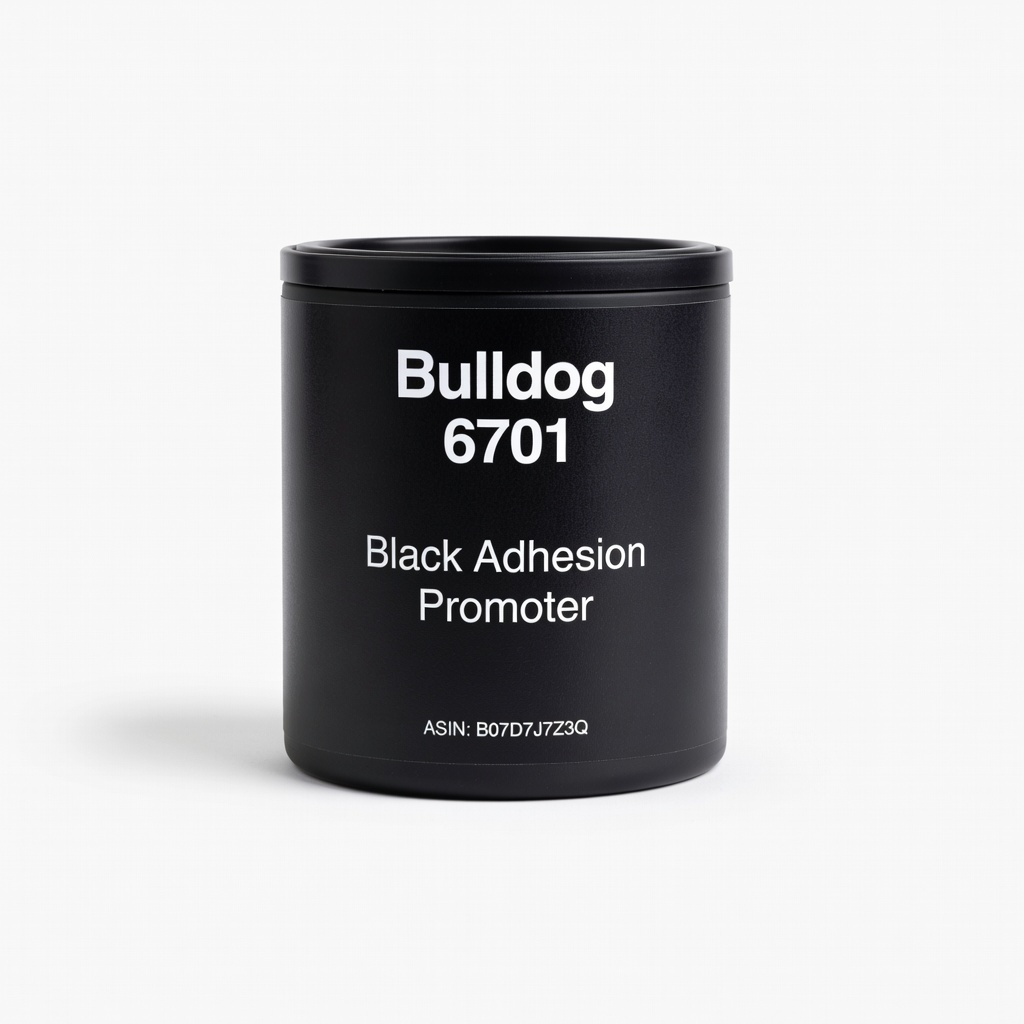
Bulldog 6701 Black Adhesion Promoter (ASIN: B07D7J7Z3Q)
Budget-friendly aerosol that tints black for hidden bumper areas, excellent etch on polyolefins.
Best for: Great for full bumper priming before undercoating or adhesive installs.
Price Range: $11.99
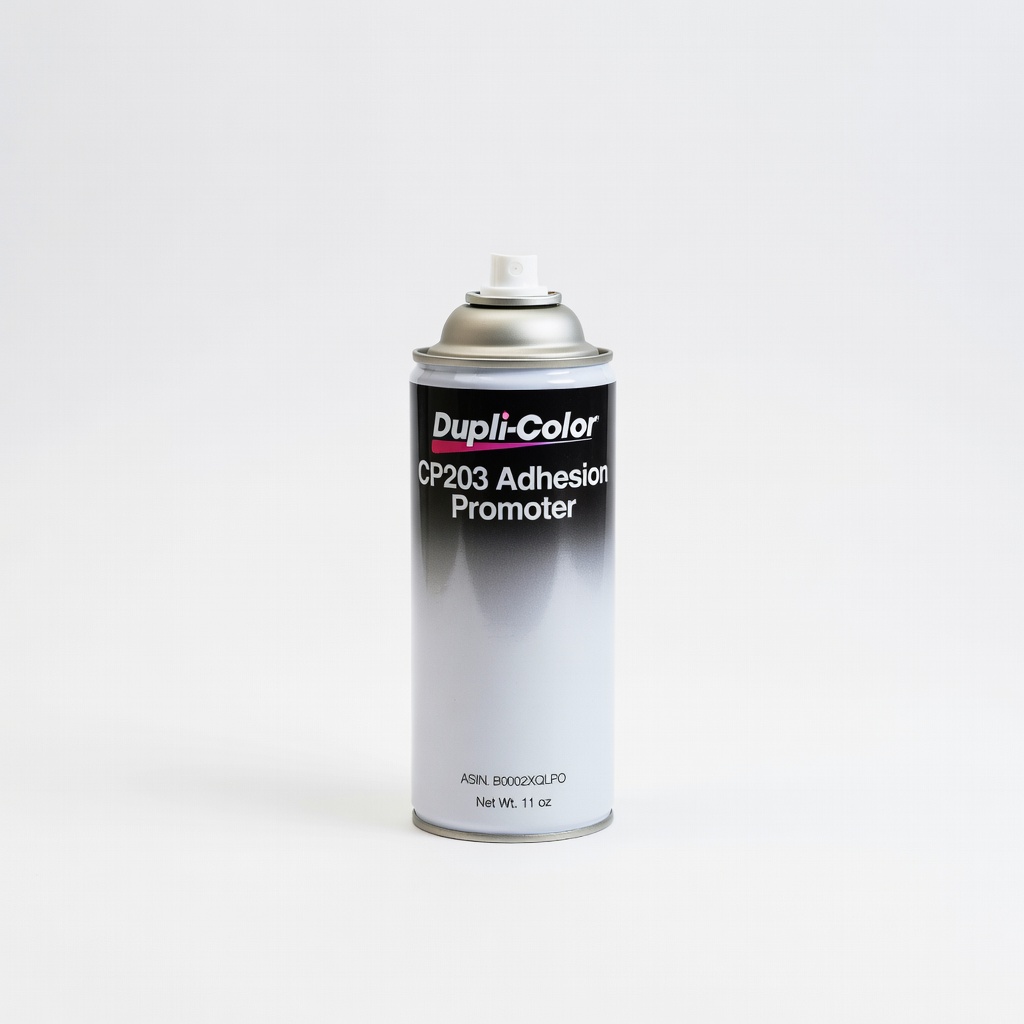
Dupli-Color CP203 Adhesion Promoter (ASIN: B0002XQLPO)
Clear aerosol primer enhances topcoat grip on plastics, easy for DIYers.
Best for: Use before painting repaired bumpers or applying trim adhesives.
Price Range: $9.99-$12.99