
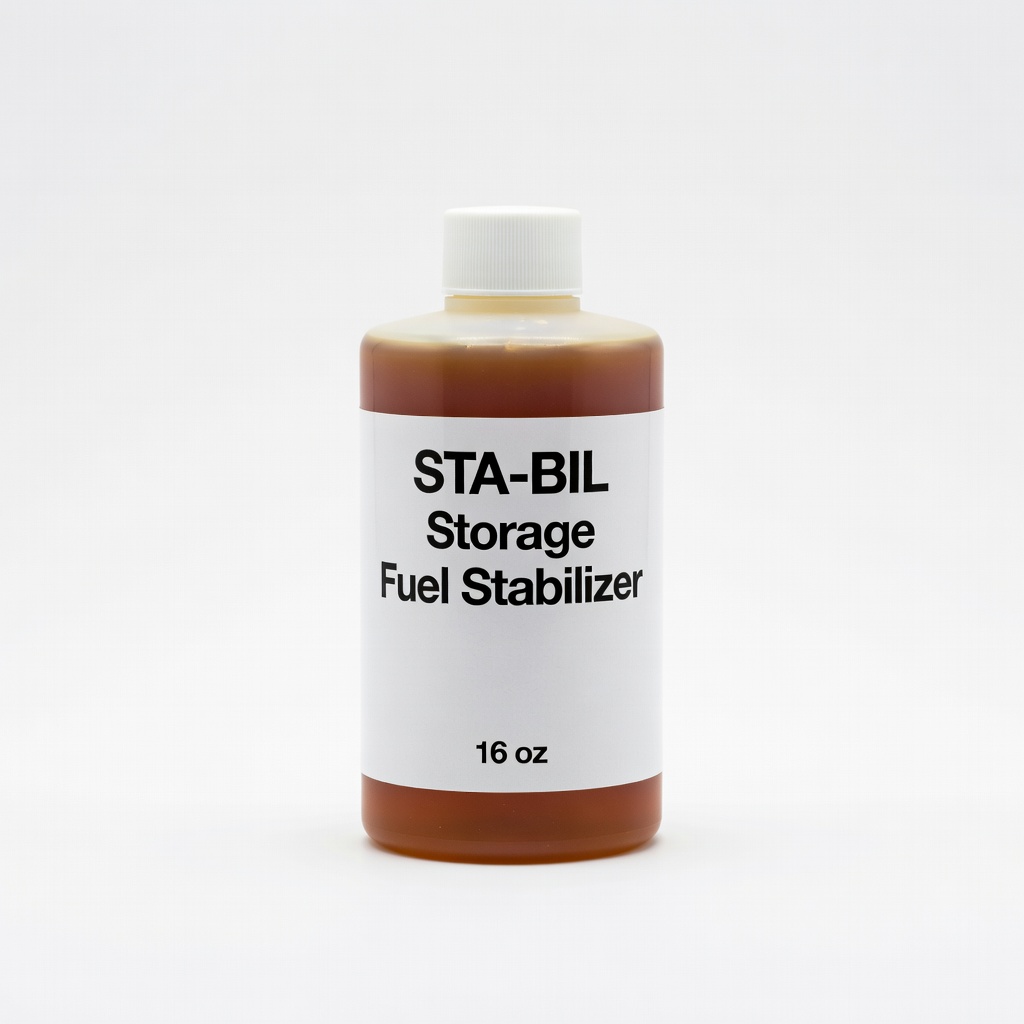
STA-BIL Storage Fuel Stabilizer (16 oz)
Ideal for seasonal storage of 1-6 gal tanks.
$12.99
STA-BIL Storage Fuel Stabilizer (16 oz) Gold standard for generators; prevents gum/varnish up to 24 months, easy dosing.
Get the App
Better experience on mobile
Master fuel stabilization to keep your generator ready for emergencies, preventing clogs and engine failure with simple additive use.
Nothing's worse than a power outage when your standby generator sputters and dies from stale, gummy fuel. Gasoline degrades quickly—especially ethanol blends—forming varnish that clogs carburetors and jets, leading to costly repairs or total failure. Fuel stabilizers combat this by preventing oxidation and water absorption, extending shelf life up to 2 years.
In this guide, you'll learn to select, dose, and apply additives correctly for optimal results. The process is straightforward: assess your fuel, mix precisely, circulate through the engine, and store safely. Expect 20-30 minutes total, suitable for intermediate users with basic mechanical knowledge.
By the end, your generator will start reliably on the first pull, even after months of storage, saving you time and money during critical blackouts.
Estimated Time: 20-30 minutes Difficulty: intermediate
Select a stabilizer designed for small engines like generators. Look for products that handle ethanol-blended fuels (E10/E15) and promise 12-24 months of stability. Read labels for treat rates (e.g., 1 oz per 2.5-5 gallons).
Why it matters: Wrong additives can harm engines or be ineffective. STA-BIL or Star Tron are proven for generators.
Success: You have a bottle matching your fuel volume (e.g., 16 oz treats 40-80 gallons).
💡 Tips:
⚠️ Warnings:
Inspect fuel for staleness: smell for varnish (sweet/acrid), check for separation or cloudiness. If over 30 days old, drain and replace; stabilizers work best on fresh or mildly degraded gas.
Drain via petcock or siphon into approved container. Dispose per local regs.
Expect: Clear, golden fuel or decision to refresh.
💡 Tips:
⚠️ Warnings:
Refer to additive label and generator manual for tank capacity (e.g., 1-6 gallons). Common ratio: 1 oz per 2.5 gallons. Use formula: (Tank size / Treat rate) x oz.
Example: 5-gal tank at 1 oz/2.5 gal = 2 oz.
Success: Exact measurement noted (e.g., 2 oz marked on syringe).
💡 Tips:
Work outdoors or ventilated garage, away from flames/sparks. Ground containers to prevent static. Wear gloves/glasses.
Lay down tarp for spills.
Why: Fuel vapors are flammable/explosive.
⚠️ Warnings:
Pour measured stabilizer into empty fuel can via funnel, then add fresh gas. Shake vigorously 30-60 seconds. Or add directly to generator tank if partially full.
Success: Uniform mixture, no separation.
💡 Tips:
Fill tank to 95% capacity (room for expansion). Prime per manual (choke/pump).
Expect: Tank full, no overflows.
Start generator, run at half-load 5-10 minutes to coat carburetor/jets. Idle 2 minutes, shut off.
Why: Ensures additive reaches all fuel system parts.
Success: Smooth run, no hesitation.
⚠️ Warnings:
Cool engine, store in dry/cool place (<80°F). Label tank with treat date. Re-treat every 3-6 months if not using.
Success: Generator ready for 1-2 years storage.
💡 Tips:
Problem: Generator won't start after storage
Solution: Drain tank, add fresh stabilized fuel, clean carb if needed. Run 10 mins.
Problem: Fuel smells varnishy post-treatment
Solution: Fuel was too degraded; drain fully and start over with fresh gas.
Problem: Additive separates
Solution: Shake well; if persists, use different brand or warmer temps.
Problem: Engine smokes after adding
Solution: Overdose or wrong product; dilute with fresh gas, run to burn off.
Gold standard for generators; prevents gum/varnish up to 24 months, easy dosing.
Best for: Ideal for seasonal storage of 1-6 gal tanks.
Price Range: $12.99
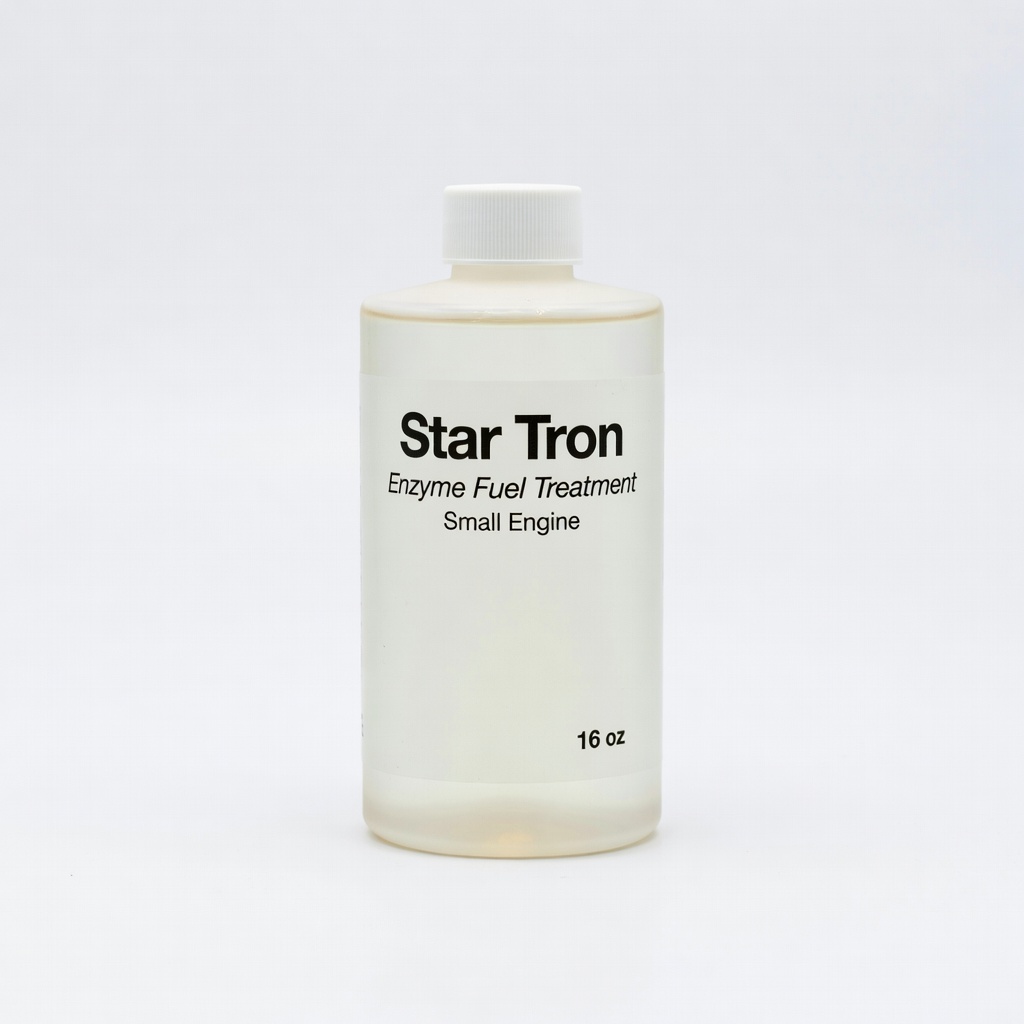
Enzyme-based, cleans while stabilizing; great for ethanol fuels, fixes water issues.
Best for: Ongoing maintenance or mildly stale fuel revival.
Price Range: $11.49
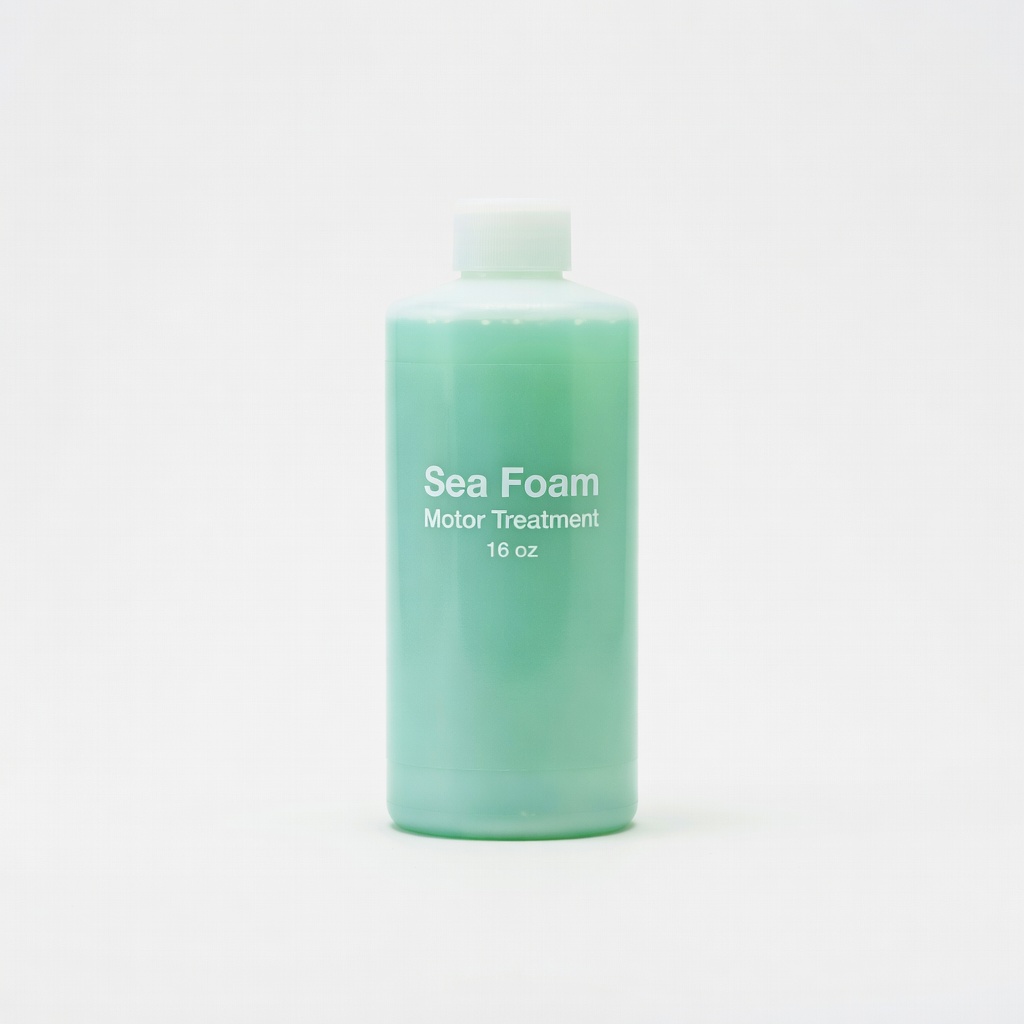
Versatile cleaner/stabilizer combo; lubricates, removes deposits safely.
Best for: Generators with existing buildup or multi-use.
Price Range: $10.99
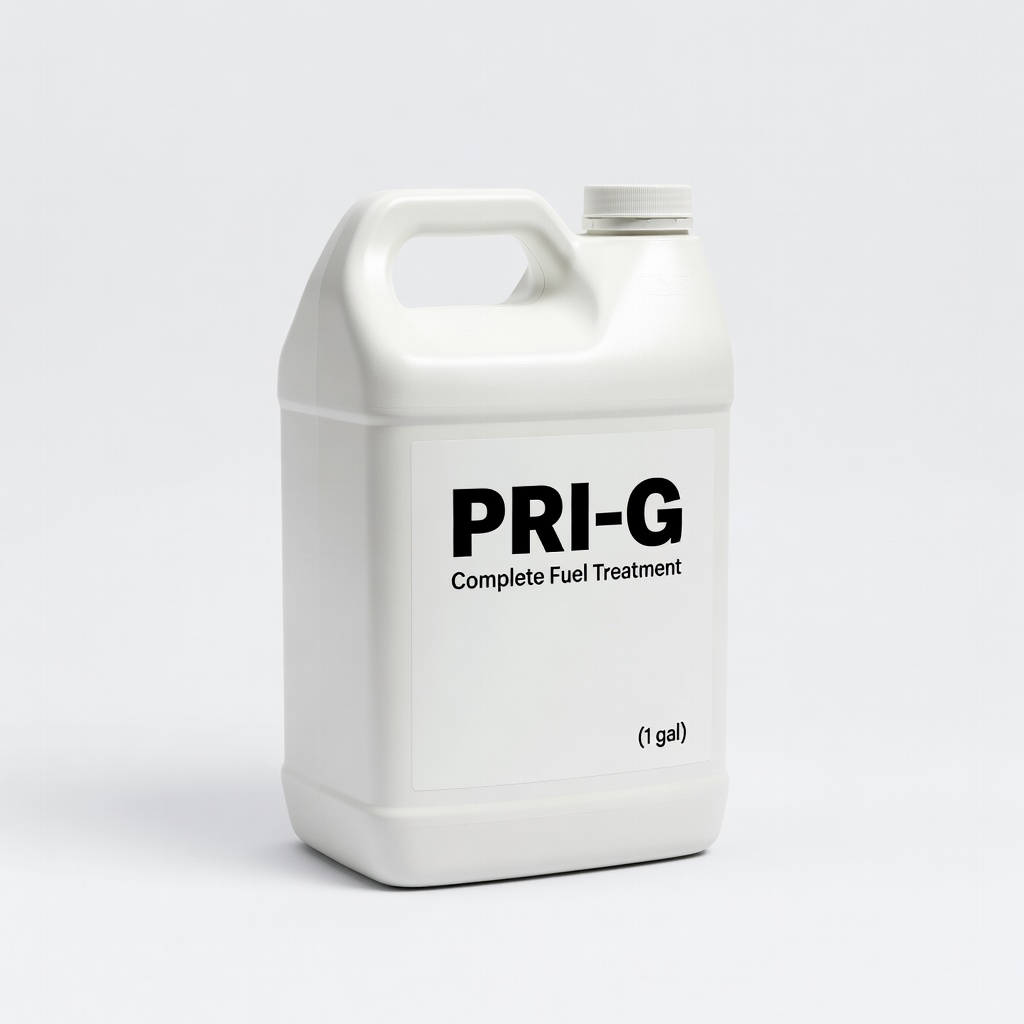
Premium, military-grade; 1-3 year stability even in extreme conditions.
Best for: Large tanks or harsh environments (e.g., off-grid).
Price Range: $79.99
Ideal for seasonal storage of 1-6 gal tanks.
STA-BIL Storage Fuel Stabilizer (16 oz) Gold standard for generators; prevents gum/varnish up to 24 months, easy dosing.
Ongoing maintenance or mildly stale fuel revival.
Star Tron Enzyme Fuel Treatment Small Engine (16 oz) Enzyme-based, cleans while stabilizing; great for ethanol fuels, fixes water issues.
Generators with existing buildup or multi-use.
Sea Foam Motor Treatment (16 oz) Versatile cleaner/stabilizer combo; lubricates, removes deposits safely.
Large tanks or harsh environments (e.g., off-grid).
PRI-G Complete Fuel Treatment (1 gal) Premium, military-grade; 1-3 year stability even in extreme conditions.