Diesel fuel prices are soaring, and if your truck or SUV is guzzling more fuel than necessary, you're not alone. Dirty injectors, poor cetane ratings, and water contamination in fuel are common culprits behind subpar MPG. The good news? Diesel additives can restore efficiency, often delivering noticeable improvements in 1-2 tanks.
In this guide, you'll learn how to choose the right additive, apply it safely, and track results for sustained gains. Expect a quick 20-minute process initially, plus ongoing monitoring—no mechanical skills required beyond basic fueling. By the end, you'll have a simple routine to save money at the pump.
We'll cover everything from compatibility checks to real-world measurement, helping intermediate diesel owners like you optimize without guesswork.
▸What You'll Need
- •Diesel fuel additive (cetane booster, injector cleaner, or multi-purpose)
- •Vehicle owner's manual (for fuel system specs)
- •Measuring cup or syringe (for precise dosing)
- •Clean funnel (optional, to avoid spills)
- •Notebook or app for tracking MPG (e.g., Fuelly or GasBuddy)
- •Fresh diesel fuel (low-sulfur, ultra-low sulfur for modern diesels)
Estimated Time: 20-30 minutes for first application; 5 minutes per subsequent tank
Difficulty: intermediate
▸Step-by-Step Instructions
Step 1: Assess Your Diesel Vehicle's Needs
Start by reviewing your vehicle's fuel system. Check the owner's manual for recommended cetane number (typically 40-55 for modern diesels), engine type (common rail vs. older), and any warnings against additives. Calculate your current MPG using odometer and fuel receipts from the last 3 tanks.
Why it matters: Not all additives suit every engine—e.g., high-lubricity formulas prevent wear in low-sulfur fuel, while cetane boosters ignite fuel faster for better economy.
Success looks like: Baseline MPG recorded (e.g., 20 MPG highway).
💡 Tips:
- •Use apps like Fuelly for accurate baseline tracking.
⚠️ Warnings:
- •Avoid additives if your warranty prohibits them—check with dealer.
Step 2: Choose the Right Additive Type
Select based on needs: Cetane boosters for cold starts and power; injector cleaners for MPG loss; lubricity additives for pump protection; multi-formulas for all-in-one.
Look for ASTM-tested products with proven MPG claims (5-10% gains). For intermediates, prioritize those with detergents to clean without harming emissions systems.
Expect: A bottle sized for 100-500 gallons, with clear dosing instructions.
💡 Tips:
- •Match to climate—winter formulas prevent gelling.
Step 3: Read and Understand Dosage Instructions
Shake the bottle and note treatment ratio (e.g., 1 oz per 10 gallons). Calculate for your tank size—never exceed max dose to avoid foaming or residue.
Why: Overdosing can foul sensors; underdosing wastes money.
Success: Dosage noted (e.g., 16 oz for 40-gallon tank).
⚠️ Warnings:
- •Store additives in cool, dry place—discard if separated.
Step 4: Prepare Your Fuel Tank
Park on level ground with at least 1/4 tank fuel. Run engine briefly to warm fuel lines. Use funnel if needed.
This ensures even mixing. Low fuel aids blending without overflow.
💡 Tips:
- •Add when tank is 1/4-1/2 full for best results.
Step 5: Add the Additive Precisely
Pour measured amount into tank via funnel. Swirl bottle to mix if multi-phase.
Why: Precision maximizes benefits like 2-5% instant MPG lift from better combustion.
Expect slight diesel smell; no spills.
⚠️ Warnings:
- •Wear gloves—additives can irritate skin.
Step 6: Top Off with Fresh Diesel Fuel
Fill tank completely with quality diesel (Top Tier preferred). Drive 10-20 miles to circulate.
Full tank promotes mixing; fresh fuel dilutes contaminants.
💡 Tips:
- •Choose stations with high turnover to avoid stale fuel.
Step 7: Drive and Monitor Initial Performance
Log miles and next fill-up. Note any changes in throttle response or smoke.
Track over 200-300 miles. Expect smoother idle, less smoke.
💡 Tips:
- •Mix loads (city/highway) for accurate MPG.
Step 8: Calculate and Repeat for Long-Term Gains
At next fill-up: MPG = miles driven / gallons added. Compare to baseline. Repeat every tank or per bottle schedule.
Success: 5-10% improvement after 2-3 treatments as injectors clean.
⚠️ Warnings:
- •If no gain, test fuel filter.
▸Pro Tips
- •Treat every fill-up for maintenance; shock-treat empty tanks quarterly for deep cleaning.
- •Combine with air filter checks—clean intake amplifies MPG gains.
- •In winter, use anti-gel additives preemptively for 2-3% economy boost.
- •Track temperature—additives shine in cold weather.
- •Buy in bulk for frequent users to save 20-30%.
- •Pair with quality fuel for compounded 10-15% total improvement.
- •Reset ECU by disconnecting battery 10 mins post-treatment for optimal adaptation.
▸Common Mistakes to Avoid
- •Overdosing: Causes injector gumming; always measure precisely.
- •Using gas additives in diesel: Damages fuel system; double-check labels.
- •Ignoring baseline MPG: Can't measure success; track 3 tanks first.
- •Skipping mixing drive: Uneven distribution wastes product.
- •Expecting instant 20% gains: Realistic is 5-10%; patience needed.
▸Troubleshooting
Problem: No MPG improvement after 1 tank
Solution: Continue 2-3 treatments; check tires, alignment. Clean fuel filter if clogged.
Problem: Increased smoke or rough idle
Solution: Flush with fresh fuel sans additive; possible bad batch—switch products.
Problem: Foaming at pump
Solution: Used too much; add less next time, wait 5 mins before fueling.
Problem: Warranty concerns
Solution: Use OEM-approved like Stanadyne; keep receipts. Consult mechanic if issues.
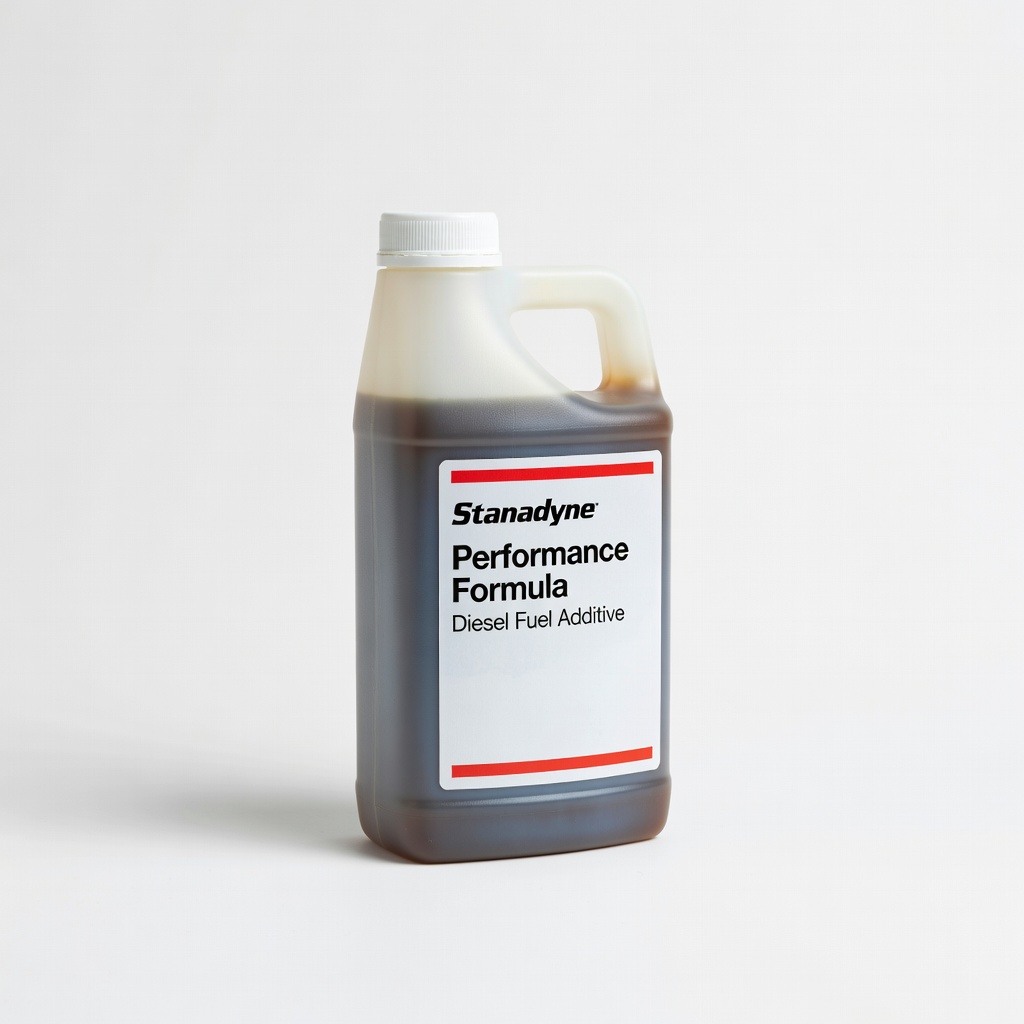
Stanadyne Performance Formula Diesel Fuel Additive
OEM-approved, boosts cetane by 6 points, cleans injectors for proven 5-8% MPG gains.
Best for: All-season maintenance for trucks/SUVs; ideal for intermediates seeking reliability.
Price Range: $15-$20
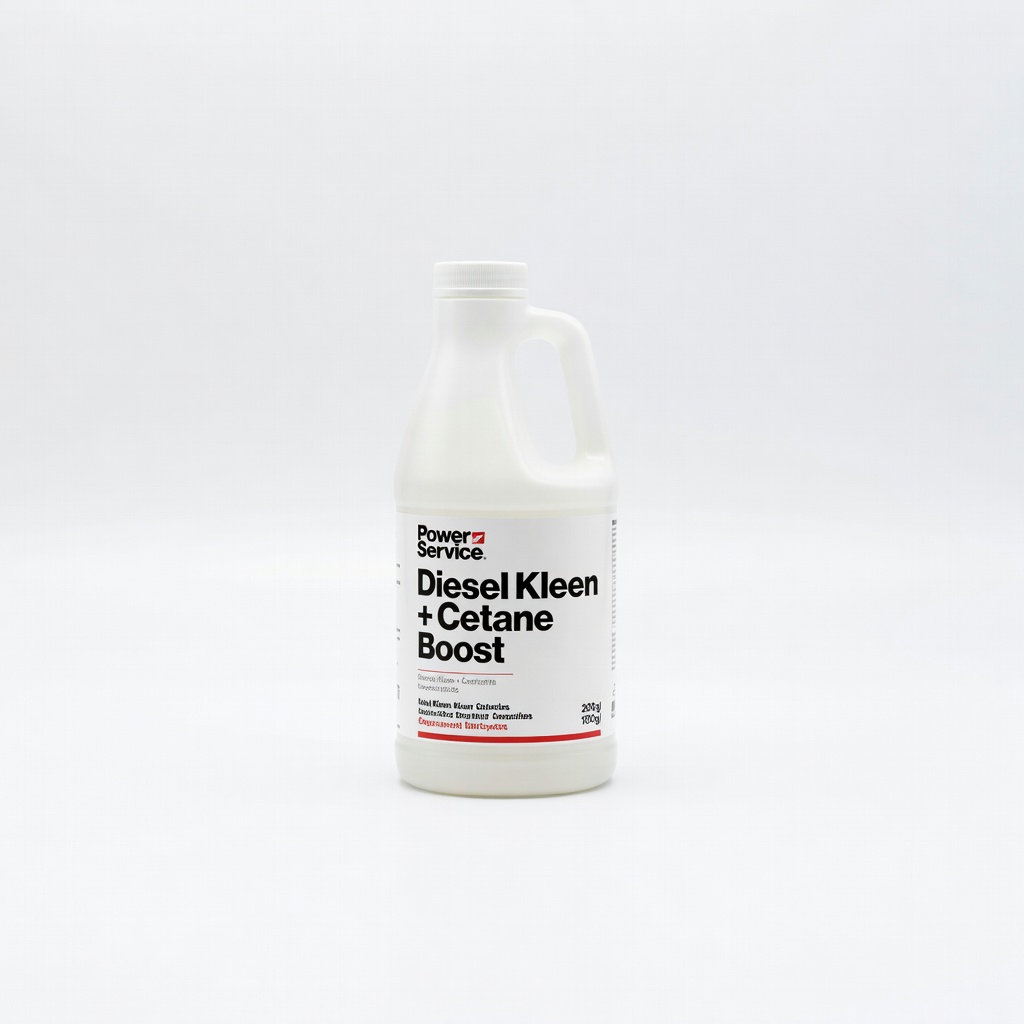
Power Service Diesel Kleen + Cetane Boost
Increases cetane up to 6 numbers, removes deposits; budget-friendly with 7x cleaning power.
Best for: Daily drivers with carbon buildup; great for 1-2 MPG quick wins.
Price Range: $10-$15
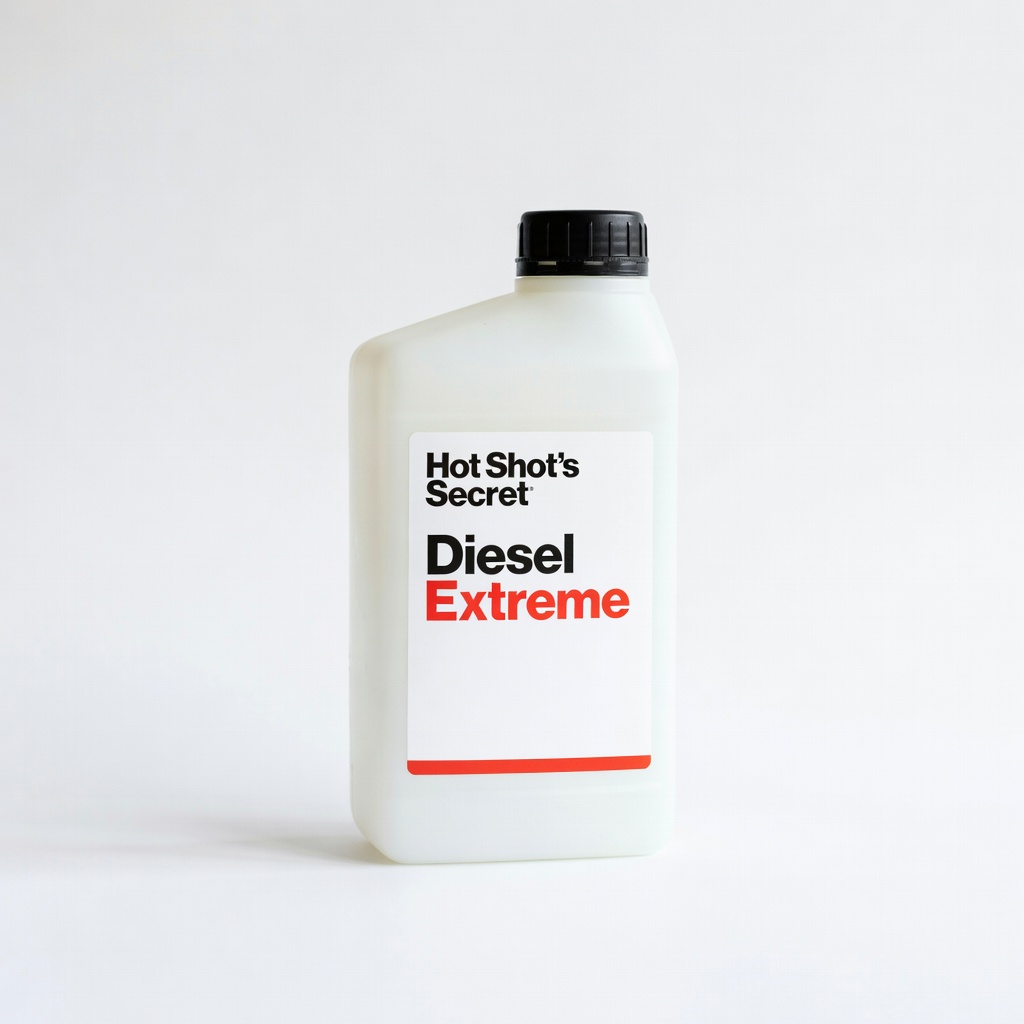
Hot Shot's Secret Diesel Extreme
Deep cleans entire fuel system, restores 10%+ power/MPG; safe for emissions.
Best for: Shock treatment for neglected engines; use every 6k miles.
Price Range: $25-$30
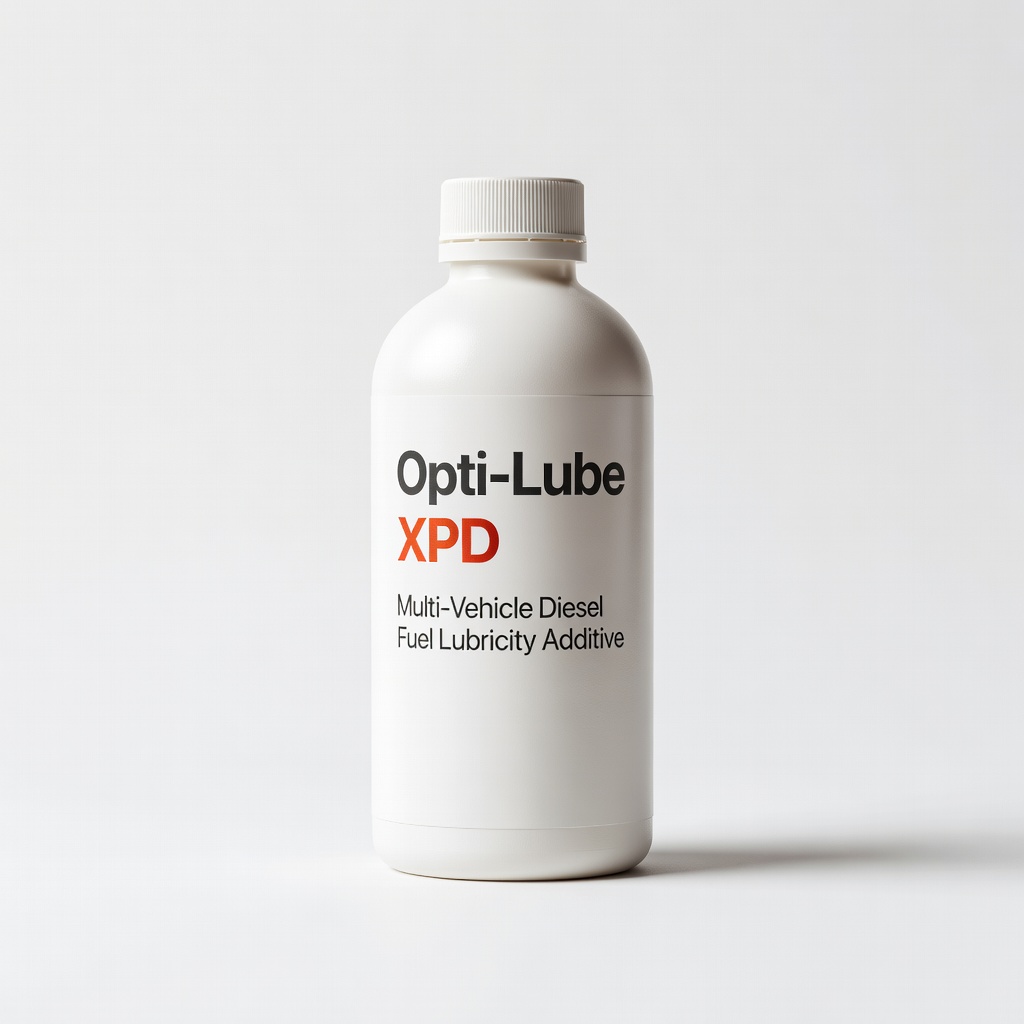
Opti-Lube XPD Multi-Vehicle Diesel Fuel Lubricity Additive
Top lubricity rating, prevents wear in ULSD; subtle 3-5% economy boost.
Best for: High-mileage fleets or older diesels needing pump protection.
Price Range: $25-$35
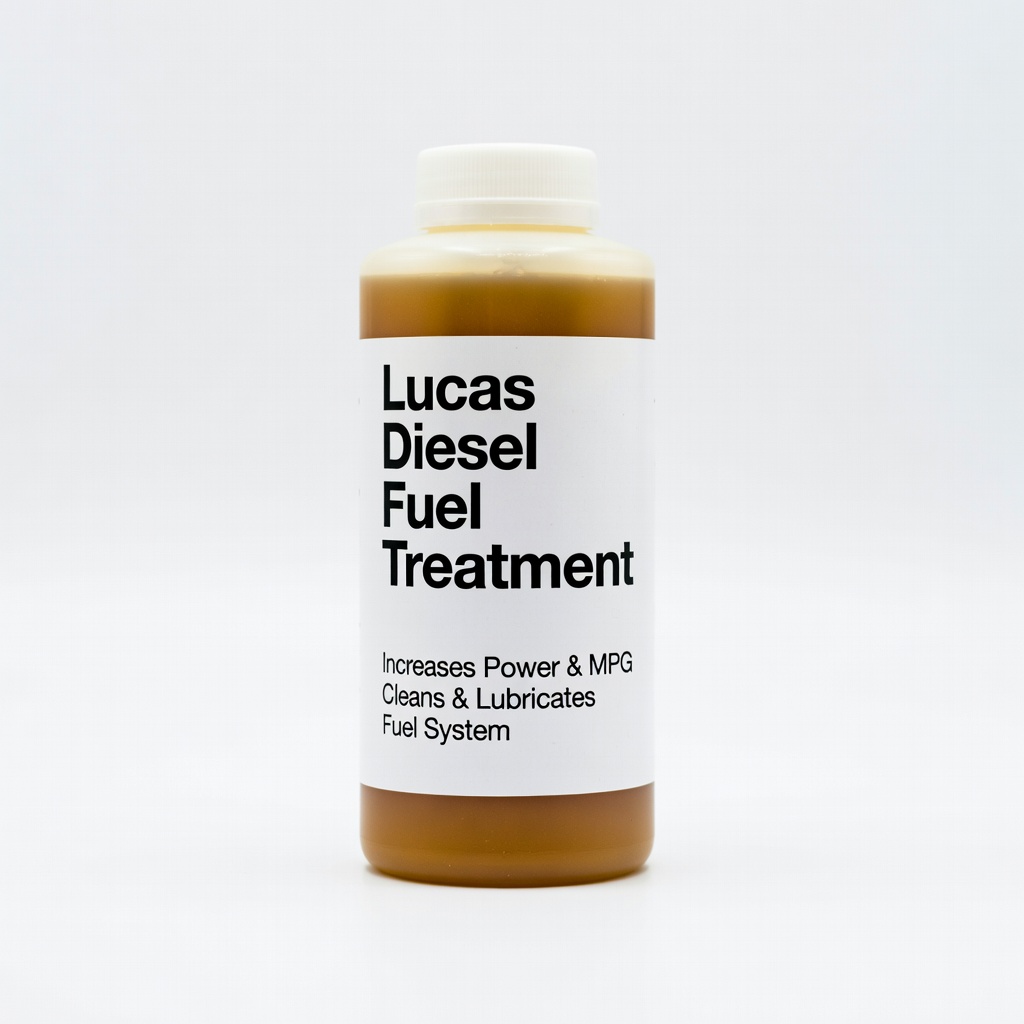
Lucas Diesel Fuel Treatment
Affordable all-in-one with detergents and lubricity; stabilizes fuel up to 2 years.
Best for: Storage or infrequent use; prevents gelling in cold.
Price Range: $12-$18