
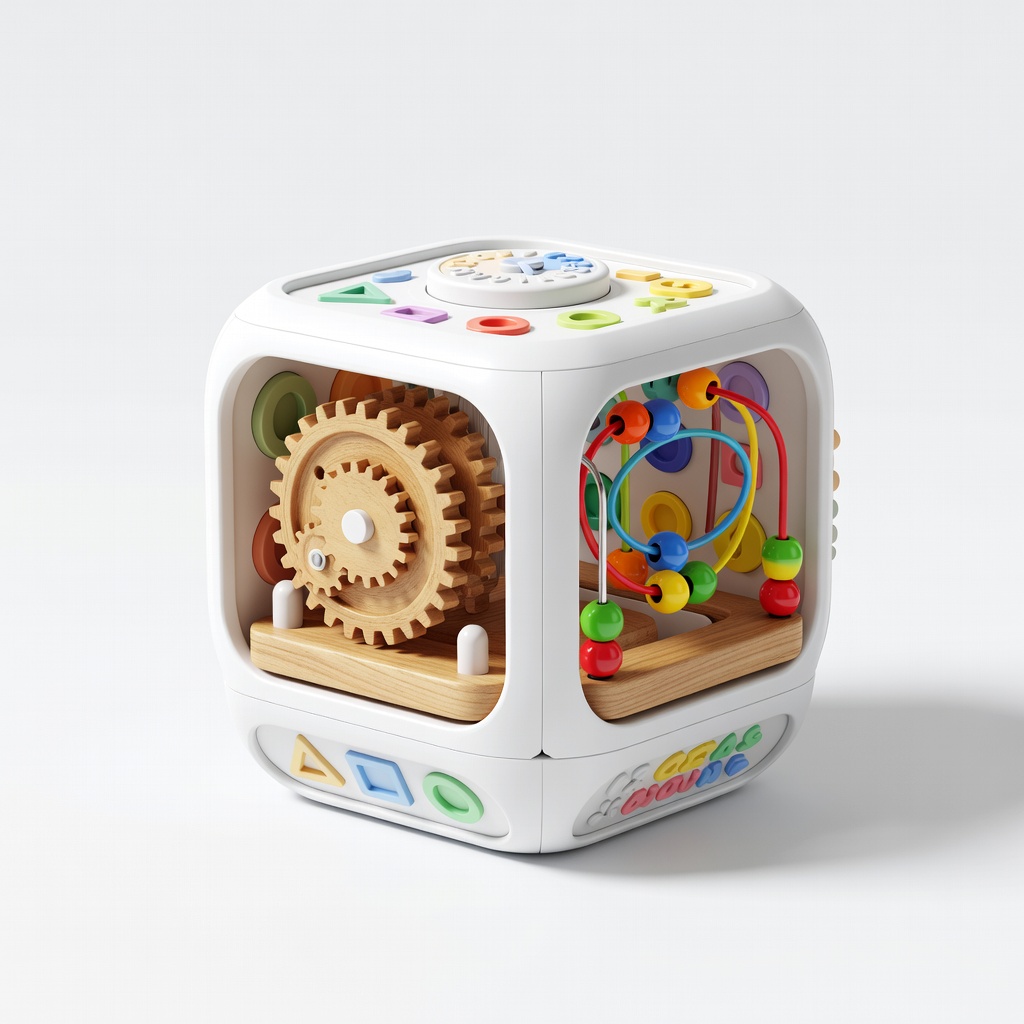
GROWNSY 6-in-1 Activity Cube Toys
Daily tactile and motor play sessions.
$24.99
GROWNSY 6-in-1 Activity Cube Toys Multi-sensory with textures, spinners, sorter, and quiet sounds—perfect for autism beginners.
Get the App
Better experience on mobile
Learn simple steps to boost your child's sensory development and engagement with autism using fun activity cubes in just 10-15 minutes per session.
Children with autism often thrive with sensory play that stimulates touch, sight, sound, and movement in a controlled way. Activity cubes are perfect multi-sided toys packed with textures, spinners, sorters, and sounds that help reduce anxiety, improve focus, and build fine motor skills. If you're a parent or caregiver struggling to find engaging, non-overwhelming activities, this guide is for you.
In this beginner-friendly tutorial, you'll discover how to select, set up, and use an activity cube for effective sensory play. We'll cover step-by-step instructions tailored for kids on the autism spectrum, ensuring safe and joyful sessions. Expect 10-15 minutes to prepare and play each time—no prior experience needed.
By the end, you'll have a go-to tool for daily sensory routines that promotes calm and learning.
Estimated Time: 10-15 minutes per play session (5 min setup) Difficulty: beginner
Start by selecting an activity cube designed for sensory stimulation, ideal for autism. Look for ones with varied textures (smooth, bumpy, soft), movable parts like spinners and gears, shape sorters, and quiet sound makers. Avoid cubes with small detachable pieces that could be choking hazards.
This matters because the right cube matches your child's sensory needs—tactile for touch-seekers or visual spinners for those needing movement. Success looks like a cube that's colorful, sturdy, and multi-sided (at least 4-6 activities). Test it yourself first for smooth operation.
💡 Tips:
⚠️ Warnings:
Clear a quiet, clutter-free area on a soft mat or carpet, about 4x4 feet. Place the cube in the center at your child's eye level—sitting or on a low table. Dim lights if bright ones cause discomfort and remove distractions like screens or loud toys.
Why? A dedicated space signals 'play time' and minimizes sensory overload. Expect your child to approach curiously; success is a calm setup ready in under 5 minutes.
💡 Tips:
⚠️ Warnings:
Sit with your child and model play by slowly turning the cube to show one side. Say simple words like 'touch bumpy' or 'spin wheel' in a calm voice. Let them watch for 1-2 minutes before handing it over.
This builds comfort and anticipation. Success: Child reaches out or smiles—indicating interest without overwhelm.
💡 Tips:
Focus on tactile side. Guide fingers over fabrics, beads, or mirrors. Describe sensations: 'Soft fabric!' Encourage poking and stroking.
Textures calm sensory seekers and desensitize avoiders. Rotate slowly if they fixate. Expect 2-3 minutes of focused touch; success is voluntary exploration.
💡 Tips:
⚠️ Warnings:
Move to kinetic sides: Spin gears, beads, or balls. Make 'whirr' sounds softly. Let child spin freely.
This provides vestibular input and cause-effect learning. Success: Repeated spins showing cause-effect understanding, lasting 3 minutes.
💡 Tips:
Sorter side: Demonstrate dropping shapes, pressing buttons for sounds/lights (keep volume low). Praise efforts: 'Good job in!'.
Builds fine motor and cognition. Expect trial-error; success is one successful sort.
💡 Tips:
⚠️ Warnings:
Watch for joy or overload signs (fidgeting, aversion). Rotate sides every 2 minutes. End with a timer song, clean cube, and praise/reward.
Prevents burnout. Success: Happy child ready for next activity; store cube out of sight.
💡 Tips:
Problem: Child ignores cube or throws it.
Solution: Model more enthusiastically or add a favorite toy nearby. Try later when rested.
Problem: Overstimulation from sounds/lights.
Solution: Cover or tape those features; focus on quiet sides.
Problem: Fixation on one side only.
Solution: Gently rotate after 1 min; offer choice of two sides.
Problem: Cube parts stick or break.
Solution: Lubricate with silicone spray; replace if damaged—seek therapist advice for alternatives.
Multi-sensory with textures, spinners, sorter, and quiet sounds—perfect for autism beginners.
Best for: Daily tactile and motor play sessions.
Price Range: $24.99
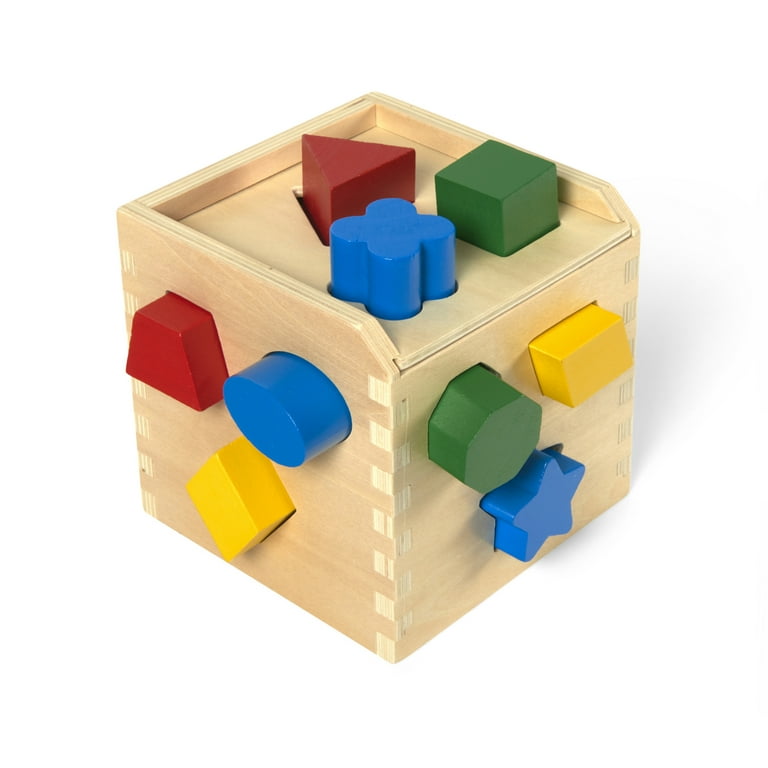
Durable wood, 5 sides of activities, no batteries—safe, quiet sensory exploration.
Best for: Long-term use for fine motor development.
Price Range: $12.99
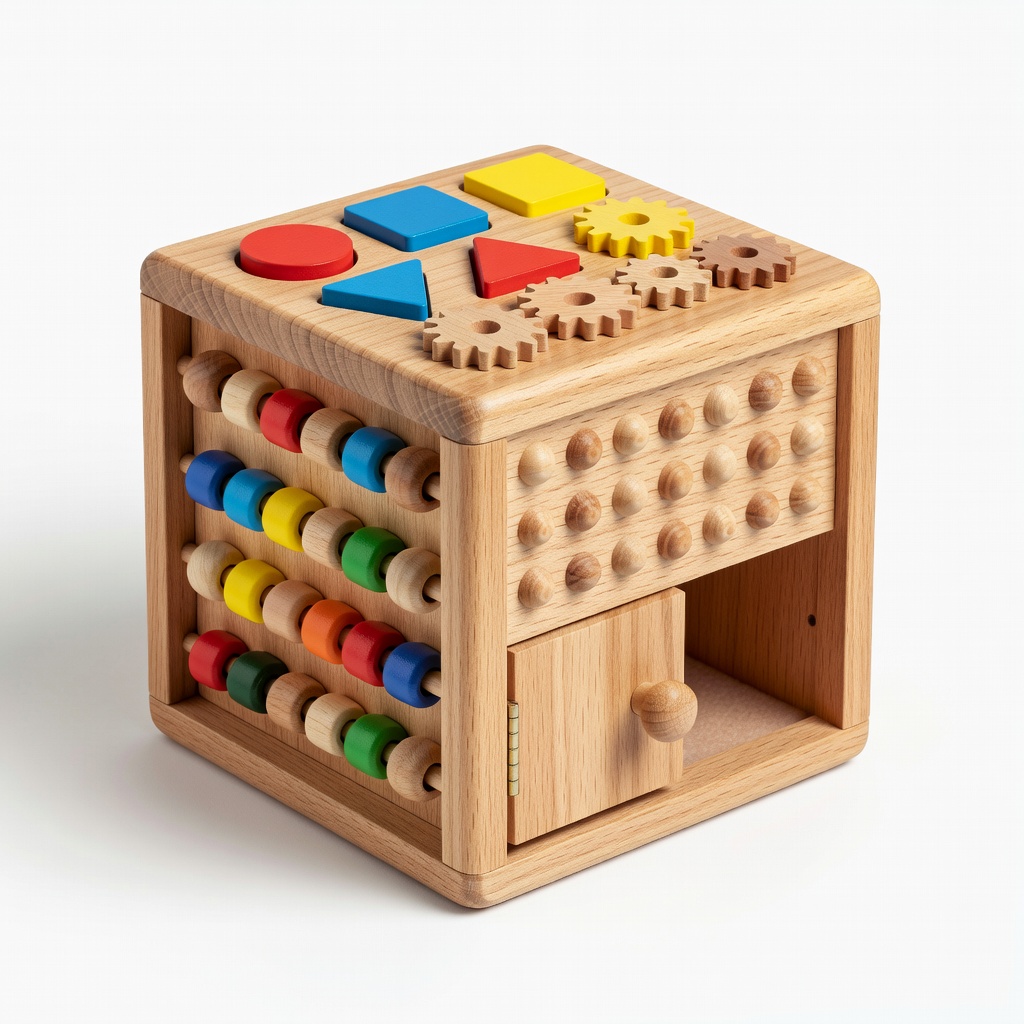
Natural wood, bead maze, textures—calming for sensory avoiders on autism spectrum.
Best for: Home or therapy sessions focusing on focus-building.
Price Range: $29.99
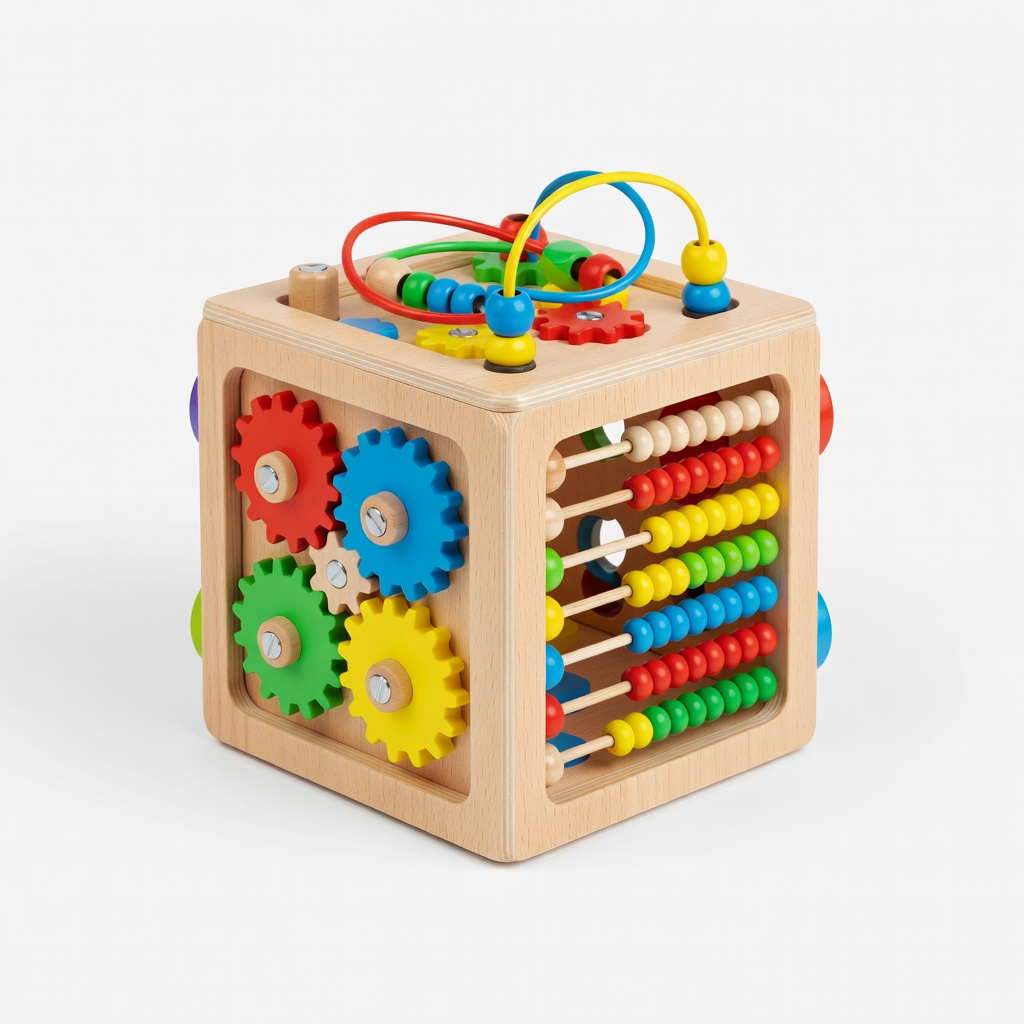
Eco-friendly, 6 activities including xylophone (quiet tap)—versatile sensory input.
Best for: Auditory and visual stimulation without overwhelm.
Price Range: $39.99
Daily tactile and motor play sessions.
GROWNSY 6-in-1 Activity Cube Toys Multi-sensory with textures, spinners, sorter, and quiet sounds—perfect for autism beginners.
Long-term use for fine motor development.
Melissa & Doug Wooden Shape-Sorting Activity Cube Durable wood, 5 sides of activities, no batteries—safe, quiet sensory exploration.
Home or therapy sessions focusing on focus-building.
Woodpeckers Crafts Montessori Sensory Activity Cube Natural wood, bead maze, textures—calming for sensory avoiders on autism spectrum.
Auditory and visual stimulation without overwhelm.
Hape Originals Multi-Sided Activity Cube Eco-friendly, 6 activities including xylophone (quiet tap)—versatile sensory input.