As a parent, watching your toddler struggle with coordination or miss milestones can be worrying, but activity centers offer a safe, engaging way to build essential motor skills. These bouncy, interactive stations help develop gross motor skills like leg strength and balance, plus fine motor skills through grasping and twisting toys.
In this guide, you'll learn how to select, set up, and use activity centers effectively for ages 6-24 months. Expect noticeable improvements in movement confidence within 2-4 weeks of consistent use. It's beginner-friendly, requiring no special skills—just supervision and enthusiasm.
The process involves choosing the right center, creating a safe space, guiding play sessions, and tracking progress. Sessions are short (15-20 minutes), making it easy to fit into your routine.
▸What You'll Need
- •Age-appropriate activity center (e.g., jumperoo or exersaucer for 6-24 months)
- •Soft, non-slip play mat or carpeted floor
- •Supervising adult
- •Optional: Extra toys or teethers for rotation
- •Cleaning wipes or mild soap for maintenance
Estimated Time: 30 minutes initial setup + 15-20 minutes daily sessions
Difficulty: beginner
▸Step-by-Step Instructions
Step 1: Choose the Right Activity Center
Select an activity center suited to your toddler's age and size (typically 6-24 months, 18-26 lbs). Look for models with adjustable heights, seat rotation, and multi-sensory toys for lights, sounds, and textures.
Why it matters: The right fit prevents frustration and injury while targeting motor skills. Expect a sturdy frame with a harness for safety.
Success looks like: Your toddler fits comfortably with feet touching the floor when bouncing.
💡 Tips:
- •Check weight limits and measure your child first.
- •Opt for machine-washable seats.
⚠️ Warnings:
- •Avoid walkers on stairs or near hazards.
Step 2: Set Up a Safe Play Area
Place the activity center on a flat, padded surface away from walls, furniture, or cords. Assemble per instructions (usually 10-15 minutes), ensuring all locks engage.
Why it matters: Safety first—prevents falls or pinches. Test stability by shaking gently.
Success looks like: Center wobbles minimally and harness buckles securely.
💡 Tips:
- •Use a play mat underneath for extra cushioning.
⚠️ Warnings:
- •Never leave baby unattended, even strapped in.
Step 3: Introduce the Center Gently
Seat your toddler in the harness during a calm time, like after a nap. Let them explore at their pace without forcing bounces.
Why it matters: Builds trust and excitement. Most toddlers engage within 5 minutes.
Success looks like: Child smiles, reaches for toys, or kicks lightly.
💡 Tips:
- •Sing songs or play music to encourage movement.
Step 4: Encourage Gross Motor Skills
Prompt bouncing by gently lifting their feet or demonstrating. Rotate the seat to spin slowly.
Why it matters: Strengthens legs, core, and balance—key for walking. Sessions build endurance over time.
Success looks like: Toddler bounces independently for 1-2 minutes.
💡 Tips:
- •Praise every effort to motivate.
⚠️ Warnings:
- •Limit to 15-20 minutes to avoid overexertion.
Step 5: Target Fine Motor Skills
Guide hands to buttons, spinners, and grasping toys. Swap in new items weekly.
Why it matters: Improves hand-eye coordination and dexterity for self-feeding later.
Success looks like: Toddler twists or presses toys repeatedly.
💡 Tips:
- •Use high-contrast toys for better focus.
Step 6: Incorporate Interaction and Rotation
Join in: Name toys, count bounces, or mimic sounds. Rotate toys every 3-5 days.
Why it matters: Keeps engagement high, preventing boredom and enhancing cognitive-motor links.
Success looks like: Longer, enthusiastic play sessions.
💡 Tips:
- •Theme days: Music Monday, Color Tuesday.
Step 7: Monitor Progress and Adjust
Note improvements weekly (e.g., stronger kicks). Transition to walkers as they near walking.
Why it matters: Tracks development; adjust for growth.
Success looks like: Milestones like standing with support.
⚠️ Warnings:
- •Stop if signs of discomfort appear.
Step 8: Clean and Store Properly
Wipe down daily; deep clean weekly with mild soap. Disassemble for storage.
Why it matters: Hygiene prevents illness; extends product life.
💡 Tips:
▸Pro Tips
- •Start with 5-minute sessions and gradually increase.
- •Place mirrors on the tray for self-awareness and motivation.
- •Combine with tummy time for balanced development.
- •Use during fussy periods—motion soothes.
- •Record videos weekly to celebrate progress with family.
- •Customize with baby's favorite toys for familiarity.
- •Schedule before meals when energy is high.
▸Common Mistakes to Avoid
- •Using beyond weight/age limits—causes strain; always check specs.
- •Overusing without breaks—leads to fatigue; cap at 20 mins.
- •Skipping supervision—risks injury; stay within arm's reach.
- •Not rotating toys—causes boredom; refresh weekly.
- •Placing on hard floors—slipping hazard; use padded surfaces.
▸Troubleshooting
Problem: Toddler cries or refuses to play
Solution: Shorten sessions, add familiar toys, or try during happy times. Give it 2-3 days to adjust.
Problem: Harness won't fit or seat is uncomfortable
Solution: Adjust straps per manual or check size. Pad with thin blanket if needed, but consult manufacturer.
Problem: No improvement in skills after weeks
Solution: Vary activities, ensure proper use, or consult pediatrician for underlying issues.
Problem: Center tips or squeaks
Solution: Tighten all screws; place on level, carpeted floor. If persists, contact manufacturer.
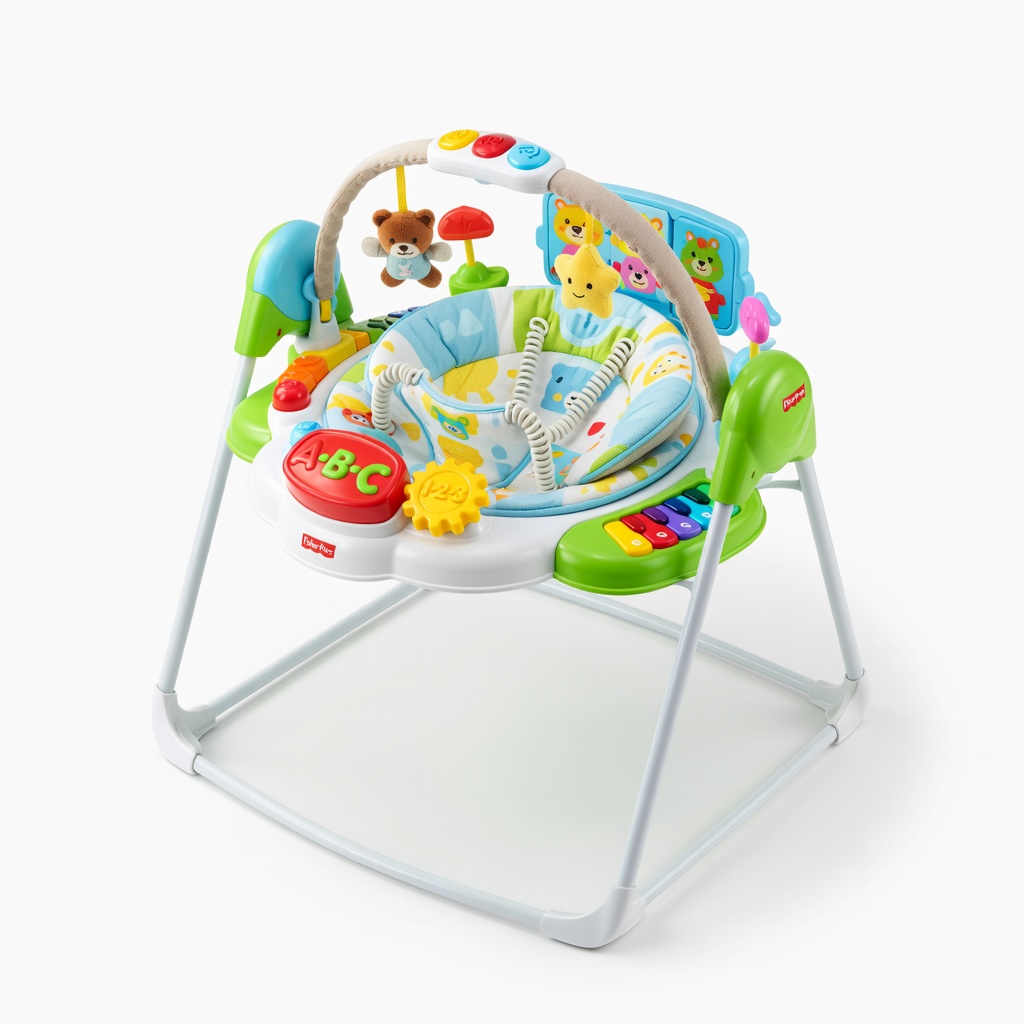
Fisher-Price Laugh & Learn Smart Stages Jumperoo
3-stage music and lights grow with baby, targeting legs, arms, and senses for comprehensive motor development.
Best for: Daily 15-min bounces for 6-24 month olds building walking strength.
Price Range: $120-$140
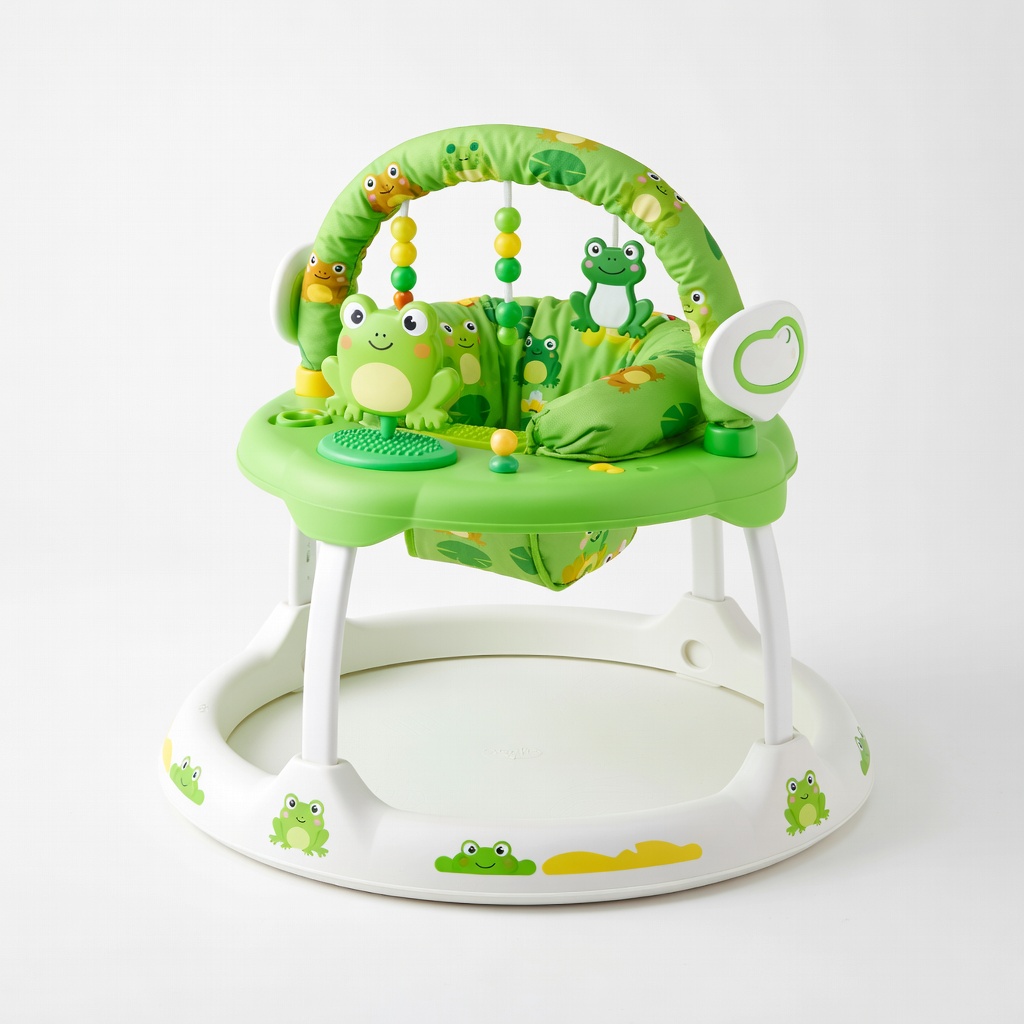
Evenflo Exersaucer Jump & Learn Frog
360-degree rotation and 20+ activities promote reaching, twisting, and bouncing safely.
Best for: Fine motor focus for sitting babies transitioning to standers.
Price Range: $90-$110
Bright Starts Playful Pinball Activity Center
Interactive pinball and lights encourage hand-eye coordination at budget price.
Best for: Affordable intro for beginners, great for 6-12 months.
Price Range: $70-$90
VTech Sit-to-Stand Learning Walker
Combines activity center with walker for gross motor progression to independent walking.
Best for: For near-walkers (9+ months) needing stability.
Price Range: $25-$35
Summer Infant 5-in-1 Convertible Activity Center
Transforms from bouncer to walker, maximizing value for long-term motor skill building.
Best for: Versatile for 0-24 months across stages.
Price Range: $110-$130