Tired of non-stop entertaining your energetic toddler? Activity centers are game-changers, letting little ones explore toys independently while you take a well-deserved break. They build fine motor skills, problem-solving, and self-reliance—key for toddler development—without constant supervision.
In this beginner-friendly guide, you'll learn how to choose, set up, introduce, and maintain an activity center to maximize independence. Expect your toddler to play solo for 15-30 minutes after a few sessions. Setup takes 30 minutes; daily use is ongoing but effortless.
No prior experience needed—just follow our 8 clear steps for safe, engaging play that grows with your child.
▸What You'll Need
- •Age-appropriate activity center (for 12-36 months)
- •Safe, flat floor space (at least 4x4 feet)
- •Soft play mat or rug (optional, for comfort)
- •Toddler-safe toys to add (blocks, soft balls; optional)
- •Phone timer or clock
- •Cleaning wipes or mild soap
Estimated Time: 30 minutes for initial setup + 15-30 minutes daily play sessions
Difficulty: beginner
▸Step-by-Step Instructions
Step 1: Choose the Right Activity Center
Start by selecting an activity center suited to your toddler's age and interests. Look for multi-sided toys with beads to slide, gears to spin, buttons to press, and sorters—ideally for 18-36 months to match developing skills.
Why it matters: The right center prevents frustration and boredom, fostering longer independent play. Check reviews for durability and safety (no small parts, stable base).
Success: You have a center with 4+ activities that lights up or makes sounds to captivate attention. Image a colorful cube or table with spinning elements.
💡 Tips:
- •Prioritize BPA-free plastic or natural wood for safety.
- •Match to milestones: sorters for 18m+, gears for 24m+
⚠️ Warnings:
- •Avoid centers for newborns; they lack challenge for toddlers.
Step 2: Pick a Safe Play Area
Clear a spacious, soft-floored spot away from stairs, cords, or sharp furniture. Use a play mat to define boundaries and cushion falls.
Why it matters: Safety builds trust, letting your toddler explore freely without interruptions. Ensure good lighting and within eyesight from your spot.
Success: A 4x4 ft zone ready, with mat down—no hazards in reach.
💡 Tips:
- •Anchor rugs if slippery.
- •Place near but not in high-traffic areas.
Step 3: Assemble the Activity Center
Follow the manual to build it—most snap together in 10-15 minutes without tools. Test all moving parts for smoothness.
Why it matters: Proper assembly ensures stability, preventing tip-overs during excited play.
Success: Center stands firm, all activities work (e.g., beads slide freely). Wipe clean before first use.
⚠️ Warnings:
- •Don't skip stability checks; overtightening can jam parts.
Step 4: Customize for Engagement
Add 2-3 familiar toys like stacking rings or soft balls to panels. Limit to avoid overwhelm.
Why it matters: Personalization sparks interest, extending playtime to 20+ minutes.
Success: Center feels like 'theirs' with mixed activities.
💡 Tips:
Step 5: Introduce the Center Casually
Place your toddler nearby during calm time (post-nap). Sit with them and say, 'Look what you can play with!'
Why it matters: Gentle intro reduces novelty fear, encouraging voluntary engagement.
Success: Toddler reaches out within 5 minutes.
Step 6: Demonstrate 2-3 Activities
Show simple actions: spin a gear, slide a bead. Use excited voice: 'Wheel goes round!' Do it 2-3 times per activity, then pause.
Why it matters: Modeling teaches without doing it for them, sparking imitation.
Success: Toddler mimics one action independently.
💡 Tips:
- •Keep demos short (1 min total).
⚠️ Warnings:
- •Don't complete tasks; let them struggle a bit for learning.
Step 7: Encourage Solo Play and Step Back
Sit 3-5 feet away, praise efforts: 'Great spinning!' Use timer for 10-15 min sessions. Gradually increase distance.
Why it matters: Fading supervision builds confidence and true independence.
Success: 15+ min self-play with check-ins only.
Step 8: Rotate, Clean, and Track Progress
Weekly, swap activities or hide for 'new' feel. Wipe daily with mild soap. Note play duration/skill gains.
Why it matters: Variety prevents boredom; maintenance ensures safety.
Success: Consistent 20-30 min play, new skills like sorting.
💡 Tips:
- •Journal wins to stay motivated.
▸Pro Tips
- •Start sessions when toddler is rested and fed for best focus.
- •Use a 'play bell' (toy sound) to signal start/end, creating routine.
- •Praise effort over perfection: 'You tried that bead!'
- •Incorporate center into daily schedule, like post-meal play.
- •Film short clips of independent play for milestone sharing.
- •Pair with quiet reading nearby to model calm.
- •Upgrade activities as skills grow (add puzzles at 2.5y).
▸Common Mistakes to Avoid
- •Over-helping during play, which hinders independence—solution: Observe more, assist less.
- •Choosing wrong age toy, leading to frustration—check labels and match milestones.
- •Not rotating activities, causing quick boredom—swap weekly.
- •Placing in unsafe spots, risking accidents—always prioritize flat, padded areas.
- •Skipping cleaning, attracting germs—wipe after every use.
▸Troubleshooting
Problem: Toddler ignores the center.
Solution: Add a favorite toy or demo during high-energy times. Try a new center if uninterested after 3 days.
Problem: Toddler gets frustrated and throws toys.
Solution: Shorten sessions to 5 min, re-demo slowly. Ensure activities match current skills (e.g., large beads first).
Problem: Center tips over.
Solution: Check assembly on level floor; add non-slip mat. Replace if damaged.
Problem: Limited playtime (under 10 min).
Solution: Build gradually over days. Minimize distractions like TV.
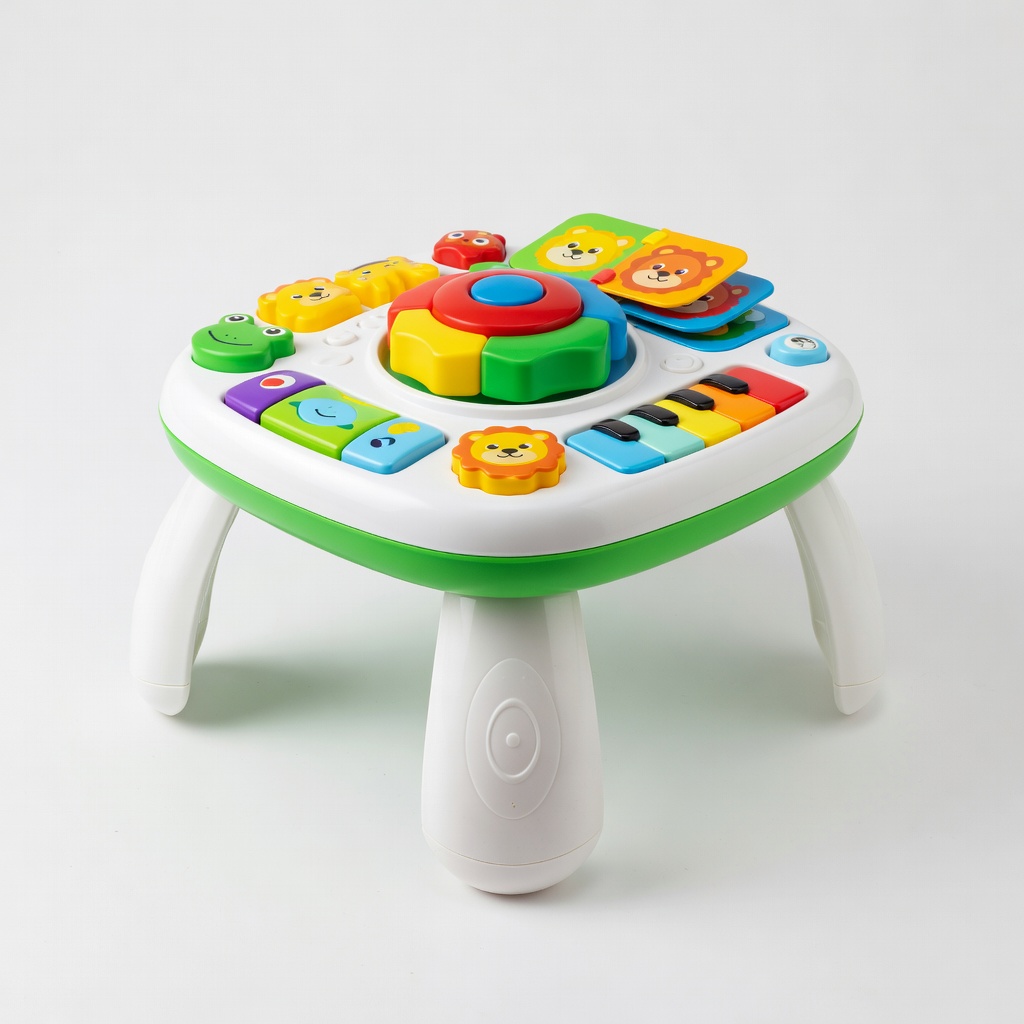
LeapFrog Learn & Groove Musical Table
Interactive lights, music, and 70+ songs keep toddlers engaged solo for 30+ min; develops motor skills and vocabulary.
Best for: Daily independent play for 6-36 month olds in living rooms.
Price Range: $44.99
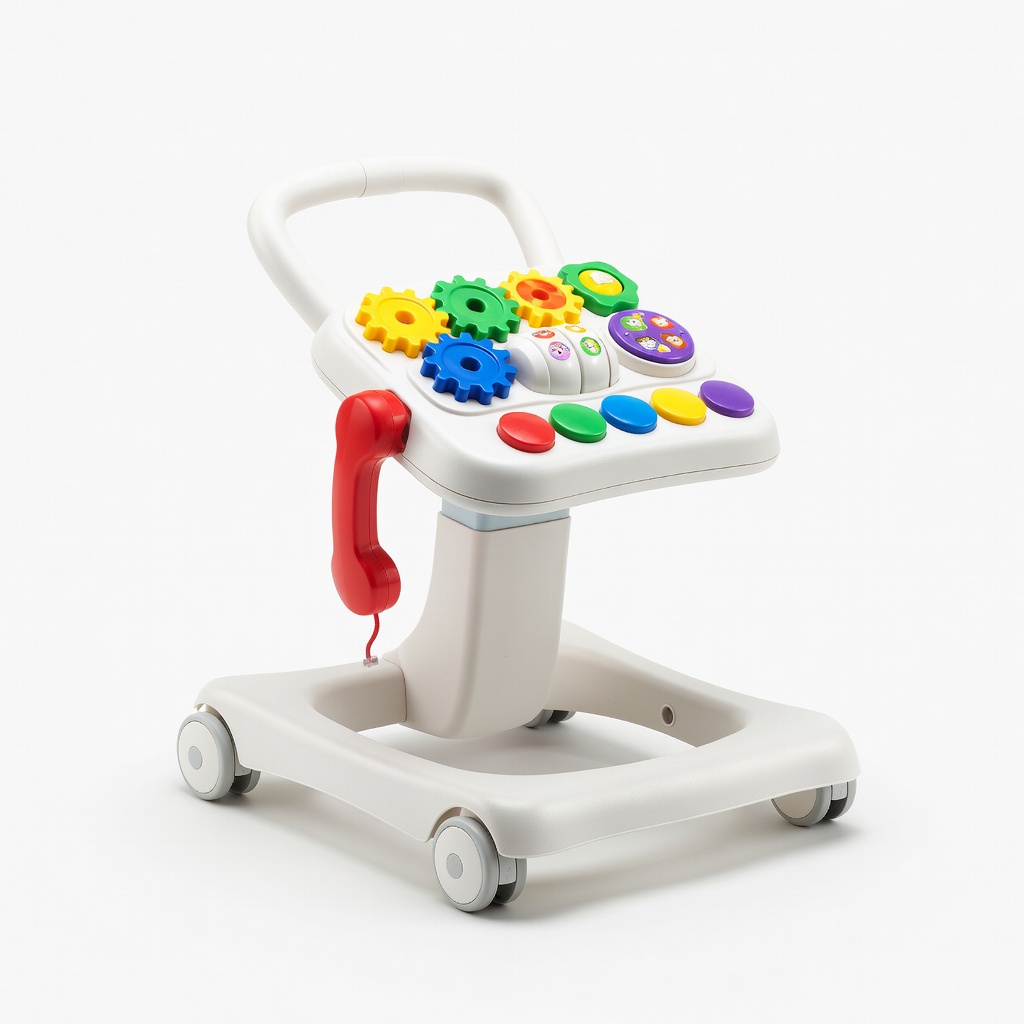
VTech Sit-to-Stand Learning Walker
Combines stationary activities with walking support; removable panel for floor play promotes transition to independence.
Best for: Active toddlers 9-36 months needing movement + fine motor challenges.
Price Range: $29.99
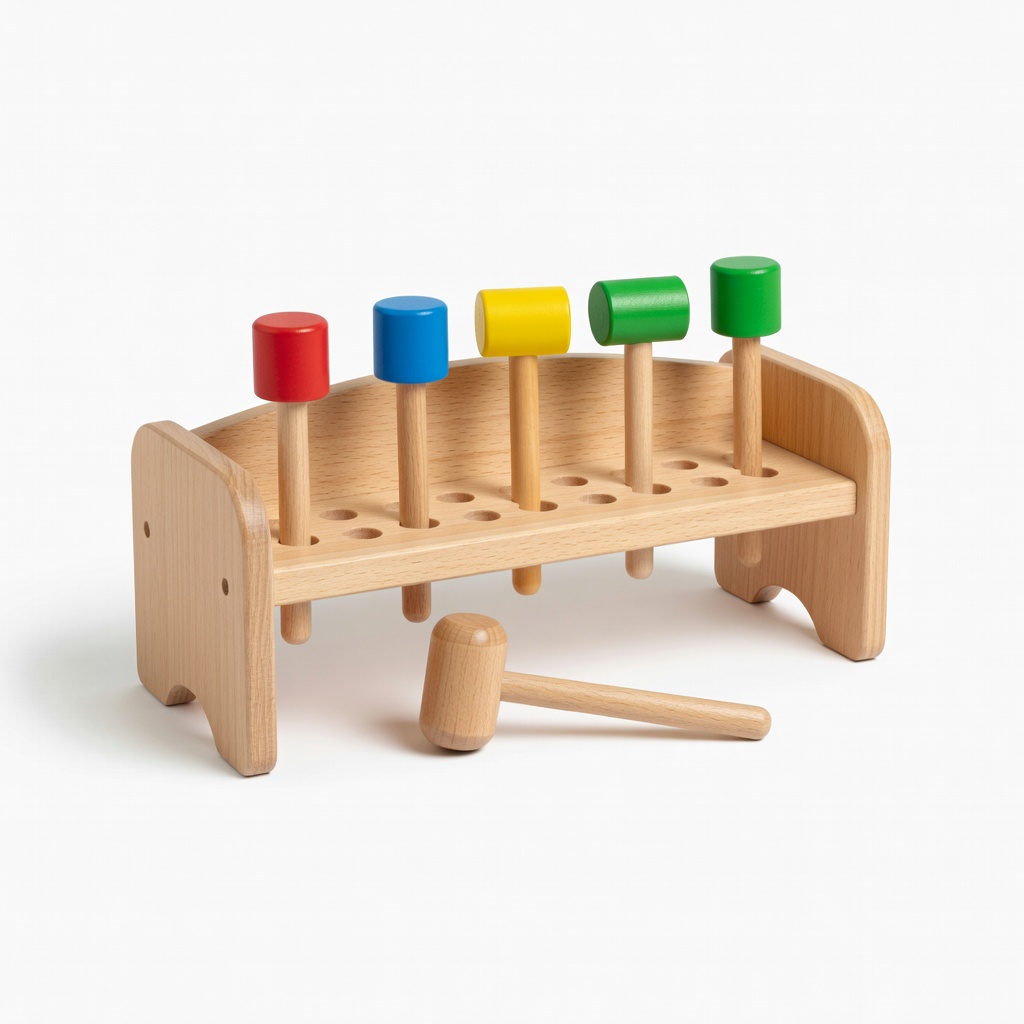
Hape Pound & Tap Bench
Durable wooden design with mallet play, xylophone, and balls; encourages cause-effect learning without batteries.
Best for: Eco-conscious parents for 12+ month olds focusing on sensory and rhythm skills.
Price Range: $29.99
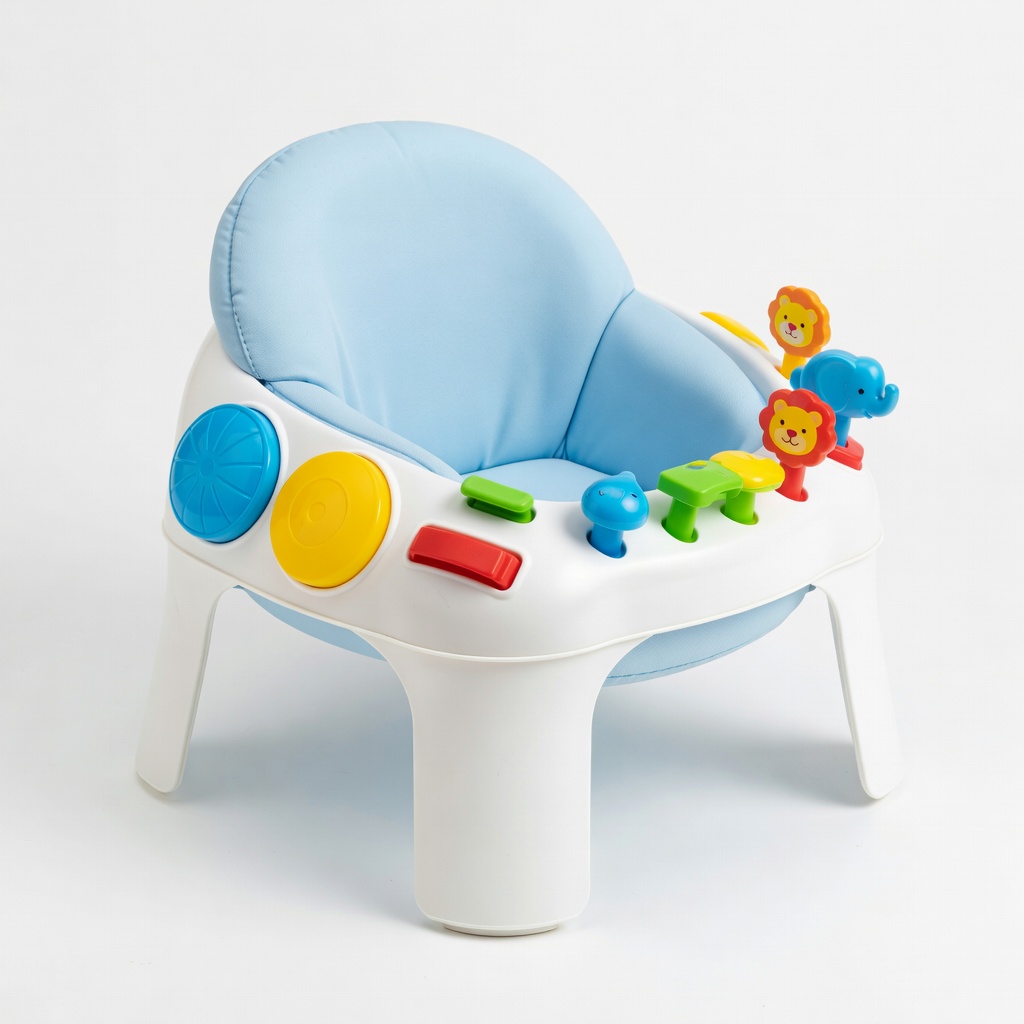
Fisher-Price Laugh & Learn Smart Stages Activity Chair
Grows with child via 3 smart stages; songs/teaching reward self-play, building sitting independence.
Best for: Sedentary play for 6-36 month olds pre-walking.
Price Range: $39.99