Sensory play is crucial for babies aged 0-12 months, helping develop motor skills, cognition, and emotional growth. But many parents struggle with where to start, especially with activity centers that seem overwhelming. This guide solves that by showing you how to use them effectively for safe, fun sensory experiences.
You'll learn to select, set up, and facilitate play sessions that stimulate touch, sight, sound, and movement. No prior experience needed—perfect for beginners. Expect 15-30 minutes per session, with immediate baby smiles and engagement as rewards.
By the end, you'll have a go-to routine for daily sensory play that fits your busy schedule.
▸What You'll Need
- •Baby activity center or play gym (e.g., kick-and-play mat or standing center)
- •Age-appropriate sensory toys (rattles, soft balls, textured fabrics)
- •Soft blanket or play mat for floor
- •Baby (0-12 months, supervised at all times)
- •Optional: Mirror, crinkle toys, or music player
Estimated Time: 15-30 minutes per play session
Difficulty: beginner
▸Step-by-Step Instructions
Step 1: Choose the Right Activity Center
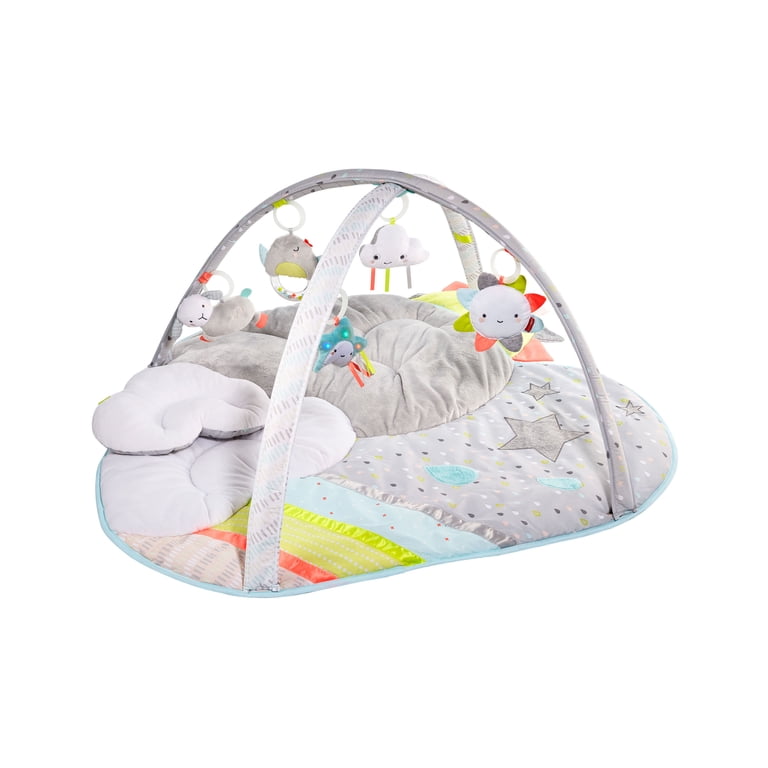
Select an activity center suited to your baby's age and size. For newborns (0-6 months), opt for lying-down gyms with hanging toys. For 6+ months, choose sit-up or standing centers with interactive panels.
Why it matters: The right center matches developmental stages, preventing frustration. Expect colorful lights, sounds, and movable parts to spark interest.
Place it on a clean, flat surface.
💡 Tips:
- •Check weight limits (usually 20-25 lbs)
- •Look for BPA-free, machine-washable materials
⚠️ Warnings:
- •Avoid centers with small detachable parts under 3 months
Step 2: Set Up a Safe Play Space
Clear a 6x6 ft area free of hazards. Lay down a soft blanket or use the center's mat. Ensure good lighting but no direct sun, and keep pets away.
This creates a dedicated zone for focus. Success: Baby can tummy time or kick without interruptions.
Position near you for supervision.
💡 Tips:
- •Use non-slip surface
- •Add a baby mirror for self-discovery
⚠️ Warnings:
- •Never leave baby unattended
Step 3: Assemble and Activate the Center
Follow the manual to unfold or assemble (5 minutes max). Insert batteries, turn on lights/sounds, and adjust toy positions to baby's reach (arm's length).
Why: Powers sensory input. Expect beeps, music, and dangling toys to activate.
Test everything yourself first.
💡 Tips:
- •Keep batteries fresh for consistent sounds
Step 4: Add Sensory Toys
Attach 3-5 toys: textured rattles for touch, bright spinners for sight, crinkly fabrics for sound. Rotate weekly to keep novel.
This layers senses for richer play. Baby's eyes widen, hands reach—sign of success.
Secure firmly to avoid choking.
💡 Tips:
- •Use black/white patterns for newborns
⚠️ Warnings:
- •Inspect for loose threads
Step 5: Position Your Baby
Place baby on back/tummy for 0-3 months, supported sit for 4-6 months, or standing for 7+ months. Let them explore freely.
Encourages natural discovery. Look for coos, kicks, or grabs.
Start with 5-minute sessions.
💡 Tips:
- •Follow baby's lead—extend if engaged
Step 6: Facilitate Sensory Activities
Touch: Guide hands to textures. Sight: Point to lights/colors. Sound: Shake rattles together. Movement: Encourage kicks.
Builds neural connections. Sessions end when baby fusses or tires.
Narrate: 'Feel the bumpy ball!'
💡 Tips:
- •Vary daily for repetition with novelty
⚠️ Warnings:
- •Stop if overstimulated (arching back)
Step 7: Clean and Store
Wipe with baby-safe cleaner, air dry. Disinfect toys. Fold and store in dry spot.
Prevents bacteria. Ready for next use.
Do after every session.
💡 Tips:
- •Machine wash removable parts weekly
▸Pro Tips
- •Play during alert times (post-feed, not nap)
- •Record baby's reactions to track milestones
- •Combine with tummy time for strength
- •Use natural light for better color pop
- •Rotate toys every 2-3 days to maintain interest
- •Add scents like lavender on cloth (diluted, safe)
- •Involve siblings for social sensory play
▸Common Mistakes to Avoid
- •Overloading with too many toys—start with 3-4 to avoid overwhelm
- •Ignoring age limits—causes poor fit and frustration; check specs
- •Skipping supervision—risks injury; always stay within arm's reach
- •Not cleaning regularly—leads to germs; wipe daily
- •Sessions too long—babies tire fast; cap at 20 mins
▸Troubleshooting
Problem: Baby not interested or crying
Solution: Shorten session, change position, or swap toys. Ensure not hungry/tired.
Problem: Toys won't stay attached
Solution: Use provided links or Velcro; replace if broken.
Problem: Battery issues or no sounds
Solution: Replace with fresh AA batteries; check manual for reset.
Problem: Baby seems overstimulated
Solution: Dim lights, pause sounds, cuddle in quiet. Resume later.
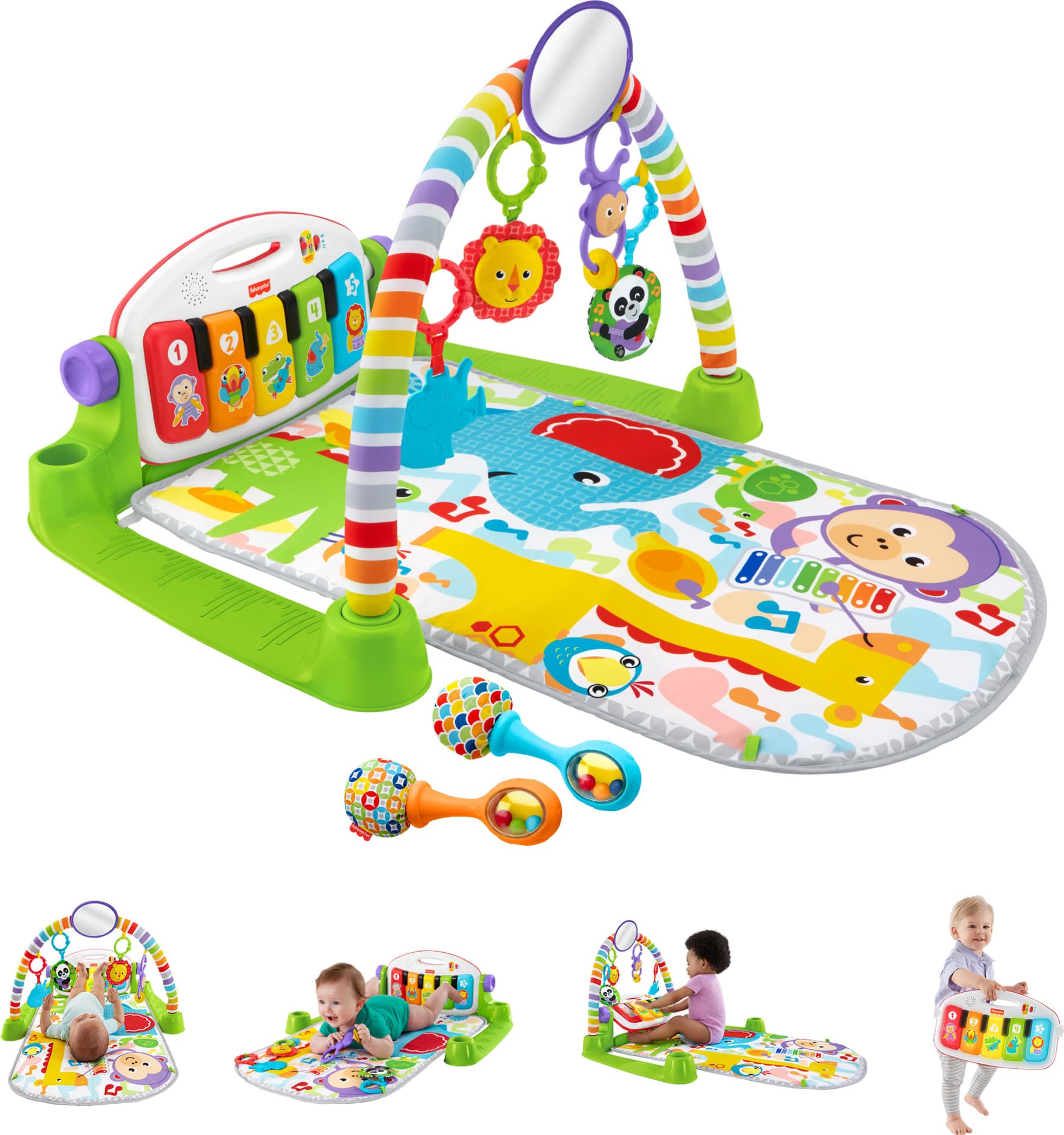
Fisher-Price Deluxe Kick & Play Piano Gym
Versatile 3-in-1 gym grows with baby, with lights, music, and removable piano for multi-sensory stimulation.
Best for: Newborn tummy time to 6-month sits; perfect first center.
Price Range: $29.99
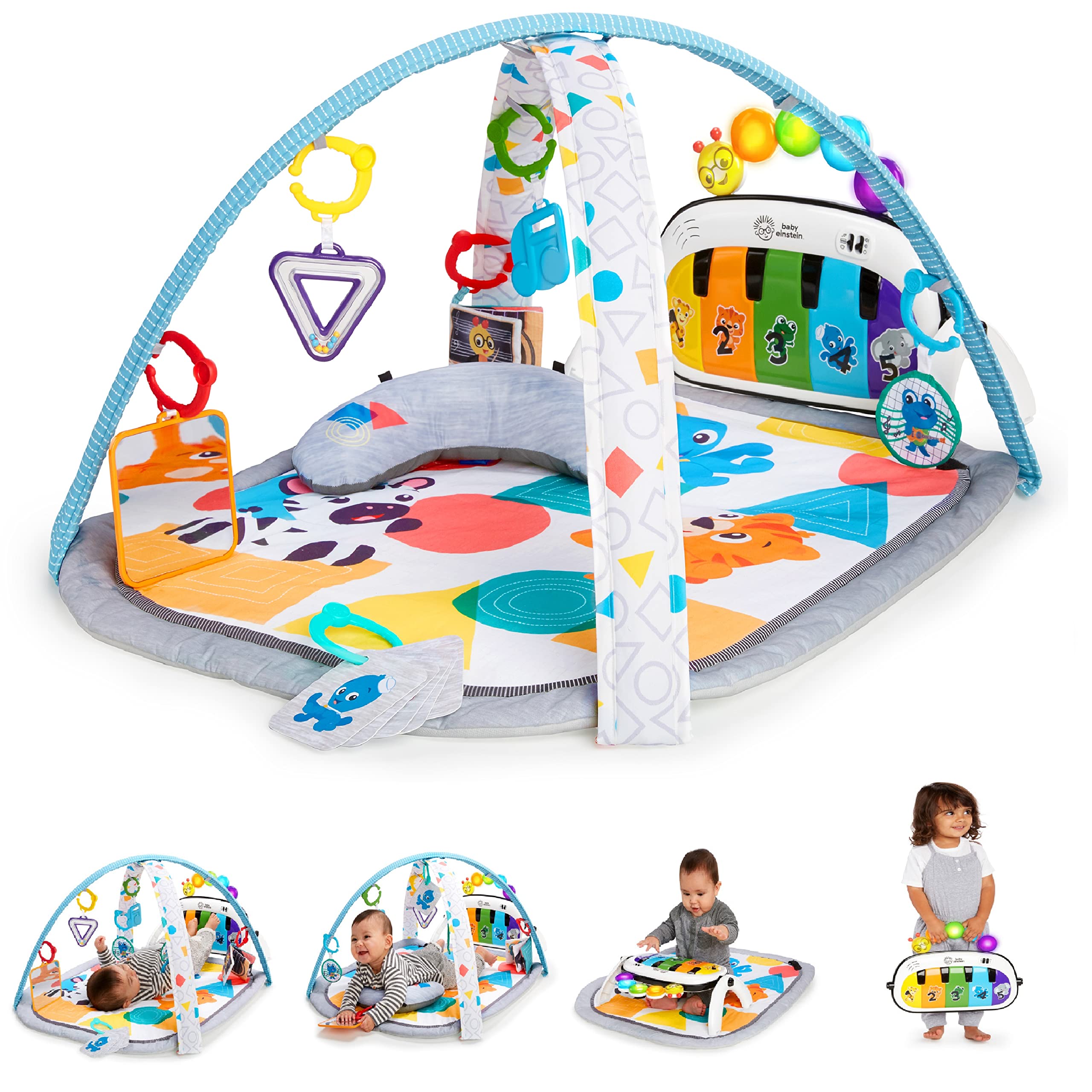
Baby Einstein 4-in-1 Kickin' Tunes Activity Gym
Classical music and multilingual phrases enhance auditory senses; folds flat for storage.
Best for: Daily 10-20 min sessions for 0-9 months.
Price Range: $39.99
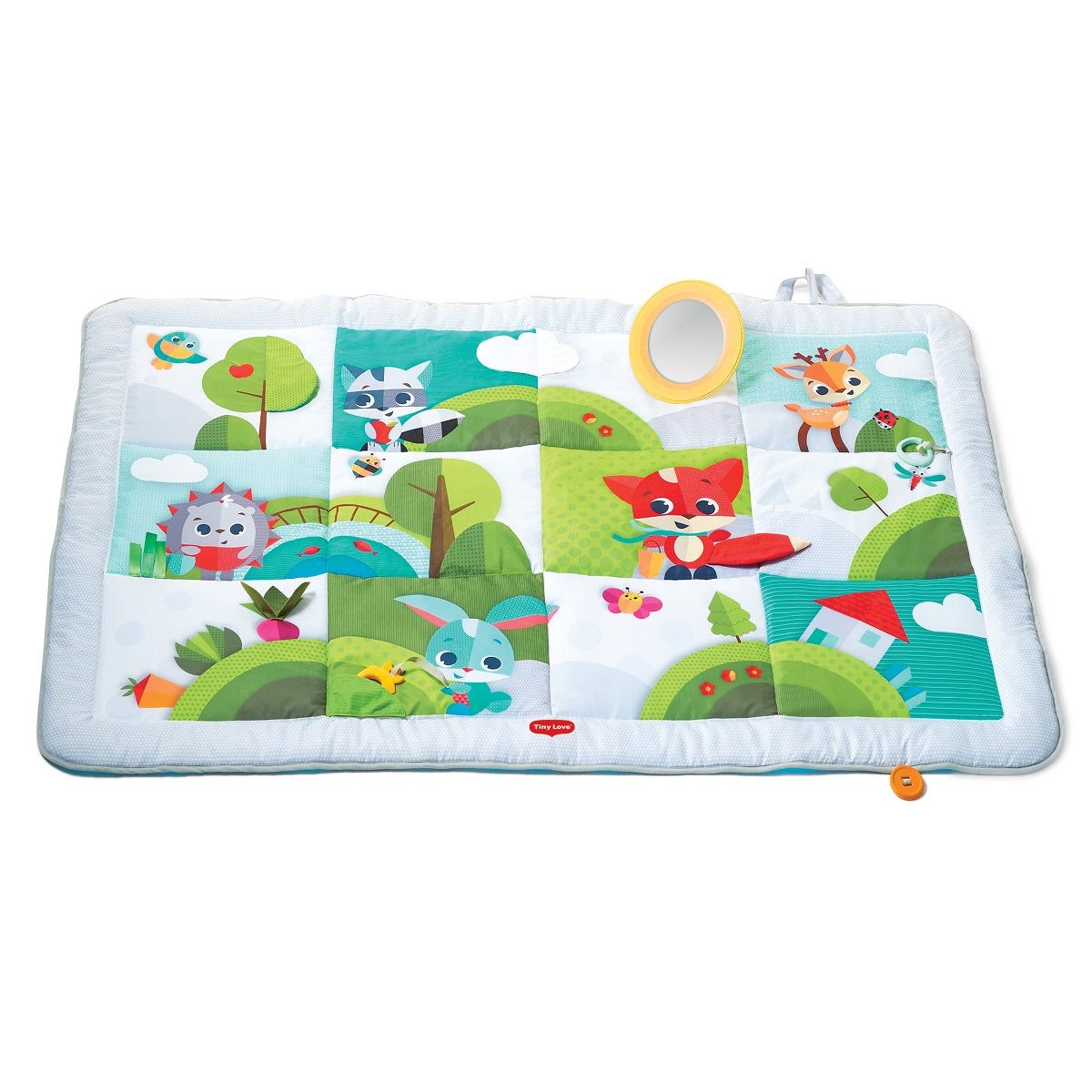
Tiny Love Meadow Days Super Play Mat
Large mat with arches, mirrors, and crinkles for full sensory immersion; machine-washable.
Best for: Floor-based play for crawlers up to 12 months.
Price Range: $79.99
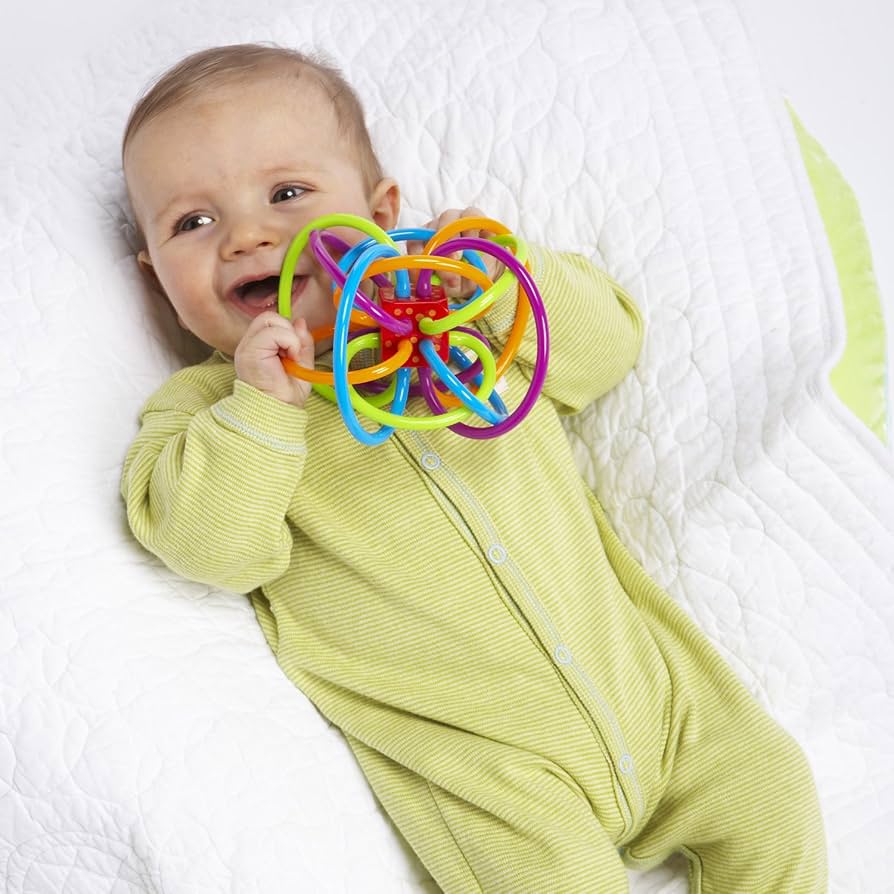
Manhattan Toy Winkel Rattle & Sensory Teether
Loops for grasping, rattles for sound, cools for teething—adds variety to any center.
Best for: Attachable toy for touch/sound exploration anytime.
Price Range: $12.99
Skip Hop Silver Lining Cloud Activity Gym
Weather-themed toys with music and textures; compact and stylish.
Best for: Premium option for modern nurseries, 0-6 months.
Price Range: $89.99