
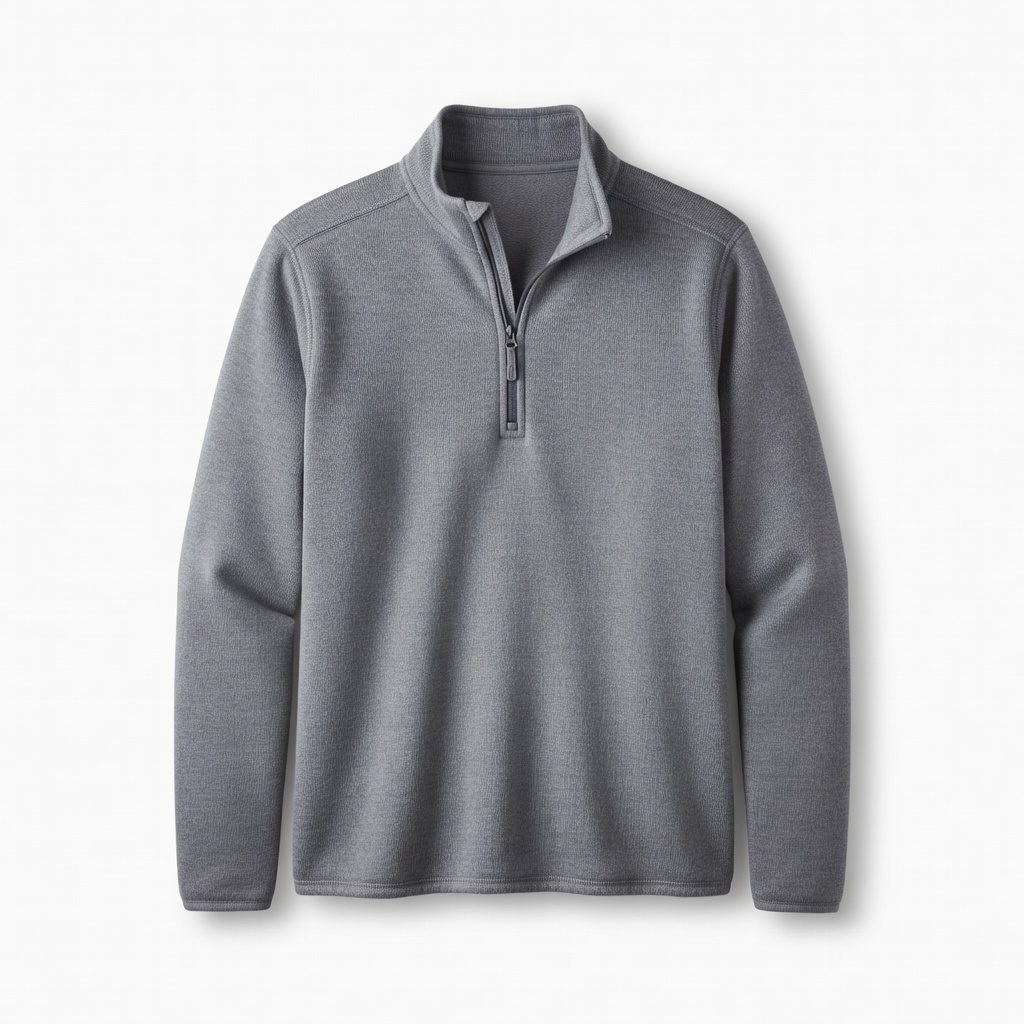
Patagonia Men's Better Sweater 1/4-Zip
Core mid-layer for hikes/runs in 40-60°F wet weather.
$139
Patagonia Men's Better Sweater 1/4-Zip Midweight fleece with DWR finish excels in layering, breathable for rain exertion.
Get the App
Better experience on mobile
Master rainy-day layering with active sweatshirts to stay dry, warm, and mobile during hikes, runs, or outdoor workouts in 10 minutes.
Rainy weather doesn't have to ruin your active lifestyle. Many outdoor enthusiasts struggle with feeling clammy, overheated, or soaked when layering for wet conditions. Active sweatshirts—breathable, moisture-wicking fleece or synthetic options—bridge the gap between base layers and shells perfectly.
In this guide, you'll learn a foolproof 8-step system to layer active sweatshirts effectively, ensuring ventilation, warmth, and waterproofing. Whether you're trail running or commuting, this method keeps you comfortable without bulk. It's intermediate-level, assuming basic knowledge of base layers, and takes just 10-15 minutes to assemble and test.
Expectations: Quick setup at home or pre-activity, with real-world testing tips for all-day performance in drizzle to downpours.
Estimated Time: 10-15 minutes to assemble and test Difficulty: intermediate
Start with a moisture-wicking base layer directly against your skin. Opt for merino wool or synthetic fabrics like polyester that pull sweat away from your body.
Why it matters: In rain, your base prevents sweat buildup, which active sweatshirts amplify by wicking it outward. Expect a snug, non-restrictive fit that covers torso, arms, and neck.
Layer it on first—smooth out wrinkles for even moisture transfer.
💡 Tips:
⚠️ Warnings:
Pick a midweight active sweatshirt with fleece, grid fleece, or synthetic insulation. Look for quarter-zip or full-zip for ventilation, and DWR (durable water repellent) treatment.
Why: These provide warmth without overheating, trapping a micro-climate of warm air. Success: It zips smoothly over your base, with room for movement.
Pull it on next, zipping halfway for now.
💡 Tips:
If temps are below 50°F (10°C), layer a light synthetic puffy vest or jacket over the sweatshirt.
Why it matters: Boosts warmth without sacrificing breathability; remove if you overheat. Expect added loft that compresses minimally.
Slide it on—ensure pit zips align if available.
💡 Tips:
⚠️ Warnings:
Don a hardshell rain jacket with Gore-Tex or equivalent membrane, fully taped seams, and adjustable hood/hem.
Why: Blocks wind/rain while allowing sweatshirt vapor to escape. Success: Snaps/velcros seal over sweatshirt without binding.
Zip it fully and cinch adjustments.
💡 Tips:
Pair with water-resistant softshell pants or tights over moisture-wicking underwear.
Why: Balances upper-body layering; prevents chafing. Expect full mobility for squats or strides.
Pull on and adjust waist.
💡 Tips:
Do arm circles, squats, and high knees. Check for bunching or restriction.
Why: Ensures no hotspots in rain-induced movement. Success: Layers slide smoothly, no riding up.
Adjust zippers/hem draws.
⚠️ Warnings:
Practice opening zips/pits during mock exertion (jog in place).
Why: Regulates temp in variable rain. Expect dry inside after 5 mins moderate effort.
Note your 'sweet spot' settings.
💡 Tips:
Stuff extras in a waterproof pack; test in light rain if possible.
Why: Preps for changes. Success: Ready for 2-4 hours activity.
Head out!
Problem: Overheating mid-activity
Solution: Open pit zips and quarter-zip fully; strip mid-layer if packed.
Problem: Chafing at waist/arms
Solution: Tuck sweatshirt into pants; use anti-chafe balm.
Problem: Shell wets out
Solution: Apply DWR spray; dry fully between uses.
Problem: Too bulky for movement
Solution: Downsize to fitted active cuts; skip insulation.
Midweight fleece with DWR finish excels in layering, breathable for rain exertion.
Best for: Core mid-layer for hikes/runs in 40-60°F wet weather.
Price Range: $139
Lightweight, quick-dry fleece with stretch for mobility under shells.
Best for: Versatile for milder rain or high-output activities.
Price Range: $70-$80
Gore-Tex shell with helmet-compatible hood fits perfectly over sweatshirts.
Best for: Outer layer for heavy rain; packs small.
Price Range: $400-$500
Merino base wicks sweat to pair seamlessly with active fleece.
Best for: Foundation for odor-resistant multi-hour rain sessions.
Price Range: $90-$110
Synthetic insulation adds warmth without bulk for variable rain temps.
Best for: Optional mid-boost on cooler days.
Price Range: $25-$35
Core mid-layer for hikes/runs in 40-60°F wet weather.
Patagonia Men's Better Sweater 1/4-Zip Midweight fleece with DWR finish excels in layering, breathable for rain exertion.
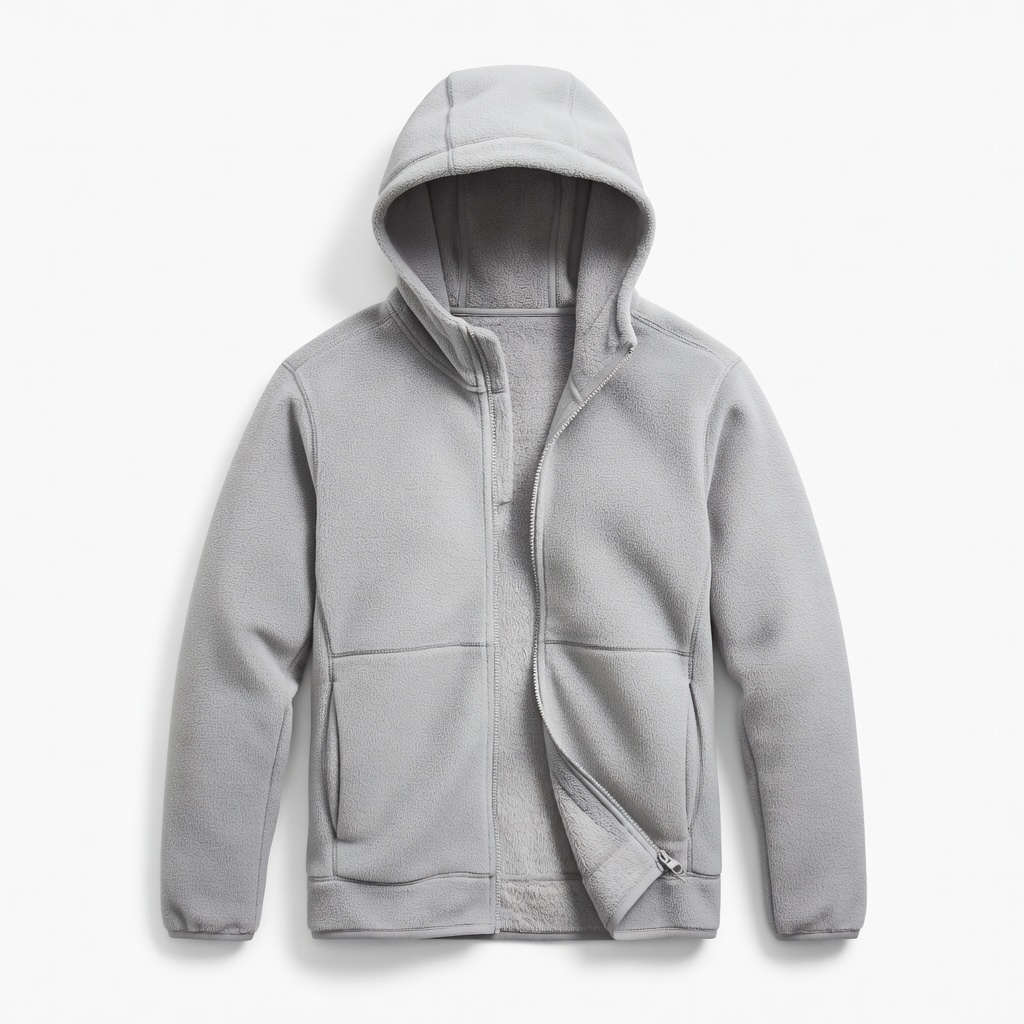
Versatile for milder rain or high-output activities.
The North Face Men's 100 Glacier Fleece Full Zip Hoodie Lightweight, quick-dry fleece with stretch for mobility under shells.
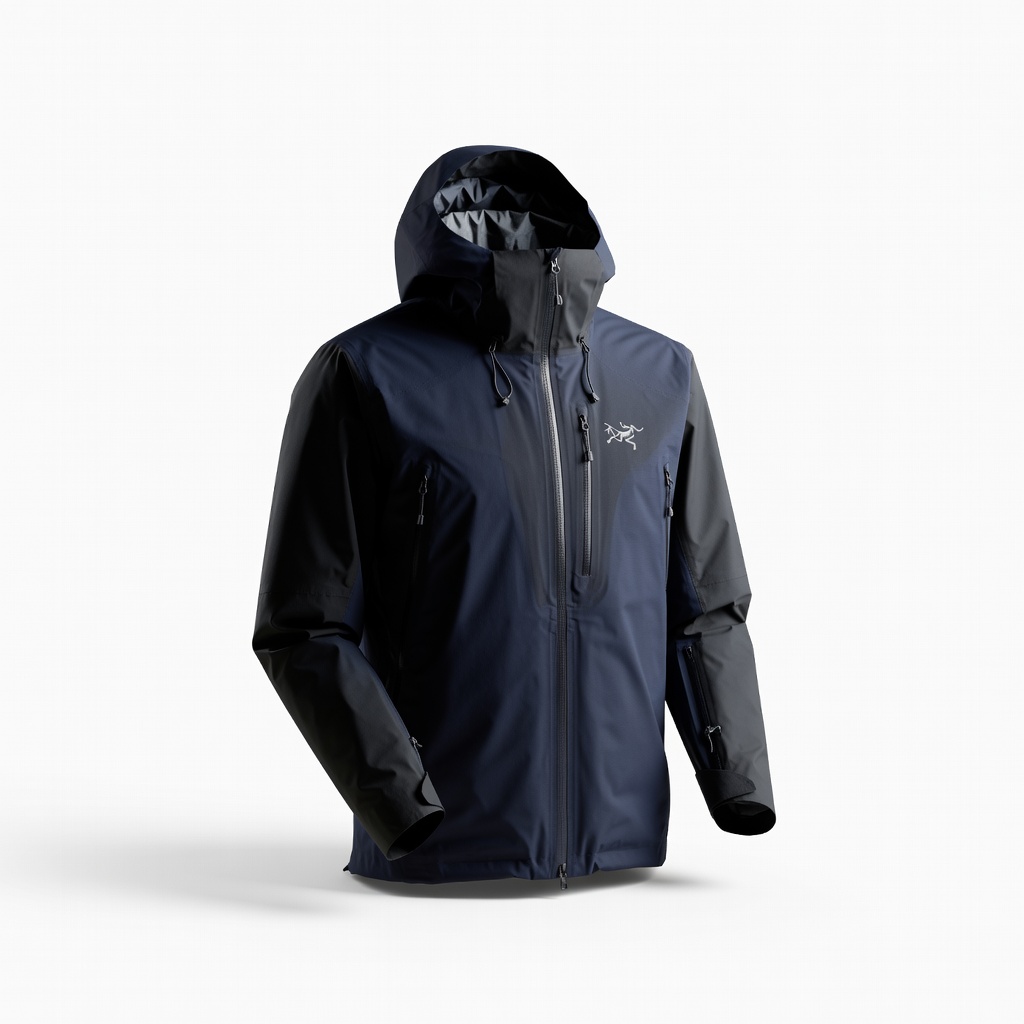
Outer layer for heavy rain; packs small.
Arc'teryx Beta LT Jacket Gore-Tex shell with helmet-compatible hood fits perfectly over sweatshirts.
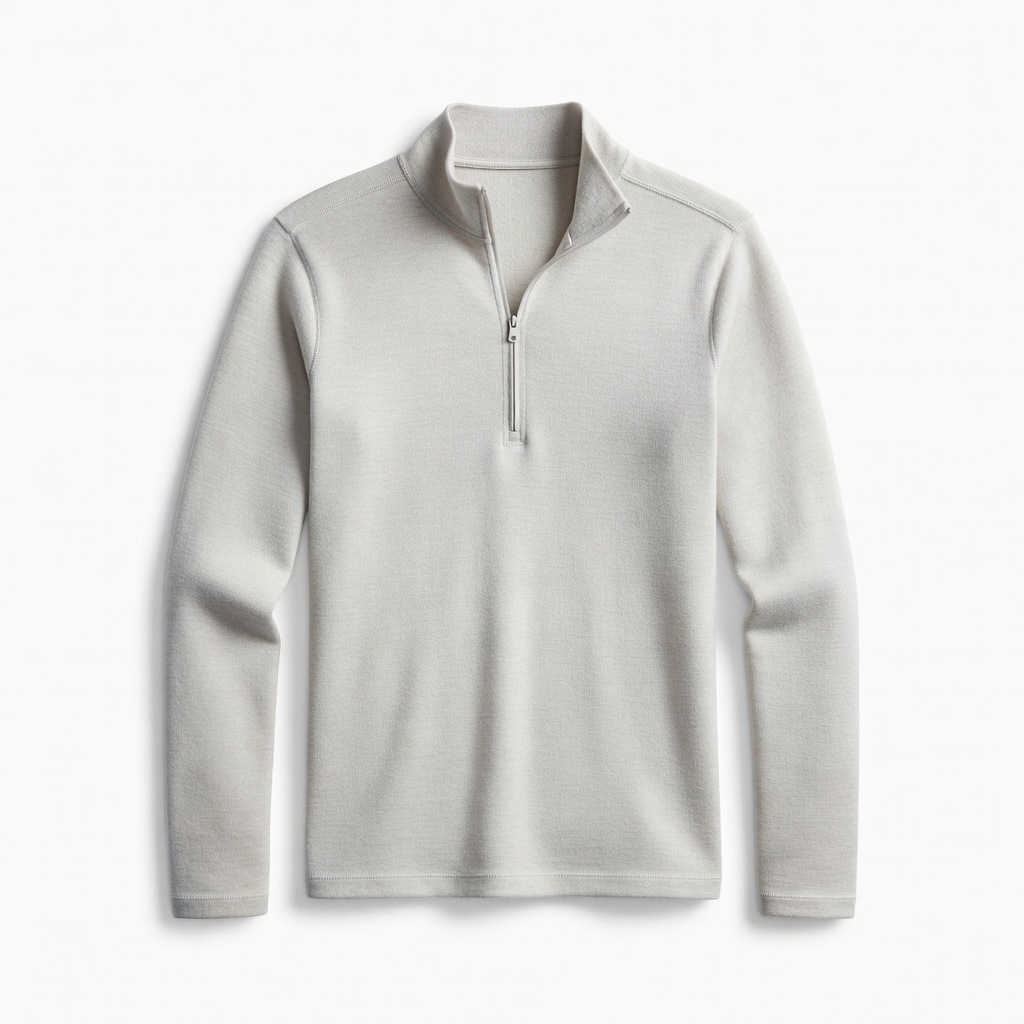
Foundation for odor-resistant multi-hour rain sessions.
Icebreaker Men's 200 Oasis Long Sleeve Half Zip Merino base wicks sweat to pair seamlessly with active fleece.
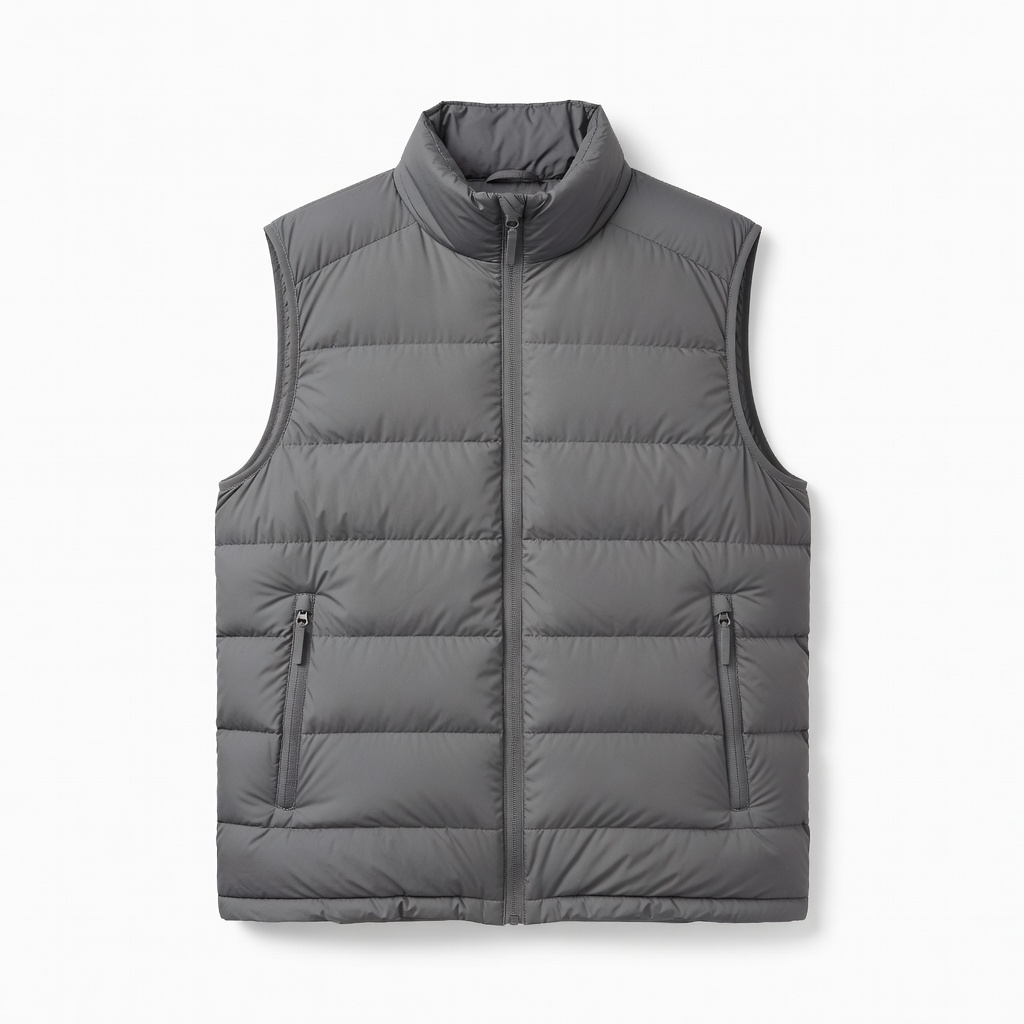
Optional mid-boost on cooler days.
TUMAZ Men's Lightweight Packable Puffer Vest Synthetic insulation adds warmth without bulk for variable rain temps.