Ever watched a child (or yourself) stare blankly at an action figure playset, unsure where to start? Playsets like Batcaves or spaceship hangars are packed with potential, but without a storytelling framework, they gather dust. This guide solves that by teaching you how to craft engaging narratives that boost creativity, language skills, and fun—perfect for parents, educators, or collectors.
You'll learn a beginner-friendly, step-by-step process to go from setup to epic conclusion. Whether solo or with kids, expect endless replayability. No prior experience needed; sessions take 30-45 minutes.
By the end, you'll have a complete story acted out, confidence to improvise, and tips to level up future play.
▸What You'll Need
- •Action figure playset (e.g., Batcave, spaceship, or city HQ—required)
- •4-6 compatible action figures (required)
- •Optional props: small toys, fabric scraps for scenery, or toy weapons
- •Open play space (table or floor)
- •Timer or notebook for story notes (optional)
Estimated Time: 30-45 minutes per storytelling session
Difficulty: beginner
▸Step-by-Step Instructions
Step 1: Gather and Inspect Your Playset
Start by collecting your action figure playset and figures. Lay everything out on a flat surface. Check for all pieces: platforms, vehicles, accessories like ladders or weapons.
Why it matters: A complete inventory prevents mid-story frustration. Success looks like: All parts accounted for, playset assembled loosely.
Pro tip: Sort figures by role (heroes, villains) early.
💡 Tips:
- •Photograph your setup for easy reassembly later.
⚠️ Warnings:
- •Avoid forcing pieces together—check age ratings to prevent breakage.
Step 2: Set Up the Playset Scene
Assemble the playset according to instructions or your vision. Place key structures like buildings or launch pads. Add optional scenery like blocks for hills.
This builds immersion. Expect a stable, visually exciting base. Success: Playset ready for action, figures positioned neutrally.
Take 5 minutes here to avoid rushed setups.
💡 Tips:
- •Elevate platforms with books for multi-level stories.
Step 3: Select and Introduce Characters
Choose 4-6 figures. Assign personalities: e.g., brave hero, sneaky villain, wise mentor. Name them if unnamed.
Why? Characters drive stories. Success: Each figure has a quick backstory (1 sentence). Move them into starting positions.
Voice them differently for fun.
💡 Tips:
- •Mix brands if scales match—diversity sparks ideas.
⚠️ Warnings:
- •Don't overcrowd; too many figures confuse plots.
Step 4: Brainstorm the Story Premise
Decide the core idea: 'Hero stops alien invasion.' Jot 3 key events: beginning, middle, end.
Keeps stories focused. Expect 2-3 minutes of ideation. Success: Simple plot outline on paper or in mind.
Use playset features as prompts (e.g., jail = capture scene).
💡 Tips:
- •Ask 'What if?' for twists, like 'What if the hero is tricked?'
Step 5: Act Out the Opening Scene
Narrate and move figures: Introduce setting and conflict. Use voices, sound effects.
Builds excitement. Success: 5-minute scene with characters interacting.
Record audio on phone for replays.
💡 Tips:
- •Slow movements heighten drama.
Step 6: Build Rising Action and Twists
Escalate: Chases, battles using vehicles/props. Add a surprise (betrayal?).
Creates tension. Expect 10 minutes of dynamic play. Success: Figures in high-stakes positions.
⚠️ Warnings:
- •Watch for rough handling—gentle pushes prevent damage.
Step 7: Stage the Climax and Resolution
Peak conflict: Big battle or decision. Resolve: Victory, lesson learned.
Delivers payoff. Success: Emotional wrap-up in 5 minutes.
💡 Tips:
- •End positively to encourage replays.
Step 8: Reflect and Pack Away
Discuss: What worked? Store neatly.
Reinforces learning. Success: Organized gear, ideas for next story.
▸Pro Tips
- •Use household items as props (e.g., string for webs).
- •Incorporate music or apps for sound effects.
- •Rotate roles each session for fresh perspectives.
- •Time scenes to maintain pace.
- •Encourage group input for collaborative stories.
- •Scale stories to age: Simple for toddlers, complex for tweens.
- •Photograph key moments for a 'storybook' album.
▸Common Mistakes to Avoid
- •Skipping planning—leads to aimless play; avoid by outlining first.
- •Overloading with figures—dilutes focus; limit to 6 max.
- •Ignoring playset features—wastes potential; always use built-ins.
- •Rough play—breaks toys; teach gentle handling.
- •No resolution—stories feel incomplete; always end strong.
▸Troubleshooting
Problem: Running out of story ideas
Solution: Use random generators online or draw prompt cards with scenarios.
Problem: Figures don't fit playset
Solution: Choose scale-matched sets or use risers; check product specs.
Problem: Kids lose interest mid-story
Solution: Shorten sessions or add sensory elements like lights/sounds.
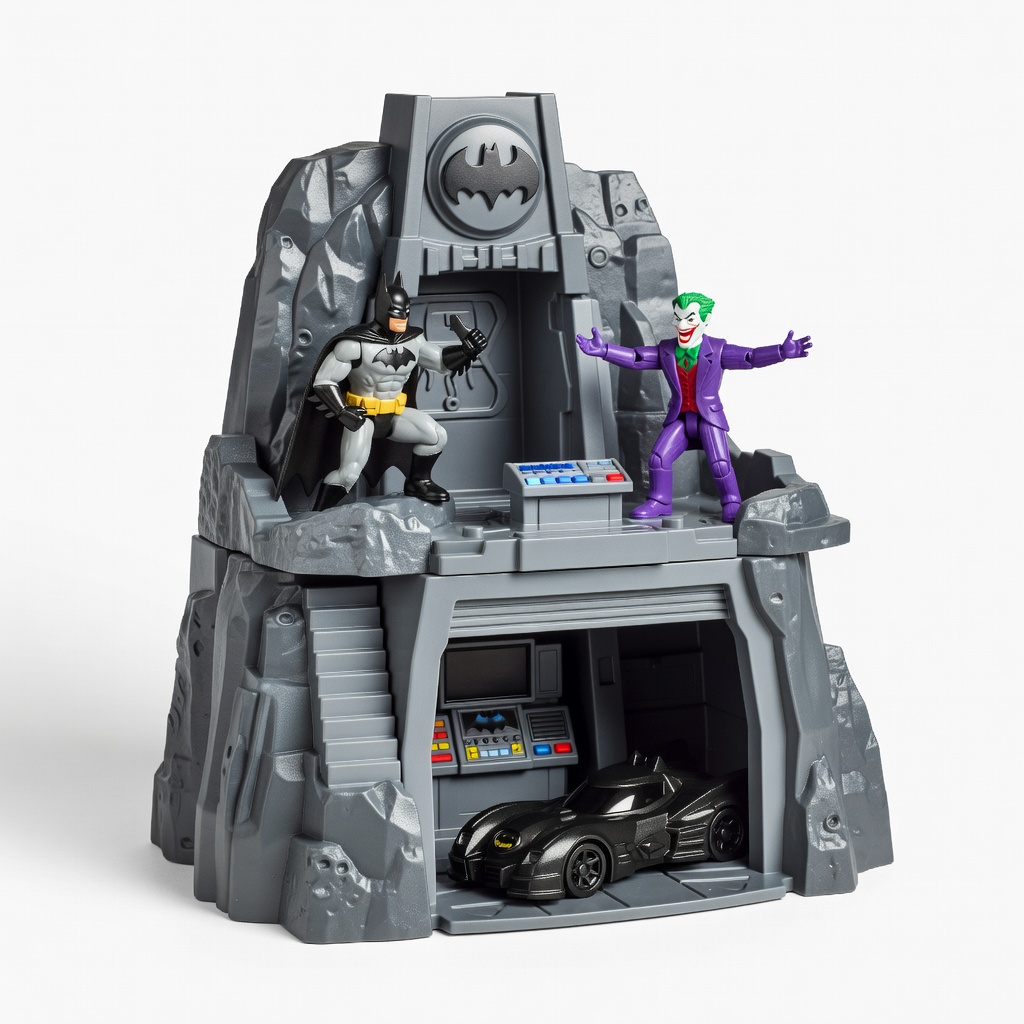
Fisher-Price Imaginext DC Super Friends Batcave Playset
Iconic, feature-packed for superhero stories with lights, jail, and vehicle launcher.
Best for: Perfect for Batman vs. villains tales; durable for beginners.
Price Range: $40-$50
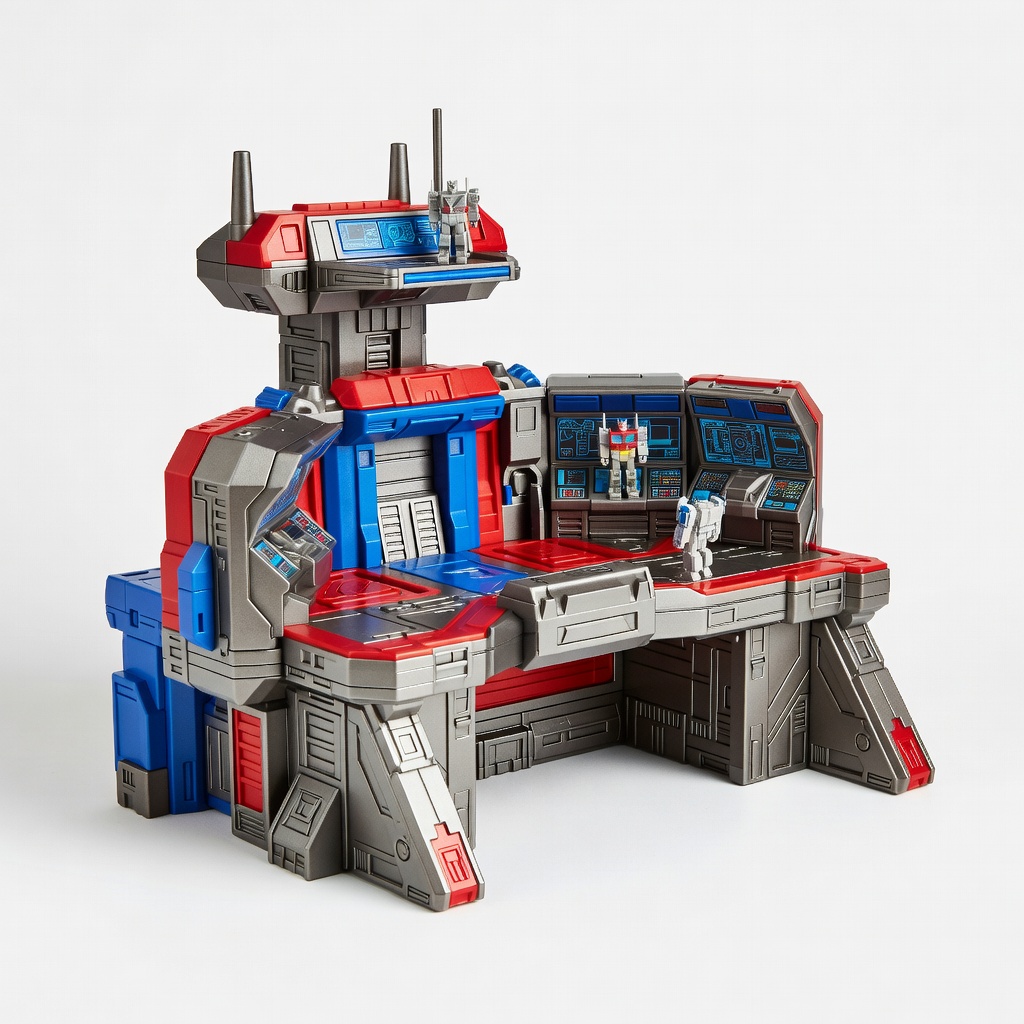
Transformers Generations Earthrise Command Bridge Playset
Modular design sparks sci-fi invasions; compatible with many figures.
Best for: Robot battles and space ops; expandable.
Price Range: $25-$35
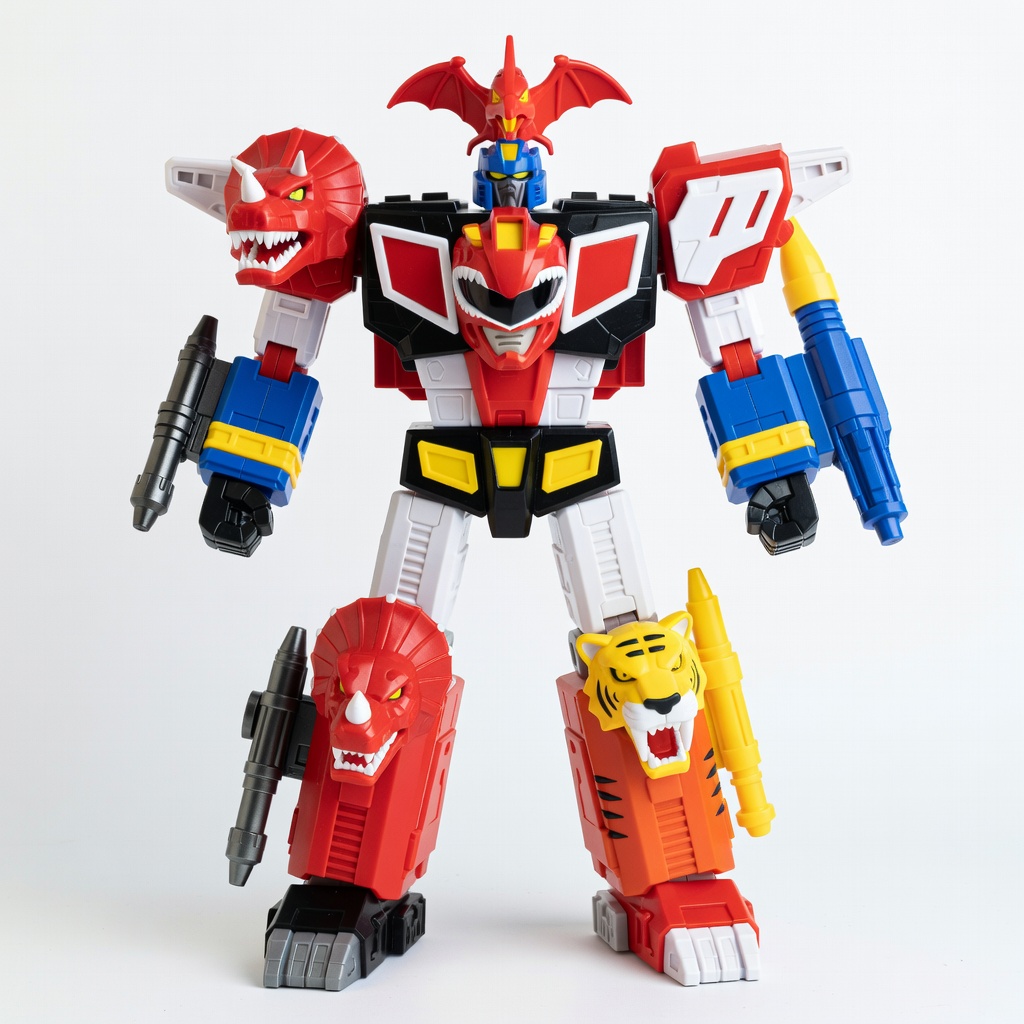
Power Rangers Mighty Morphin Megazord Playset
Dynamic transformation for epic team-ups; encourages sequential storytelling.
Best for: Monster fights; great for group play.
Price Range: $50-$70
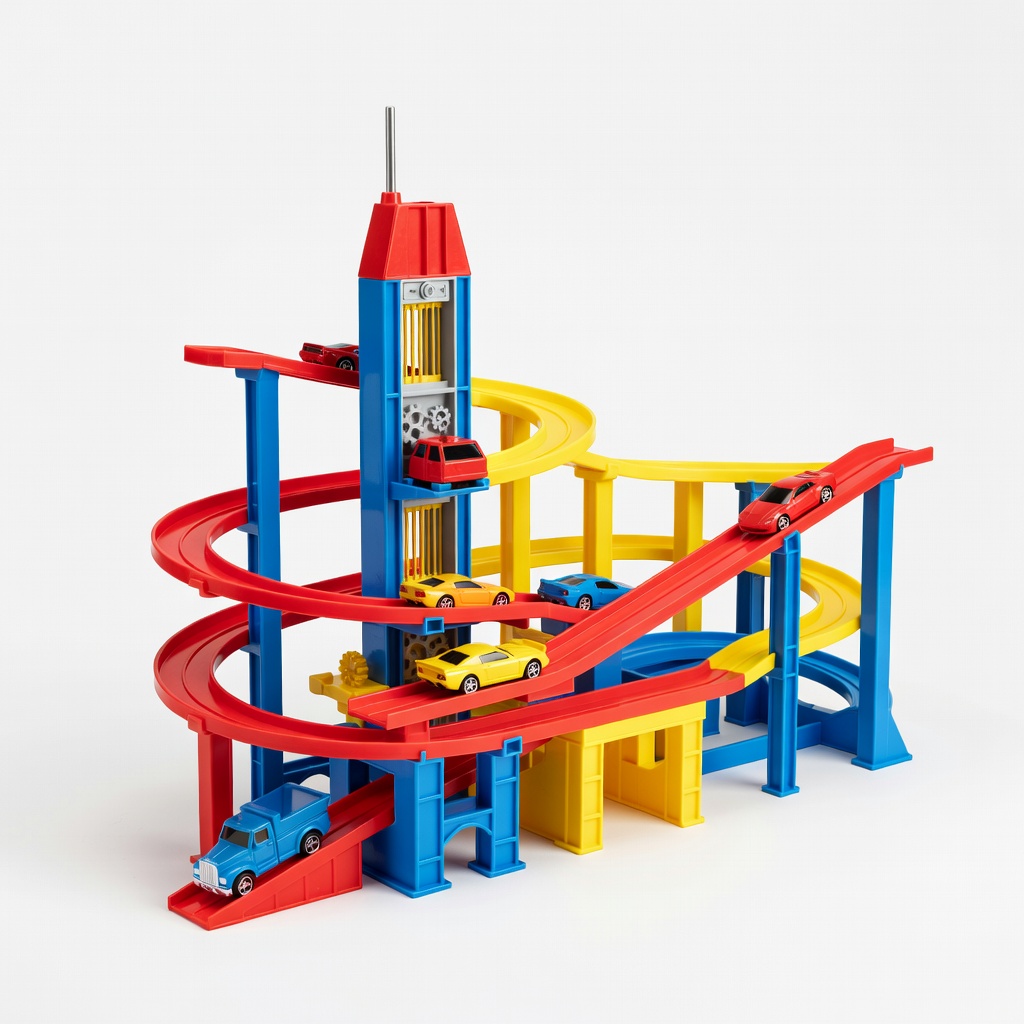
Hot Wheels City Ultimate Garage Playset
Vertical design for chase stories; affordable entry to vehicle playsets.
Best for: Racing adventures with action figures as drivers.
Price Range: $90-$120
Marvel Legends Retro Spider-Man Web-Shooter Playset
Compact, nostalgic for web-slinging heroics.
Best for: Solo or duo stories; budget-friendly.
Price Range: $20-$30