
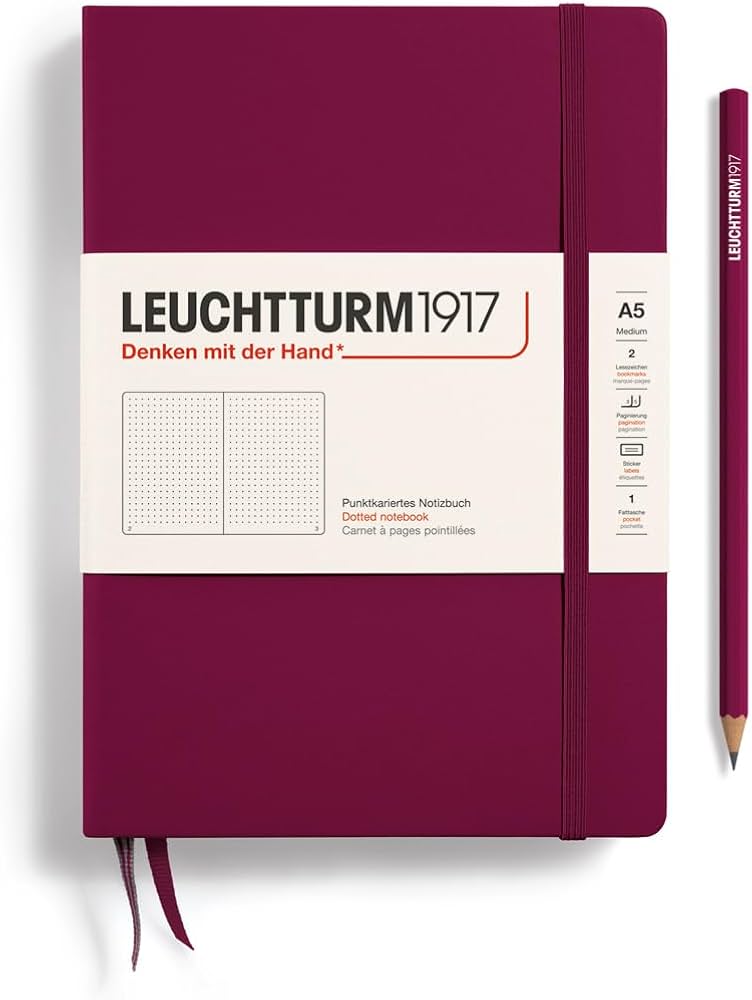
Leuchtturm1917 Medium A5 Dotted Notebook
Core journal for all financial layouts; durable for daily carry.
$20-$25
Leuchtturm1917 Medium A5 Dotted Notebook Premium dotted paper perfect for custom BuJo spreads, numbered pages, and index included.
Get the App
Better experience on mobile
Master your money with bullet journaling using account books and journals—track expenses, budgets, and goals effortlessly as a beginner.
Struggling to keep track of your finances amid rising costs and busy life? Bullet journaling (BuJo) offers a customizable, analog system to visualize your money flow, reduce stress, and build better habits. Unlike rigid apps, it adapts to your life for mindful tracking.
In this guide, you'll learn to set up an account book or journal for bullet journaling your finances, from initial spreads to daily logging. Expect clear steps to create budget trackers, expense logs, and review pages. Perfect for beginners—no prior experience needed.
Total setup takes 30-45 minutes, with ongoing use just 5-10 minutes daily. By the end, you'll have a personal finance dashboard boosting your control and savings.
Estimated Time: 30-45 minutes for setup; 5-10 minutes daily Difficulty: beginner
Start by selecting a high-quality dotted or grid notebook designed for bullet journaling. Dotted pages offer flexibility for custom layouts without lines restricting you. Account books with ledgers work well for finances due to pre-formatted columns.
Why it matters: The right journal prevents frustration from bleeding ink or low-quality paper. Look for acid-free paper (80-100gsm) to handle pens without ghosting.
Success looks like: A notebook with numbered pages, an index, and future log space ready for customization.
💡 Tips:
⚠️ Warnings:
Collect your pens, ruler, and optional decor items. Test pens on scrap paper to ensure they don't bleed through your journal pages.
This step sets a smooth workflow—quality tools make logging enjoyable and precise.
Expect: Organized workspace with tools at hand, ready for setup.
💡 Tips:
On the first 2-4 pages, create your index. Draw two columns: 'Page' and 'Topic' (e.g., Budget Jan p.10). Leave space to fill as you add spreads.
The index is your table of contents, making navigation quick for monthly reviews.
Success: Blank index table with headers, spanning 2 pages.
💡 Tips:
⚠️ Warnings:
Use 2-4 pages post-index for a 6-12 month future log. Divide into months, listing key dates like bill due dates, paydays, or savings goals.
This overview prevents missed payments and aligns long-term goals.
Expect: Grid with months across top, events listed below.
💡 Tips:
Allocate 2 pages per month. One side: Income vs. Expenses pie chart or table (categories like rent, groceries). Other: Savings goals and debt payoff tracker.
Visual budgets reveal spending patterns instantly.
Success: Balanced layout with totals calculated.
💡 Tips:
For each week, use 1 page: Days across top, categories down side. Log daily spends with symbols (e.g., • expense, - transfer).
Tracks habits in real-time, catching overspend early.
Expect: Migratable tasks from monthly to weekly.
💡 Tips:
Daily: Add timestamped entries under date. Categorize (e.g., Food $12 ☼). Migrate unfinished tasks forward.
Builds consistency and awareness.
Success: End-of-day page with balanced bullets.
💡 Tips:
End of month: Tally totals, compare budget vs. actual. Note wins/challenges, adjust next month.
Reflection drives improvement.
Expect: Updated index, new monthly spread.
💡 Tips:
⚠️ Warnings:
Problem: Running out of space mid-month
Solution: Use smaller writing or migrate to new pages; plan 2-4 pages per month ahead.
Problem: Ink bleeding through pages
Solution: Switch to fountain-pen friendly paper like 100gsm dotted journals.
Problem: Forgetting to log expenses
Solution: Carry journal or use a phone note to jot then transfer nightly.
Problem: Overwhelmed by setup
Solution: Follow printable templates online; trace first spread.
Premium dotted paper perfect for custom BuJo spreads, numbered pages, and index included.
Best for: Core journal for all financial layouts; durable for daily carry.
Price Range: $20-$25
Archival, waterproof ink won't bleed or fade; fine tips for precise budgeting tables.
Best for: Daily logging and detailed trackers.
Price Range: $12-$15
Pre-ruled columns ideal for expense ledgers if you prefer structured over freeform BuJo.
Best for: Hybrid approach: use for tallies, BuJo for trackers.
Price Range: $8-$12
Brush and fine tip for headers/color-coding; blendable for charts.
Best for: Enhancing monthly budgets visually.
Price Range: $15-$20
Thick 160gsm paper handles heavy inking; vegan leather cover for style.
Best for: Upgrade for long-term finance journaling.
Price Range: $25-$35
Core journal for all financial layouts; durable for daily carry.
Leuchtturm1917 Medium A5 Dotted Notebook Premium dotted paper perfect for custom BuJo spreads, numbered pages, and index included.
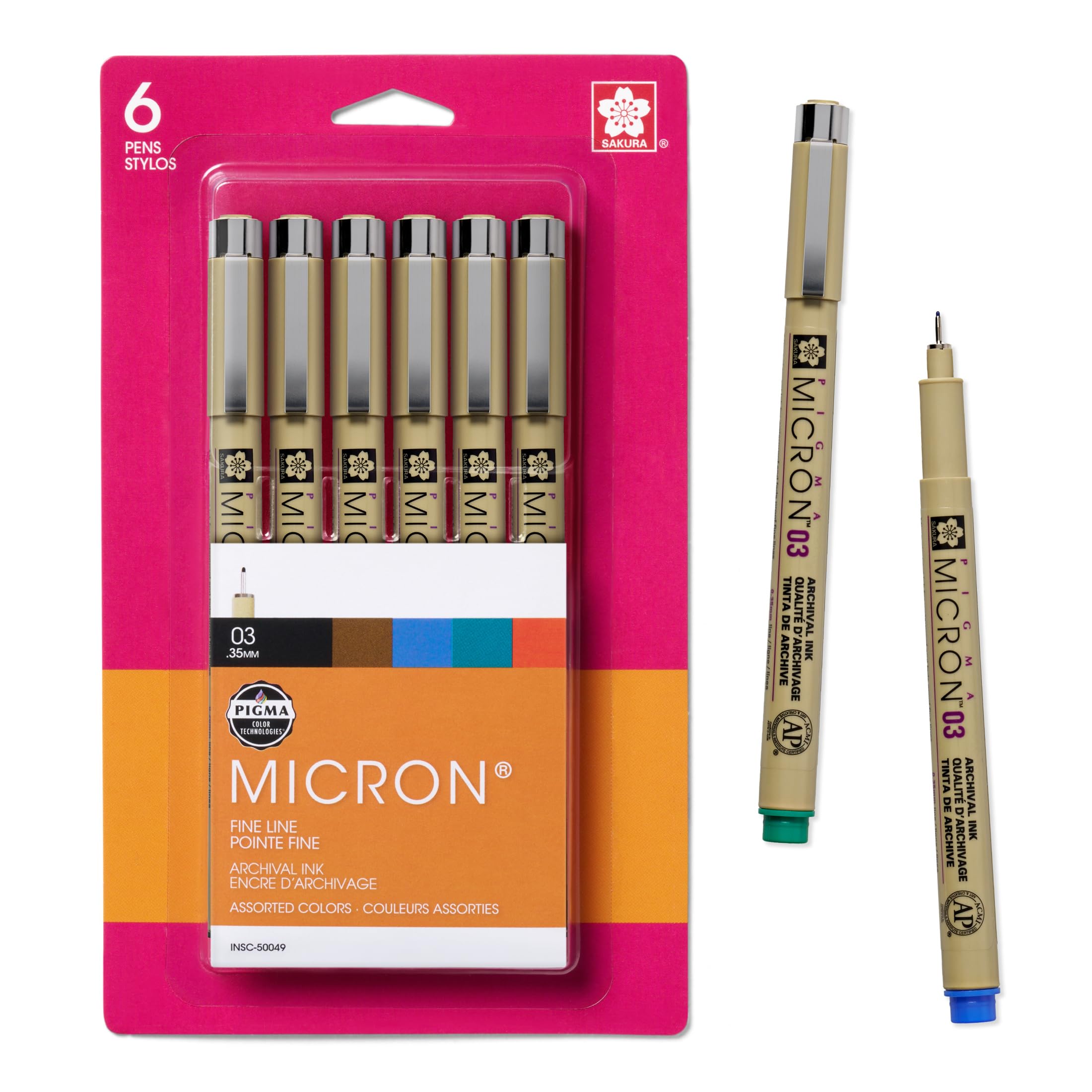
Daily logging and detailed trackers.
Sakura Pigma Micron Pen Set (03 sizes) Archival, waterproof ink won't bleed or fade; fine tips for precise budgeting tables.
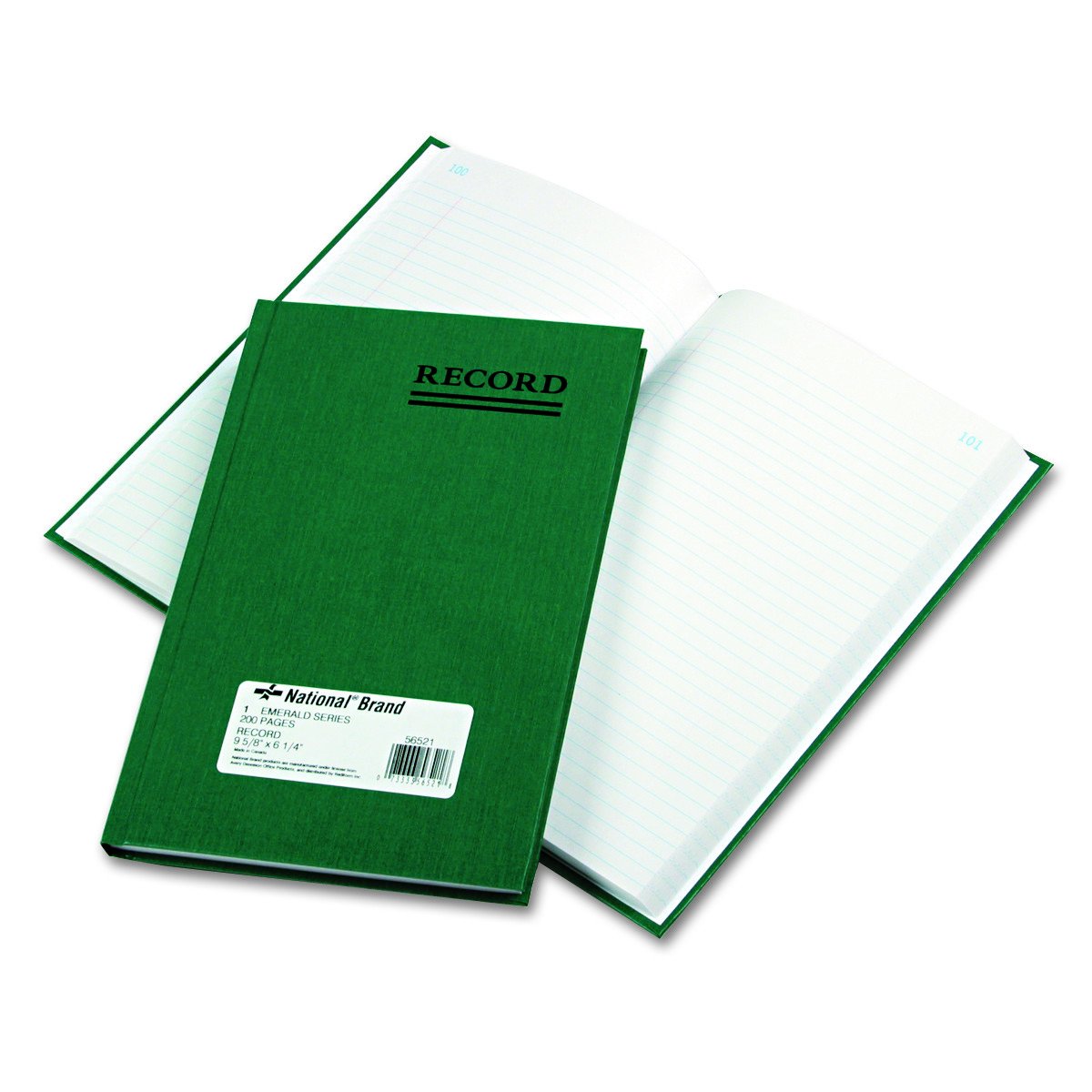
Hybrid approach: use for tallies, BuJo for trackers.
National Brand Account Ledger Book Pre-ruled columns ideal for expense ledgers if you prefer structured over freeform BuJo.
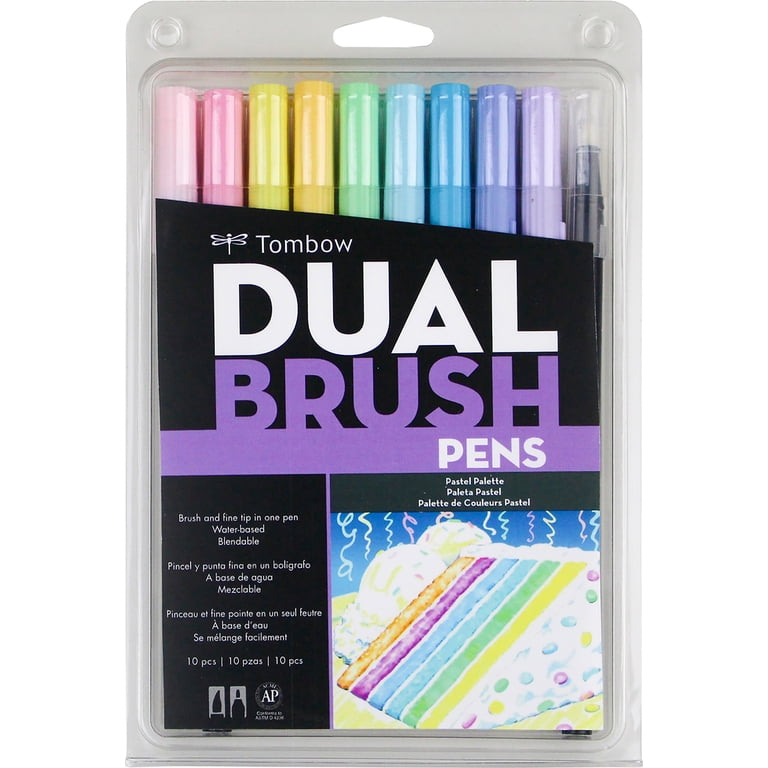
Enhancing monthly budgets visually.
Tombow Dual Brush Pen Set (pastel) Brush and fine tip for headers/color-coding; blendable for charts.
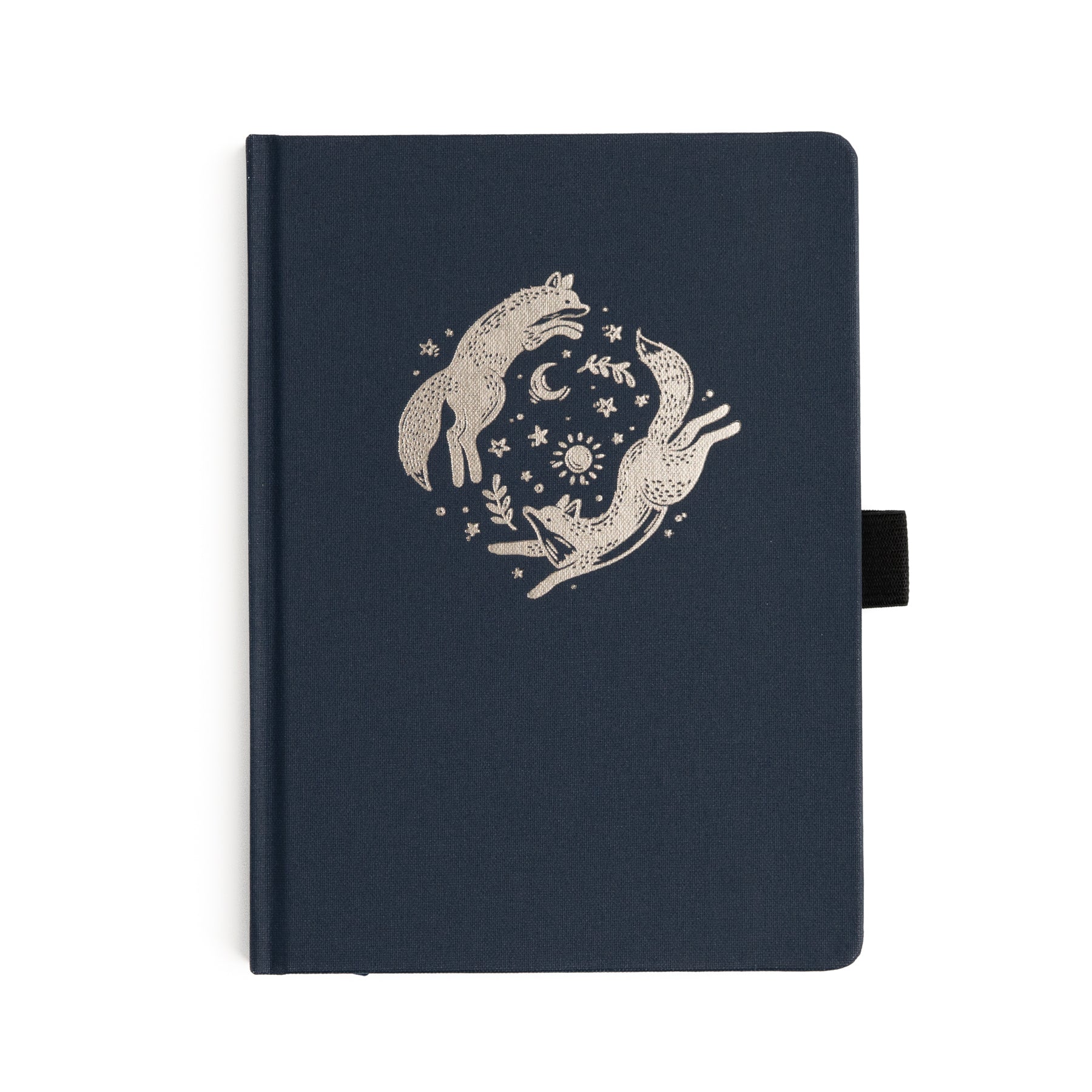
Upgrade for long-term finance journaling.
Archer & Olive Dot Grid Notebook Thick 160gsm paper handles heavy inking; vegan leather cover for style.