
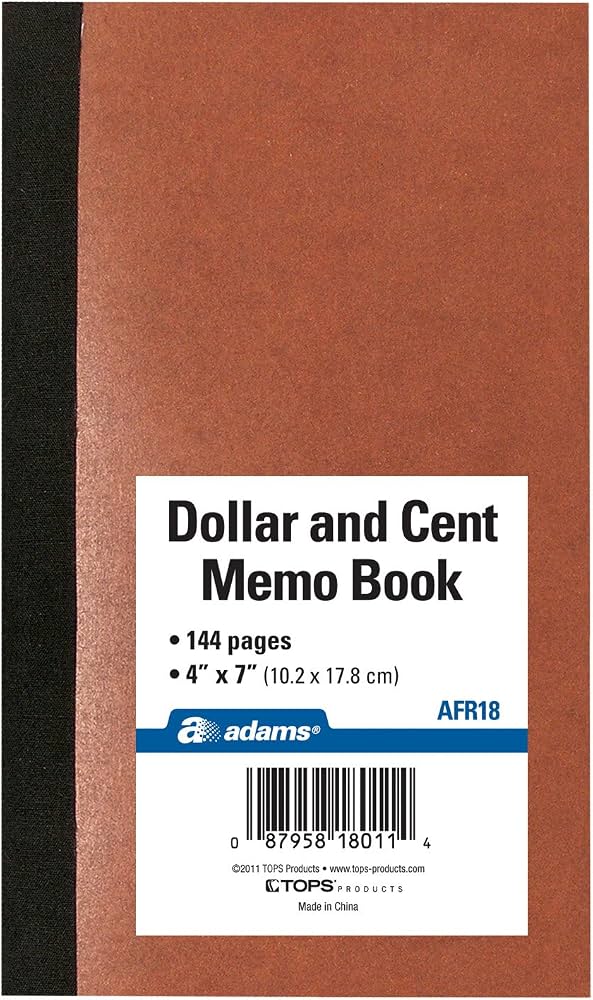
Adams Inventory Control Book, 144 Pages
Ideal for small businesses with 100-300 SKUs; columns for in/out/balance.
$11.99
Adams Inventory Control Book, 144 Pages Pre-formatted columns perfect for inventory tracking, durable cover for daily use.
Get the App
Better experience on mobile
Master inventory tracking with account books to minimize stockouts, reduce waste, and boost small business profits in simple steps.
Managing inventory is a common headache for small business owners—overstocking ties up cash, while understocking frustrates customers and kills sales. Without proper tracking, errors pile up, leading to financial losses. This guide shows you how to use traditional account books for accurate, low-tech inventory control that's reliable and cost-effective.
You'll learn a complete step-by-step process to set up, maintain, and analyze your inventory ledger. By the end, you'll have a clear system that takes just minutes daily, helping you make data-driven reorder decisions. Perfect for intermediate users familiar with basic bookkeeping.
Expect to spend 30-45 minutes on initial setup, then 5-10 minutes per day. No software required—just paper, pen, and discipline.
Estimated Time: 30-45 minutes setup + 5-10 minutes daily Difficulty: intermediate
Select an account book designed for inventory with columns for item name, quantity received, quantity issued, balance, unit cost, and total value. Pre-printed formats save time and reduce errors.
Why it matters: A good book ensures consistent tracking. Measure your space—aim for 100-200 pages for small businesses (up to 500 items).
Success: Book open with clear, ruled columns ready for headers.
💡 Tips:
⚠️ Warnings:
On the first page, label columns: Date, Item Description, Supplier/Vendor, Units Received, Unit Cost, Total Cost In, Units Issued, Total Cost Out, Running Balance (Units), Running Value.
Use a ruler for straight lines if not pre-printed. Add a 'Reorder Level' column for low-stock alerts.
What to expect: A professional-looking template that guides daily entries. Test with a sample entry.
💡 Tips:
Physically count all current stock by category (e.g., shelves A-Z). List each item with exact quantity and note any damage.
Cross-reference with receipts or supplier invoices for accuracy. Record in pencil first.
Success looks like: Complete list matching real stock—no discrepancies over 5%.
💡 Tips:
⚠️ Warnings:
Transfer counts to the book: Date (today), Item, Units (balance column), Unit Cost (from records), Total Value (units x cost).
Sum totals at page bottom. This establishes your baseline.
Expect: Book now reflects true starting inventory value.
💡 Tips:
For each delivery: Enter date, item, supplier, units received, unit cost, total cost (units x cost). Add to balance and value columns.
Why: Tracks purchases accurately for COGS (Cost of Goods Sold).
Success: Balance increases correctly; verify against invoice.
Daily: Note sales/issues—date, item, units out, total cost out (balance units x avg cost). Subtract from running balance/value.
Use FIFO (First In, First Out) for cost assignment if variable.
Expect: Balance decreases; flag if below reorder level.
💡 Tips:
End of month: Recount physical stock, compare to book balance. Note variances (shrinkage/theft).
Adjust entries if needed. Total page values and carry forward.
Success: Variances under 2%; insights into trends.
⚠️ Warnings:
Review trends: High-turnover items? Set reorder points (e.g., balance < 20% max). Calculate turnover ratio (issues / avg balance).
Use data for purchase orders.
What success looks like: Proactive ordering, no stockouts.
💡 Tips:
Problem: Book balance doesn't match physical count
Solution: Recount, check unlogged returns/theft. Adjust with 'adjustment' entry and note reason.
Problem: Running totals off
Solution: Recalculate column sums step-by-step; use calculator. Erase and redo if pencil.
Problem: Book running out of space
Solution: Summarize and start new book; archive old ones securely.
Problem: Errors from erasures
Solution: Switch to correction tape; log corrections separately.
Pre-formatted columns perfect for inventory tracking, durable cover for daily use.
Best for: Ideal for small businesses with 100-300 SKUs; columns for in/out/balance.
Price Range: $11.99
Customizable pages with ample space, acid-free paper prevents fading.
Best for: For growing businesses needing detailed notes or multiple vendors.
Price Range: $14.99
Smooth, archival ink won't smudge or fade, essential for legible permanent entries.
Best for: Daily logging without bleed-through on thin ledger paper.
Price Range: $9.99
Compact, reliable for quick totals and percentages without errors.
Best for: Calculating running values and reorder points on the fly.
Price Range: $10.99
Classic design with proven columns for receipts/issues, long-lasting.
Best for: Budget option for startups tracking basic stock movements.
Price Range: $14.49
Ideal for small businesses with 100-300 SKUs; columns for in/out/balance.
Adams Inventory Control Book, 144 Pages Pre-formatted columns perfect for inventory tracking, durable cover for daily use.
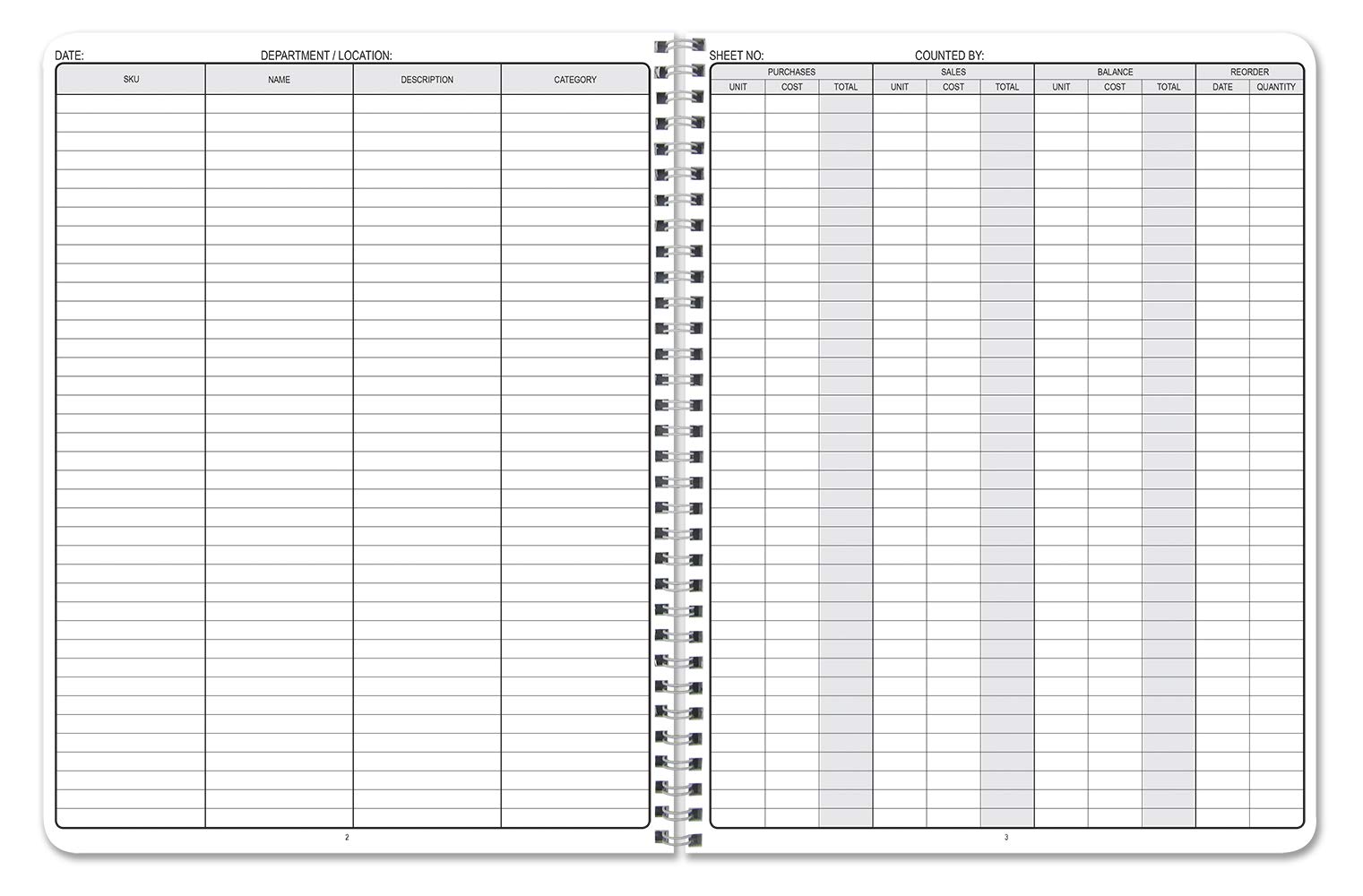
For growing businesses needing detailed notes or multiple vendors.
BookFactory Inventory Log Book / Stock Control Logbook Customizable pages with ample space, acid-free paper prevents fading.
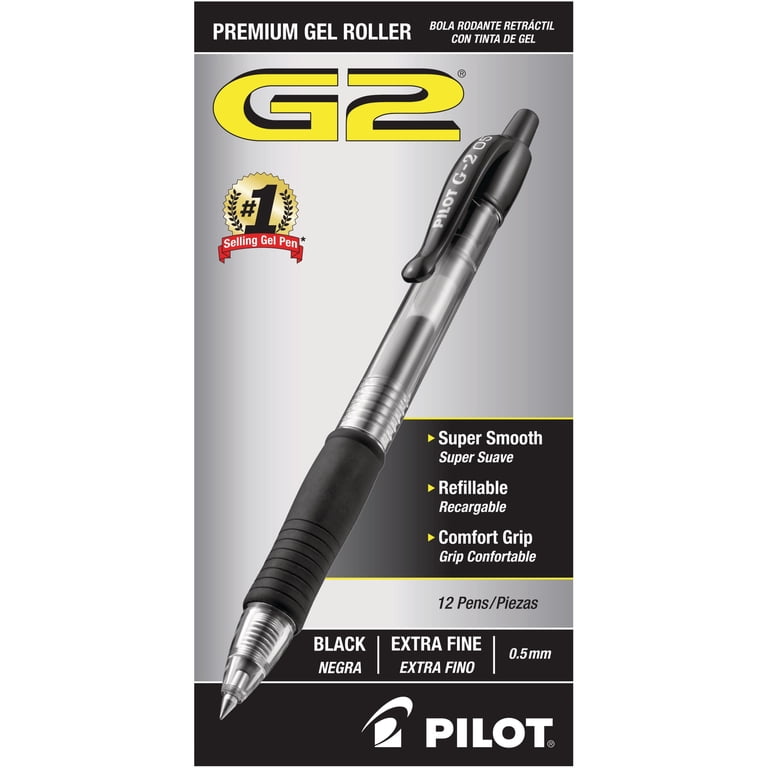
Daily logging without bleed-through on thin ledger paper.
Pilot G2 Premium Retractable Gel Pens, 12-Pack Smooth, archival ink won't smudge or fade, essential for legible permanent entries.
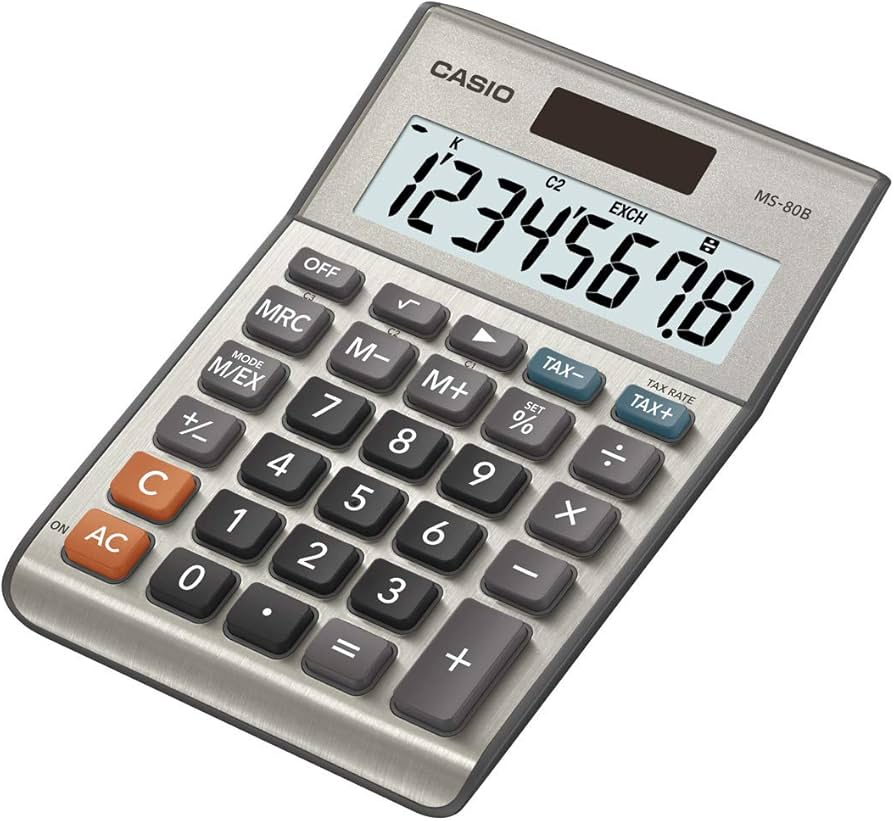
Calculating running values and reorder points on the fly.
Casio MS-80B Standard Function Calculator Compact, reliable for quick totals and percentages without errors.
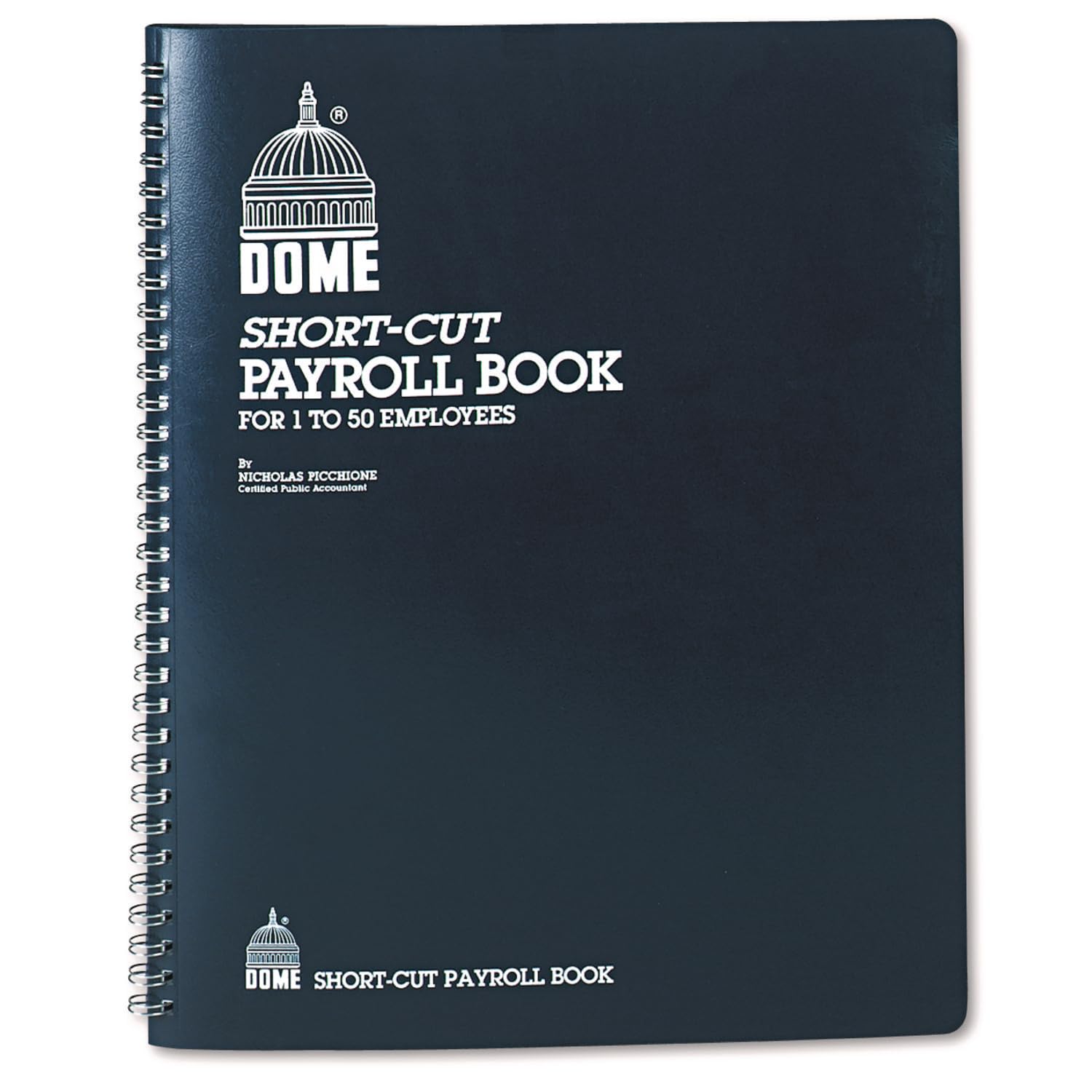
Budget option for startups tracking basic stock movements.
Dome Inventory Control Book, Blue Cover Classic design with proven columns for receipts/issues, long-lasting.