
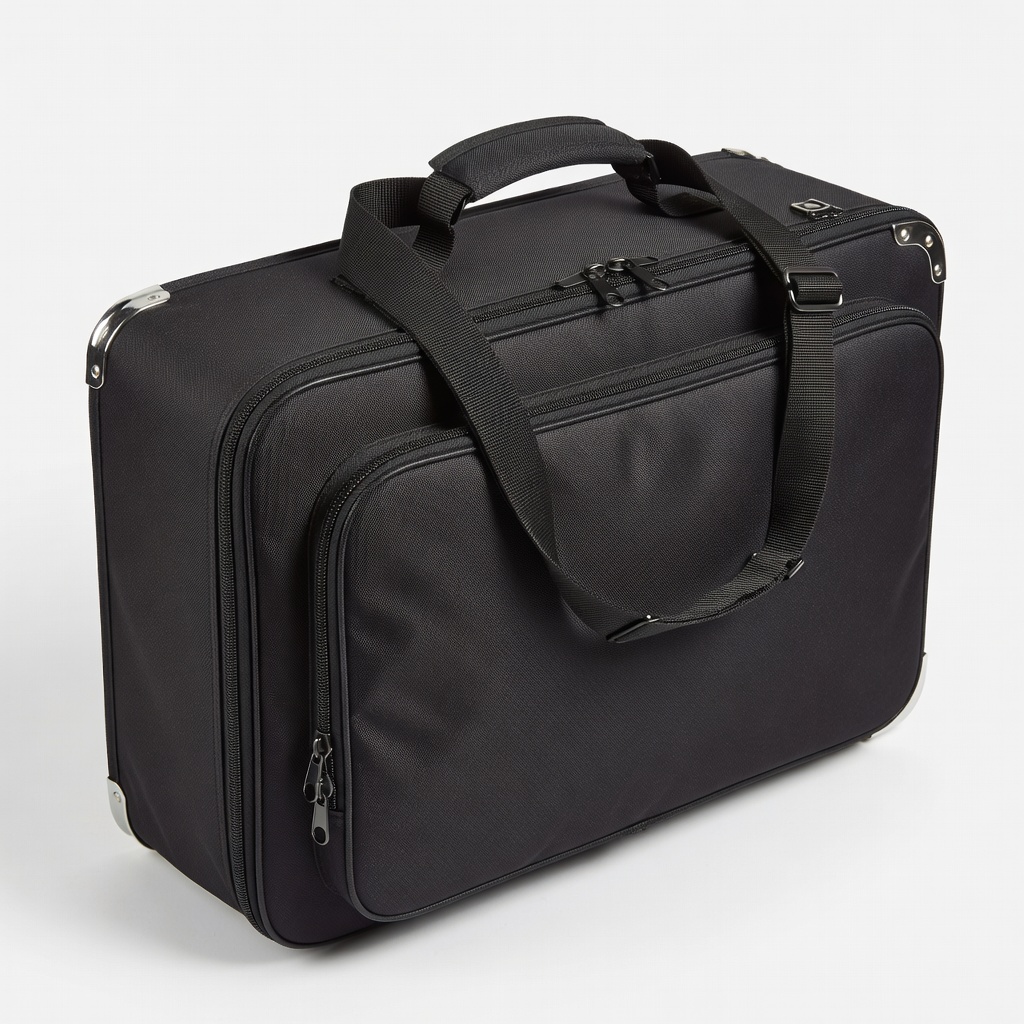
ProTec PB-308DC Deluxe Accordion Case
Ideal for frequent flyers needing airline durability.
$250-$300
ProTec PB-308DC Deluxe Accordion Case Custom foam cutouts and rugged ATA construction provide superior shock protection for 120-bass models.
Get the App
Better experience on mobile
Protect your accordion from travel damage with this beginner-friendly guide to packing, securing, and transporting it safely in a dedicated case.
Traveling with an accordion can be nerve-wracking—bumps, drops, and rough handling by airlines or buses risk damaging its delicate bellows, keys, and frame. Without proper protection, a single mishap could sideline your instrument for weeks. This guide shows you how to use accordion cases effectively to keep your accordion safe and sound.
You'll learn a simple, step-by-step process to pack, secure, and transport your accordion, even as a beginner. No special skills required—just follow along. Expect to spend 15-30 minutes packing, with tips for air, car, or bus travel.
By the end, your accordion will be snugly protected, ready for any journey, minimizing stress and repair costs.
Estimated Time: 15-30 minutes Difficulty: beginner
Before packing, ensure your case fits your accordion model perfectly—measure your instrument's dimensions (height, width, depth) and match them to the case specs. Hard-shell cases with custom foam interiors offer the best protection for air travel; gig bags work for car trips.
Why it matters: A ill-fitting case allows movement, leading to internal damage. Success looks like your accordion nestling snugly without force.
Lay the case flat on a clean surface.
💡 Tips:
⚠️ Warnings:
Gently wipe the keys, bellows, and body with a microfiber cloth to remove dust and fingerprints. Inspect for loose parts or damage—tighten screws if needed.
This prevents dirt transfer during travel and catches issues early. Expect a spotless, ready-to-pack instrument.
Pro tip: Use compressed air for crevices, but avoid liquids.
💡 Tips:
⚠️ Warnings:
Unlatch all locks and hinges, opening the case to at least 90-120 degrees. Remove any accessory compartments or foam blocks if present.
Full access prevents awkward handling. Success: Case lies flat like a book, interior foam visible and undamaged.
💡 Tips:
Place the accordion bass-side down into the custom foam recess, aligning bellows, keyboard, and bass with cutouts. Gently press to seat it without compressing.
Proper alignment absorbs shocks. Expect no gaps larger than 1/4 inch.
💡 Tips:
⚠️ Warnings:
Fold bellows accordion-style if needed, then strap or buckle them closed using case straps. Add soft padding between folds.
Bellows are prone to creasing; securing prevents this. Success: Bellows flat and immobile when shaken gently.
💡 Tips:
Cover keyboards and bass buttons with foam sheets or cloth. Use case clips or Velcro to hold.
These areas dent easily. Expect full coverage without restricting access.
⚠️ Warnings:
Fill voids with bubble wrap (non-abrasive side up). Store music, tuner in side pockets.
Eliminates rattle. Success: No movement when tilted.
💡 Tips:
Close lid firmly, latch all closures, and add padlocks. Attach 'Fragile' labels and contact info.
Secures everything. Success: Case airtight, labeled clearly.
💡 Tips:
⚠️ Warnings:
Lift and shake gently—no rattles. Roll if wheeled.
Confirms security. Ready for transport!
Problem: Case won't close properly
Solution: Remove excess padding or reposition accordion; check for foam damage.
Problem: Rattling during test shake
Solution: Add more bubble wrap to voids; ensure straps are snug.
Problem: Bellows creased after travel
Solution: Unpack immediately and let rest flat; avoid folding tightly next time.
Problem: Keys scratched
Solution: Use softer padding; inspect case foam for wear.
Custom foam cutouts and rugged ATA construction provide superior shock protection for 120-bass models.
Best for: Ideal for frequent flyers needing airline durability.
Price Range: $250-$300
Lightweight yet indestructible polyethylene shell with wheels for easy airport maneuvering.
Best for: Best for gigging musicians traveling by car or plane.
Price Range: $200-$250
Padded soft case with backpack straps for light protection and portability.
Best for: Short car trips or as secondary protection inside hard case.
Price Range: $50-$70
Flexible cable secures case to luggage; TSA key access prevents cutting.
Best for: Air travel security.
Price Range: $10-$15
Ideal for frequent flyers needing airline durability.
ProTec PB-308DC Deluxe Accordion Case Custom foam cutouts and rugged ATA construction provide superior shock protection for 120-bass models.
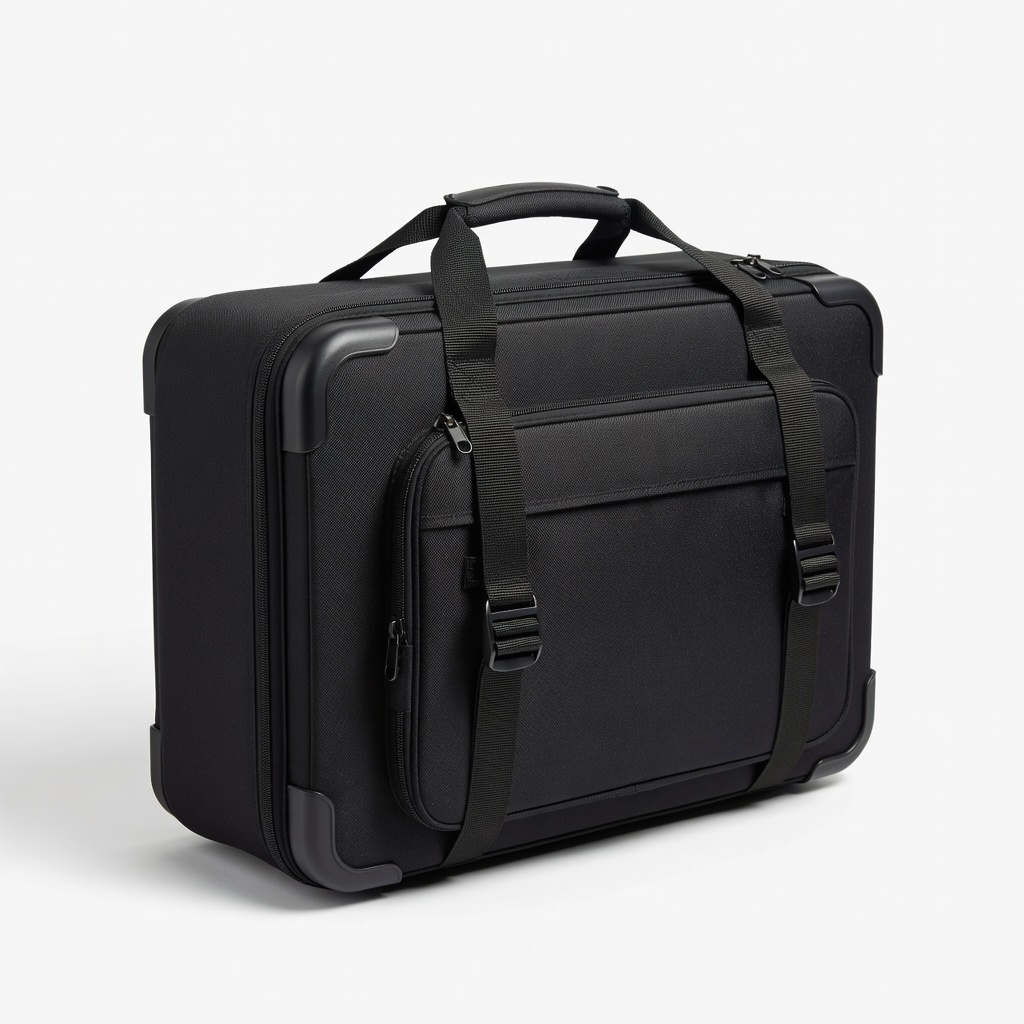
Best for gigging musicians traveling by car or plane.
Gator G-PG-Accordion Protechtor Case Lightweight yet indestructible polyethylene shell with wheels for easy airport maneuvering.
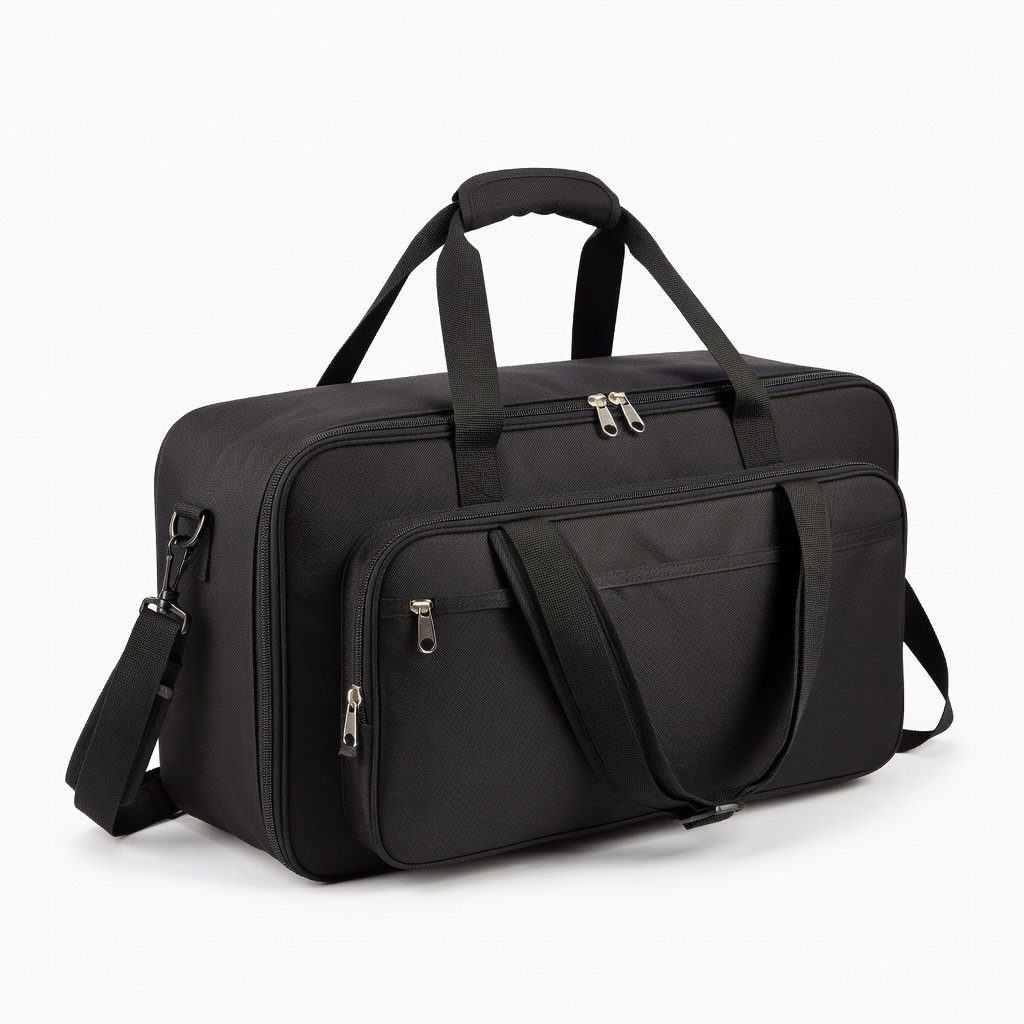
Short car trips or as secondary protection inside hard case.
Crossrock CRGB-ACCORDION Gig Bag Padded soft case with backpack straps for light protection and portability.
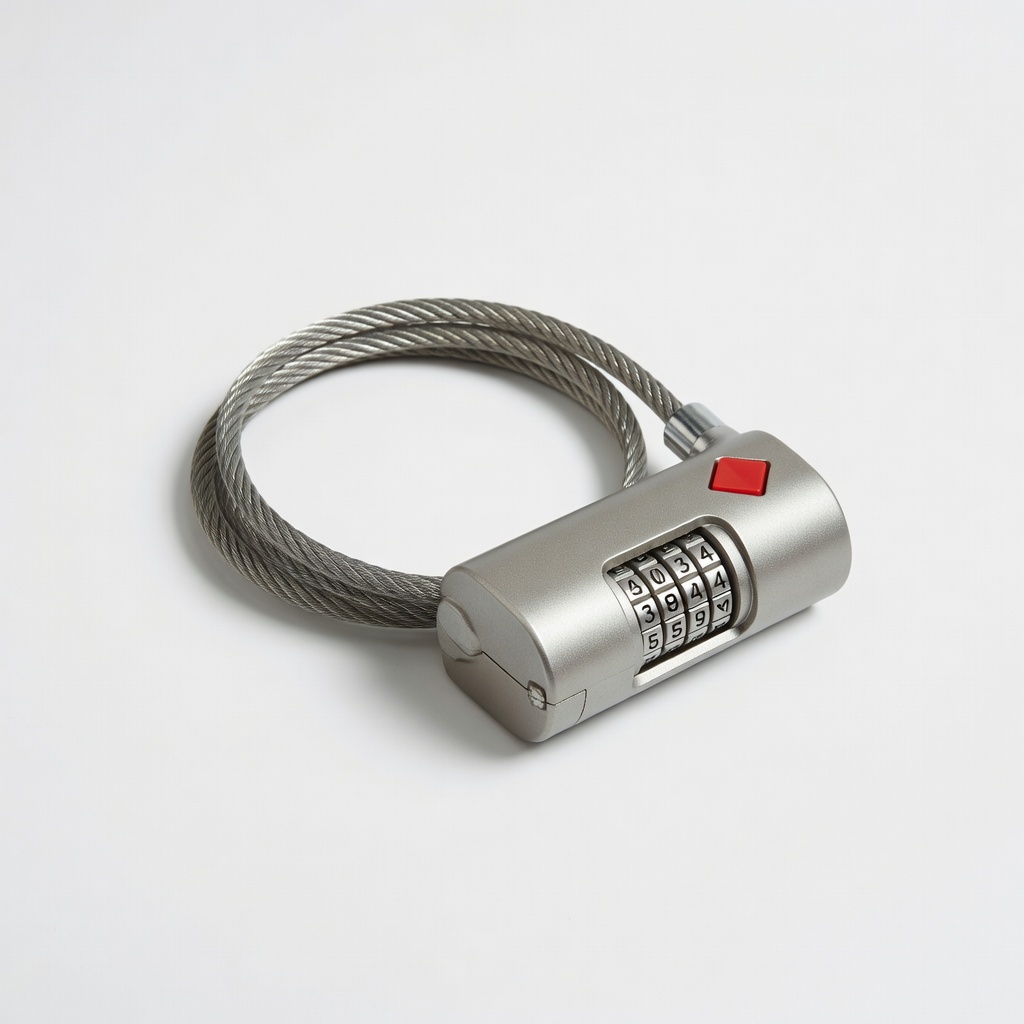
Air travel security.
Master Lock 4688D TSA Approved Cable Lock Flexible cable secures case to luggage; TSA key access prevents cutting.