Traveling with a delicate instrument like an accordion can be nerve-wracking—bumps, drops, and rough handling often lead to costly repairs or tuning issues. Whether you're heading to a gig, festival, or family gathering, a proper accordion case is your best defense against transit mishaps.
In this guide, you'll learn step-by-step how to select, pack, secure, and transport your accordion case like a pro. We'll cover preparation, airline policies, and road trip tips for intermediate players ready to hit the road confidently. Expect 20-30 minutes for packing, with travel varying by mode.
By the end, your accordion will arrive in perfect condition, ready to play without a hitch.
▸What You'll Need
- •Fitted accordion case (hard-shell ABS or fiberglass recommended)
- •Soft cloth or microfiber towel for cleaning
- •Padding materials: foam, bubble wrap, or blankets (required for loose fit)
- •Straps, bungee cords, or case fasteners (often included)
- •Accessory pouch for straps, reeds, tuner (optional but recommended)
- •Luggage tags and locks (TSA-approved for air travel)
- •Measuring tape (to check airline size limits)
Estimated Time: 20-30 minutes for packing + travel time
Difficulty: intermediate
▸Step-by-Step Instructions
Step 1: Select the Right Accordion Case
Start by ensuring your case fits your accordion model perfectly—measure your instrument (e.g., 48, 96, or 120 bass) and match it to case dimensions. Hard-shell cases like ABS or fiberglass offer superior protection over gig bags for travel.
Why it matters: A snug fit prevents shifting, which causes scratches or structural damage. Check for features like padded interiors, accessory pockets, and sturdy latches. For air travel, verify it meets carry-on (22x14x9 inches) or checked limits.
Success: Case closes easily with accordion inside, no wobbling.
💡 Tips:
- •Opt for lightweight cases under 20 lbs empty for easier handling.
- •Test fit at home before travel.
⚠️ Warnings:
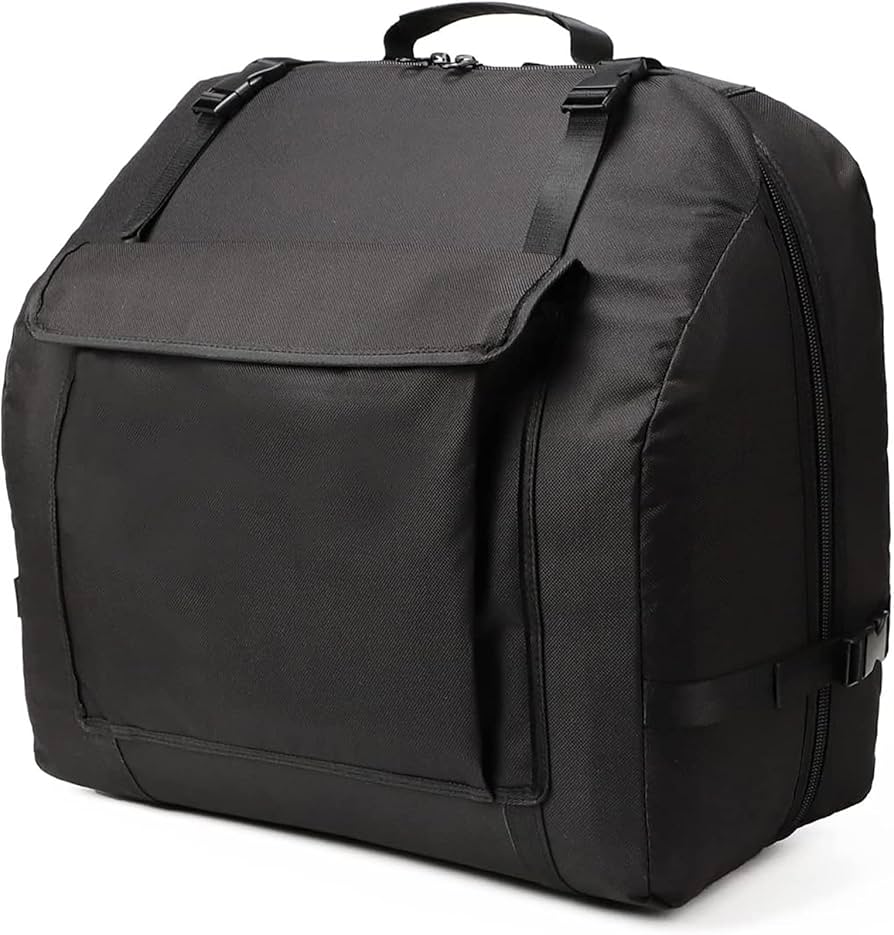
- •Avoid soft cases for checked baggage—they won't survive rough handling.
Step 2: Clean and Inspect Your Accordion
Wipe down the bellows, keys, and body with a soft, dry microfiber cloth to remove dust and oils. Inspect for loose screws, worn straps, or reed issues—tighten or repair now to avoid travel vibrations worsening them.
Why it matters: Dirt traps moisture, leading to mold during long trips. A clean instrument is easier to pack and spot-check post-travel.
Success: Accordion gleams, all parts move smoothly without sticking.
💡 Tips:
- •Use compressed air for keyboard gaps.
- •Apply accordion-specific polish sparingly.
Step 3: Prepare and Remove Accessories
Detach shoulder straps, music stand, and any removable parts. Place reeds in a protective case and electronics (tuner, microphone) in padded pouches.
Why it matters: Loose items can scratch internals during bumps. Organize them to prevent loss.
Success: All extras are bagged and ready for case pockets.
⚠️ Warnings:
- •Don't force detachable parts—consult your manual.
Step 4: Position the Accordion in the Case
Lay the accordion flat (bellows closed) in the case's molded interior, aligning buttons and bass side correctly. For non-custom cases, center it to minimize movement.
Why it matters: Proper orientation protects vulnerable bellows and buttons from pressure.
Success: Instrument sits flush without gaps.
💡 Tips:
- •Bellows closed and strapped internally if possible.
Step 5: Secure with Straps and Padding
Fasten all internal straps or buckles over the body and neck. Fill voids with foam, rolled towels, or bubble wrap—avoid overpacking to allow air circulation.
Why it matters: Securing prevents the 20-40 lb instrument from sliding, which could warp wood or snap reeds.
Success: Gentle shake test shows no movement.
💡 Tips:
- •Use acid-free packing paper for long-term storage.
⚠️ Warnings:
- •Skip newspaper—it inks and crushes.
Step 6: Pack Accessories and Close Up
Stow pouches in designated compartments. Close latches sequentially from bottom to top, then add external locks.
Why it matters: Compartmentalizing keeps weights balanced for easy carrying.
Success: Case latches securely with even pressure.
Step 7: Label and Prepare for Transport
Attach durable tags with your contact info, 'Fragile' stickers, and 'Musical Instrument' labels. For flights, add 'This Side Up' arrows.
Why it matters: Clear labeling prompts careful handling by handlers.
Success: Case is identifiable and prioritized.
💡 Tips:
- •Use bright duct tape for visibility.
Step 8: Follow Mode-Specific Travel Tips
For airlines: Book early, check oversized baggage fees (~$100-200), or carry-on if under limits. Cars/trains: Strap case upright in passenger area.
Why it matters: Policies vary—e.g., Delta allows instruments as carry-on.
Success: Smooth transit without gate-checking.
⚠️ Warnings:
- •Declare value for insurance on checked bags.
▸Pro Tips
- •Weigh packed case pre-travel to avoid airline surcharges.
- •Use a luggage scale app on your phone for quick checks.
- •Travel during off-peak for less handling stress.
- •Invest in wheels if your case lacks them for airport ease.
- •Photograph packing for insurance claims if needed.
- •Climate-control with silica packs for humidity-prone areas.
- •Practice full pack/unpack twice before the trip.
▸Common Mistakes to Avoid
- •Using a mismatched case size, causing shifts and damage—measure twice.
- •Skipping padding, leading to internal scratches—always fill voids.
- •Forgetting locks or tags, risking theft or loss—double-check.
- •Packing dirty instrument, inviting mold—clean first.
- •Ignoring airline rules, resulting in fees or gate-checks—research ahead.
▸Troubleshooting
Problem: Case won't close properly
Solution: Remove excess padding or realign accordion; check for caught straps.
Problem: Instrument shifts during test shake
Solution: Add more targeted padding; tighten straps firmer.
Problem: Damage after checked flight
Solution: File claim immediately with airline; use photos and declare value next time.
Problem: Humidity warps bellows post-travel
Solution: Add desiccant packs; acclimate case 24 hours before unpacking.
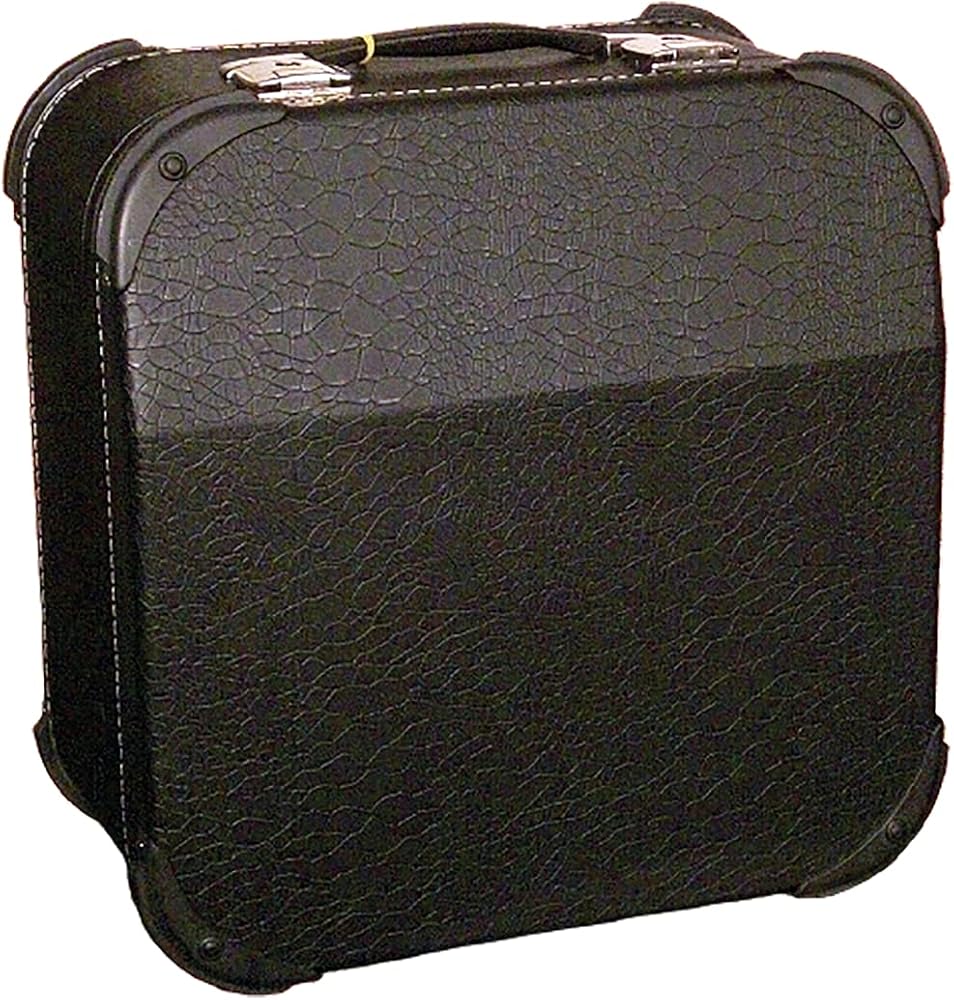
Rock Case RSK 120-1 ABS Case for 120 Bass Piano Accordion
Durable ABS shell with plush interior and multiple latches for secure travel protection.
Best for: Ideal for frequent flyers with larger 120-bass models; lightweight at 15 lbs.
Price Range: $249.99
Monton ABS Hard Case for 48/96 Bass Accordion
Injection-molded for impact resistance, with accessory pockets and handles.
Best for: Budget-friendly for road trips or trains with mid-size accordions.
Price Range: $139.99-$169.99
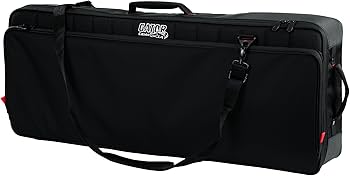
Gator G-PG-ACCORDION Polyfoam Accordion Case
Gig-ready foam protection with pull handle and wheels for easy airport rolling.
Best for: Carry-on alternative for shorter trips; balances protection and portability.
Price Range: $199.99
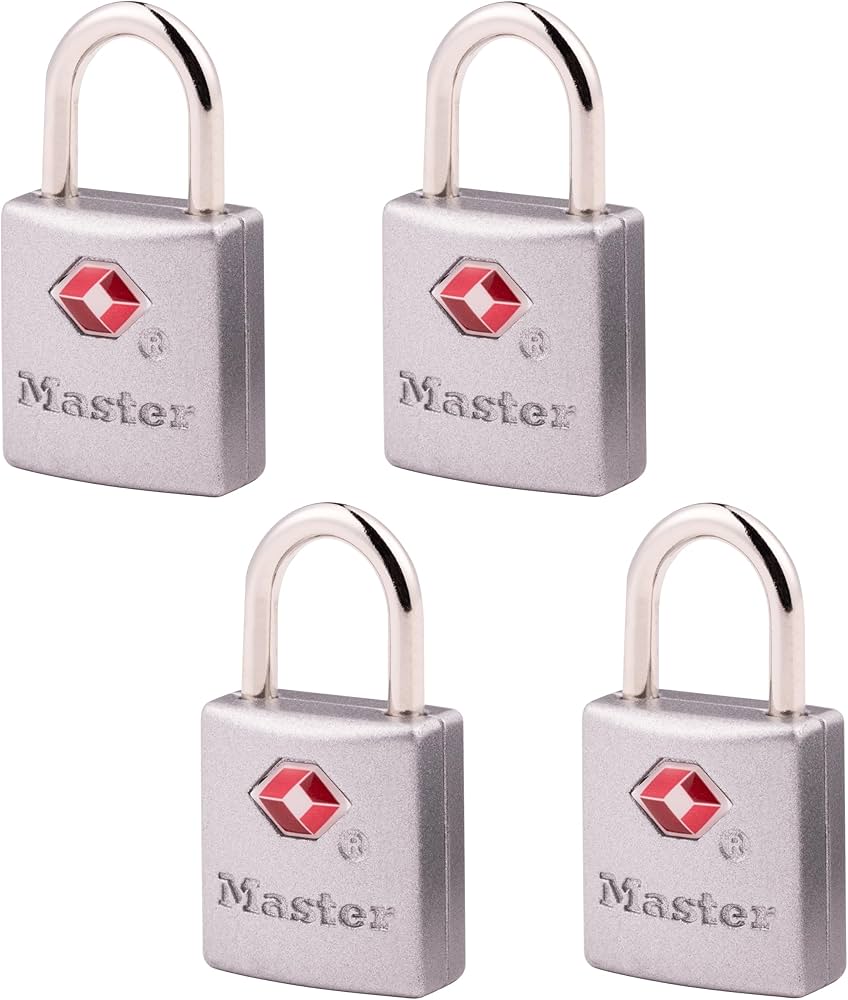
Master Lock TSA Approved Luggage Lock
Allows airline inspection without damage; essential for checked cases.
Best for: Secure any case during air travel.
Price Range: $9.99