
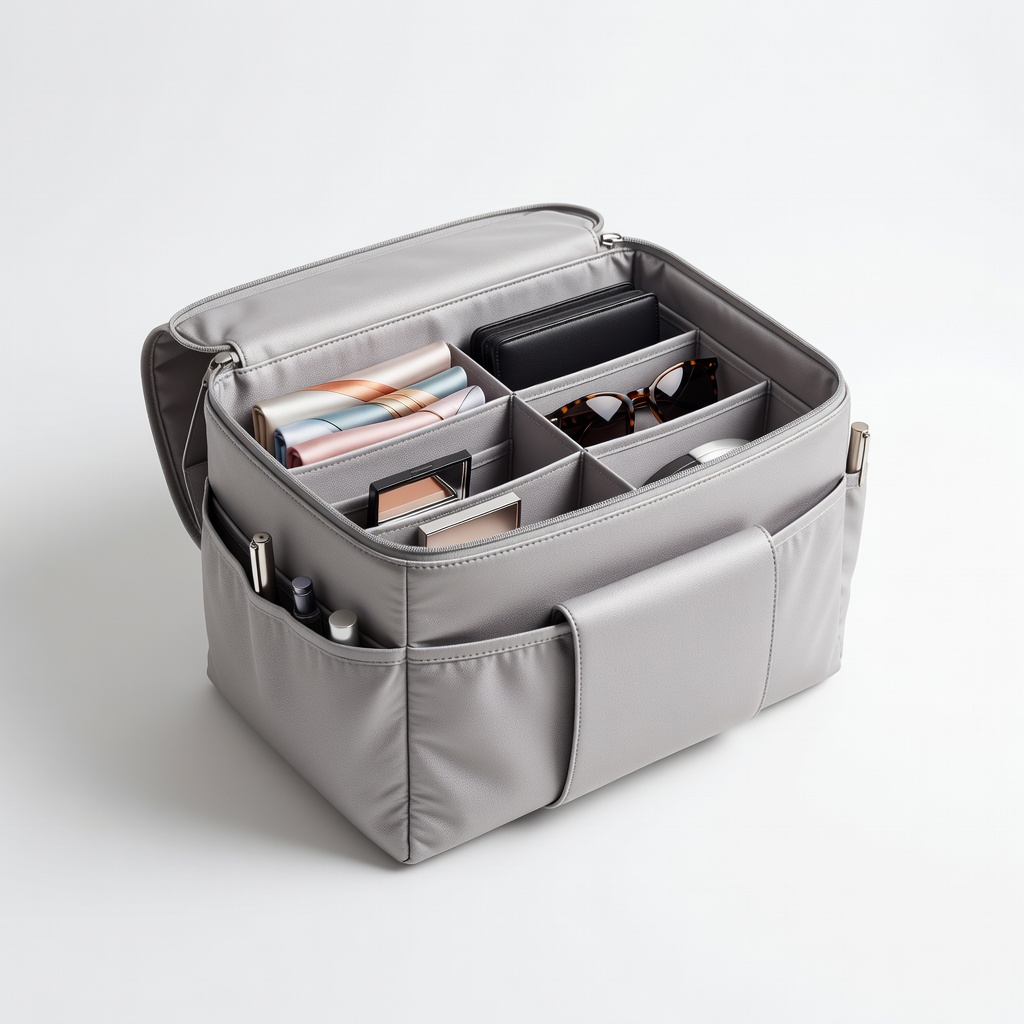
BAGSMART Large Capacity Handbag Organizer
Ideal for large totes or daily bags with lots of essentials.
$25.99
BAGSMART Large Capacity Handbag Organizer 15+ compartments with adjustable dividers for customizable fit in most purses.
Get the App
Better experience on mobile
Master purse organization in minutes with accessory organizers for quick access to keys, phone, and essentials without the clutter.
Tired of digging through a black hole of receipts, lipsticks, and mystery crumbs every time you need your keys or phone? A messy purse wastes time and frustrates your day. Accessory organizers, also known as purse inserts or liners, solve this by creating dedicated compartments inside your bag.
In this beginner-friendly guide, you'll learn how to select, install, and customize purse organizers to transform your handbag into an efficient organizer. Expect a simple process with clear steps—no sewing or special tools required.
You'll achieve a clutter-free purse in just 15-20 minutes, making daily grabs effortless and keeping your essentials sanitized and sorted.
Estimated Time: 15-20 minutes Difficulty: beginner
Start by selecting an accessory organizer that matches your purse size and needs. Measure your purse's width, depth, and height (interior dimensions) to ensure a snug fit—aim for one 1-2 inches smaller per dimension to avoid bulging.
Look for features like multiple zippered pockets, elastic loops for pens/keys, and a non-slip bottom. Nylon organizers are lightweight and water-resistant; felt ones add structure and style.
Success looks like: An organizer that slides in easily without forcing. Test by placing it empty in your purse.
💡 Tips:
⚠️ Warnings:
Dump everything out onto a clean table or surface. Sort items into categories: daily essentials (phone, wallet), occasional (sunglasses), and trash.
Wipe the purse interior with a damp cloth to remove dust— this ensures a clean start.
Success looks like: A completely empty purse and sorted piles of items, making it easier to declutter permanently.
💡 Tips:
⚠️ Warnings:
Match your items to organizer pockets. Assign high-use items (keys, phone) to easy-access spots like front pockets or top flaps. Deeper pockets for bulkier items like sunglasses.
Sketch a quick layout on paper if needed.
Success looks like: A mental or visual map where everything has a 'home,' preventing future rummaging.
💡 Tips:
Place the flattened organizer inside the purse, pushing it to the bottom and smoothing sides to fill the space. Adjust handles or tabs if included to secure it.
It should sit flush without gaps or shifting.
Success looks like: Organizer hugs the purse walls perfectly, feeling stable when you shake the bag.
💡 Tips:
⚠️ Warnings:
Load items per your plan: keys in elastic loops, cards in card slots, makeup in zippers. Don't overfill—leave 20% space for easy retrieval.
Zip or secure everything.
Success looks like: Purse feels lighter, items visible without digging, and nothing loose at the bottom.
💡 Tips:
Use sticky labels or a marker on fabric tags to name pockets (e.g., 'Keys,' 'Meds'). This builds habit and helps others using your purse.
Success looks like: Intuitive labeling that speeds up grabs even in low light.
💡 Tips:
⚠️ Warnings:
Carry the purse for a day, noting access ease. Rearrange if needed—swap pockets for better flow.
Success looks like: Seamless daily use with no frustration, items always findable in seconds.
💡 Tips:
Problem: Organizer slips around inside purse
Solution: Add non-slip mat underneath or choose one with grippy bottom; secure with purse straps.
Problem: Not enough pockets for all items
Solution: Declutter ruthlessly or layer with a smaller secondary organizer.
Problem: Bulk makes purse too heavy
Solution: Switch to lightweight nylon and remove non-essentials.
Problem: Items fall out when grabbing purse
Solution: Use organizers with secure zippers/elastic and avoid overfilling.
15+ compartments with adjustable dividers for customizable fit in most purses.
Best for: Ideal for large totes or daily bags with lots of essentials.
Price Range: $25.99
Soft felt adds structure without bulk; multiple sizes for small to medium purses.
Best for: Great for structured handbags like crossbodies needing subtle organization.
Price Range: $18.99
Waterproof nylon with bottom zipper for easy removal and cleaning.
Best for: Perfect for travelers switching purses frequently.
Price Range: $16.99
Dedicated slots for keys, phone, and cosmetics; non-slip base.
Best for: Busy moms or professionals with varied daily items.
Price Range: $22.99
Ideal for large totes or daily bags with lots of essentials.
BAGSMART Large Capacity Handbag Organizer 15+ compartments with adjustable dividers for customizable fit in most purses.
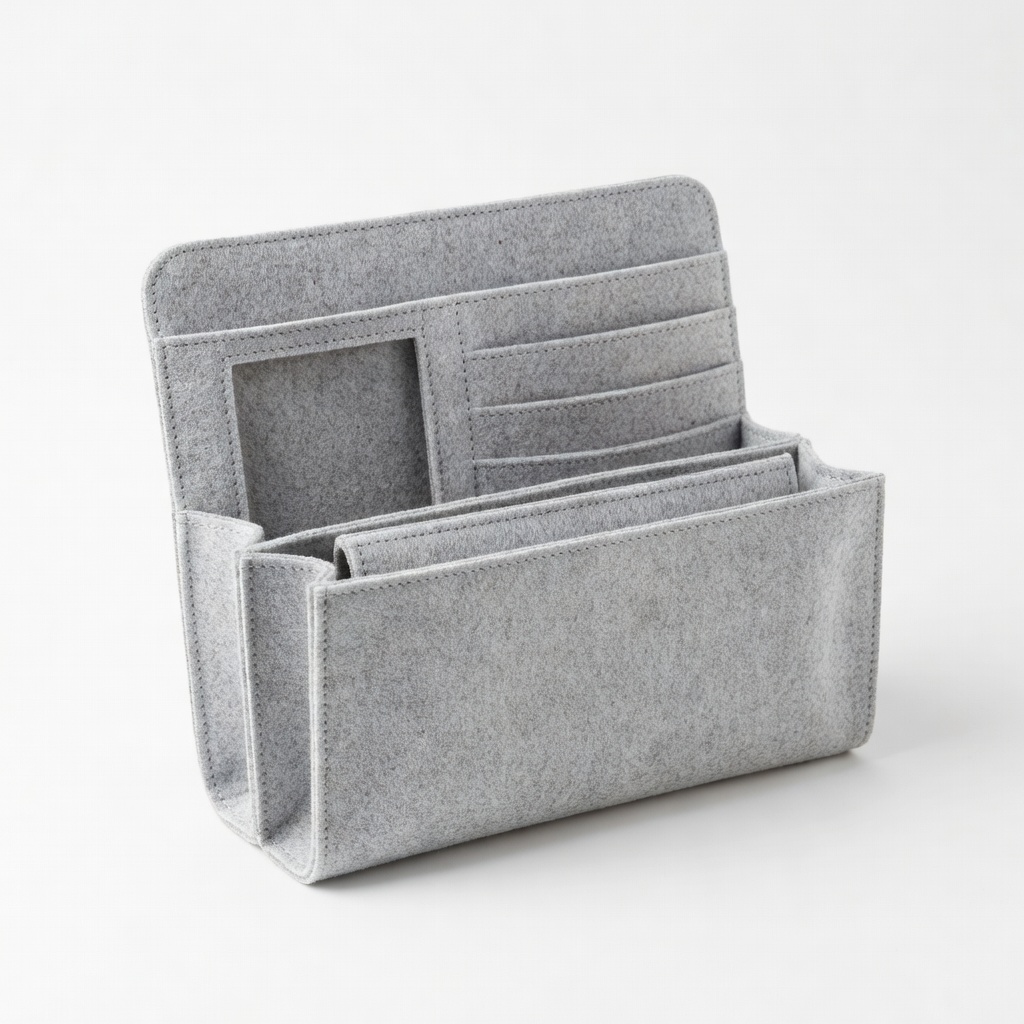
Great for structured handbags like crossbodies needing subtle organization.
LOVEVELY Felt Purse Organizer Insert Soft felt adds structure without bulk; multiple sizes for small to medium purses.
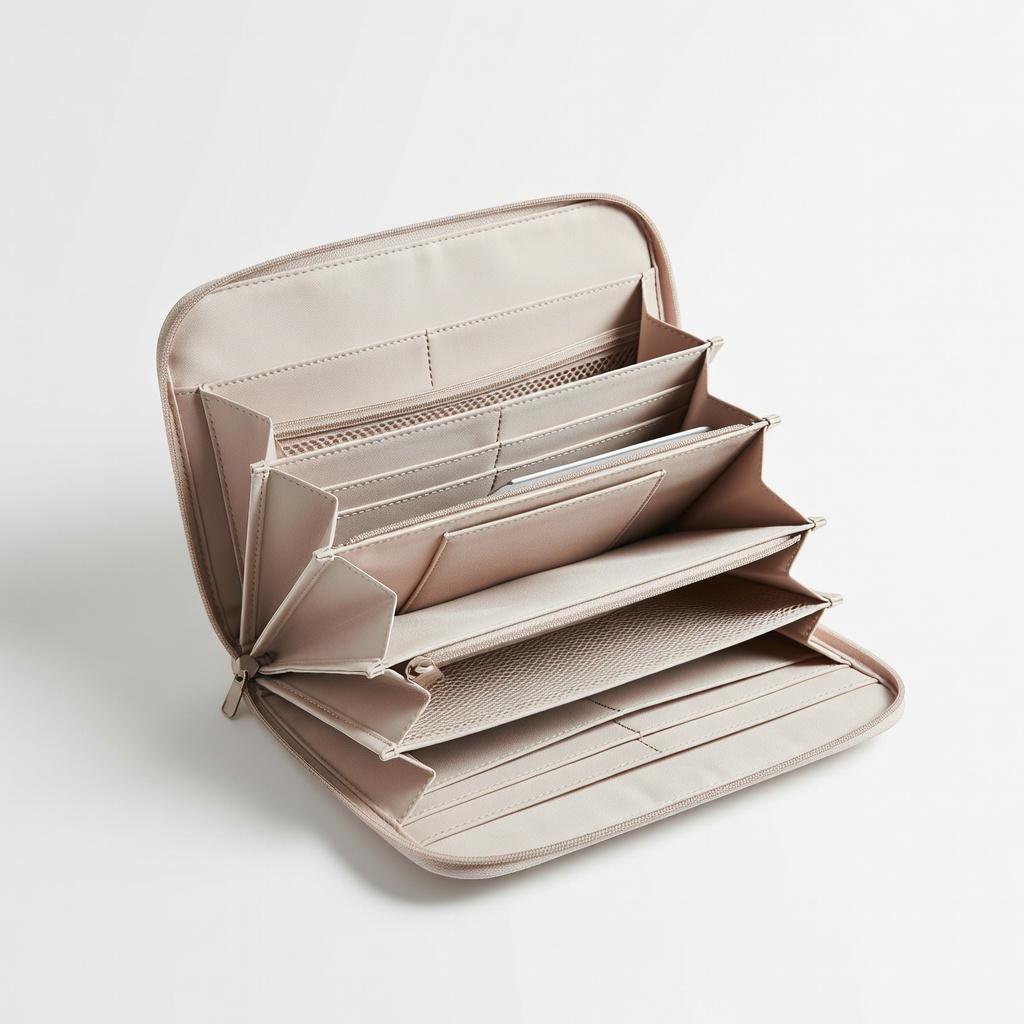
Perfect for travelers switching purses frequently.
HSNMY Purse Liner Organizer Bag in Bag Waterproof nylon with bottom zipper for easy removal and cleaning.
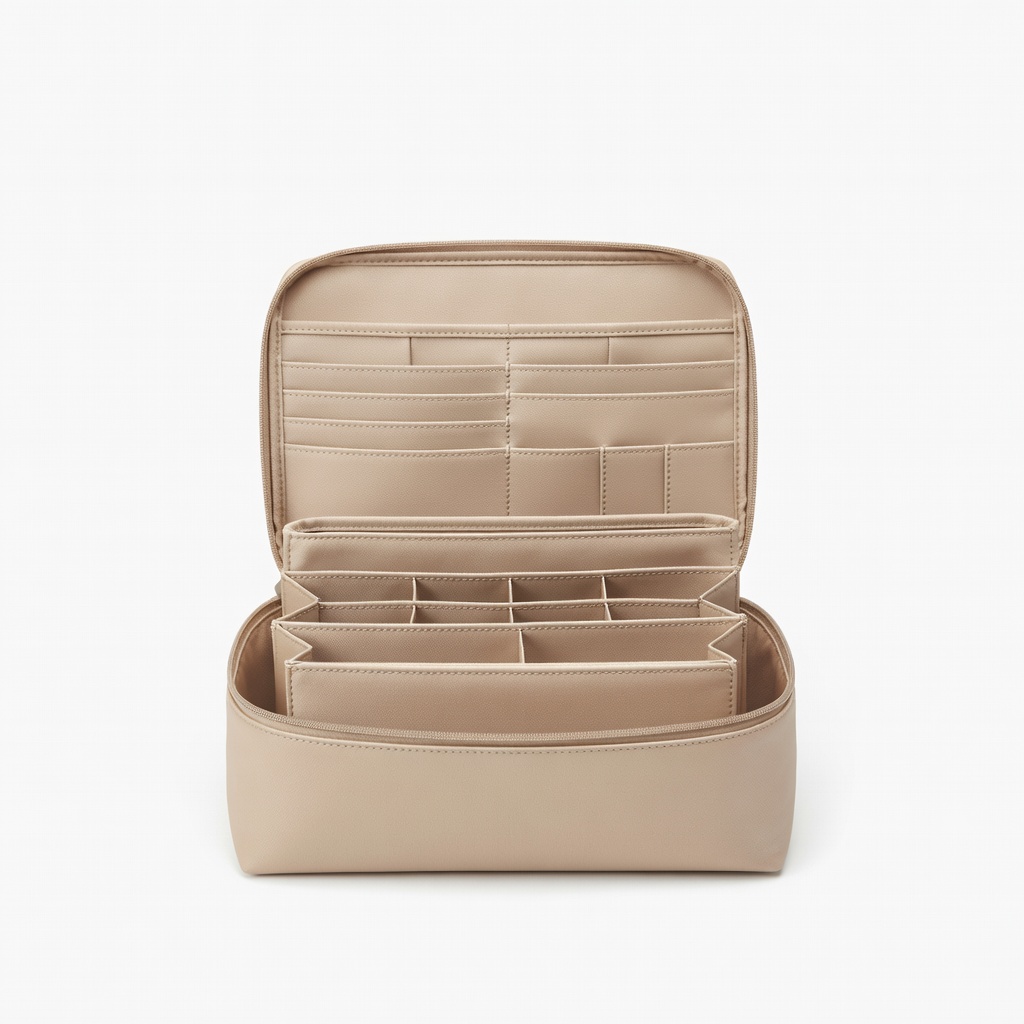
Busy moms or professionals with varied daily items.
ETRONIK Large Purse Organizer with 13 Pockets Dedicated slots for keys, phone, and cosmetics; non-slip base.