Stock RC cars are fun out of the box, but they often lack the power and precision needed for serious bashing or racing. Upgrading with accessories and parts can transform a sluggish crawler into a high-performance beast, but mismatched components or poor installation lead to frustration and damage. This guide solves that by walking you through a complete upgrade process.
You'll learn how to assess your RC, select compatible parts, and install key upgrades like motors, ESCs, batteries, and tires. Expect noticeable improvements in speed (up to 50% faster) and runtime. The process takes 2-4 hours total, depending on your upgrades, and is perfect for intermediate users with basic soldering and wrenching skills.
We'll cover everything sequentially, with tips to avoid costly mistakes. By the end, your RC will handle like a pro setup.
▸What You'll Need
- •Precision screwdriver set (Phillips and flathead)
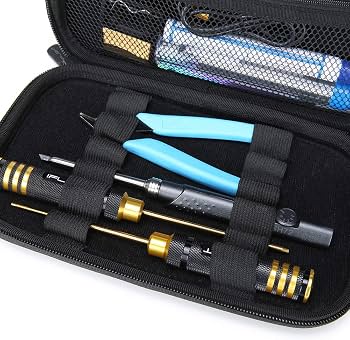
- •Hex driver set (1.5mm to 3mm)
- •LiPo-safe battery charger (required for new batteries)
- •Soldering iron and solder (optional, for motor/ESC wiring)
- •Threadlocker (blue, medium strength)
- •Replacement parts: Brushless motor, ESC, LiPo battery, tires/wheels, shocks (specifics in recommendations)
- •Clean workspace with good lighting
- •Optional: Multimeter for testing connections
Estimated Time: 2-4 hours (varies by number of upgrades)
Difficulty: intermediate
▸Step-by-Step Instructions
Step 1: Assess Your Current RC Setup
Start by running your RC car on a flat surface and timing laps or noting top speed with a phone app like RC Lap Timer. Check for weak points: Does it bog down on hills? Overheat? Lose traction? Inspect the chassis for compatibility (e.g., 1/10 scale 2WD buggy?).
Document specs like current motor KV rating, ESC amps, battery cells (e.g., 2S LiPo), and gear ratio. This ensures upgrades match—mismatches cause failures. Success: A checklist of 3-5 target improvements, like 'need 50A ESC for 3900KV motor.'
Why it matters: Prevents buying incompatible parts, saving time and money.
💡 Tips:
- •Use a smartphone speed radar app for precise baselines.
- •Note stock gearing to decide on pinion/spur changes.
⚠️ Warnings:
- •Never run LiPo batteries without a balance charger—fire risk!
Step 2: Select Compatible Upgrades
Match parts to your chassis size (e.g., Traxxas Slash needs 1/10 parts). For speed: 3650-size brushless motor (3500-4500KV), 60A+ sensored ESC, 3S LiPo battery. For handling: Foam-insert tires, aluminum shocks. Use manufacturer specs or forums like RCGroups.
Budget $100-300 total. Success: Parts list with confirmed fitment (e.g., 'Hobbywing ESC fits Slash chassis').
Pro tip: Prioritize ESC/motor combo for reliability.
💡 Tips:
- •Cross-reference with RC car manual or online fitment guides.
- •Opt for waterproof parts if bashing wet terrain.
Step 3: Prepare Workspace and Tools
Clear a static-free bench with parts trays for screws. Discharge battery fully. Wear eye protection. Organize tools in sequence: wrenches first, then electronics.
Success: All parts laid out, RC powered off and battery removed.
Why: Organized setup cuts errors by 50%.
⚠️ Warnings:
- •Ground yourself to avoid static damage to electronics.
Step 4: Disassemble the Chassis
Remove body clips, flip chassis, unscrew motor, ESC, and shocks. Label screws (photo them!). Gently unplug connectors—twist, don't yank.
Success: Bare chassis with components separated neatly.
Why: Precise disassembly prevents stripped screws or broken tabs.
💡 Tips:
- •Use magnetic trays for tiny screws.
- •Apply threadlocker remover if old Loctite is stubborn.
Step 5: Install New Motor and ESC
Mount new motor to chassis with included screws. Solder or bullet-connect ESC to motor (match phases: A-B-C). Secure ESC with zip ties or mounts. Program ESC via throttle throttle (follow manual for punch, brakes).
Success: Wires neat, no shorts; ESC beeps ready signal.
Why: This duo delivers 2x torque/speed.
⚠️ Warnings:
- •Double-check polarity—reversed phases burn components!
Step 6: Upgrade Battery and Receiver
Connect new LiPo to ESC (balance lead to charger port). Mount securely with Velcro. Update receiver antenna if needed for better range.
Success: Battery fits snugly, no rattles; full charge holds voltage.
Why: Higher C-rating means longer runtime, quicker acceleration.
💡 Tips:
- •Use Deans or XT60 connectors for low resistance.
Step 7: Fit Tires, Wheels, and Suspension
Pop off old wheels, glue/insert new foam tires. Install shocks with fresh oil. Adjust camber/toe if tunable.
Success: Wheels spin freely, suspension rebounds smoothly.
Why: Improves grip and jumps.
⚠️ Warnings:
- •Over-tighten wheel nuts—seize bearings!
Step 8: Reassemble, Test, and Tune
Snap body back, bench-test electronics (throttle response). Maiden run: Check temps (<140°F), adjust gearing if wheelie-prone. Fine-tune ESC settings.
Success: Faster laps, cooler runs, no vibrations.
Why: Validates upgrades safely.
💡 Tips:
- •Use temp gun for monitoring.
- •Break in new motor at half throttle first.
▸Pro Tips
- •Always match motor KV to battery voltage: High KV for speed, low for torque.
- •Invest in a LiPo voltmeter—prevents over-discharge damage.
- •Use dielectric grease on connectors for waterproofing.
- •Upgrade diffs/gears after power mods to handle torque.
- •Join RC forums for chassis-specific advice.
- •Store LiPos in fireproof bags post-use.
- •Test in short bursts initially to spot issues.
▸Common Mistakes to Avoid
- •Ignoring compatibility: Solution—check scale and mounting holes first.
- •Poor soldering: Cold joints fail under load; practice on scrap wire.
- •Over-gearing without upgrades: Strips motors; start conservative.
- •Skipping threadlocker: Parts loosen on rough terrain.
- •Running hot: No temp check leads to meltdown; monitor always.
▸Troubleshooting
Problem: Motor won't spin or direction reversed
Solution: Check ESC programming, phase wiring, and throttle calibration. Reverse two motor wires.
Problem: ESC overheating
Solution: Lower punch/gain settings, ensure airflow, verify battery C-rating matches.
Problem: Poor handling after tires
Solution: Check tire glue, balance wheels, adjust suspension sag.
Problem: Battery voltage sag
Solution: Use higher C-rated LiPo or smaller pinion.
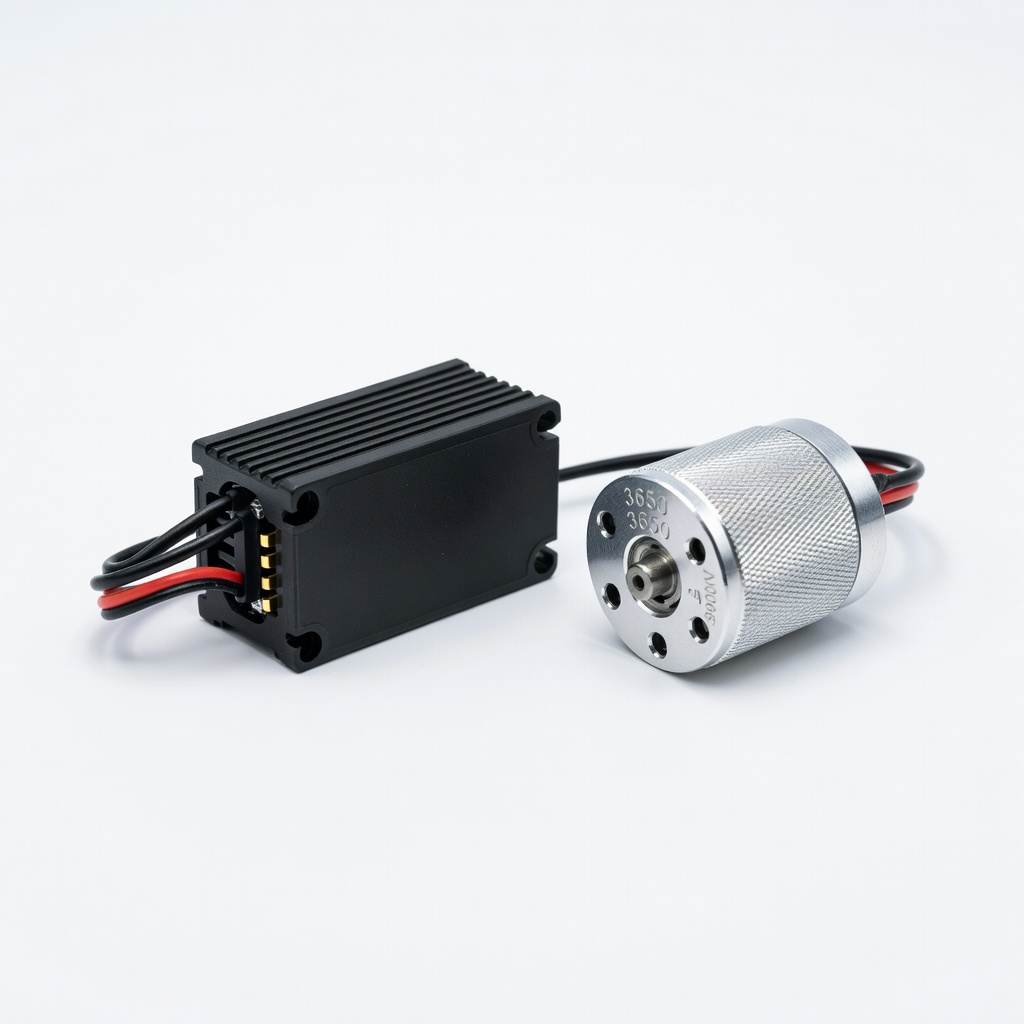
Hobbywing QuicRun 10BL60 60A ESC & 3650 3900KV Motor Combo
Reliable sensored combo for smooth power delivery and easy programming; perfect for 1/10 scale upgrades.
Best for: Core speed upgrade for buggies/trucks; handles 2-3S LiPo.
Price Range: $69.99
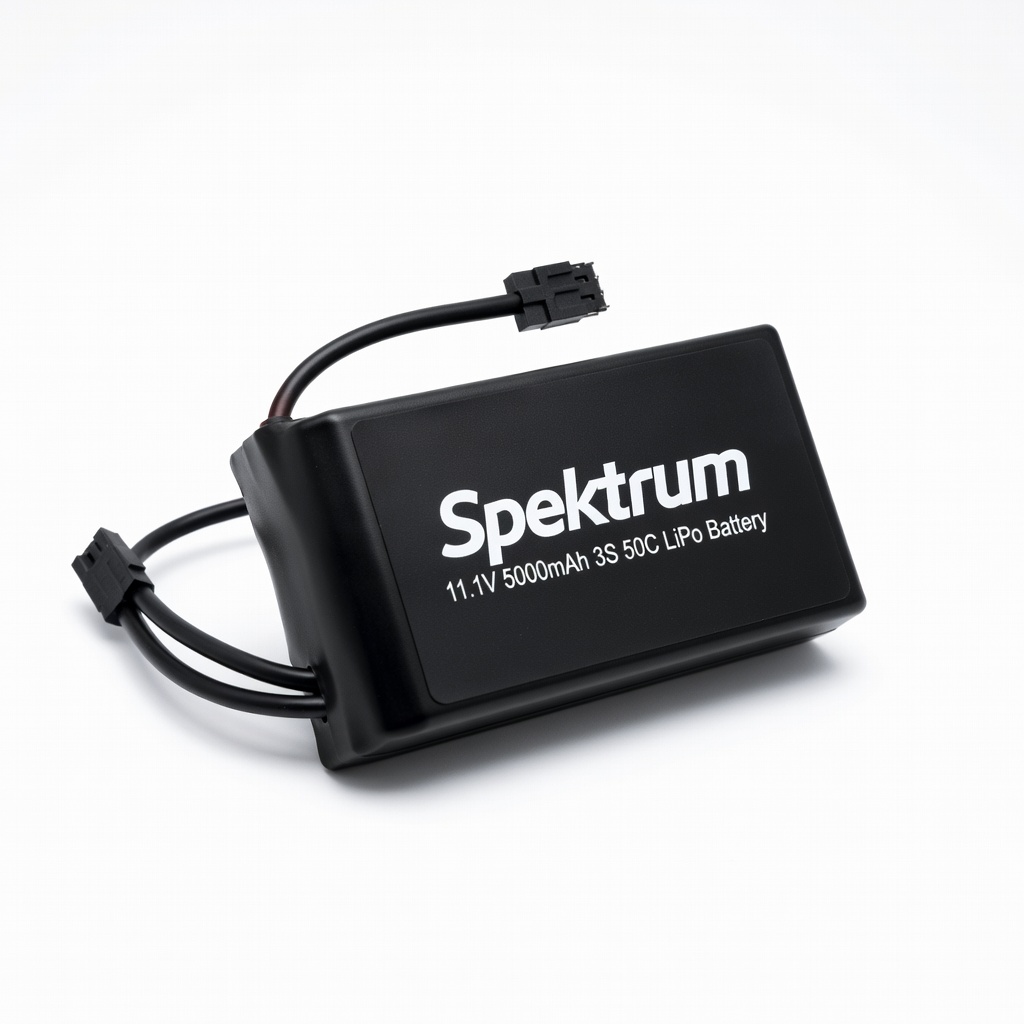
Spektrum 11.1V 5000mAh 3S 50C LiPo Battery
High-capacity with Smart tech for voltage monitoring; extends runtime 50%.
Best for: Power-hungry setups needing long bashes.
Price Range: $59.99
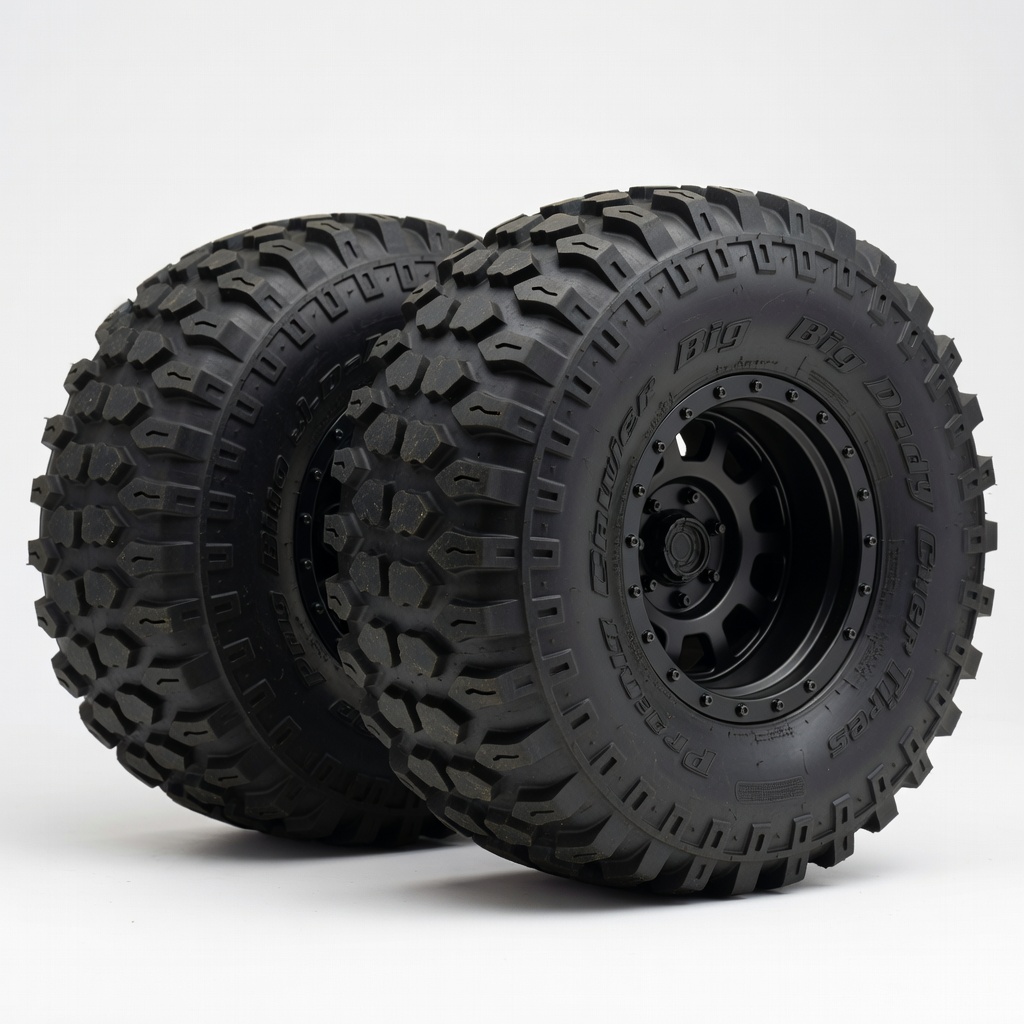
Pro-Line Big Daddy Crawler Tires (Pre-Mounted)
Durable foam inserts for superior grip on rocks/dirt; scales perfectly.
Best for: Off-road traction upgrade for crawlers or bashers.
Price Range: $29.99
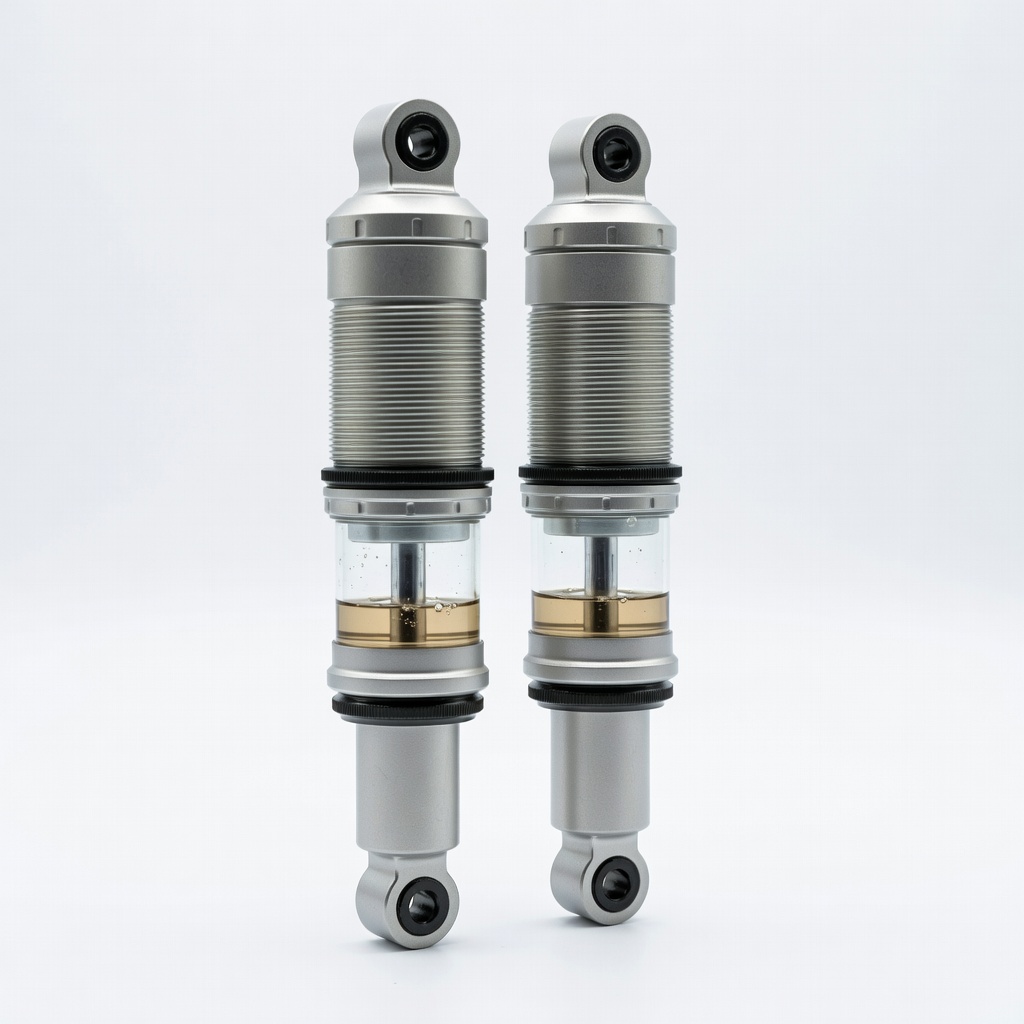
Tekin Hot Bodies Gen2 Aluminum Shocks
Oil-filled for tunable damping; improves jumps and corners.
Best for: Suspension refresh for better control.
Price Range: $49.99/set
iFlight Hex Screwdriver Set
Precision metric bits prevent stripping; essential for clean installs.
Best for: All disassembly/reassembly tasks.
Price Range: $19.99