
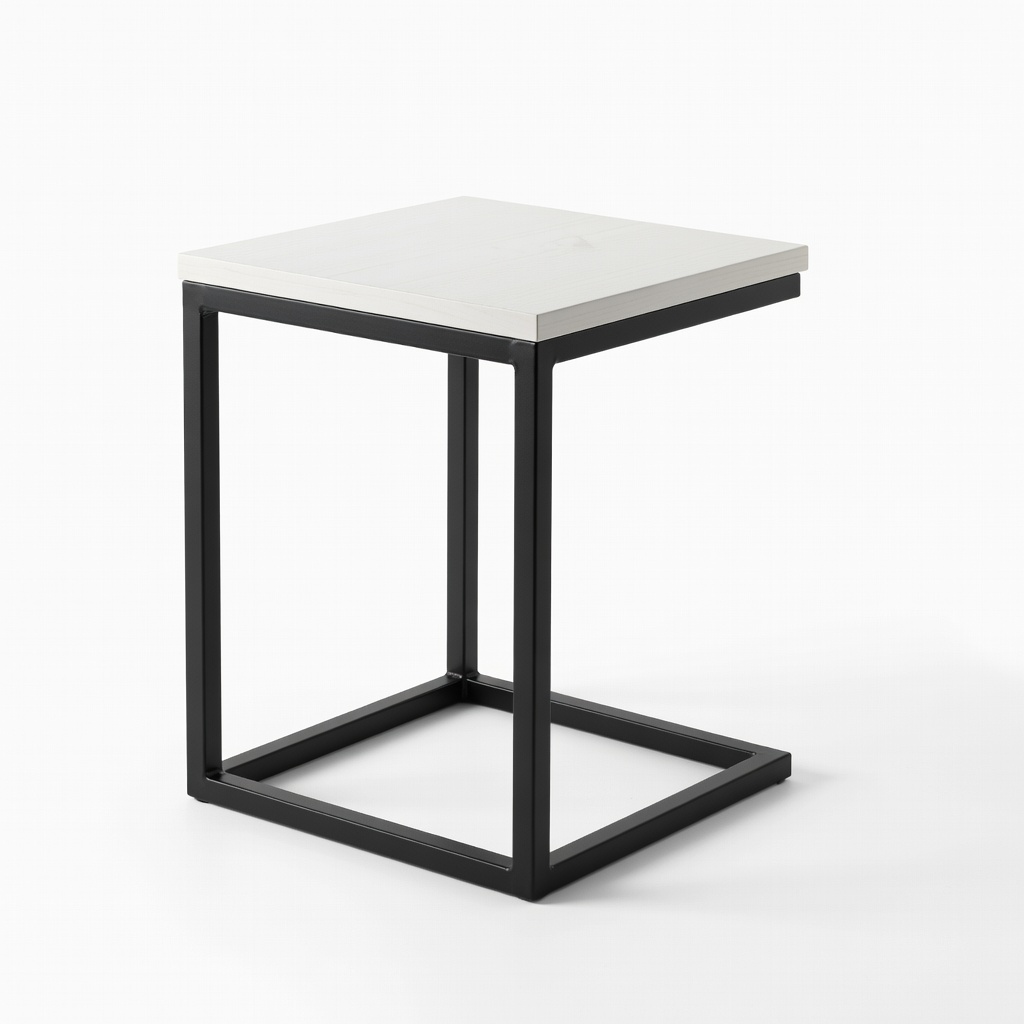
VASAGLE Side Table Industrial C Table
End table next to reading chair or bed.
$35-$45
VASAGLE Side Table Industrial C Table Slim 15.7" design slides over sofas perfectly for small apartments, with adjustable feet for uneven floors.
Get the App
Better experience on mobile
Discover expert tips to stylishly incorporate accent furniture into your tiny space without making it feel crowded.
Living in a small apartment often means battling clutter and cramped vibes, but accent furniture can be your secret weapon for adding personality and style without overwhelming your space. These statement pieces—like a bold side table or sculptural chair—elevate your room's design while serving practical purposes.
In this guide, you'll learn a step-by-step process to select, measure, and place accent furniture perfectly in your small apartment. Whether you're a renter or first-time decorator, these beginner-friendly strategies will help you create a cozy, chic home. Expect to spend 1-2 hours planning and implementing, with no advanced skills required.
By the end, your apartment will look designer-inspired, feeling larger and more inviting through smart, scaled choices.
Estimated Time: 1-2 hours Difficulty: beginner
Start by grabbing your measuring tape and mapping out every inch of your apartment. Measure the length, width, and height of your rooms, noting doorways, windows, and traffic paths (aim for at least 18-24 inches for walkways). Sketch a simple floor plan on paper or use a free app.
This step matters because small apartments demand precision—oversized pieces can block flow and make spaces feel tiny. Expect a bird's-eye view diagram showing exact dimensions; success looks like numbers that match reality when you double-check.
Pro tip: Measure furniture online before buying, adding 2-3 inches for wiggle room.
💡 Tips:
⚠️ Warnings:
Walk through your apartment and note pain points: Does the living room lack a reading nook? Is the entryway bare? Decide on 2-3 accent pieces that solve problems while matching your vibe (e.g., mid-century modern or boho).
Why it matters: Accent furniture should enhance, not compete with essentials. List needs like storage or seating. Success: A shortlist of 3-5 ideas, like 'slim console for entry' or 'nesting tables for flexibility.'
Consider traffic flow and multi-use—opt for pieces that double as storage.
💡 Tips:
⚠️ Warnings:
Hunt for accent furniture under 30 inches wide/deep for most small spaces. Prioritize nesting tables, slim consoles, or armless chairs that stack or fold. Check materials: light woods or metals keep rooms airy.
This prevents overcrowding; expect pieces that fit your measurements perfectly. Success: Items selected where dimensions match your floor plan and offer extras like shelves.
Shop online for filters like 'small apartment' or 'narrow.'
💡 Tips:
⚠️ Warnings:
Using your floor plan, 'place' accents virtually. Position against walls or corners to maximize floor space; use the 'rule of thirds' for balance (e.g., one-third open, two-thirds furnished).
Why: Visualizes flow before buying. Success: A layout where paths are clear and accents highlight focal points like a window.
Test groupings: Pair a chair with a side table.
💡 Tips:
⚠️ Warnings:
Buy 1-2 accents first to test. Opt for free shipping and easy assembly. Unbox and inspect upon arrival.
This staged approach avoids overwhelm. Success: Furniture arrives undamaged and assembles in under 30 minutes.
Read reviews for small-space feedback.
💡 Tips:
⚠️ Warnings:
Position per your plan: Float chairs for intimacy or tuck tables beside sofas. Use rugs to define zones and a level to ensure stability.
Anchoring creates cohesion. Success: Room feels balanced, with improved flow and no wobbles.
Step back to check proportions.
💡 Tips:
⚠️ Warnings:
Add one plant, book, or lamp per piece—keep it minimal. Use odd numbers (3 items) for visual interest.
Why: Ties accents into the room without clutter. Success: Polished, lived-in look that amplifies style.
Match colors to walls for seamlessness.
💡 Tips:
⚠️ Warnings:
Live with it for a day: Walk paths, sit, rearrange if needed. Invite a friend for feedback.
Iteration perfects it. Success: Functional, beautiful space that feels bigger.
Reassess quarterly.
💡 Tips:
⚠️ Warnings:
Problem: Room feels more crowded after adding accents
Solution: Remove one piece or swap for nesting version; remeasure paths.
Problem: Furniture wobbles on uneven floors
Solution: Use adjustable feet or furniture pads; check with level.
Problem: Accents clash with existing decor
Solution: Neutral tones first, then add color via accessories.
Problem: Disassemble in hallway or choose flat-pack; seek neighbor help.
Solution: undefined
Slim 15.7" design slides over sofas perfectly for small apartments, with adjustable feet for uneven floors.
Best for: End table next to reading chair or bed.
Price Range: $35-$45
Three nesting tables save space—use one daily, pull out for guests; wood finish adds warmth.
Best for: Living room multi-tasker for drinks, remotes, or plants.
Price Range: $120-$150
9.5" depth fits tight entryways; two tiers for storage without bulk.
Best for: Foyer for keys/mail or hallway accent.
Price Range: $40-$60
Compact 18" diameter with marble top; lightweight and stylish for corners.
Best for: Beside armchair or as plant stand.
Price Range: $50-$70
Amless, 24" wide design maximizes seating in tiny living rooms; tufted fabric adds elegance.
Best for: Extra seating without dominating space.
Price Range: $150-$200
End table next to reading chair or bed.
VASAGLE Side Table Industrial C Table Slim 15.7" design slides over sofas perfectly for small apartments, with adjustable feet for uneven floors.
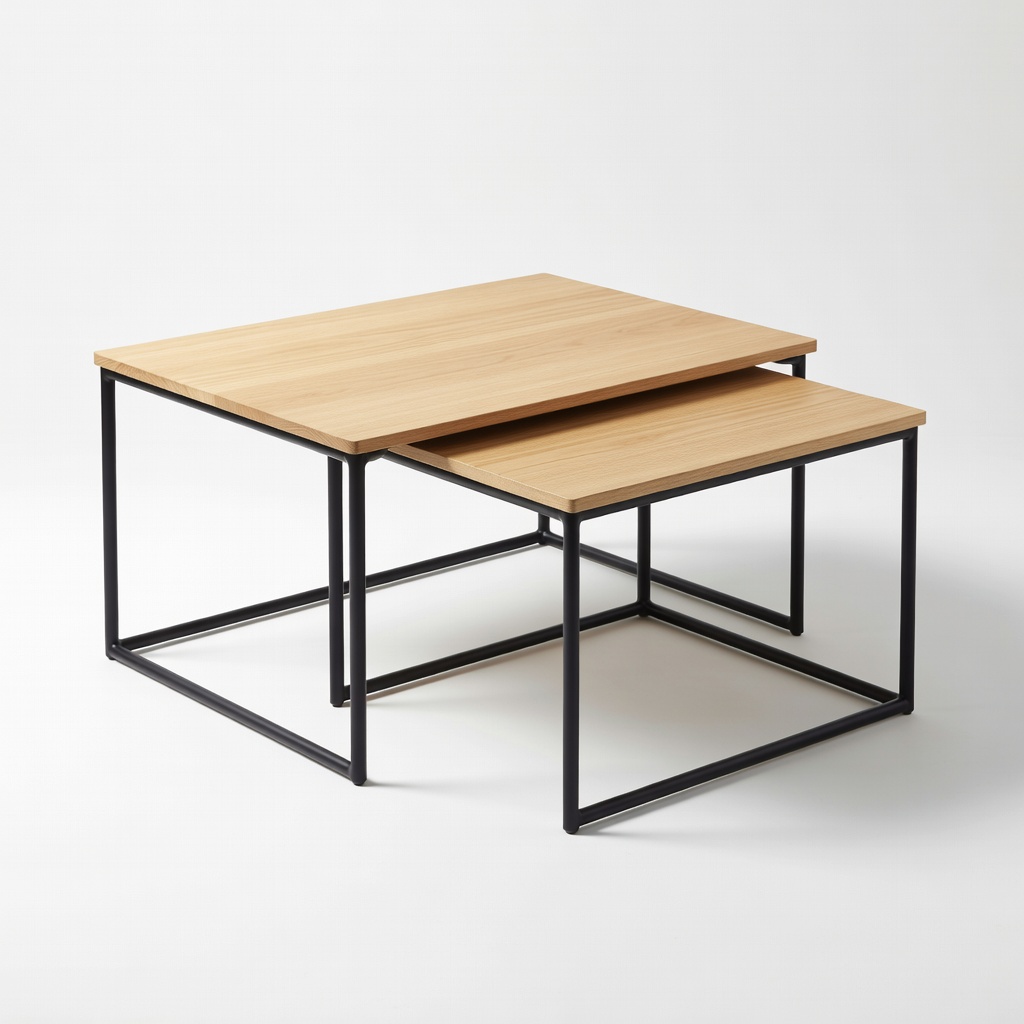
Living room multi-tasker for drinks, remotes, or plants.
Nathan James Rourke Nesting Coffee Table Set Three nesting tables save space—use one daily, pull out for guests; wood finish adds warmth.
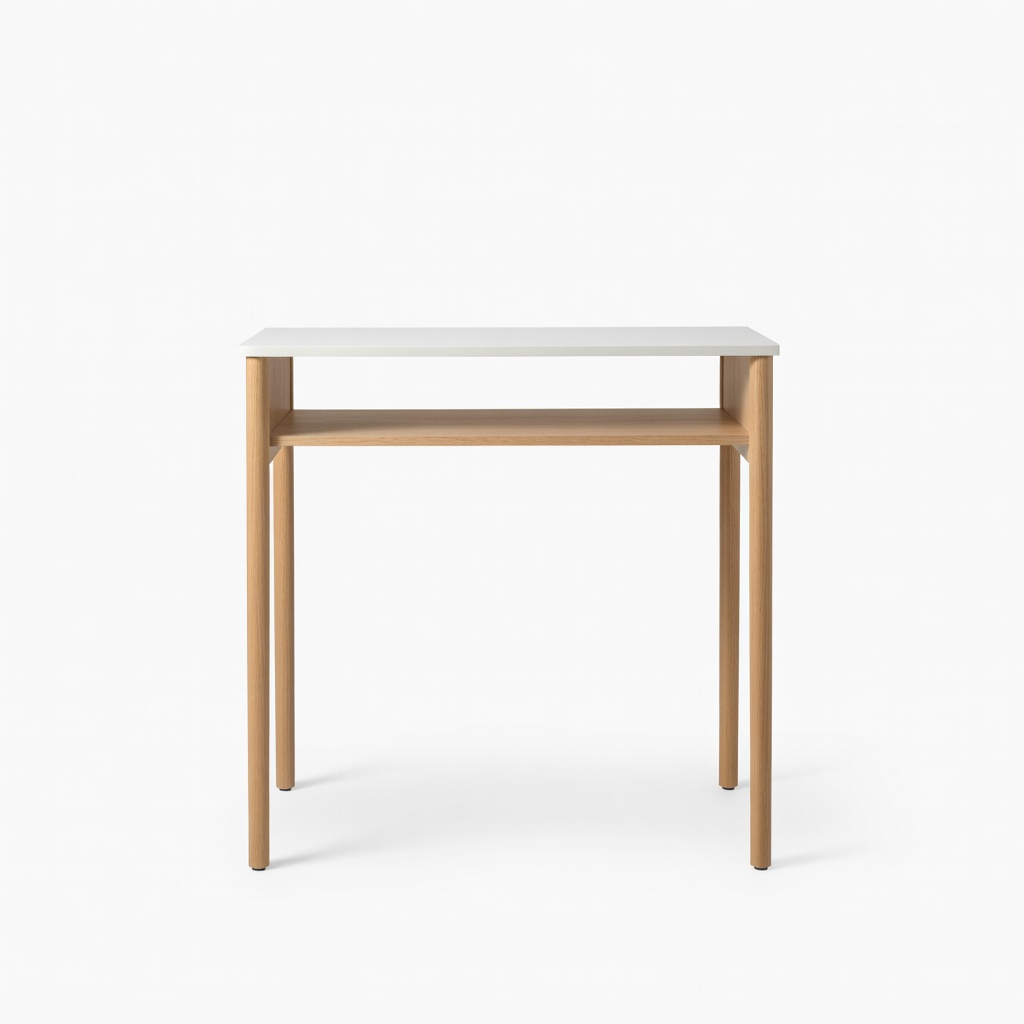
Foyer for keys/mail or hallway accent.
YAHEETECH Narrow Console Table 9.5" depth fits tight entryways; two tiers for storage without bulk.
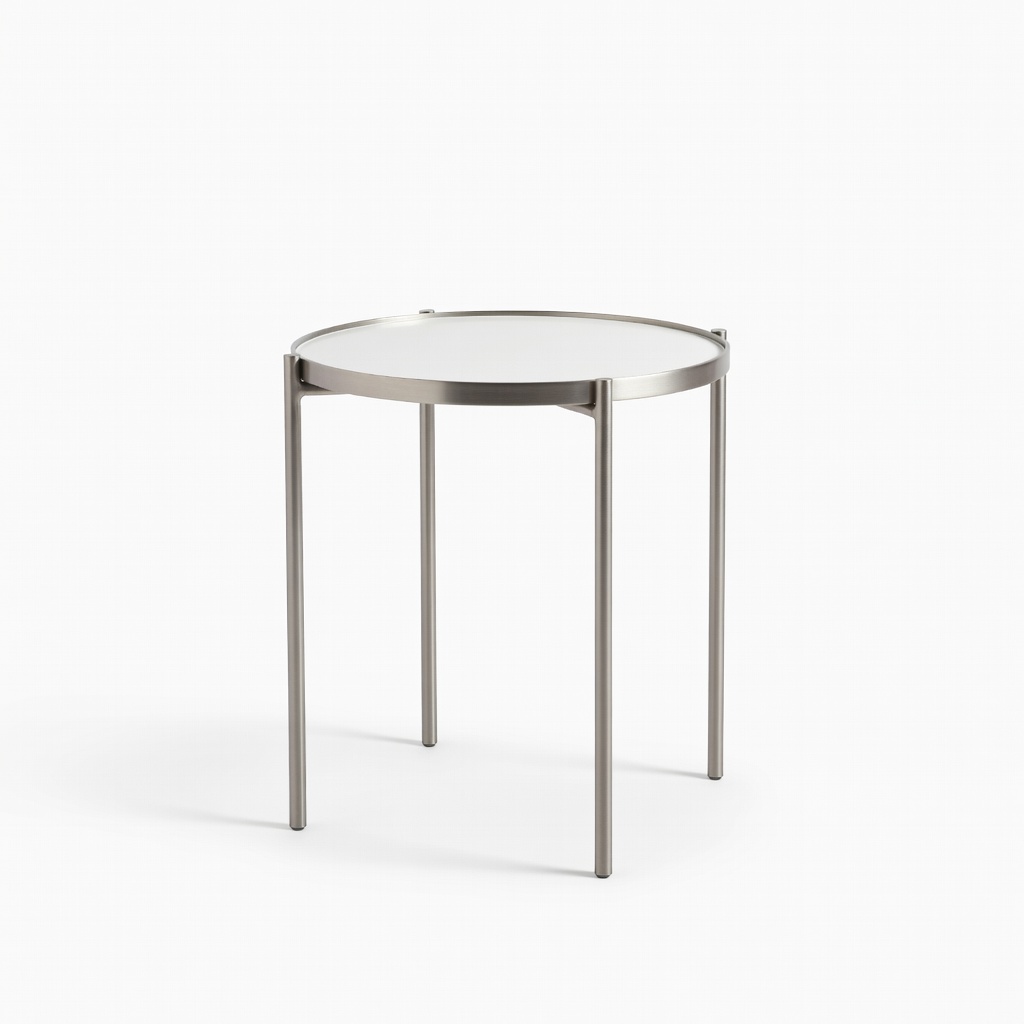
Beside armchair or as plant stand.
Kate and Laurel Agatha Round Metal Accent Table Compact 18" diameter with marble top; lightweight and stylish for corners.
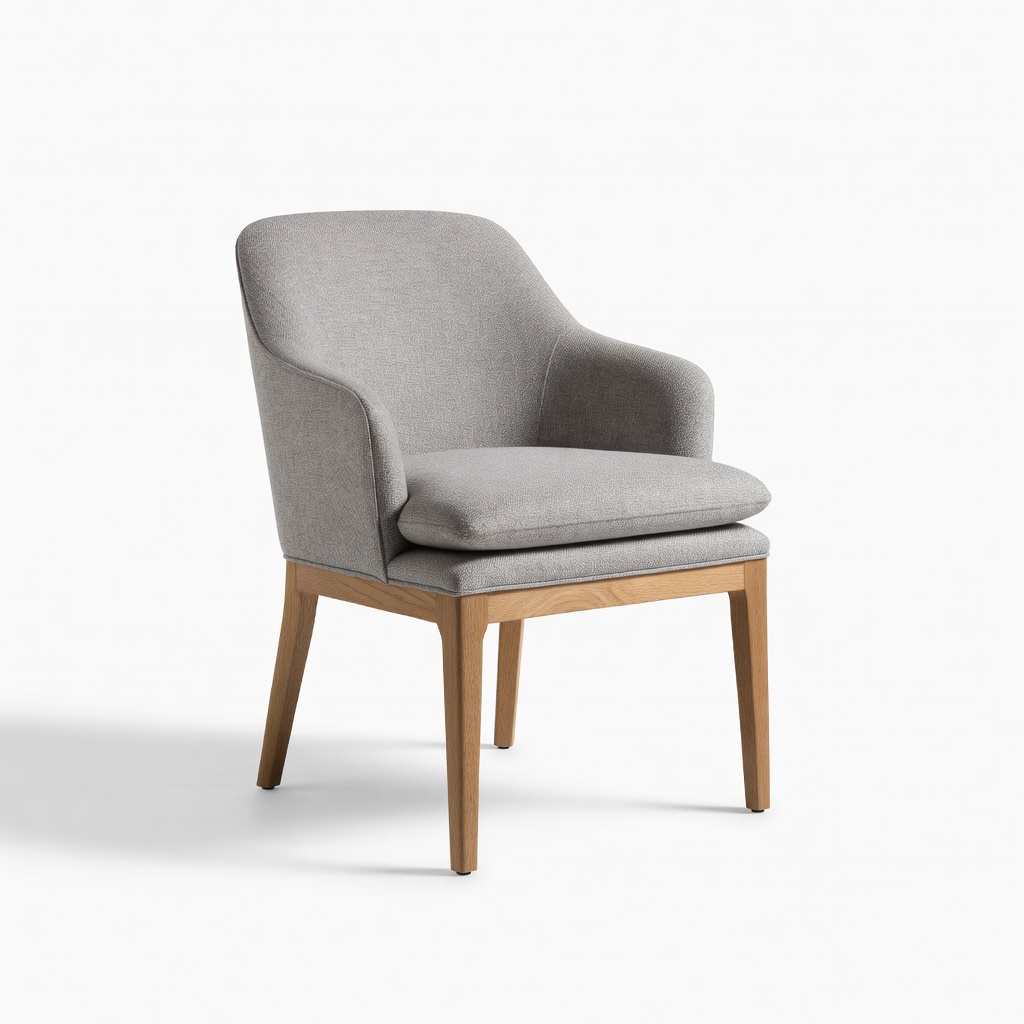
Extra seating without dominating space.
Christopher Knight Home Ashbury Accent Chair Amless, 24" wide design maximizes seating in tiny living rooms; tufted fabric adds elegance.