Surviving abuse leaves deep emotional scars that can feel overwhelming, but self-help journaling offers a safe, private way to reclaim your voice and begin healing. Many survivors struggle with unspoken pain, intrusive thoughts, or self-doubt—journaling transforms these into manageable insights, fostering empowerment and clarity.
In this guide, you'll learn a simple, step-by-step process to use abuse self-help journals effectively, even as a complete beginner. We'll cover selecting tools, daily practices, reflection techniques, and pro tips to avoid pitfalls. Expect emotional breakthroughs, reduced anxiety, and a stronger sense of self over time.
This process takes 20-30 minutes per session, with noticeable benefits in 1-2 weeks of consistent practice. It's low-pressure, flexible, and designed for privacy—no prior experience needed.
▸What You'll Need
- •Dedicated journal notebook (lined or dotted pages, required)
- •Comfortable pen or pencil (required)
- •Quiet, private space (required)
- •Timer or phone app for sessions (optional)
- •Guided prompts book or printable prompts (optional for structure)
Estimated Time: 20-30 minutes per daily session; setup in 10 minutes; weekly review 45 minutes
Difficulty: beginner
▸Step-by-Step Instructions
Step 1: Choose Your Journal
Select a physical journal that feels inviting and durable—avoid digital apps initially for a tactile, distraction-free experience. Opt for 100+ pages with smooth paper to prevent ink bleed. Why it matters: A special journal signals commitment to your healing, making sessions more intentional.
Expect to spend 5-10 minutes browsing; success looks like holding a journal that excites you to open. Write your first entry: 'This journal is for my healing from [type of abuse].'
💡 Tips:
- •Choose a cover with calming colors or affirmations for motivation.
- •Size: A5 or medium for portability.
⚠️ Warnings:
- •Don't reuse old notebooks—start fresh to symbolize new beginnings.
Step 2: Set Up a Safe Space
Find or create a private spot free from interruptions—bedroom corner, park bench, or cozy chair. Light a candle, play soft music, or sip tea to signal 'healing time.' This matters because abuse often erodes safety; reclaiming space builds trust in yourself.
Spend 5 minutes arranging; success is feeling relaxed enough to write honestly without fear.
💡 Tips:
- •Use a 'do not disturb' sign if living with others.
- •Keep tissues and water nearby.
Step 3: Define Your Intentions
Write 1-3 clear goals on the first page, e.g., 'Understand my triggers,' 'Practice self-forgiveness,' or 'Track progress.' Review weekly. Why? Intentions guide unstructured writing, preventing overwhelm.
This takes 5 minutes; success: Goals feel achievable and personal.
💡 Tips:
- •Make intentions SMART: Specific, Measurable, Achievable, Relevant, Time-bound.
⚠️ Warnings:
- •Avoid vague goals like 'feel better'—they lead to frustration.
Step 4: Begin with a Daily Check-In
Prompt: 'Today, I feel... My body is telling me...' Write freely for 5 minutes. This grounds you in the present, separating past abuse from now.
Expect raw emotions; success: 1/2 page of honest observations, building consistency habit.
💡 Tips:
- •Time it—no editing. Free-write spills subconscious insights.
Step 5: Explore Emotions with Prompts
Use prompts like 'What abuse memory surfaced today?' or 'How did it make me feel then vs. now?' Write 10 minutes. Why? Structured prompts safely unpack trauma without flooding.
Success: Naming emotions reduces their power; note patterns emerging.
💡 Tips:
- •Print free prompts or use product recs below.
- •Draw if words fail.
⚠️ Warnings:
- •Stop if overwhelmed—breathe deeply 4-7-8 (in 4, hold 7, out 8).
Step 6: Identify Patterns and Triggers
Review entries: 'What themes repeat? (e.g., shame, anger).' List 3-5. This reveals abuse's lingering effects, empowering change.
10 minutes; success: Actionable list like 'Avoid people-pleasing.'
💡 Tips:
- •Color-code emotions for visual patterns.
Step 7: Practice Self-Compassion and Gratitude
Prompt: 'What do I appreciate about myself today? One kind word...' End positively. Why? Counters abuser's voice with your own.
Success: Ending sessions uplifted, rewiring negative self-talk.
💡 Tips:
- •Mirror affirmations post-writing.
Step 8: Weekly Review and Adjust
Read last week's entries: Celebrate wins, adjust intentions. Burn/tear unhelpful pages safely if cathartic. This sustains momentum.
45 minutes weekly; success: Evolving goals, visible growth.
⚠️ Warnings:
- •Don't judge harshly—progress is nonlinear.
▸Pro Tips
- •Journal at same time daily for habit (e.g., bedtime).
- •Use voice-to-text if hand cramps.
- •Combine with walks—'walk and talk' aloud first.
- •Track mood pre/post-session for proof of impact.
- •Reward sessions with self-care (bath, favorite song).
- •Date every entry for timeline insights.
- •Share anonymized excerpts in support groups later.
▸Common Mistakes to Avoid
- •Skipping consistency—solution: Set phone reminders, start with 5 minutes.
- •Over-editing words—solution: Write stream-of-consciousness, no perfectionism.
- •Ignoring emotions—solution: Always include body sensations.
- •Going solo forever—solution: Pair with therapy after 4 weeks.
- •Expecting instant fixes—solution: View as marathon, celebrate small wins.
▸Troubleshooting
Problem: Emotional overwhelm or flashbacks
Solution: Pause, ground with senses (name 5 things you see), contact hotline (e.g., National Domestic Violence Hotline 1-800-799-7233). Resume lighter prompts next day.
Problem: Writer's block
Solution: Start with 'I don't know what to write, but...' or doodle. Switch prompts.
Problem: No progress felt
Solution: Review month 1 entries—growth hides in patterns. Adjust goals.
Problem: Journal discovered by others
Solution: Use lockbox or disguised cover. Seek professional help if unsafe.
The Courage to Heal Workbook
Provides targeted prompts and exercises for abuse survivors, structured for beginners to process trauma safely.
Best for: Daily guided writing on recovery stages; pairs perfectly with freeform journaling.
Price Range: $16.99
Complex PTSD Workbook by Arielle Schwartz
Evidence-based exercises blending journaling with somatic healing, ideal for abuse-related PTSD.
Best for: Weekly pattern identification and self-compassion practices.
Price Range: $18.95
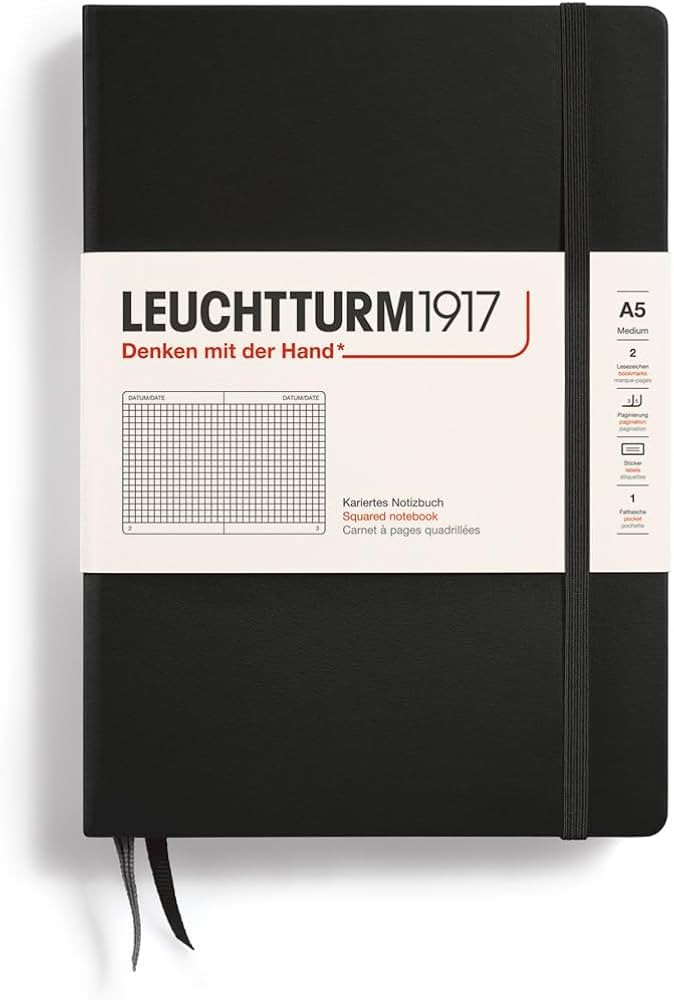
Leuchtturm1917 Medium A5 Notebook
Durable, numbered pages with index for easy tracking—premium feel boosts motivation.
Best for: Core journaling tool; add your own prompts.
Price Range: $19.95-$22
Trauma Survivor: Guided Journal
150+ prompts specifically for abuse recovery, reducing decision fatigue for beginners.
Best for: Step 5 emotion exploration; daily use.
Price Range: $9.99
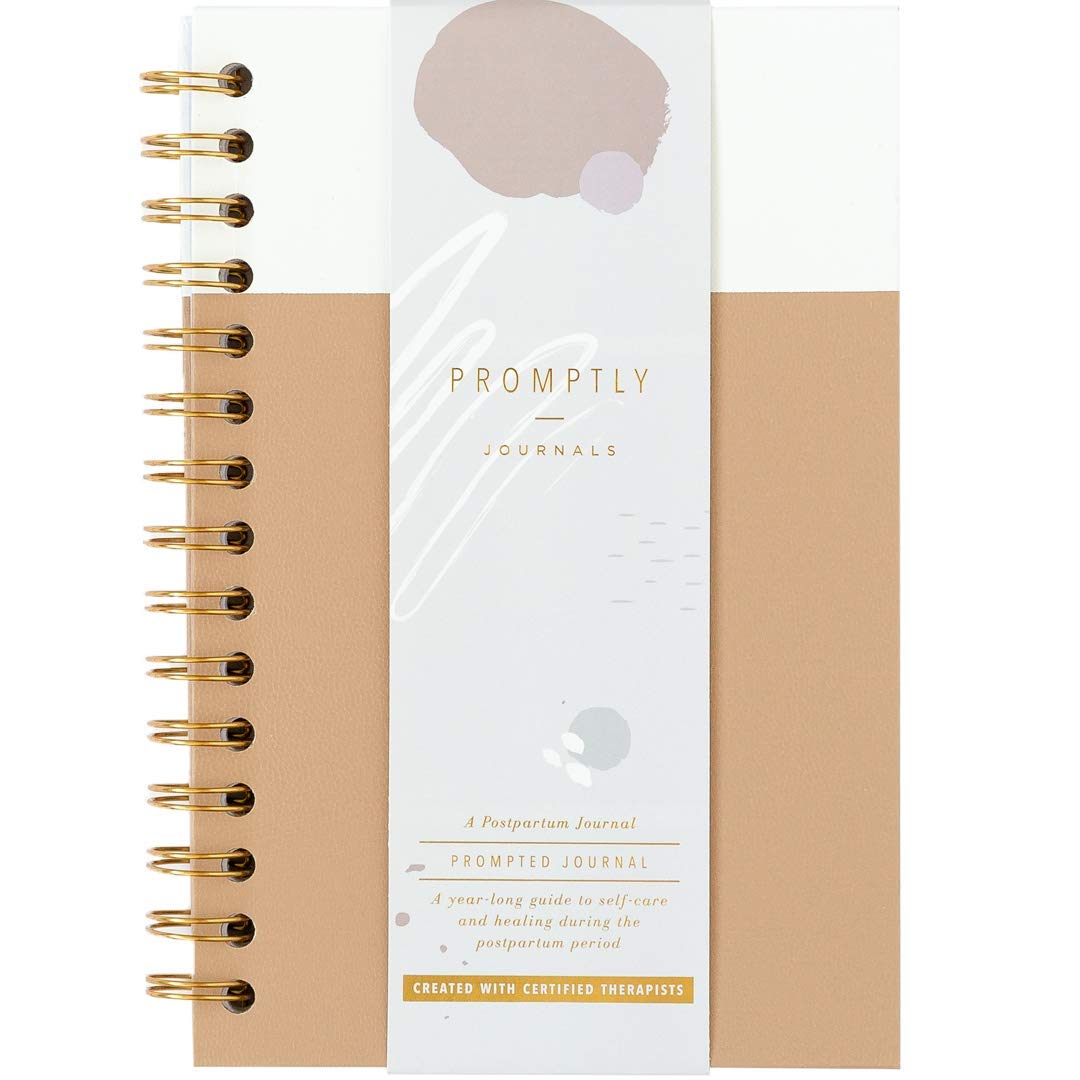
Promptly Journals Recovery Journal
Affordable, undated prompts for mental health healing, versatile for abuse self-help.
Best for: Budget option for check-ins and gratitude.
Price Range: $12.99