Recovering from abuse can feel overwhelming, leaving you with lingering pain, self-doubt, and emotional scars. Self-help books offer a gentle, accessible starting point for understanding your experiences and beginning the healing process from the comfort of home. You're not alone, and taking this step shows incredible strength.
In this guide, you'll learn how to select, read, and apply self-help books effectively for emotional recovery. We'll cover creating a safe routine, active reading techniques, journaling, and tracking progress. Expect gradual insights over time—no quick fixes, but real empowerment. Dedicate 20-45 minutes daily; beginners can see initial clarity in 2-4 weeks.
This complements therapy—consult a professional for personalized support. Let's start your journey.
▸What You'll Need
- •1-2 abuse recovery self-help books (required; see recommendations)
- •Notebook or journal (required)
- •Pen or digital note-taking app (required)
- •Quiet, safe space (required)
- •Optional: Highlighter or sticky notes for marking books
- •Optional: Therapist or support hotline contact (for safety)
Estimated Time: 20-45 minutes daily for 4-6 weeks (ongoing practice recommended)
Difficulty: beginner
▸Step-by-Step Instructions
Step 1: Choose the Right Self-Help Book
Start by selecting a book tailored to your abuse experience (e.g., emotional, narcissistic, or physical). Research reviews on sites like Goodreads or Amazon for beginner-friendly ones with practical exercises. Focus on books validated by therapists or survivors.
Why it matters: The right book resonates, validating your feelings and providing tools. Expect to spend 1-2 days browsing; success looks like a book that feels approachable, not overwhelming.
Pro tip: Start with one book to avoid overload.
💡 Tips:
- •Read sample chapters via Amazon preview.
- •Prioritize books with workbooks or exercises.
⚠️ Warnings:
- •Avoid unverified authors; stick to bestsellers with expert endorsements.
Step 2: Set Up Your Safe Reading Space
Find a private, comfortable spot free from interruptions—perhaps a cozy chair with blankets or soft lighting. Have your book, journal, and pen ready. Set boundaries, like silencing your phone.
This builds emotional safety, crucial for processing trauma. Success: You feel calm and focused for 20+ minutes. Why? Abuse recovery requires a trigger-free zone to absorb content.
💡 Tips:
- •Add comforting items like tea or a favorite scent.
- •Schedule sessions at low-stress times, e.g., mornings.
Step 3: Read Actively with Annotations
Read 10-20 pages daily, highlighting key phrases and noting reactions in margins or journal. Pause to reflect: 'How does this relate to my story?'
Active reading turns passive info into personal insight. Expect emotional waves—tears or anger are normal. Success: 3-5 notes per session connecting book to your life.
💡 Tips:
- •Use colors: yellow for insights, pink for triggers.
- •Read aloud for deeper processing.
⚠️ Warnings:
- •Don't rush; skimming reduces retention.
Step 4: Journal Your Reflections Daily
After reading, write freely for 10 minutes: What validated you? What hurt? Track patterns in abuse dynamics.
Journaling externalizes pain, fostering clarity. Why it matters: Reinforces book lessons. Success: Pages filling with honest entries, noticing shifts in self-perception.
💡 Tips:
- •Use prompts like 'One takeaway today?'
- •Date entries for progress tracking.
Step 5: Complete Book Exercises
Tackle exercises like affirmations, boundary-setting worksheets, or visualization. Do one per session.
These build skills practically. Expect discomfort turning into empowerment. Success: Completed worksheets leading to small actions, like saying 'no' more.
💡 Tips:
- •Adapt exercises to your pace.
- •Photograph progress for motivation.
⚠️ Warnings:
- •Stop if overwhelmed; breathe deeply.
Step 6: Apply Insights to Real Life
Identify one actionable step weekly, e.g., limiting contact with toxic people or practicing self-compassion.
Application cements recovery. Track in journal. Success: Behavioral changes, like reduced anxiety.
💡 Tips:
- •Start small: One boundary per week.
Step 7: Track Progress and Review Weekly
End each week reviewing journal: What shifted? Re-read highlights.
This measures growth. Success: Noticing patterns like less self-blame.
💡 Tips:
⚠️ Warnings:
- •Plateaus are normal; persist.
Step 8: Build Support and Transition
Share insights anonymously online or with a trusted friend. Finish book? Pick next.
Community accelerates healing. Success: Feeling connected, ready for more.
💡 Tips:
- •Join Reddit r/CPTSD or survivor forums.
▸Pro Tips
- •Combine with walks for 'embodied' reflection—movement processes trauma.
- •Audiobooks for multitasking, but pair with notes.
- •Set 'grace days' if emotional fatigue hits.
- •Pair books thematically: validation first, tools second.
- •Use apps like Day One for digital journaling.
- •Revisit chapters monthly for reinforcement.
- •Celebrate micro-wins with self-care rewards.
▸Common Mistakes to Avoid
- •Rushing through without reflection—leads to superficial understanding; pause and journal always.
- •Ignoring triggers—causes re-traumatization; create safety first.
- •Expecting instant healing—recovery is gradual; track long-term.
- •Reading alone without application—knowledge stays theoretical; act on one insight weekly.
- •Choosing wrong books—overly academic ones overwhelm beginners; pick practical, survivor-focused.
▸Troubleshooting
Problem: Feeling overwhelmed or triggered
Solution: Pause reading, practice grounding (5-4-3-2-1 senses exercise), contact hotline like RAINN (1-800-656-4673). Resume slower.
Problem: No emotional progress after 2 weeks
Solution: Review journal for subtle shifts; switch books or add therapy. Consistency over intensity.
Problem: Struggling to journal
Solution: Start with bullet points or voice notes. Use guided prompts from books.
Problem: Isolation feels worse
Solution: Seek group support like online forums or therapist. Books are a start, not solo.
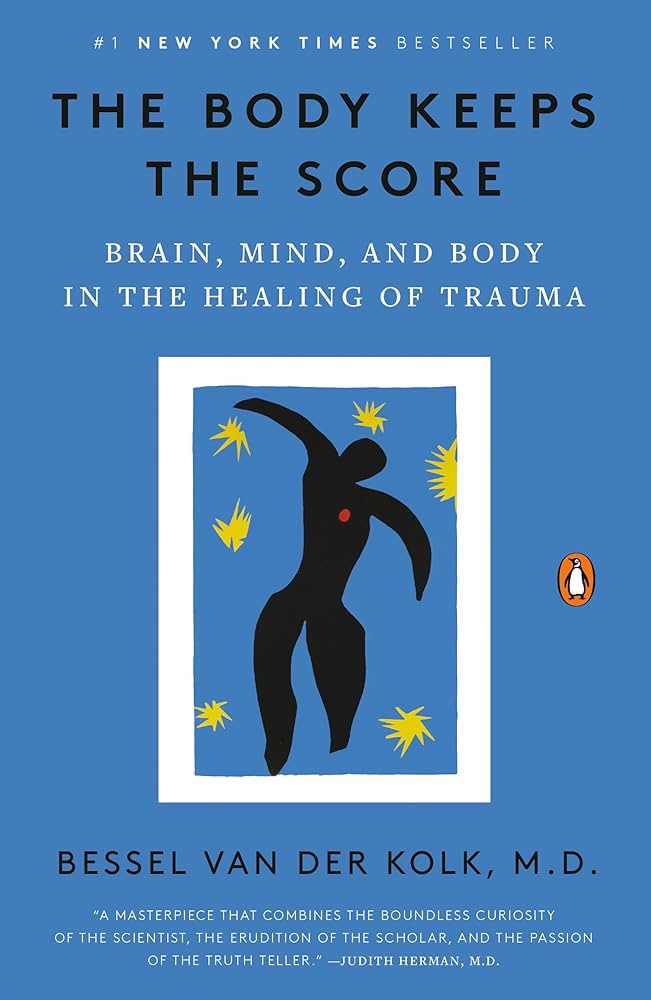
The Body Keeps the Score by Bessel van der Kolk
Science-backed guide on trauma's body impact with recovery exercises; ideal for beginners understanding abuse effects.
Best for: Daily reading to grasp why you feel stuck and learn somatic healing.
Price Range: $15-$18
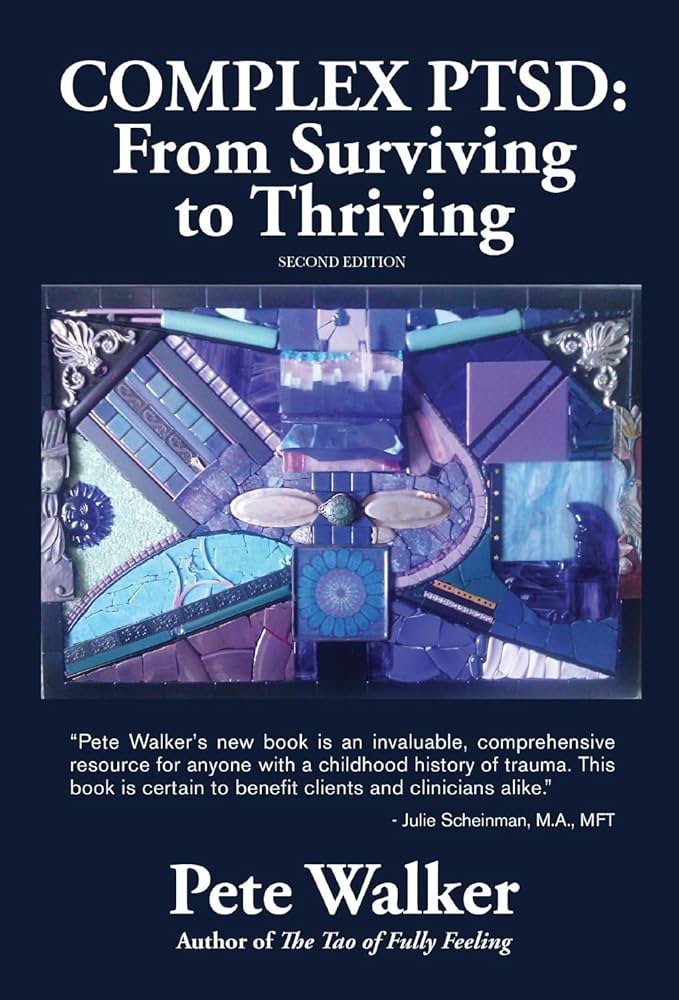
Complex PTSD: From Surviving to Thriving by Pete Walker
Practical tools for emotional abuse survivors, with manager modes and recovery steps.
Best for: Journaling emotional flashbacks and building inner strength.
Price Range: $20-$25
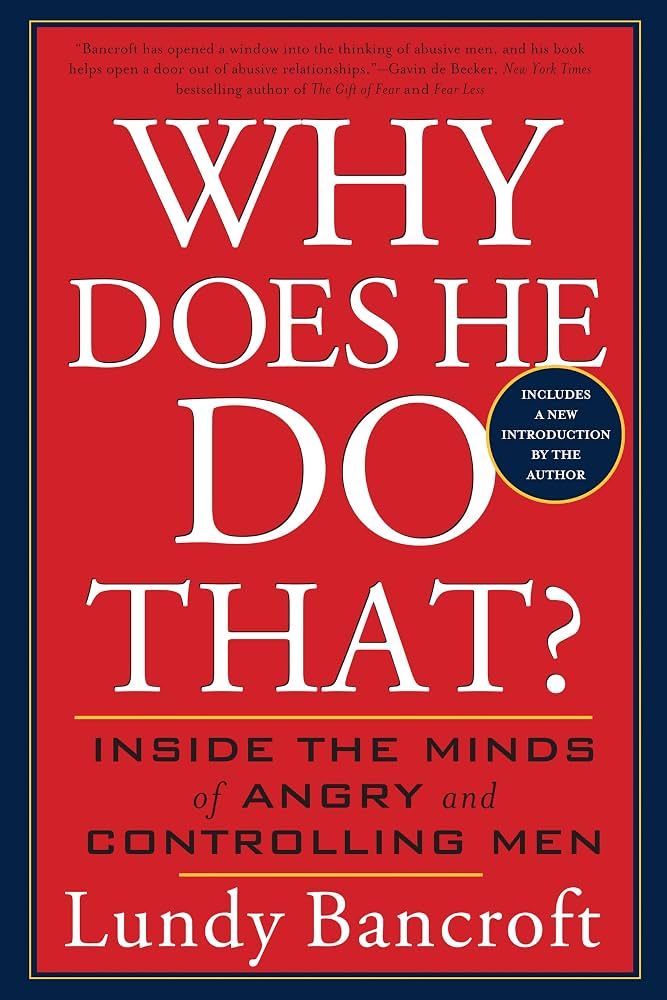
Why Does He Do That? by Lundy Bancroft
Demystifies abuser tactics, empowering victims to recognize patterns and reclaim power.
Best for: Reflection on past relationships to prevent repeats.
Price Range: $14-$16
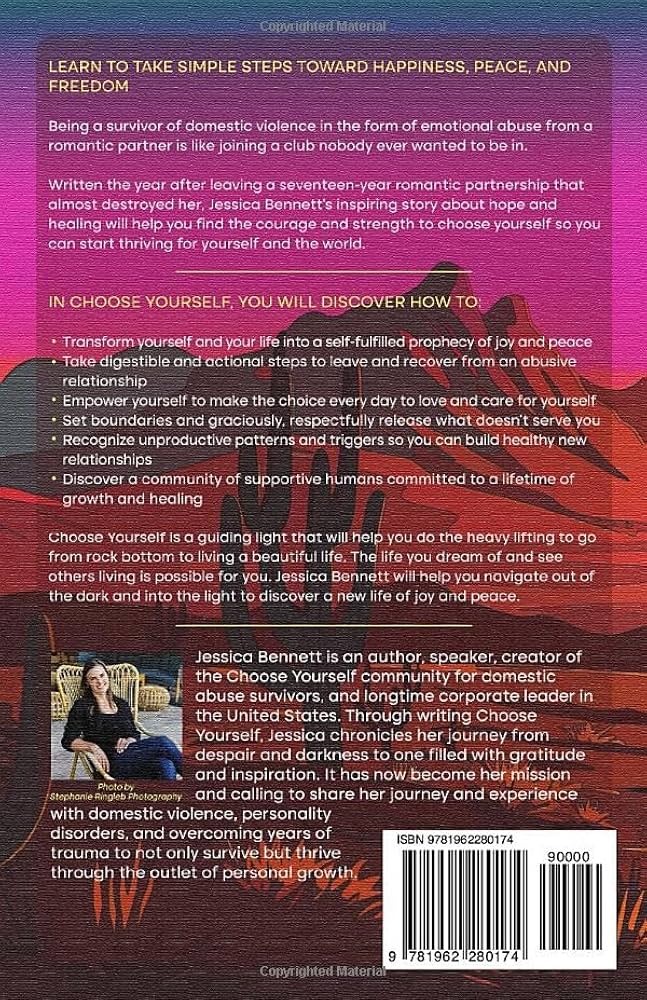
The Emotional Abuse Recovery Workbook by Jessica T. Bennett
Fillable exercises for daily practice, structured for beginners.
Best for: Step 5 exercises for hands-on boundary work.
Price Range: $12-$15
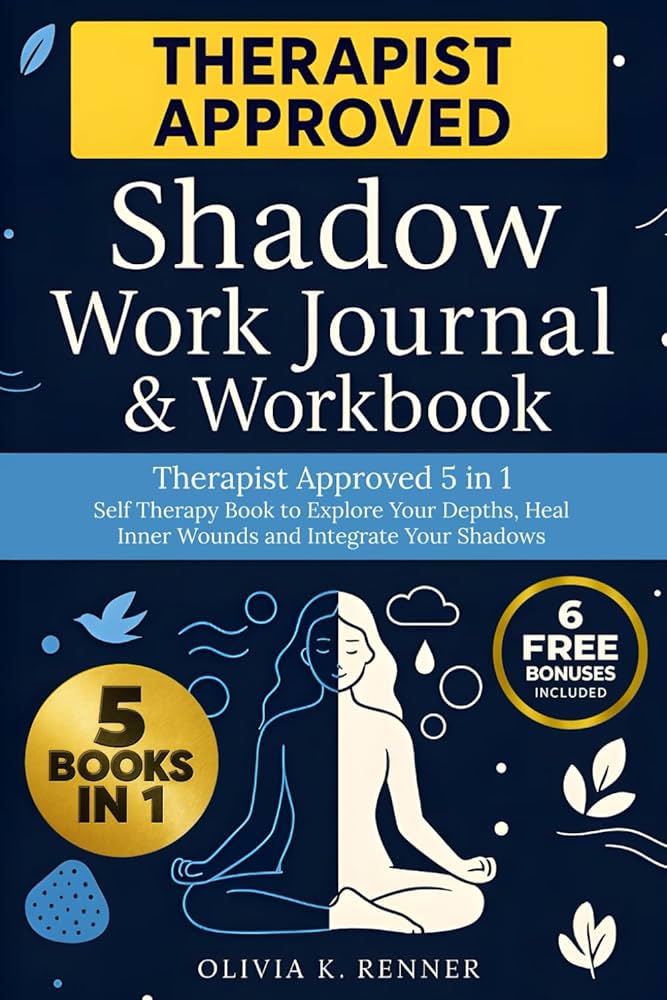
Shadow Work Journal: Self-Care Workbook
Guided prompts for deep reflection, complements any book.
Best for: Daily journaling to process book insights.
Price Range: $8-$12