
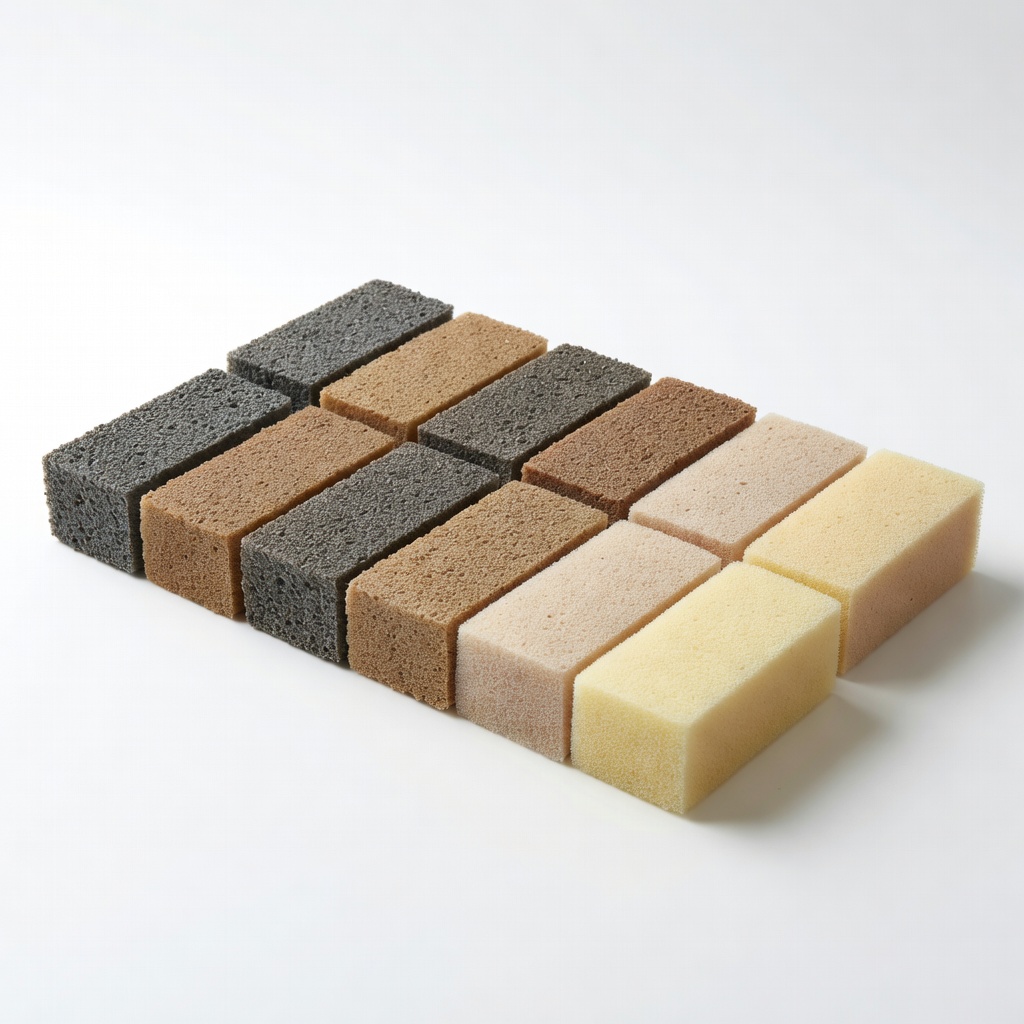
WORKPRO 12-Piece Sanding Sponge Set
Manual sanding on wood or metal contours; all grits included.
$12.99
WORKPRO 12-Piece Sanding Sponge Set Ultra-flexible sponges conform perfectly to any curve without digging in.
Get the App
Better experience on mobile
Achieve smooth, even finishes on curves with abrasive products using proven techniques for professional results.
Finishing curved surfaces like chair legs, car body panels, or rounded metal edges often leads to frustrating gouges, uneven sanding marks, or overheating if you're using the wrong abrasives or techniques. Intermediate DIYers and fabricators frequently struggle here because standard flat sanding methods don't conform well to contours.
In this guide, you'll learn step-by-step how to select, apply, and progress abrasives for flawless curved finishes on wood, metal, or composites. We'll cover manual and powered options, safety, and pro tips. Expect 45-90 minutes per project, depending on surface size—perfect for intermediate skill levels with basic sanding experience.
By the end, your curves will have a mirror-like polish without flats or burns, saving time and materials.
Estimated Time: 45-90 minutes per surface (varies by size and tool use) Difficulty: intermediate
Set up in a well-ventilated area with good lighting. Cover surfaces to catch dust. Don your N95 mask, safety glasses, and gloves—this prevents inhaling fine particles and skin irritation from abrasives.
Why it matters: Curved sanding generates more airborne dust than flats. Expect a dusty mess; proper prep keeps it contained.
Lay out all tools for easy access.
💡 Tips:
⚠️ Warnings:
Choose flexible options: sanding sponges for manual work, mesh discs or flap wheels for power tools. Start with coarse (60-120 grit) for material removal, progressing to fine (400+).
Flexible formats conform without digging in. Test on scrap—success looks like even stock removal without flats.
💡 Tips:
⚠️ Warnings:
Wipe down with tack cloth or isopropyl alcohol. Inspect for defects like dents or glue—fill if needed and let cure.
Clean surfaces ensure abrasives cut evenly. Expect to reveal the true contour shape.
💡 Tips:
Wrap abrasive around sponge or use flap disc on low-speed rotary tool (1000-2000 RPM). Sand with light pressure, following the curve's natural path—short strokes, 45-degree angles.
Remove heavy material fast. Success: uniform rough texture, no deep scratches.
💡 Tips:
⚠️ Warnings:
For tight curves: flex pad to match radius. Orbital sander? Use softback pad. Manual: 'roll' sponge without twisting. Alternate directions to minimize swirls.
This prevents faceting. Expect smoother transition to next grit.
💡 Tips:
Switch to medium (150-220), then fine (320-400). Sand until previous scratches disappear—feel with fingertips.
Each grit refines the last. Success: buttery smooth by final grit.
💡 Tips:
⚠️ Warnings:
Wipe clean, shine light at angles for scratches. Buff with ultra-fine (1000+) or compound if needed. Vacuum thoroughly.
Final check ensures pro finish. Ready for paint/stain.
💡 Tips:
Dispose abrasives properly, wash hands/tools. Store dry.
Prevents contamination next time.
Problem: Uneven finish or flats
Solution: Switch to softer, more flexible abrasive and reduce pressure; re-sand coarse.
Problem: Sanding swirls or holograms
Solution: Change sanding direction 90° each grit; use random orbital motion.
Problem: Overheating/burning
Solution: Lower tool speed, wet sand, or take breaks; check for dull abrasive.
Problem: Abrasive loading/clogging
Solution: Tap off dust often, use mesh abrasives, or anti-loading types.
Ultra-flexible sponges conform perfectly to any curve without digging in.
Best for: Manual sanding on wood or metal contours; all grits included.
Price Range: $12.99
Bristle design hugs curves for even finishing without gouges.
Best for: Power rotary tools on larger curves like pipes or fenders.
Price Range: $15-$25
Dust-free mesh flexes well and lasts longer on contours.
Best for: Orbital sanders for intermediate-to-fine grits on composites.
Price Range: $20-$30 per pack
Flap design aggressively cuts curves evenly at angle.
Best for: Angle grinder for heavy stock removal on metal curves.
Price Range: $9.99
Final abrasive polish for swirl-free shine on finished curves.
Best for: DA polisher after sanding for automotive or high-gloss wood.
Price Range: $25-$30
Manual sanding on wood or metal contours; all grits included.
WORKPRO 12-Piece Sanding Sponge Set Ultra-flexible sponges conform perfectly to any curve without digging in.
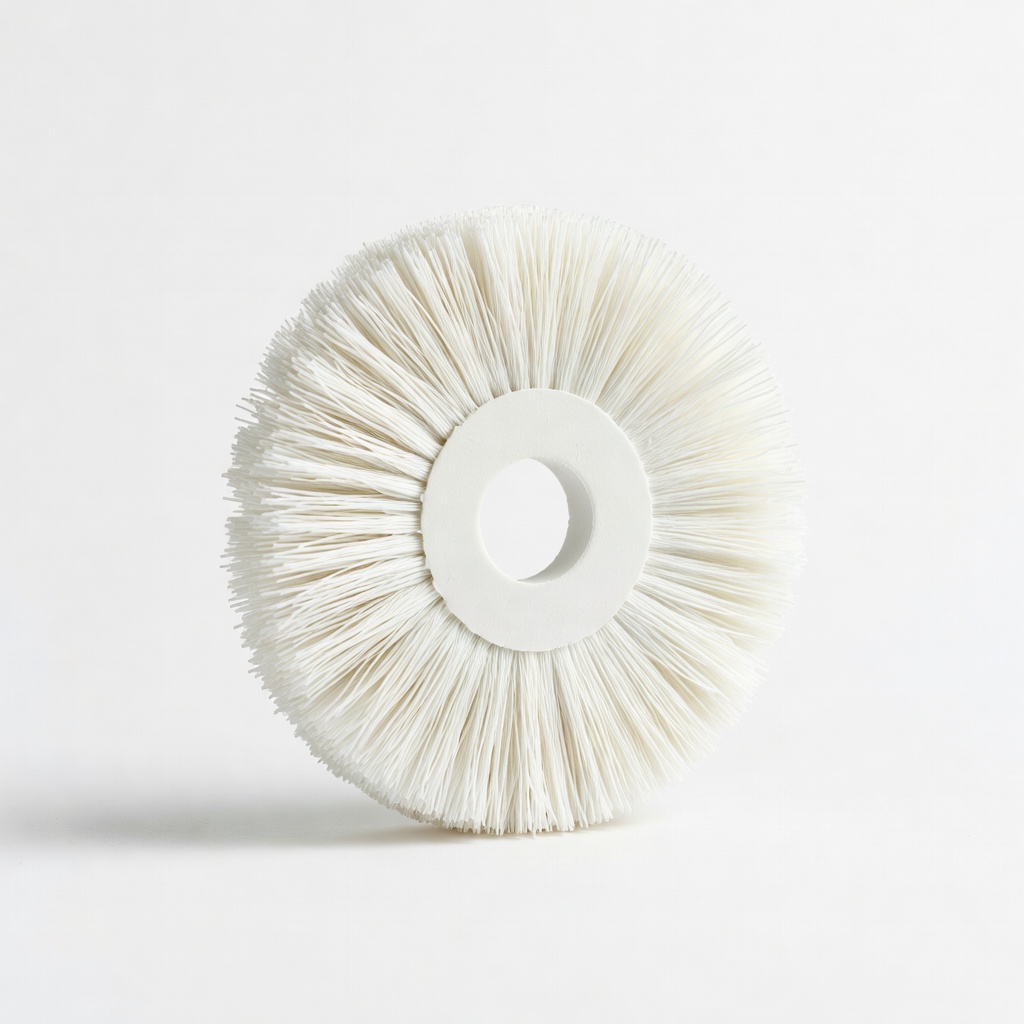
Power rotary tools on larger curves like pipes or fenders.
3M Scotch-Brite Radial Bristle Disc Bristle design hugs curves for even finishing without gouges.
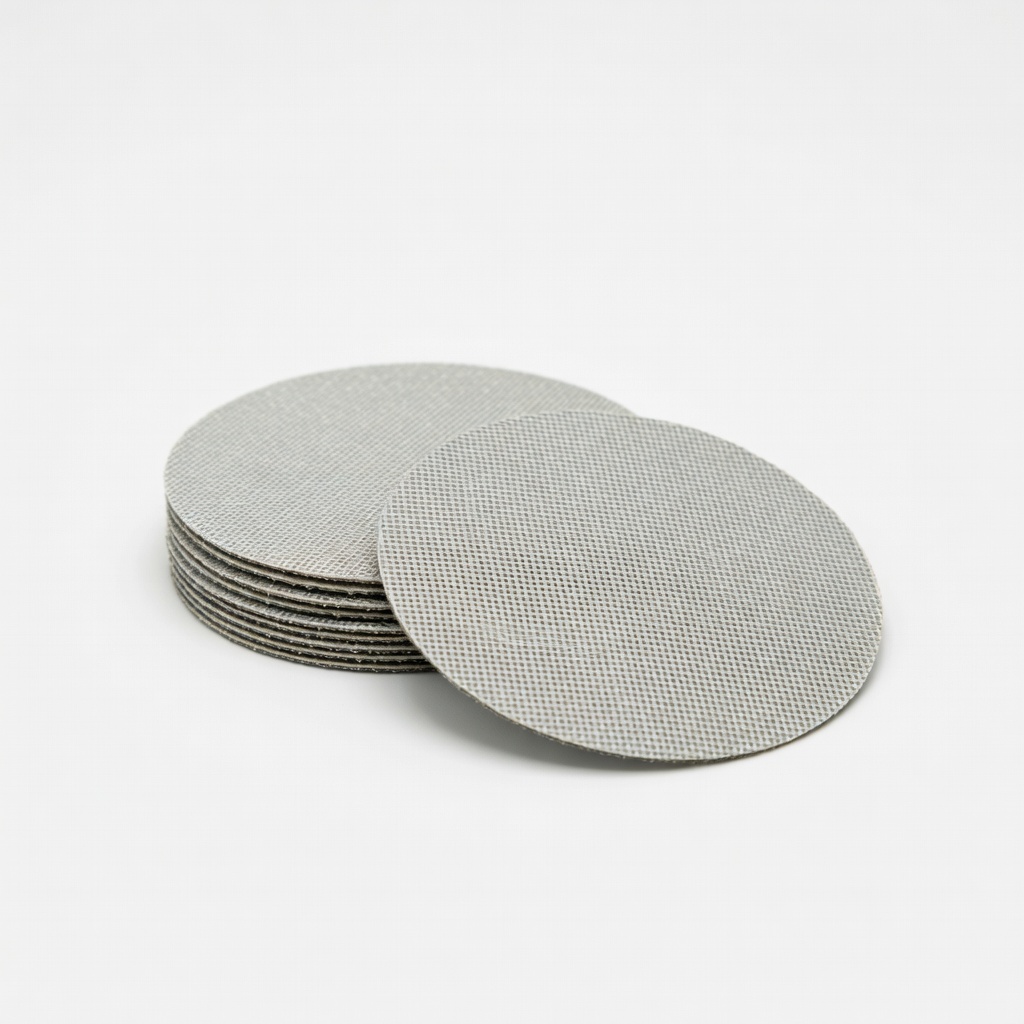
Orbital sanders for intermediate-to-fine grits on composites.
Mirka Abranet Mesh Sanding Discs (5-inch) Dust-free mesh flexes well and lasts longer on contours.
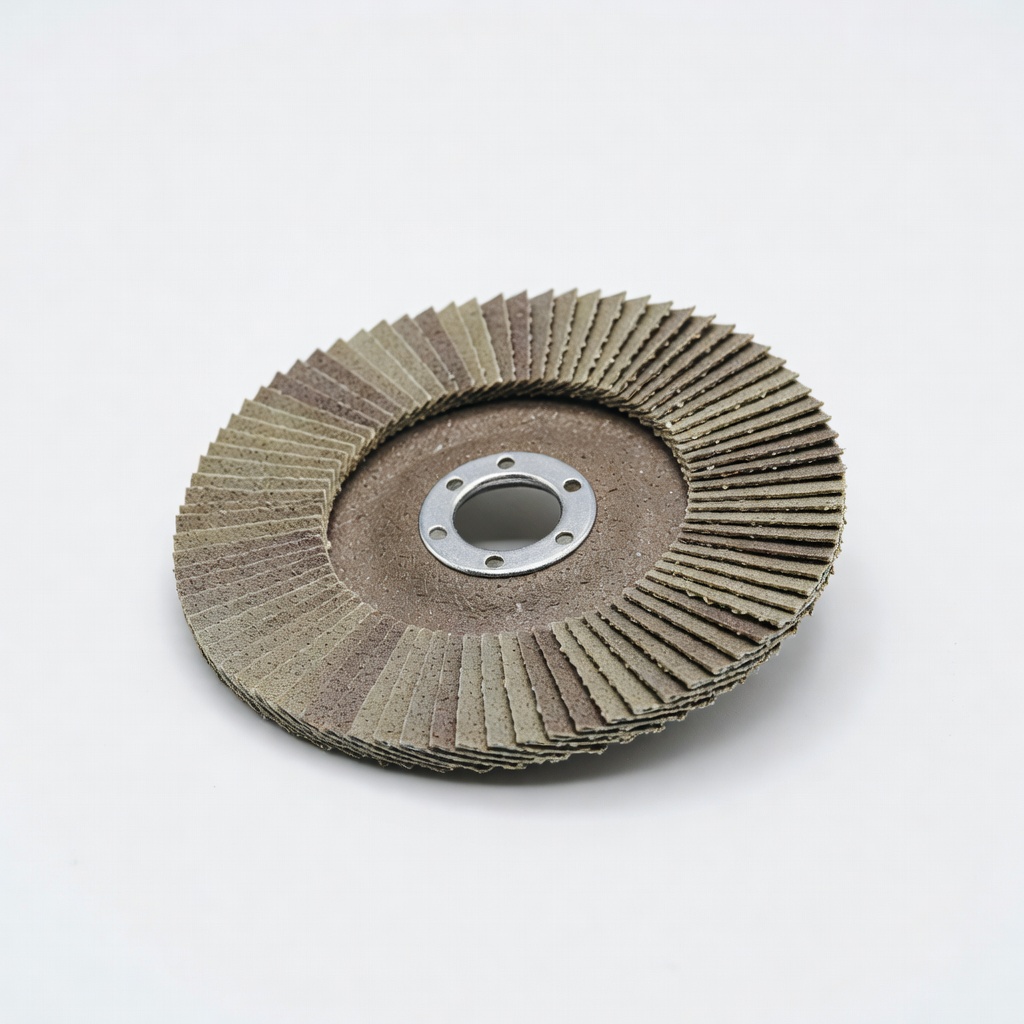
Angle grinder for heavy stock removal on metal curves.
SHDIATOOL 4" Flap Disc (40-400 Grit Options) Flap design aggressively cuts curves evenly at angle.
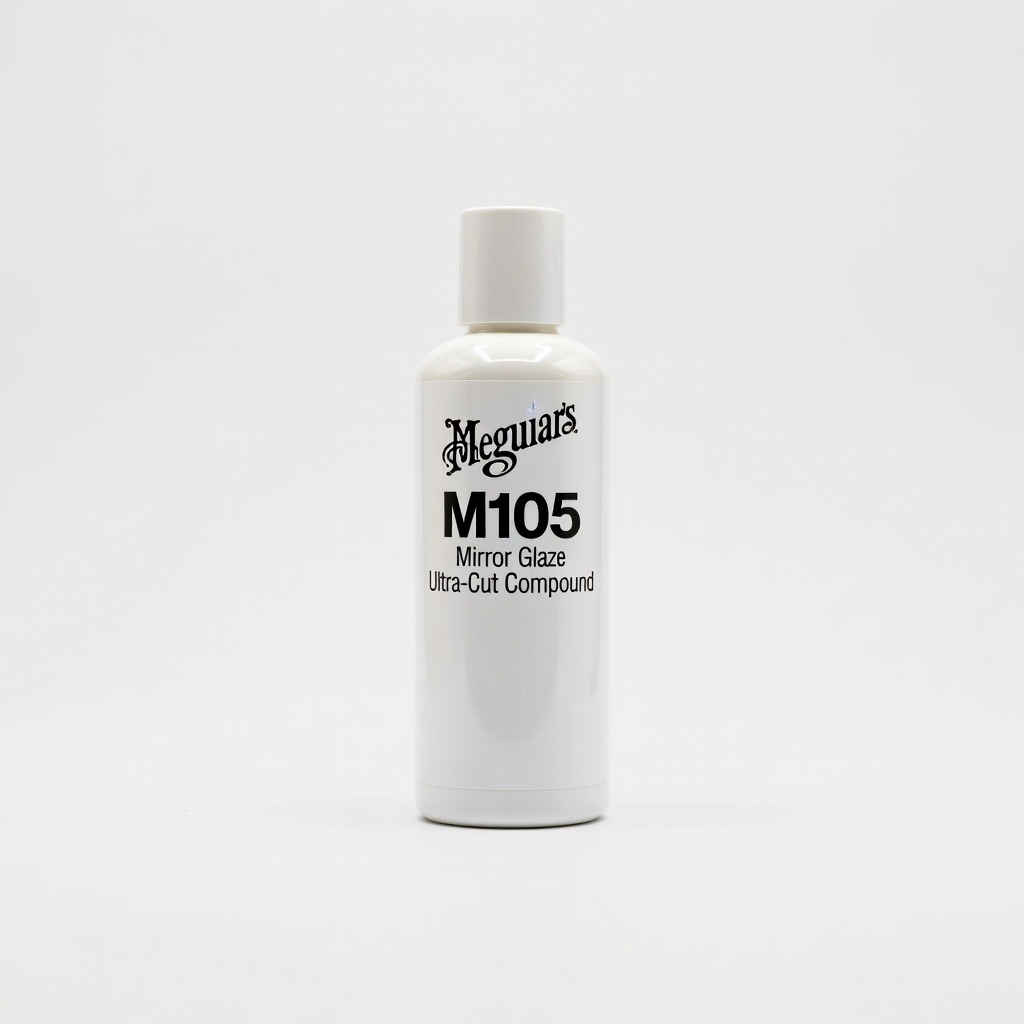
DA polisher after sanding for automotive or high-gloss wood.
Meguiar's M105 Mirror Glaze Ultra-Cut Compound Final abrasive polish for swirl-free shine on finished curves.