Deburring metal parts after cutting or drilling often leaves sharp, rough edges that can cause injuries or interfere with assembly. Manual filing is time-consuming and inconsistent, but using abrasive brushes on a power drill speeds up the process dramatically while delivering precise results. This guide is perfect for intermediate DIYers or metalworkers looking to elevate their workflow.
You'll learn step-by-step how to select, attach, and use abrasive brushes for deburring, including safety tips and best practices. Expect clean, burr-free edges ready for finishing or use. The process takes 15-30 minutes per workpiece, depending on size and burr severity.
No advanced skills needed beyond basic drill handling—follow these steps for flawless results every time.
▸What You'll Need
- •Cordless or corded power drill (variable speed recommended)
- •Abrasive brush (nylon filament for light deburring or crimped wire for heavy; 2-4 inch diameter)
- •Metal workpiece with burrs (e.g., drilled holes or cut edges)
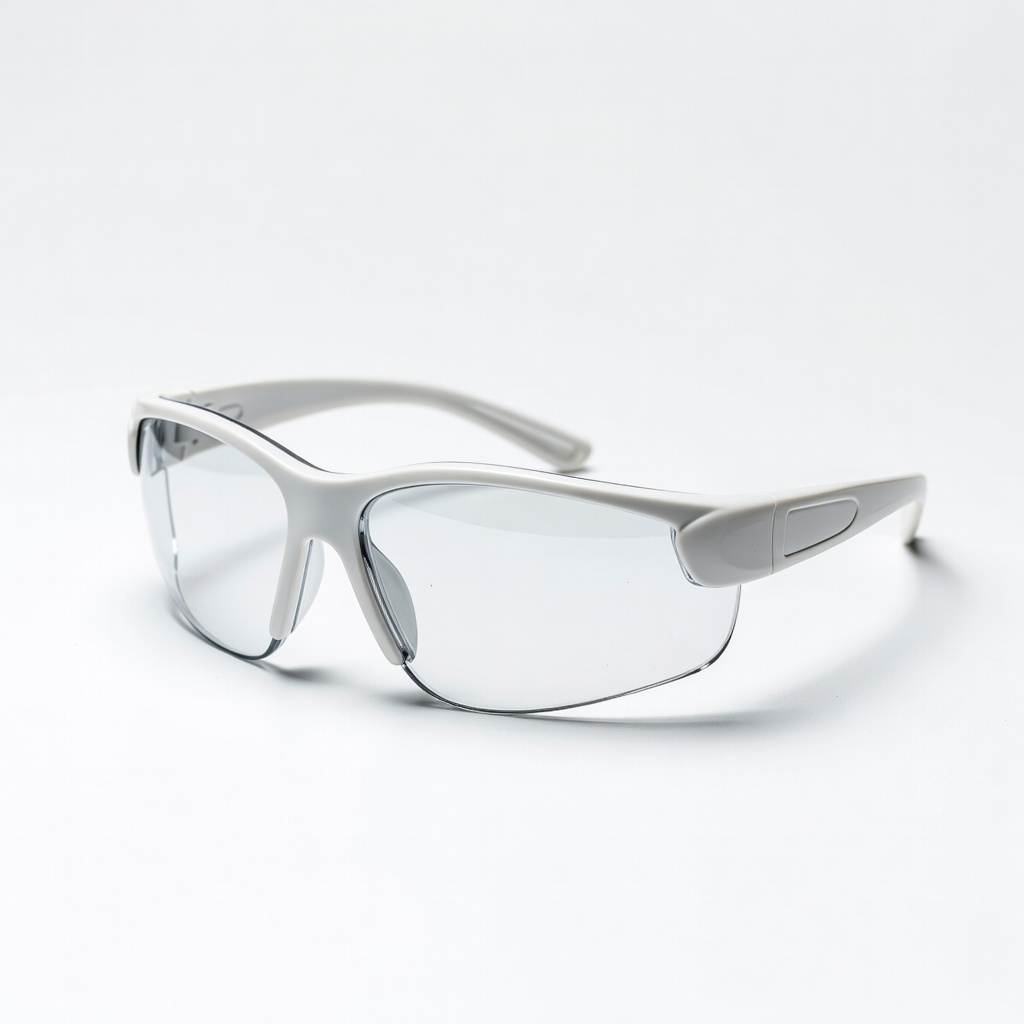
- •Safety gear: ANSI-rated safety glasses, work gloves, dust mask or respirator
- •Vise, clamps, or workbench to secure workpiece (required)
- •Lubricant or light oil (optional, for heavy deburring)
- •Scrap metal for testing (optional but recommended)
Estimated Time: 15-30 minutes per workpiece
Difficulty: intermediate
▸Step-by-Step Instructions
Step 1: Gather Materials and Don Safety Gear
Collect all tools and materials listed. Put on safety glasses, gloves, and a dust mask before starting—this protects against flying debris, metal particles, and dust.
Why it matters: Deburring creates fine particles that can irritate eyes and lungs. Success looks like a clutter-free workspace with you fully protected, ready to proceed without interruptions.
💡 Tips:
- •Keep a shop vac nearby for quick cleanup.
⚠️ Warnings:
- •Never skip PPE; particles from nylon or wire brushes can embed in skin or eyes.
Step 2: Select the Right Abrasive Brush
Choose nylon abrasive brushes (e.g., 120-320 grit) for light aluminum or plastic burrs, or crimped wire brushes for steel. Match brush diameter (2-4 inches) to your drill chuck (1/4-inch arbor standard) and workpiece size.
Inspect for damage. Success: Brush spins freely by hand and suits your material—nylon won't gouge soft metals, wire handles tough jobs.
💡 Tips:
- •Nylon lasts longer and generates less heat.
⚠️ Warnings:
- •Avoid knotted wire on thin materials—it snags and tears.
Step 3: Secure the Workpiece
Clamp the metal part firmly in a vise or with workbench clamps. Ensure edges with burrs are accessible but stable—no wobbling.
Why: Unsecured pieces fly or vibrate, causing poor results or injury. Success: Piece doesn't move when pushed hard by hand.
💡 Tips:
- •Use soft jaws or pads to avoid marring the workpiece.
Step 4: Attach Brush to Drill
Insert the brush arbor into the drill chuck. Tighten securely with the chuck key or keyless mechanism—give it an extra quarter-turn.
Test spin at low speed without contact. Success: Brush rotates smoothly without wobble or slipping.
⚠️ Warnings:
- •Loose chucks eject brushes at high RPMs.
Step 5: Set Optimal Drill Speed
For nylon brushes: 1,500-2,500 RPM. Wire brushes: 800-1,500 RPM. Start low to test. Variable-speed drills allow control.
Why: Too fast overheats and wears brush; too slow scratches. Success: Smooth hum, no vibration.
💡 Tips:
- •Mark RPM settings with tape for repeat use.
Step 6: Test on Scrap Material
Run the brush lightly over scrap matching your workpiece. Apply minimal pressure, let abrasives do the work. Check for smoothness.
Adjust speed/pressure if needed. Success: Burrs removed without gouging base metal.
⚠️ Warnings:
- •Excess pressure digs grooves—use light touch.
Step 7: Deburr the Workpiece
Hold drill perpendicular to edge. Move steadily at 45-degree angle along burrs, overlapping passes. Use short bursts for holes.
Apply lubricant if heating occurs. Success: Edges feel smooth to fingernail—no sharpness.
💡 Tips:
- •Work in sections; let cool between passes.
Step 8: Inspect, Clean, and Store
Run finger over edges—should be rounded/smooth. Wipe debris, vacuum area. Remove brush, clean with brush or air, store dry.
Success: Professional finish, no residue.
⚠️ Warnings:
- •Store brushes flat to prevent filament damage.
▸Pro Tips
- •Always deburr in a well-ventilated area or use a respirator for fine dust.
- •For intricate parts, use smaller end brushes instead of wheel types.
- •Pair with a dust collection attachment on your drill for cleaner work.
- •Light oil reduces friction on stainless steel, preventing work-hardening.
- •Practice on various metals to learn brush life—nylon lasts 10x longer than wire.
- •Angle brush 10-15 degrees for curved edges to avoid flat spots.
- •Batch-process similar parts for efficiency.
▸Common Mistakes to Avoid
- •Using high speed on nylon brushes—causes melting; stick to 2,000 RPM max.
- •Excessive pressure—gouges metal; let rotation remove burrs.
- •Skipping workpiece securing—leads to slips, uneven results, or kickback.
- •Wrong brush type (e.g., knotted wire on aluminum)—tears material.
- •Ignoring heat buildup—pauses prevent brush glazing or metal warping.
▸Troubleshooting
Problem: Brush wobbles or vibrates
Solution: Tighten chuck fully or replace bent arbor. Balance by spinning briefly.
Problem: Brush loads up with metal (clogs)
Solution: Clean with wire pick or compressed air between passes. Use lubricant.
Problem: Edges still sharp after passes
Solution: Switch to finer grit nylon or slower speed with more passes. Check for missed burrs.
Problem: Excessive heat or sparks
Solution: Lower RPM, add lubricant, take breaks. Wire brushes spark more—normal on steel.
Problem: Drill stalls
Solution: Reduce pressure; use higher-torque drill if frequent.
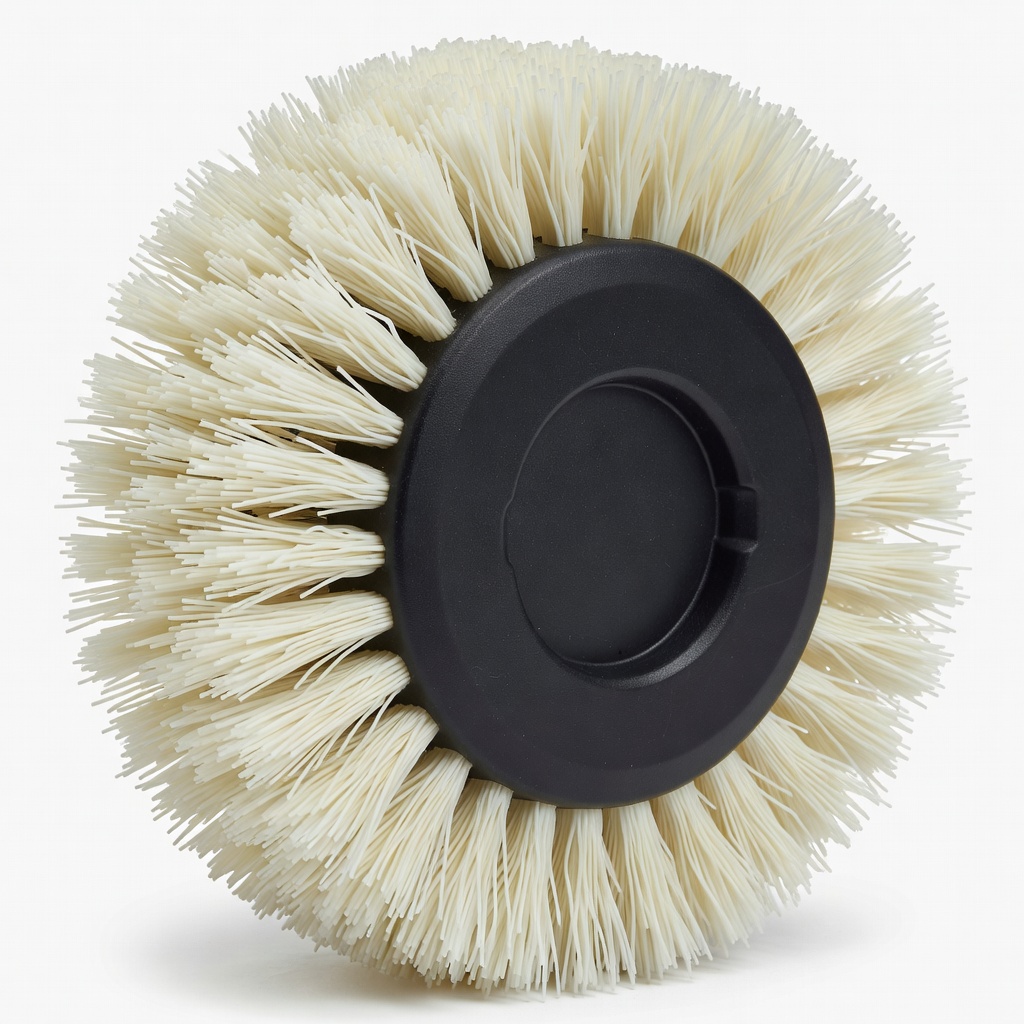
Weiler 804-10027 3-Inch Nylon Abrasive Radial Brush
Excellent for light-to-medium deburring on aluminum/steel; flexible nylon filaments remove burrs without gouging.
Best for: General hole edges and flat surfaces; long-lasting for intermediates.
Price Range: $12-15
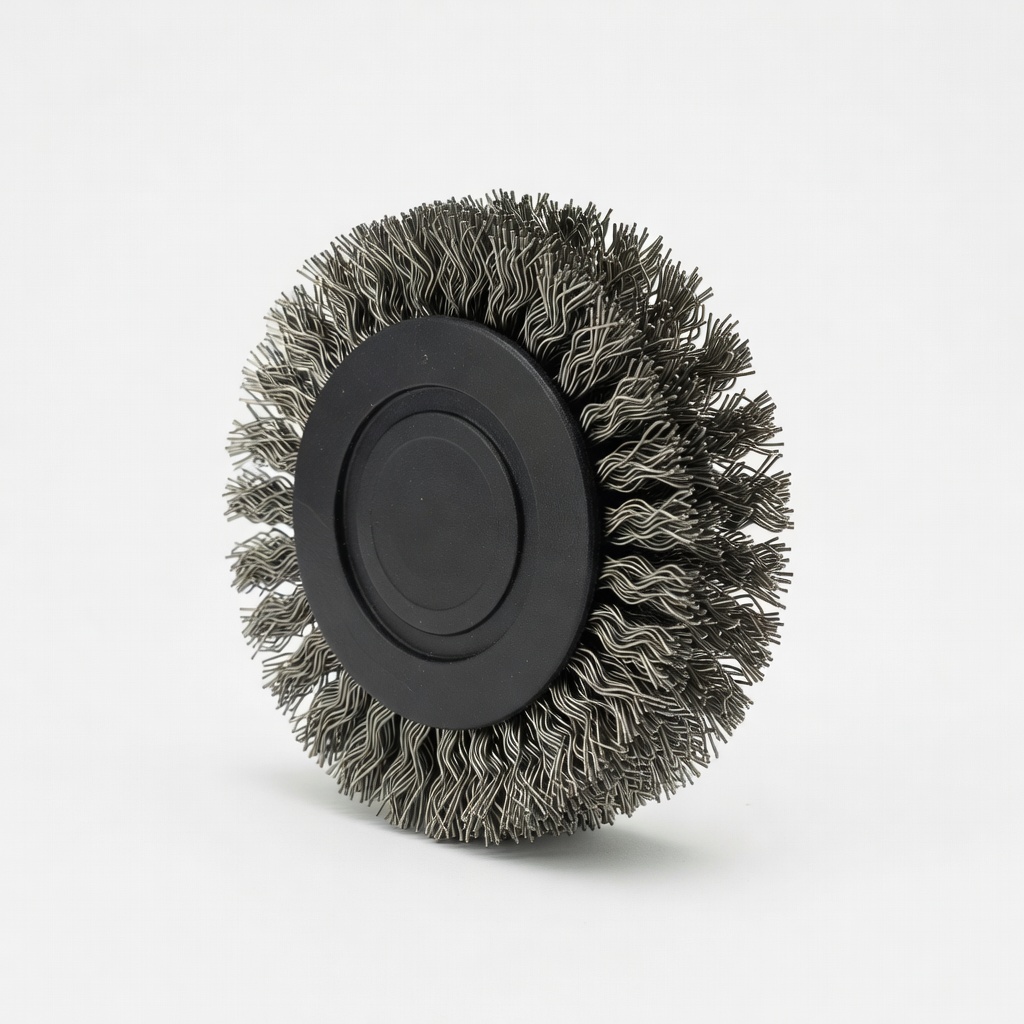
Forney 72732 4-Inch Crimped Wire Wheel Brush
Heavy-duty for tough steel burrs; bi-metal wire resists wear.
Best for: Thick metal plates or welds; pairs with low RPM.
Price Range: $8-10
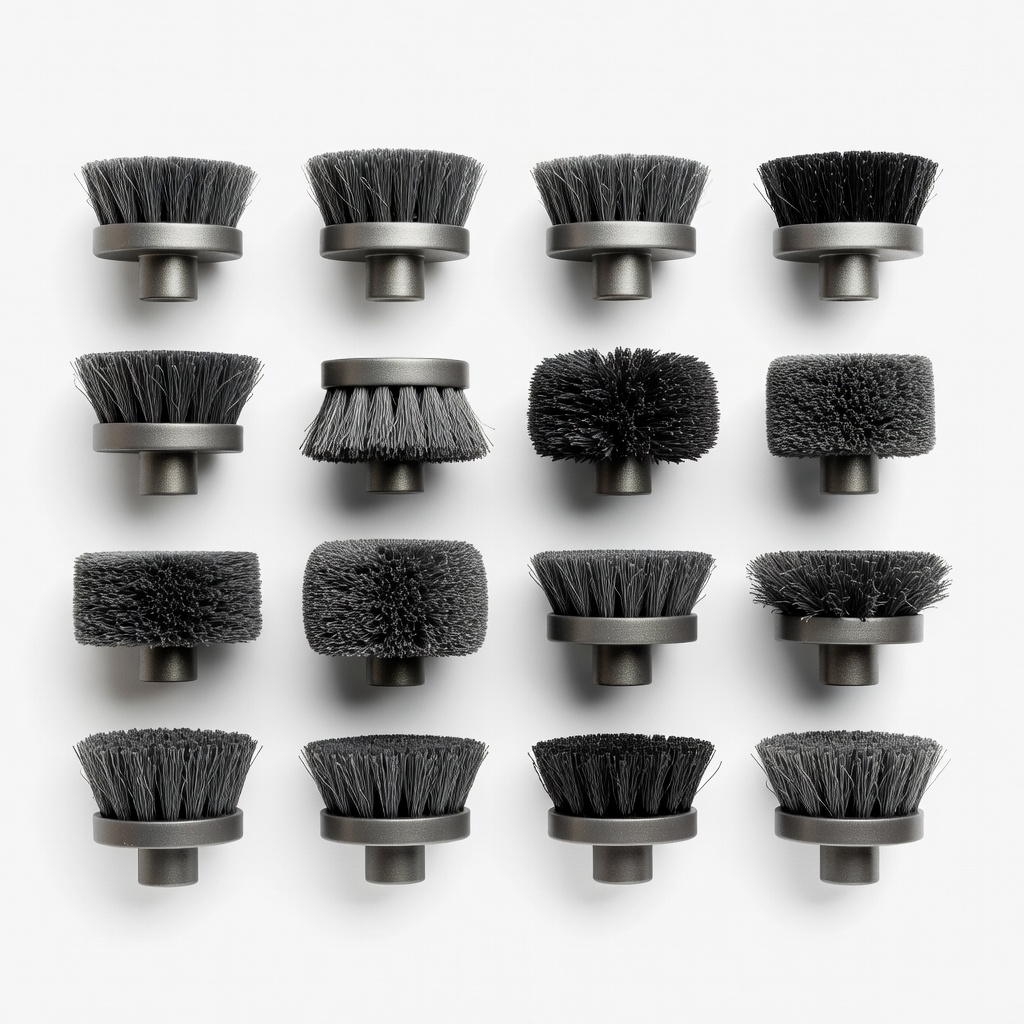
AUSTOR 12 Pieces Nylon Abrasive Brushes Drum Set
Affordable variety (different grits/shapes) for versatility in deburring tasks.
Best for: Mixed projects or tight spaces like drilled holes.
Price Range: $14.99
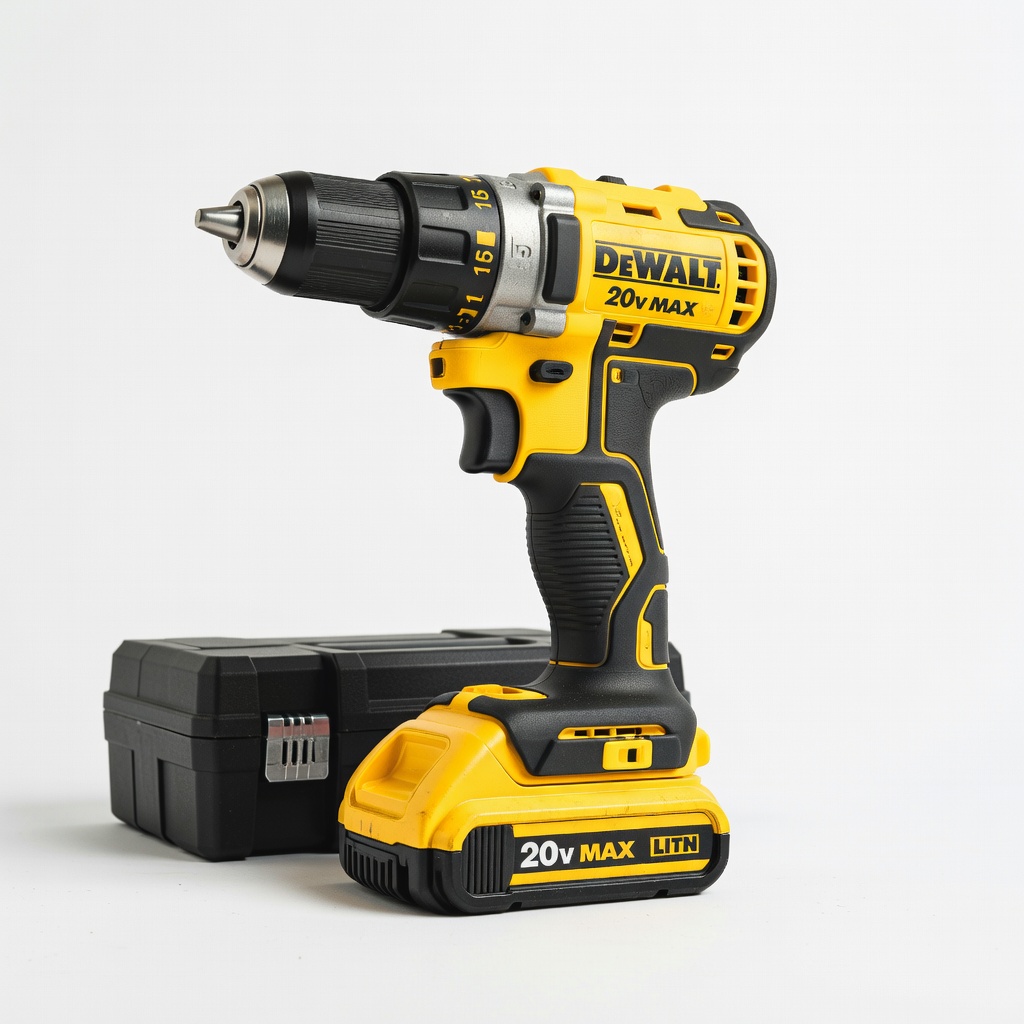
DeWalt 20V MAX Cordless Drill/Driver Kit
Variable speed (0-2,000 RPM) and high torque ideal for controlled brush use.
Best for: Portable deburring station; battery lasts multiple sessions.
Price Range: $99-129
NoCry Safety Glasses
Clear, anti-fog lenses with side shields block metal dust effectively.
Best for: Essential PPE for all deburring to prevent eye injuries.
Price Range: $11.99