▸Why Cold Weather Kills Battery Performance
Imagine your flashlight dying during a winter hike or your remote-start key fob failing in a snowstorm. Cold temperatures (below 32°F/0°C) drastically reduce alkaline AAA battery capacity by up to 60%, causing voltage drops and quick failures. This guide solves that.
▸What You'll Achieve
You'll learn to select, prepare, and protect AAA batteries for low-temp use, extending runtime by 3-5x. Expect 20-30 minutes to set up your system, suitable for intermediate users with basic DIY skills.
▸Quick Overview
We'll cover battery selection, preheating, insulation, and monitoring—proven methods from outdoor experts and battery specs.
▸What You'll Need
- •Lithium AAA batteries (required for best cold performance)
- •Hand warmers or body heat source (required)
- •Insulation materials: foam, neoprene sleeve, or ziplock bag (required)
- •Digital thermometer or multimeter (optional but recommended)
- •Electrical tape or rubber bands (optional for securing)
Estimated Time: 20-30 minutes for initial setup; 2-5 minutes per use
Difficulty: intermediate
▸Step-by-Step Instructions
Step 1: Choose Lithium AAA Batteries Over Alkaline
Start by selecting the right batteries. Alkaline AAAs lose power rapidly below freezing due to slowed chemical reactions, but lithium AAA batteries (lithium-iron disulfide chemistry) maintain 80-90% capacity down to -40°F/-40°C.
Why it matters: Lithium batteries have lower internal resistance in cold, preventing voltage sag. Buy fresh stock with long expiration dates (5-10 years).
Success looks like: Batteries labeled 'Ultimate Lithium' or 'lithium primary' in packaging—no rechargeables, as NiMH also struggle in extreme cold.
💡 Tips:
- •Check voltage with multimeter: >1.5V per cell at room temp.
⚠️ Warnings:
- •Avoid mixing battery types—can cause leaks or imbalance.
Step 2: Test Batteries at Room Temperature
Before cold exposure, verify battery health. Insert into your device indoors (68-77°F/20-25°C) and run under load (e.g., flashlight on high for 5 minutes).
Measure open-circuit voltage: lithium should read 1.7-1.8V fresh. Under load, stable >1.4V.
What to expect: Good batteries hold voltage; discard if below 1.5V unloaded.
💡 Tips:
- •Use a battery tester tool for quick pass/fail.
⚠️ Warnings:
- •Don't test in cold first—false failures mislead.
Step 3: Preheat Batteries Before Insertion
Warm batteries to 70-100°F/21-38°C for 10-15 minutes. Place in pocket against body, use hand warmer packets, or warm water bath (not boiling).
Why: Raises electrolyte activity, boosting initial output by 200-300%.
Success: Feel warm to touch (not hot >120°F/49°C to avoid damage). Insert immediately into device.
💡 Tips:
- •Body heat is free and consistent—ideal for field use.
⚠️ Warnings:
- •Never microwave or use direct flame—explosion risk.
Step 4: Insulate the Device and Batteries
Wrap device in foam, neoprene, or aluminum foil-lined ziplock. Add dead air space with bubble wrap. Secure with tape.
Why it matters: Traps body/device heat, slows cooling to <10°F/hr loss.
Expect: Device surface stays 10-20°F warmer than ambient.
💡 Tips:
- •Use camouflage neoprene for outdoor gear.
⚠️ Warnings:
- •Avoid airtight seals—moisture buildup causes corrosion.
Step 5: Incorporate Active Heating if Needed
For extreme cold (<-10°F), attach disposable hand warmers to battery compartment exterior. Activate warmer 30 min prior.
Why: Provides 100-130°F heat source, sustaining batteries >32°F internally.
Success: Monitor with thermometer—target 60°F+ inside.
💡 Tips:
- •Cut warmers to fit snugly without direct battery contact.
⚠️ Warnings:
- •Remove warmer if device warms excessively—overheat risk.
Step 6: Monitor and Rotate Batteries
Check performance every 15-30 min in use. Swap with pre-warmed spares if output drops (dim light, slow motor).
Store spares warm indoors or in heated bag.
What success looks like: Consistent runtime matching room-temp tests.
💡 Tips:
- •Label spares with test date/voltage.
⚠️ Warnings:
- •Don't recharge lithium primaries—fire hazard.
Step 7: Store Batteries Properly Post-Use
Remove from device, let cool to room temp slowly. Store at 50-77°F/10-25°C in original packaging or plastic case.
Why: Prevents deep discharge damage in cold-soaked batteries.
Expect: Ready for next use after re-test.
💡 Tips:
- •FIFO rotation: first in, first out.
⚠️ Warnings:
- •Never store in freezer—condensation ruins them.
▸Pro Tips
- •Keep a 'warm pocket' kit: batteries + warmer in ziplock for instant access.
- •For multi-battery devices, preheat all at once in a shared warmer.
- •Test full device runtime in fridge (35°F) to simulate/prep.
- •Use voltage alarm apps/devices for real-time monitoring.
- •Layer insulation: foil reflects heat, foam insulates.
- •Buy in bulk—lithium AAAs cost 2x alkaline but last 5x in cold.
- •Pair with low-drain devices to maximize life.
▸Common Mistakes to Avoid
- •Using alkaline batteries—lose 50%+ capacity; switch to lithium.
- •Inserting cold batteries directly—immediate failure; always preheat.
- •Poor insulation leading to rapid cooldown; add multiple layers.
- •Ignoring storage—cold batteries self-discharge faster; warm store.
- •Overheating with warmers—monitor temps to avoid swelling.
▸Troubleshooting
Problem: Device starts strong but dies quickly
Solution: Insufficient preheating or insulation; extend warm time to 20 min and add foil layer.
Problem: Batteries leak or corrode
Solution: Moisture ingress from poor seals; dry thoroughly and use silica packets in storage.
Problem: Voltage drops under load despite lithium
Solution: Old batteries; test and replace—lithium shelf life is 10+ years but check date.
Problem: Device won't power on at all
Solution: Extreme cold sag; warm entire device 30 min, check connections for ice.
Energizer Ultimate Lithium AAA Batteries, 8 Count
Top-rated for cold weather with 90% capacity retention to -40°F, 7x longer life than alkaline.
Best for: Flashlights, remotes, thermometers in winter sports/hiking.
Price Range: $12.99-$15.99
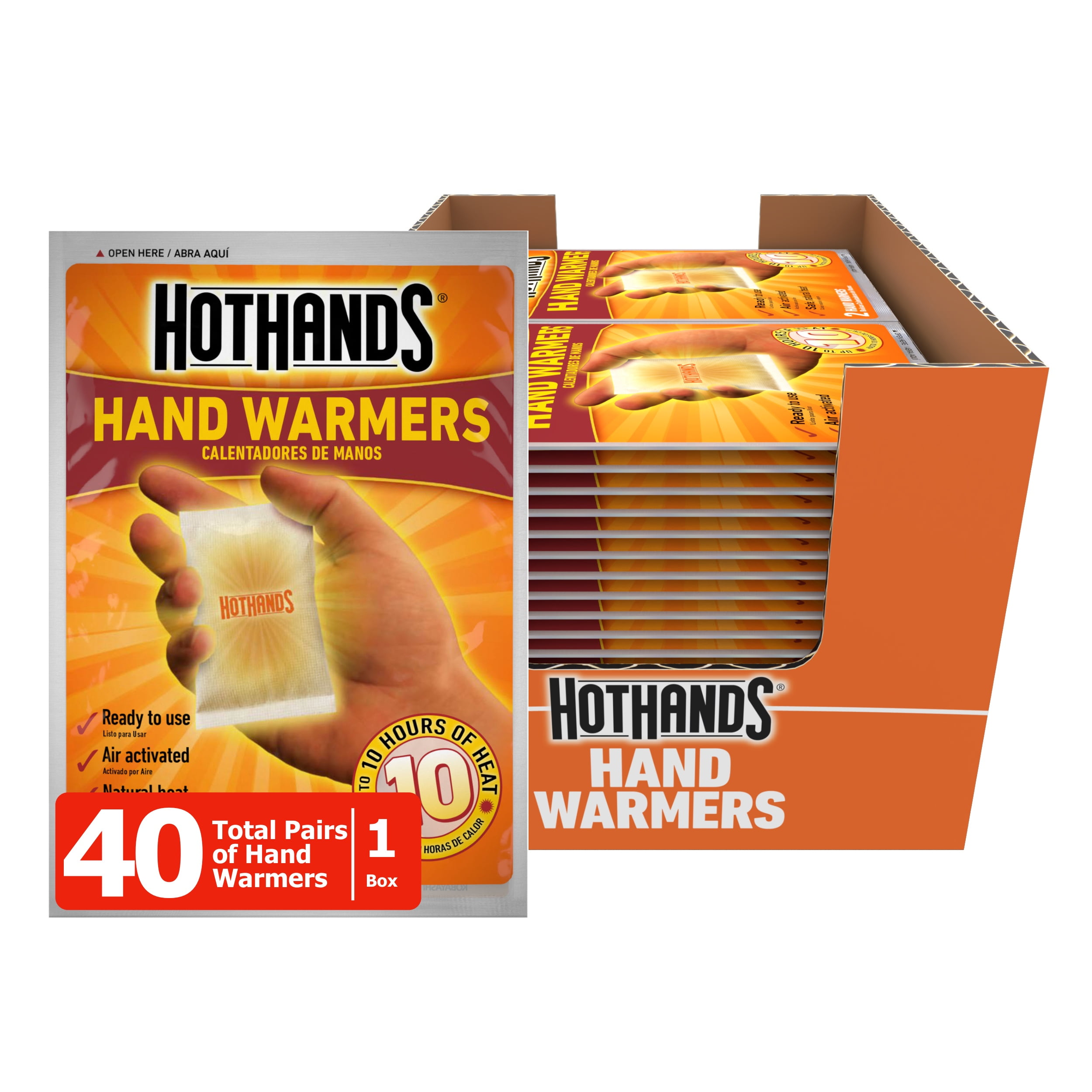
HotHands Hand Warmers, 40 Pair Value Pack
Reliable 8-10 hour heat at 130°F to preheat batteries safely and effectively.
Best for: Attach to devices or pocket-carry batteries during sub-zero activities.
Price Range: $19.99
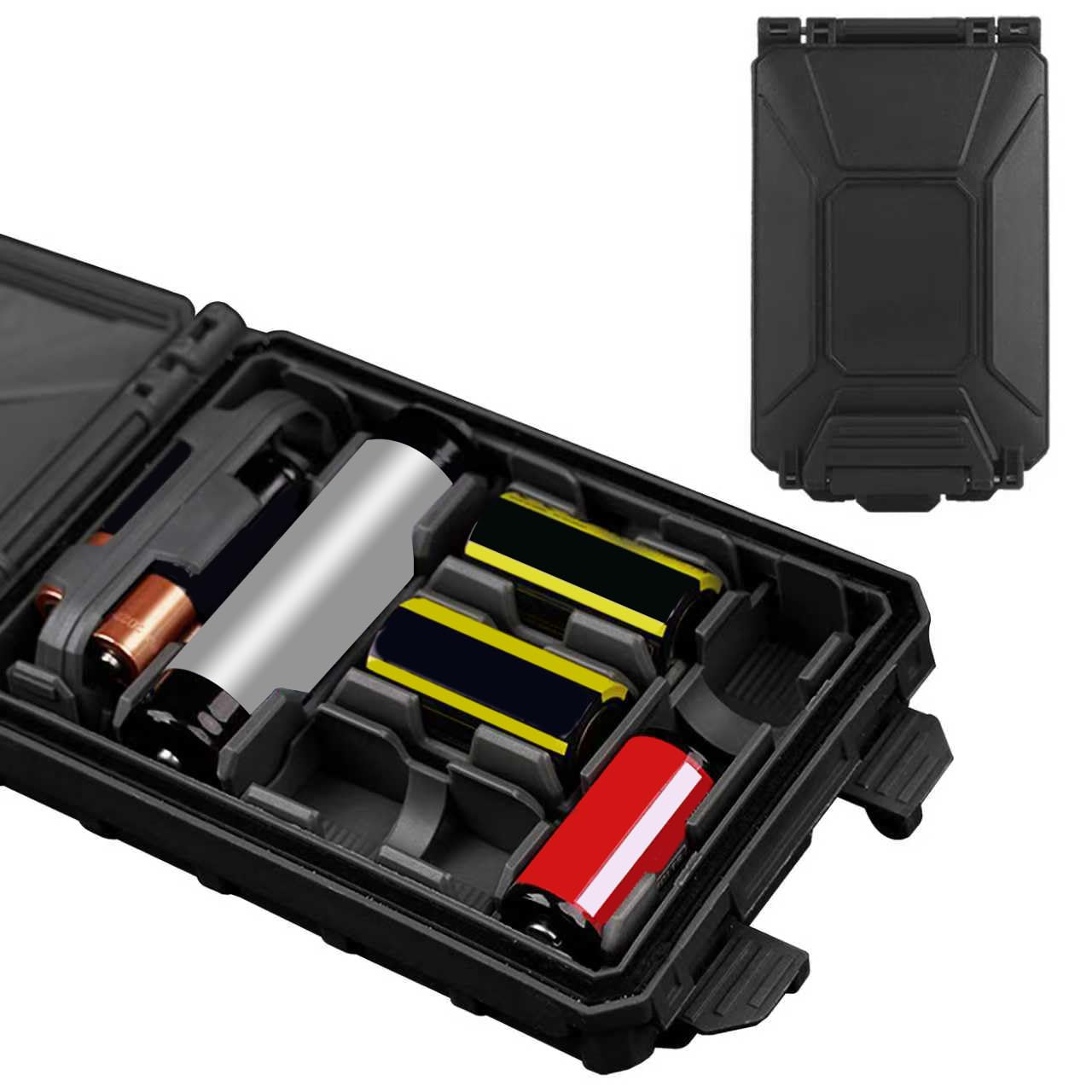
Neoprene Battery Sleeve/Holder for AAA (Hunting/Outdoor)
Insulates against cold while allowing easy swap; retains heat 2x longer.
Best for: Headlamps, GPS units in backcountry.
Price Range: $8.99-$12.99
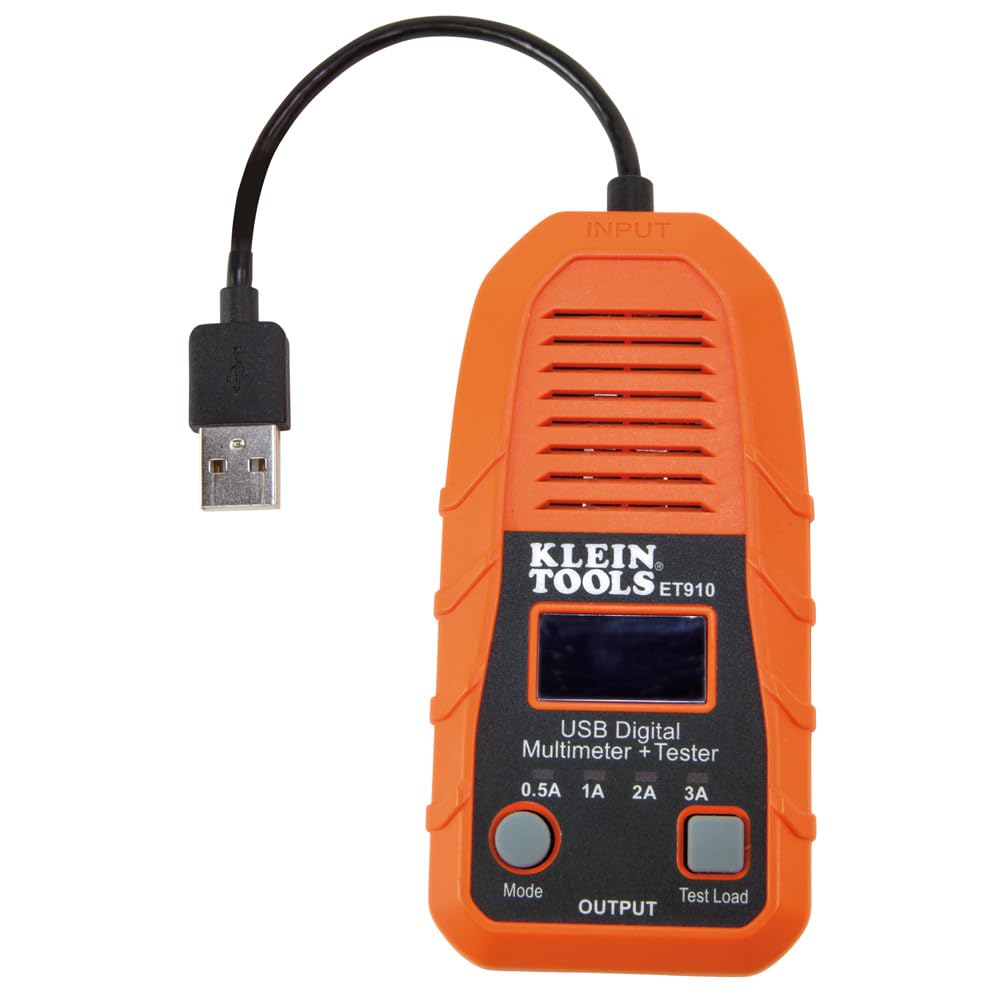
Klein Tools ET910 Digital Battery Tester
Accurate voltage/load test for lithium AAAs; confirms cold-readiness.
Best for: Pre- and post-use checks for critical gear.
Price Range: $29.99
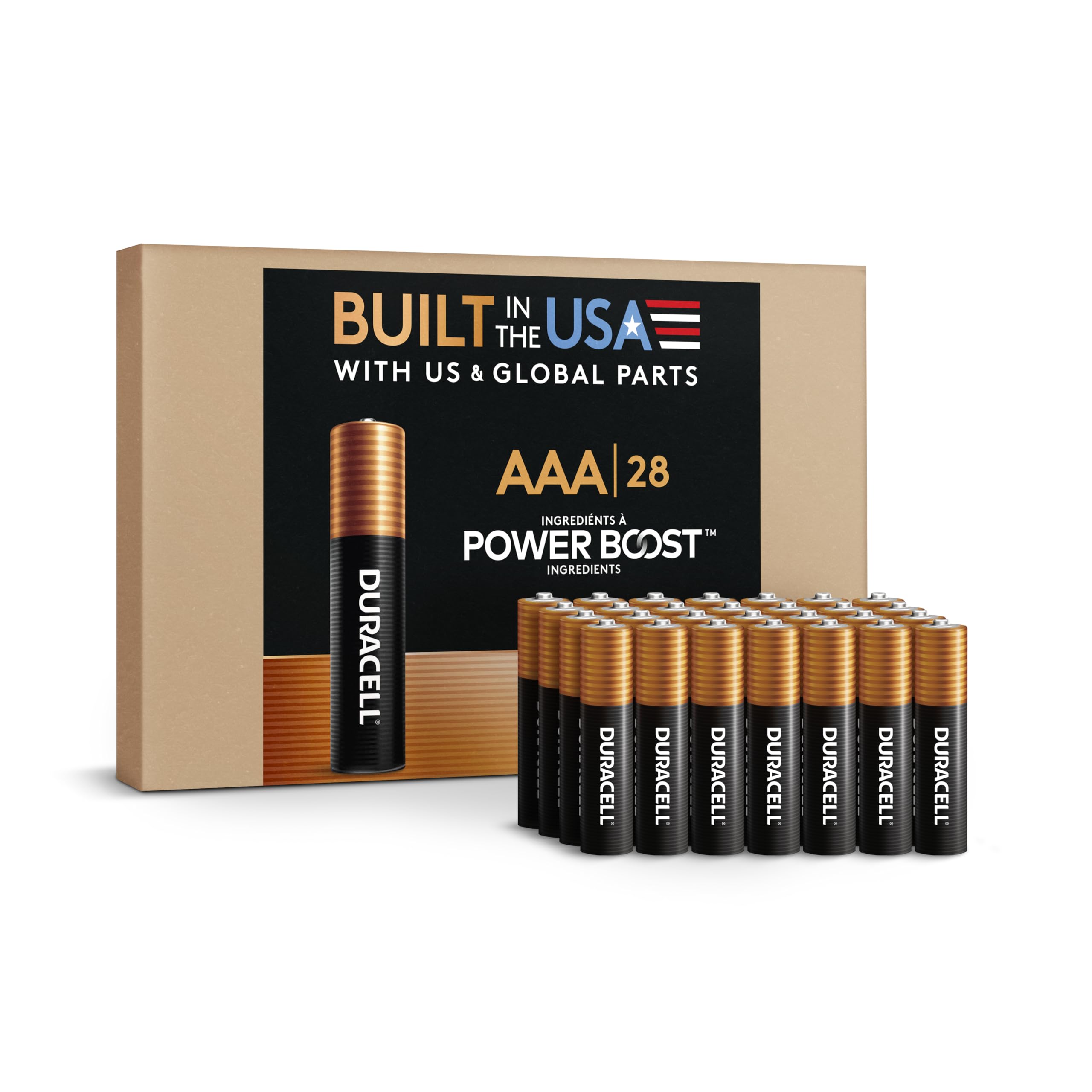
Duracell Optimum AAA Batteries (Premium Alkaline Alternative)
Better cold performance than standard alkaline if lithium unavailable; 4x life.
Best for: Budget option for mild cold (above 0°F).
Price Range: $9.99 for 8-pack