
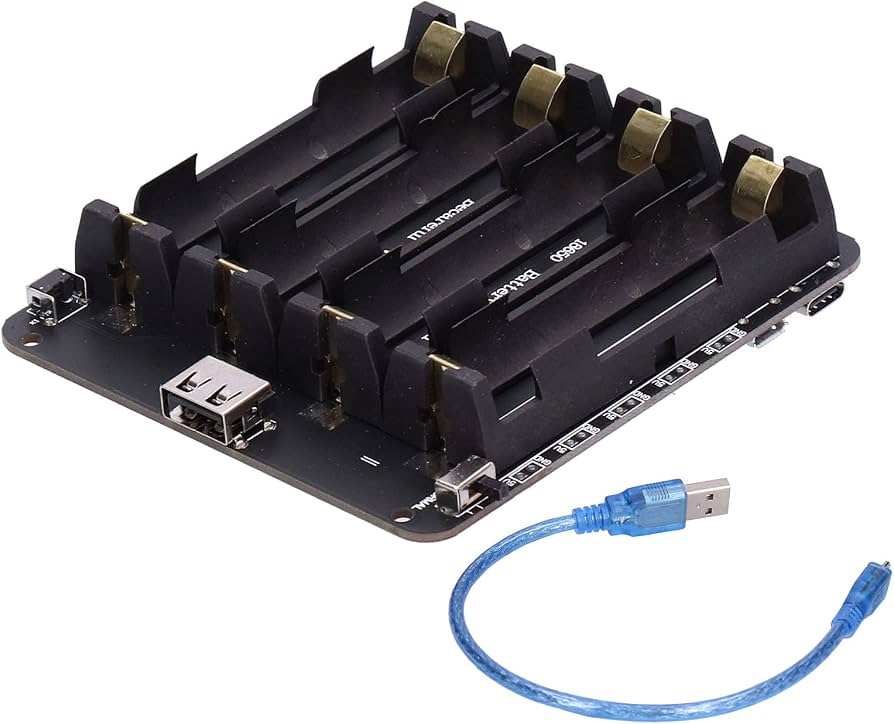
HiLetgo 4 AA 1.5V Battery Holder with Switch (Series/Parallel)
DIY projects needing quick series/parallel swaps.
$9.99
HiLetgo 4 AA 1.5V Battery Holder with Switch (Series/Parallel) Versatile holder simplifies switching configs without rewiring.
Get the App
Better experience on mobile
Master series for higher voltage and parallel for longer runtime with safe, step-by-step instructions for your DIY electronics projects.
Ever run into a project where standard AA batteries don't pack enough punch? Whether you're powering a motor, LED strip, or custom gadget, connecting AA batteries in series or parallel unlocks more voltage or capacity without buying specialty cells. This guide solves that pain point by teaching you exactly how to do it safely.
You'll learn the electrical basics, hands-on wiring techniques, testing methods, and pro tips to avoid shocks or fires. By the end, you'll confidently configure battery packs for any intermediate DIY need. Expect 20-30 minutes total, assuming basic soldering or wire skills—no advanced electronics degree required.
We'll cover theory first, then practical builds for both configurations, with multimeter verification at each stage for foolproof results.
Estimated Time: 20-30 minutes Difficulty: intermediate
Before wiring, grasp the concepts: Series connects positive (+) of one battery to negative (-) of the next, adding voltages (e.g., 4 AA = 6V total) but same capacity (mAh). Parallel links all + together and all - together, keeping voltage at 1.5V but doubling capacity (longer runtime).
Why it matters: Wrong config fries components. Expect series for motors (higher V), parallel for lights (longer life). Review diagrams: series is a chain, parallel is side-by-side.
Visualize success: Sketch on paper—series voltages sum, parallel amps sum.
💡 Tips:
⚠️ Warnings:
Lay out your what-you-need list. Insert batteries into holders without connecting yet. Check each AA with multimeter on DCV 20V scale: touch red probe to +, black to -. Expect 1.4-1.6V per fresh alkaline.
Why? Faulty batteries cause failures. Discard any under 1.2V. Label holders: one for series, one for parallel.
Success: All batteries read healthy, holders fit snugly without shorts.
💡 Tips:
⚠️ Warnings:
Take 4 AA holder. Connect + of battery 1 to - of battery 2 using jumper wire (strip 1/4 inch ends, twist securely). Repeat chaining all four. Insulate joints with tape.
From first - and last + , extend output wires. This creates 6V output.
Expect: Tighter fit in series holder; secure but flexible wiring.
💡 Tips:
Set multimeter to DCV 20V. Probe series pack's output: red to final +, black to first -. Reading should be ~6V (4x1.5V).
Why verify? Confirms no breaks/shorts. Discharge test: Power a 6V bulb—lights steadily.
Success: Precise voltage match, no heat/spark.
⚠️ Warnings:
Use parallel holder or split wires. Connect all + terminals together with bus wire/jumpers. Do same for all -. Output from common + and -.
Keeps 1.5V, but 4x capacity (e.g., 8000mAh total if 2000 each).
Success: Even wiring, no crossed polarity.
💡 Tips:
Multimeter DCV: Expect steady 1.5V. Switch to DC A (10A): Under light load, amps ~4x single battery.
Runtime test: Power low-draw LED for 10min—no dimming.
Success: Stable V, multiplied runtime.
⚠️ Warnings:
Fuse outputs (inline holder fuse). Fully insulate. Add switch for on/off.
Store discharged. Label pack type/V.
Success: Safe, portable power source ready for projects.
💡 Tips:
Hook to device: Match V/polarity. Monitor first run.
Scale up safely (e.g., 8 cells).
Success: Project powers reliably longer.
⚠️ Warnings:
Problem: No voltage reading
Solution: Check connections/polarity; test individual batteries. Clean corrosion.
Problem: Pack gets hot
Solution: Disconnect immediately; check for shorts or imbalance. Use matched cells.
Problem: Voltage drops fast
Solution: Parallel imbalance or old batteries; replace and rebalance.
Problem: Sparks on connect
Solution: Short circuit; insulate and use switch.
Versatile holder simplifies switching configs without rewiring.
Best for: DIY projects needing quick series/parallel swaps.
Price Range: $9.99
Accurate voltage/current tester essential for safe verification.
Best for: Testing every battery pack build.
Price Range: $14.99
Reliable, long-lasting alkalines perfect for matched sets.
Best for: Building high-capacity parallel packs.
Price Range: $19.99
Pre-stripped wires for clean, temporary connections.
Best for: Prototyping battery links without soldering.
Price Range: $6.98
Reusable for eco-friendly, balanced packs.
Best for: Ongoing projects needing rechargeables.
Price Range: $29.99
DIY projects needing quick series/parallel swaps.
HiLetgo 4 AA 1.5V Battery Holder with Switch (Series/Parallel) Versatile holder simplifies switching configs without rewiring.
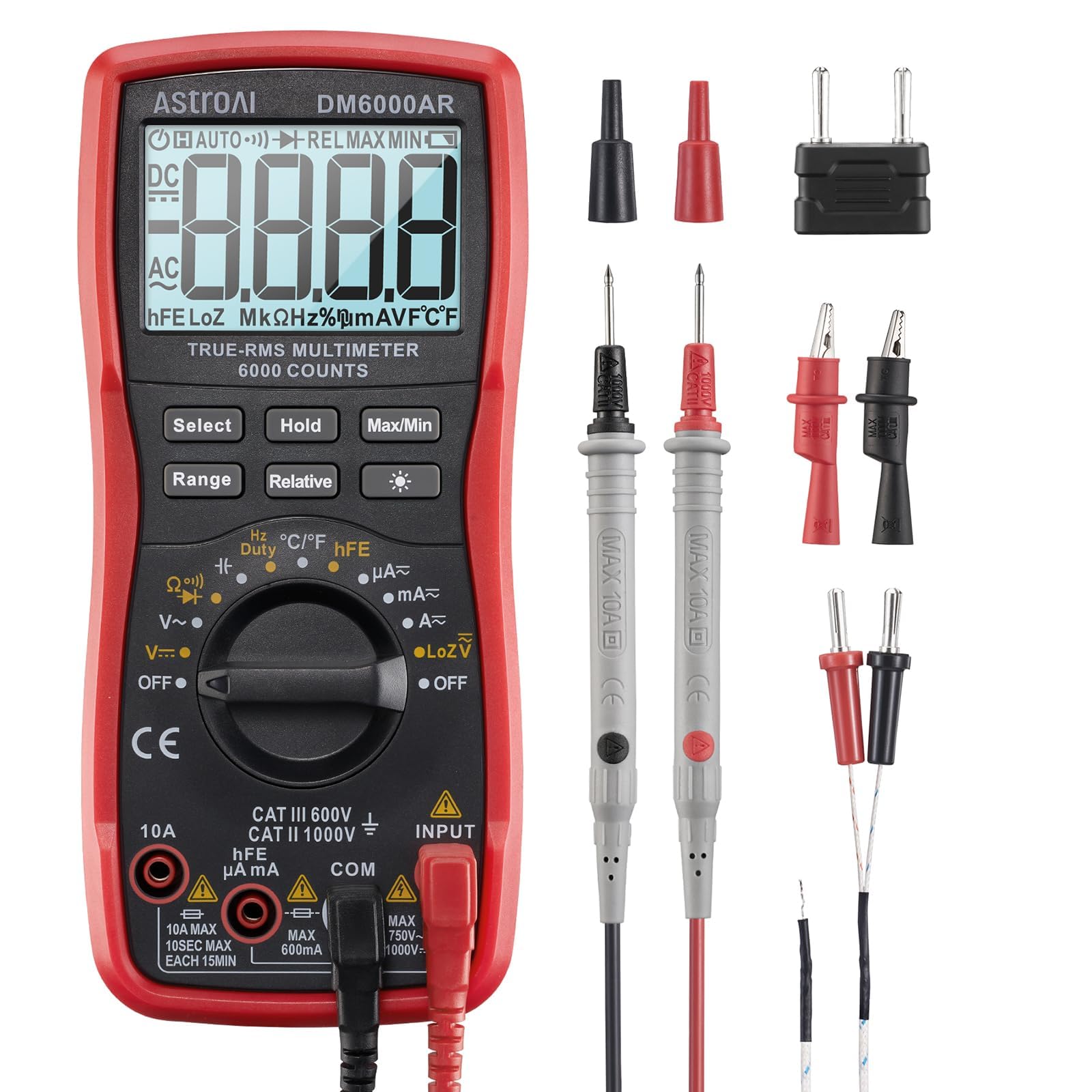
Testing every battery pack build.
AstroAI Digital Multimeter TRMS 6000 Counts Accurate voltage/current tester essential for safe verification.
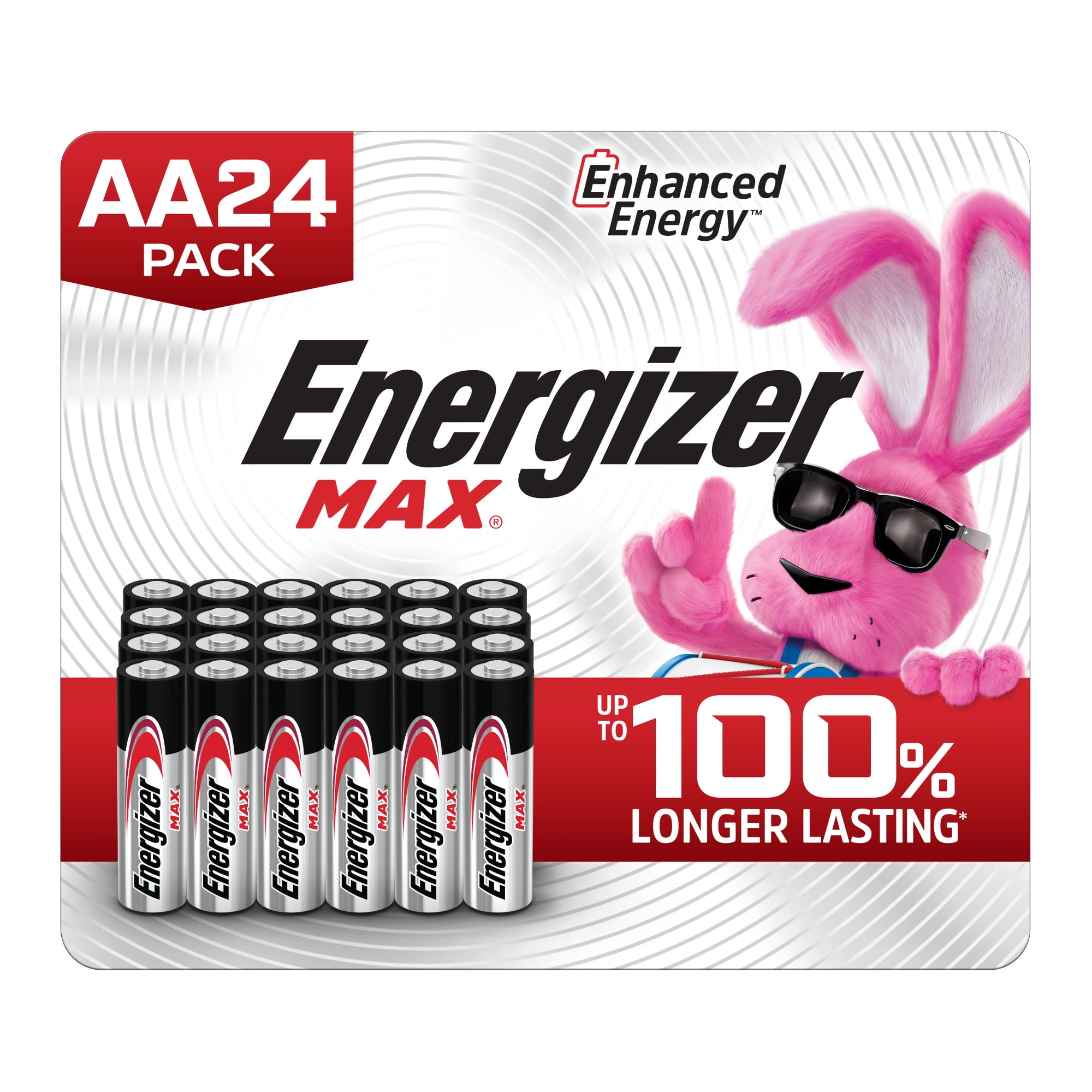
Building high-capacity parallel packs.
Energizer Max AA Batteries, 24 Count Reliable, long-lasting alkalines perfect for matched sets.
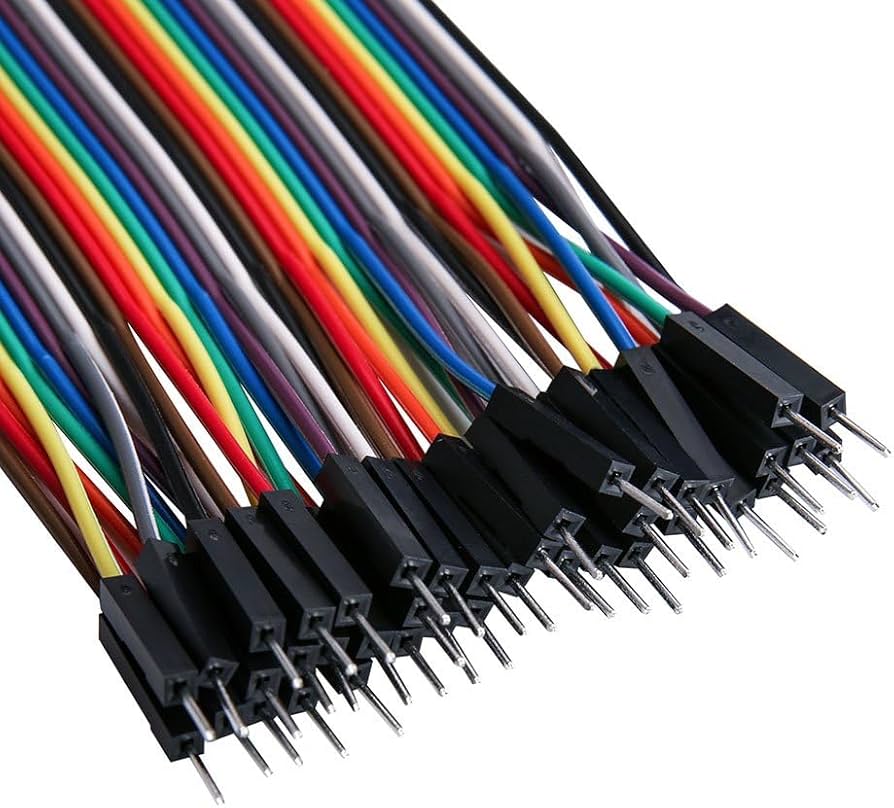
Prototyping battery links without soldering.
ELEGOO 120pcs Multicolored Dupont Jumper Wires Pre-stripped wires for clean, temporary connections.
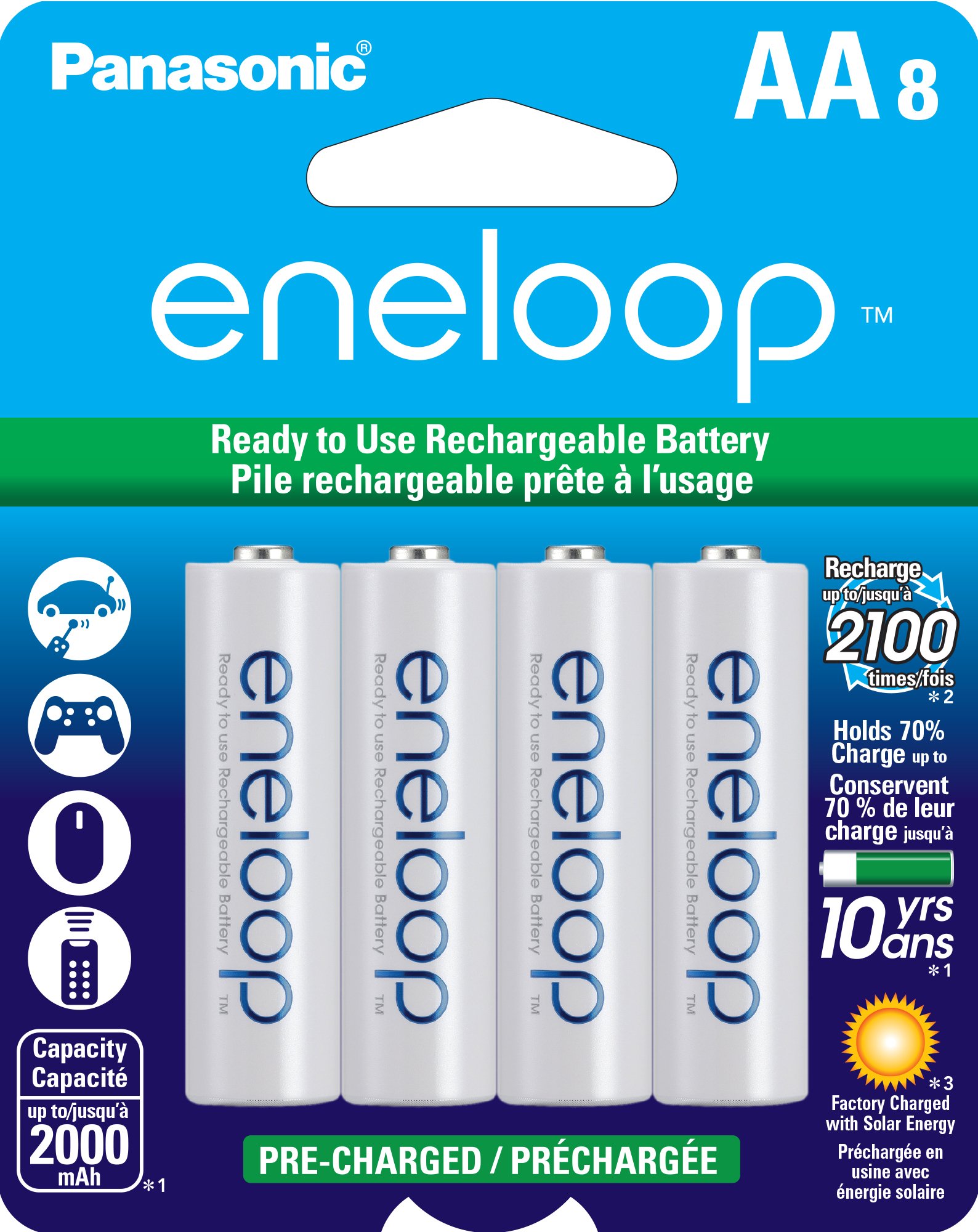
Ongoing projects needing rechargeables.
Eneloop AA Rechargeable Batteries, 8 Pack with Charger Reusable for eco-friendly, balanced packs.