Slow cookers are one of the most convenient kitchen appliances, but they can feel intimidating if you've never used one. The good news is they're incredibly easy once you understand a few basics. In this guide, you'll learn how to choose the right settings, prepare ingredients properly, and avoid common mistakes. We'll also walk you through two beginner-friendly recipes: a classic pot roast and a simple chicken stew. By the end, you'll be confident enough to throw together a delicious, hands-off meal any day of the week.
▸What You'll Need
- •A slow cooker (4-6 quart recommended for beginners)
- •Ingredients for your recipe (e.g., protein, vegetables, liquid, seasonings)
- •Cutting board and knife
- •Measuring cups and spoons
- •Optional: slow cooker liners for easy cleanup
- •Optional: meat thermometer for checking doneness
Estimated Time: 15 minutes prep + 4–8 hours cooking (varies by recipe)
Difficulty: beginner
▸Step-by-Step Instructions
Step 1: Choose the Right Size Slow Cooker
Slow cookers typically range from 1.5 to 8 quarts. For beginners, a 6-quart model is versatile enough for most recipes (serves 4–6). A smaller 4-quart works well for couples or meal prep. The size affects cooking times and how full you can fill it—never fill more than 2/3 full or less than half full for best results.
💡 Tips:
- •If cooking for one, a 3-quart slow cooker may be sufficient.
- •Larger models are better for batch cooking or feeding a crowd.
⚠️ Warnings:
- •Do not overfill – hot liquid can bubble over and cause burns or mess.
Step 2: Understand the Settings: Low, High, and Warm
Most slow cookers have three basic settings: Low (about 200°F), High (about 300°F), and Warm (around 165°F). Low and High both reach the same temperature eventually, but Low takes longer to get there. As a general rule, 1 hour on High equals about 2 hours on Low. Use the Warm setting only after cooking is complete, not for actual cooking—it can lead to food being in the danger zone too long.
💡 Tips:
- •Always cook on Low for tougher cuts of meat like chuck roast.
- •Use High for smaller, more tender items like chicken breast or when you're short on time.
⚠️ Warnings:
- •Never use the Warm setting to start cooking – it doesn’t reach a safe temperature quickly enough.
Step 3: Prepare Your Ingredients
Wash and chop vegetables (onions, carrots, potatoes) into uniform, fairly large chunks – about 1-2 inch pieces. Smaller pieces cook faster and may turn to mush during long cooking. If browning meat first (optional but adds flavor), season and sear in a hot skillet before adding to the slow cooker. For most recipes, you can skip browning for simplicity.
💡 Tips:
- •Root vegetables should be cut smaller than meat, as they take longer to cook.
- •Layer root vegetables on the bottom since they need the most heat.
⚠️ Warnings:
- •Don't add delicate herbs or dairy at the start – add them in the last 30 minutes.
- •Frozen meat is not recommended unless thawed first, as it may not reach safe temperature quickly.
Step 4: Layer Ingredients Correctly
Place dense, slow-cooking vegetables (potatoes, carrots, onions) at the bottom of the slow cooker. Add meat on top, followed by any quick-cooking vegetables (like peas or corn) last. This ensures even cooking – the lid heats the top, so bottom items get cooked longer. For soups and stews, order matters less, but still place meat at the bottom to ensure it's fully submerged.
💡 Tips:
- •If using a liner, make sure it fits the pot and is not hanging over the edges.
- •Tuck meat under vegetables if you want it extra tender.
⚠️ Warnings:
- •Avoid layering raw poultry directly on top of dense vegetables if you want the vegetables to stay somewhat firm.
Step 5: Add the Right Amount of Liquid
Unlike stovetop cooking, slow cookers retain most moisture, so you need less liquid. For a stew or soup, add just enough to cover the ingredients – usually 1-2 cups. The lid traps steam, so food releases its own juices. Adding too much liquid results in a watery finished dish. For roasts, a half cup of broth or wine is often enough.
💡 Tips:
- •Use a low-sodium broth if you plan to reduce the sauce later.
- •If you prefer a thicker sauce, mix cornstarch with cold water and add at the end.
⚠️ Warnings:
- •Don't open the lid to stir unless the recipe says so – each lift adds 20 minutes of cooking time.
Step 6: Cover and Set the Timer
Always make sure the lid is sealed properly – the gasket (rubber ring) creates a steam lock. Set your slow cooker to Low for 6-8 hours or High for 3-4 hours, depending on your recipe and schedule. Many models have a programmable timer that switches to Warm automatically; otherwise, use a separate timer to avoid overcooking.
💡 Tips:
- •If your slow cooker doesn't have a timer, plug it into a smart outlet for remote control.
- •For overnight cooking, choose a model with an automatic keep-warm feature.
⚠️ Warnings:
- •Never leave a slow cooker on all day without checking the manufacturer’s guidelines – some older models may be a fire hazard.
Step 7: Wait (and Don’t Peek!)
Resist the urge to lift the lid! Every time you open it, you release heat and steam, adding 20–30 minutes to your cooking time. If you really want to check, look through the glass lid (if yours has one). For the first hour, it's especially important not to disturb the cooking process.
💡 Tips:
- •If you must check, do it quickly and replace the lid immediately.
- •Use a clear lid model if you like to see the progress.
⚠️ Warnings:
- •Taking the lid off repeatedly can result in undercooked food and reduce the temperature below safe levels.
Step 8: Test for Doneness
After the minimum cook time, check if meat is fork-tender and vegetables are soft. For meat, use a meat thermometer to ensure it has reached a safe internal temperature: 165°F for poultry, 145°F for pork and beef (ground), and 145°F for whole cuts (though many prefer 160°F+ for tenderness in slow cookers). If not done, cook longer in 30-minute increments.
💡 Tips:
- •Shredded beef or pork should pull apart easily with two forks.
- •Chicken thighs are more forgiving than breasts; they stay moist longer.
⚠️ Warnings:
- •Don't rely on visual cues alone – use a thermometer to be safe, especially for poultry.
Step 9: Adjust Consistency (If Needed)
If your dish is too liquidy, remove the lid and turn to High for 15–30 minutes to evaporate some liquid. For a thicker sauce, mix 2 tablespoons cornstarch with 2 tablespoons cold water, stir into the hot liquid, and cook on High for another 10 minutes. For soups that are too thick, add broth or water a quarter cup at a time until desired consistency.
💡 Tips:
- •Taste and adjust seasoning at the end, as slow cooking can mellow flavors.
- •Add a splash of lemon juice or vinegar to brighten the dish.
⚠️ Warnings:
- •Beware of adding too much salt early – it can become too salty as liquid reduces.
Step 10: Serve and Store Leftovers Properly
Turn off the slow cooker and serve directly from the pot (use oven mitts to avoid burns). Let leftovers cool before transferring to airtight containers – but don't leave food out for more than 2 hours. Refrigerate within that window. Slow-cooked dishes often taste even better the next day! Reheat in the microwave or on the stovetop.
💡 Tips:
- •Use liners for zero cleanup – just lift out and toss.
- •Portion leftovers into individual servings for easy lunches.
⚠️ Warnings:
- •Never reheat in the slow cooker itself – it takes too long and can lead to foodborne illness.
▸Pro Tips
- •Use slow cooker liners for nearly effortless cleanup.
- •Brown meat in a pan before adding for deeper flavor (it's worth the extra 5 minutes).
- •Add fresh herbs and dairy (cream, cheese) only in the last 30 minutes to preserve their texture and taste.
- •For tougher cuts of meat, cook on Low for longer – it yields more tender results.
- •Keep a stock of canned tomatoes, beans, and broth for quick dump-and-go meals.
- •Invest in a slow cooker with a programmable timer and auto-warm for flexibility.
- •Cut vegetables uniformly to ensure even cooking.
- •Use an instant-read thermometer to guarantee food safety without cutting into meat.
▸Common Mistakes to Avoid
- •Overfilling the slow cooker – can cause unsafe cooking and messy spills.
- •Lifting the lid too often – extends cooking time significantly.
- •Adding too much liquid – results in bland, watery food.
- •Putting frozen meat directly into the slow cooker – it may not reach safe temperatures quickly.
- •Not searing meat first – you miss out on caramelized flavor.
▸Troubleshooting
Problem: Food is undercooked after suggested time.
Solution: Continue cooking, covered, on High for 30 minutes and check again. Ensure the slow cooker is actually heating (check the plug and settings).
Problem: Food is too watery.
Solution: Remove lid and cook on High for 15–30 minutes to reduce liquid. You can also thicken with a cornstarch slurry.
Problem: Meat is dry or tough.
Solution: Meat may have been cooked too long on High or cut too lean. Use tougher cuts with more fat, and cook on Low for recommended time. Add more liquid next time.
Problem: Bottom of food is burning.
Solution: Your slow cooker may be too small for the amount, or you need to add more liquid. Ensure vegetables line the bottom. Some models have hot spots – consider a better-quality slow cooker.
Crock-Pot 6-Quart Programmable Slow Cooker
A classic, reliable slow cooker with a programmable timer and auto-warm function, ideal for beginners.
Best for: Everyday slow cooking: roasts, stews, soups, and more.
Price Range: $40–$70
Reynolds Slow Cooker Liners
These disposable liners make cleanup a breeze – just lift out and throw away. No soaking or scrubbing.
Best for: Any slow cooker meal where you want zero cleanup effort.
Price Range: $5–$10 for a box of 10
ThermoPro TP03 Meat Thermometer
An affordable digital instant-read thermometer ensures your meat is safely cooked without guesswork.
Best for: Checking internal temperature of meats in the slow cooker or oven.
Price Range: $12–$20
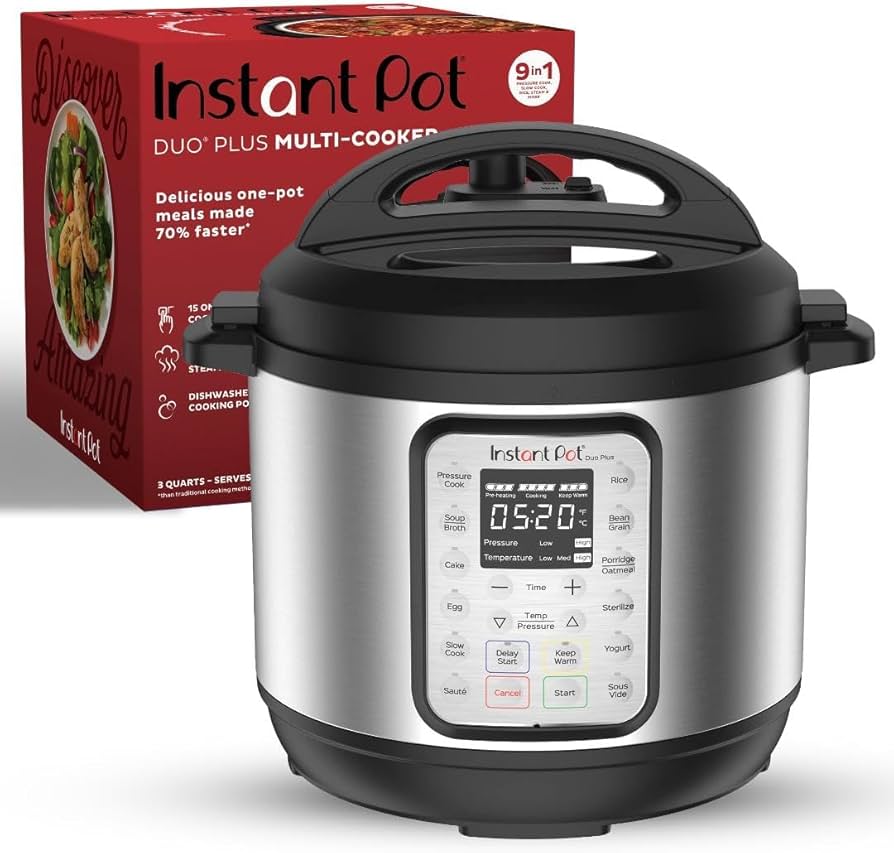
Instant Pot Duo 6-Quart (Slow Cooker Mode)
A multi-cooker that also functions as a slow cooker, plus pressure cooker for when you need faster meals.
Best for: For those who want a slow cooker and pressure cooker in one appliance.
Price Range: $60–$90
OXO Good Grips 3-Piece Nylon Slow Cooker Utensil Set
Nylon tools won't scratch your slow cooker's non-stick surface, and the angled handles make stirring easy.
Best for: Serving and stirring without damaging the pot.
Price Range: $15–$25