

Snark SN5X Clip-On Tuner
Ideal for quick daily tuning sessions on acoustic guitars.
$14.99
Snark SN5X Clip-On Tuner Affordable, accurate, and easy for beginners with vibration sensing that works in noisy environments.
Get the App
Better experience on mobile
Master the basics of tuning your acoustic guitar step-by-step to get clear, vibrant sound and play with confidence in just minutes.
Ever picked up your acoustic guitar only to hear it sound dull, buzzy, or just plain off? You're not alone—most beginners struggle with tuning, which can make even simple chords frustrating. Proper tuning ensures your guitar resonates beautifully, helping you enjoy playing and progress faster without bad habits forming from off-pitch notes.
In this guide, you'll learn how to tune your acoustic guitar using a reliable tuner, starting from the basics of standard tuning (EADGBE). We'll cover everything from gathering tools to fine-tuning for optimal sound. No prior experience needed—this process is straightforward and rewarding.
Expect to spend 10-15 minutes on your first tune-up, and it'll get quicker with practice. By the end, your guitar will ring true, ready for strumming your favorite songs.
Estimated Time: 10-15 minutes Difficulty: beginner
Before diving in, collect everything you'll need to avoid interruptions. A clip-on tuner is essential for beginners as it visually shows if a string is sharp (too tight) or flat (too loose). Clip it onto the headstock of your guitar, facing you for easy reading. If using a smartphone app like Guitar Tuna, download it and ensure your phone's microphone is sensitive enough.
Why this matters: Proper preparation sets you up for success and prevents guesswork, which can lead to over-tightening strings and breakage. Expect the tuner to light up or vibrate when attached correctly—test it on a random string to confirm it's working.
Position yourself in a quiet space with good lighting. Loosen all strings slightly by turning the tuning pegs counterclockwise to relieve tension, making the process safer and easier.
💡 Tips:
⚠️ Warnings:
Acoustic guitars are typically tuned to standard pitch: low E (6th string), A (5th), D (4th), G (3rd), B (2nd), and high E (1st). This tuning provides balanced tension and harmony across chords. Each string must match its note exactly for optimal sound—too flat and notes drone; too sharp and they clash.
Why it matters: Knowing this foundation prevents common errors like tuning to the wrong notes. Success here looks like confidently identifying each string by its position (thickest is low E, thinnest is high E). Use your tuner's display, which will show the note name and a needle or color indicator (green for in-tune).
Pluck each open string (without fretting) and observe the tuner. If it's not close to the target note, gently turn the corresponding tuning peg until it aligns.
💡 Tips:
⚠️ Warnings:
Begin with the thickest string, the 6th (low E), as it's the foundation. Pluck it firmly with your thumb or pick, and watch the tuner. If the needle points left (flat), turn the tuning peg clockwise to tighten and raise the pitch. Aim for the tuner to center on E with a steady signal.
Why this matters: The low E anchors the guitar's tone; if it's off, everything else will sound wrong. Expect a deeper, resonant hum when in tune—listen for a clear, even ring without warble. This step takes 1-2 minutes as you adjust incrementally.
Once stable, move on. Always tune up (tighten) rather than down to maintain string tension.
💡 Tips:
⚠️ Warnings:
Proceed to the 5th string (A): Pluck and adjust the peg until the tuner reads A. Repeat for D (4th) and G (3rd), tuning each to match. These middle strings provide the guitar's body and warmth, so precision here enhances chord fullness.
Why it matters: Balanced tuning prevents muddy sound in strums. Success: Each string sustains a pure tone, and basic chords like G or C sound harmonious. You'll notice the guitar 'opening up' as you go.
Tune in sequence, rechecking the low E occasionally as tension changes can affect it slightly.
💡 Tips:
⚠️ Warnings:
Now the thinner strings: 2nd (B) and 1st (high E). These are trickier due to higher tension—adjust carefully. Pluck the B string and tune to B, then the high E. The high E should sing brightly when correct.
Why it matters: Accurate high strings ensure clear melodies and solos. Expect a sparkling, even tone across all strings now.
Finally, strum open chords (E minor or G major) to verify overall harmony. Readjust any drifting strings.
💡 Tips:
⚠️ Warnings:
Play a full scale or chord progression. Listen for buzzes or dissonance, then tweak each string by tiny amounts. Optimal sound means balanced volume and sustain across frets.
Why it matters: This ensures intonation (pitch accuracy up the neck). Success: Chords ring cleanly up to the 12th fret.
If needed, use harmonics (lightly touch string at 12th fret and pluck) to double-check.
💡 Tips:
⚠️ Warnings:
Problem: Strings keep slipping out of tune quickly
Solution: Stretch new strings by pulling gently along the length, then retune multiple times. Check tuning pegs for wear—if loose, seek a luthier for replacement.
Problem: Tuner shows erratic readings
Solution: Mute other strings and pluck cleanly. Clean the tuner's pickup or switch to a different app/device. If persistent, the guitar's nut may need lubrication.
Problem: Guitar buzzes on certain frets after tuning
Solution: This indicates low action or truss rod issues—loosen strings and adjust truss rod slightly (1/4 turn max), or take to a professional for setup.
Problem: High strings sound dull or weak
Solution: Replace old strings, as they lose brightness. Ensure proper saddle height; if not, consult a tech.
Affordable, accurate, and easy for beginners with vibration sensing that works in noisy environments.
Best for: Ideal for quick daily tuning sessions on acoustic guitars.
Price Range: $14.99
Compact and precise with 360-degree rotation for better visibility, perfect for stage or home use.
Best for: When you need a discreet tuner that clips securely without obstructing play.
Price Range: $12.99
Coated strings stay in tune longer and sound brighter, reducing retuning frequency for optimal performance.
Best for: Replace strings every 1-3 months to maintain clear tone after tuning.
Price Range: $12.99
Pedal-style for more advanced accuracy with buffer bypass, but beginner-friendly display.
Best for: If you play amplified acoustics and want pro-level tuning stability.
Price Range: $79.99
Ideal for quick daily tuning sessions on acoustic guitars.
Snark SN5X Clip-On Tuner Affordable, accurate, and easy for beginners with vibration sensing that works in noisy environments.

When you need a discreet tuner that clips securely without obstructing play.
D'Addario PW-CT-15 NS Micro Clip-On Tuner Compact and precise with 360-degree rotation for better visibility, perfect for stage or home use.
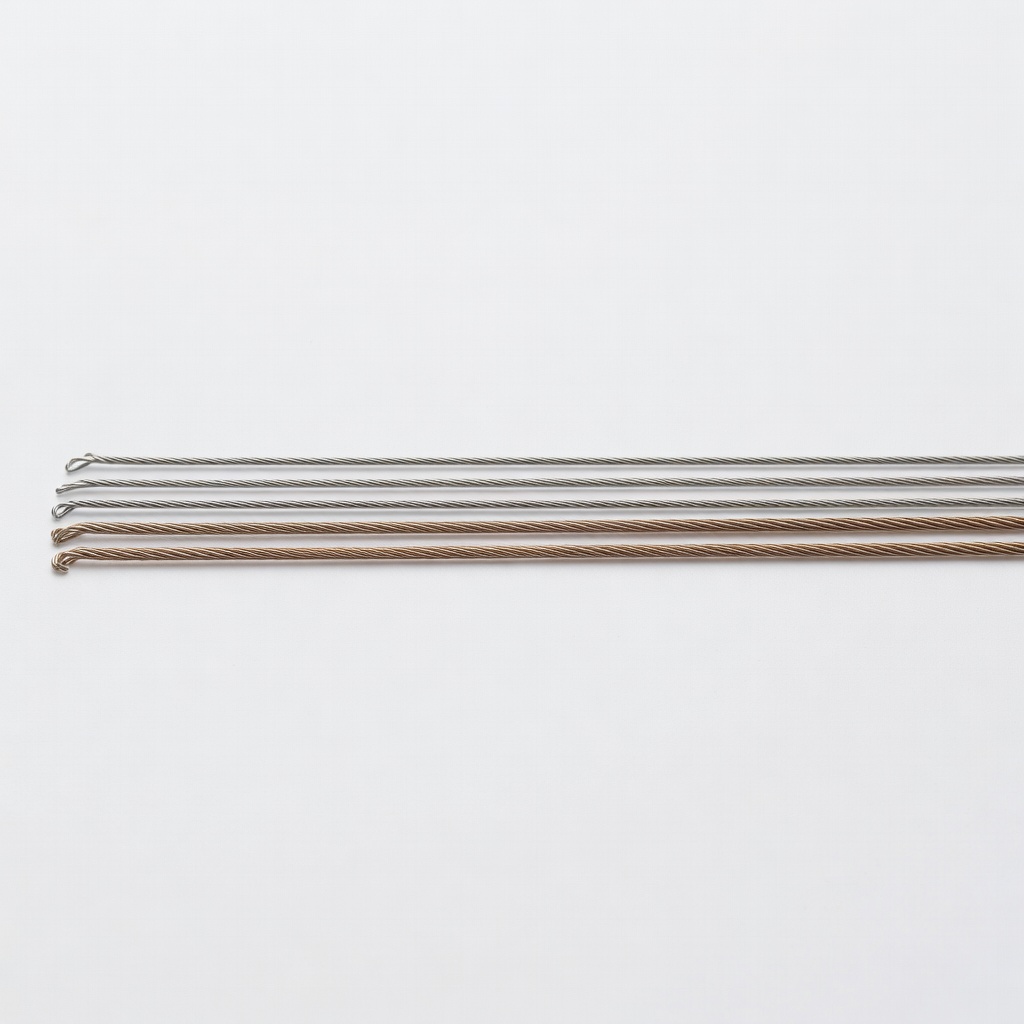
Replace strings every 1-3 months to maintain clear tone after tuning.
Elixir Nanoweb Light Acoustic Guitar Strings (12-53) Coated strings stay in tune longer and sound brighter, reducing retuning frequency for optimal performance.
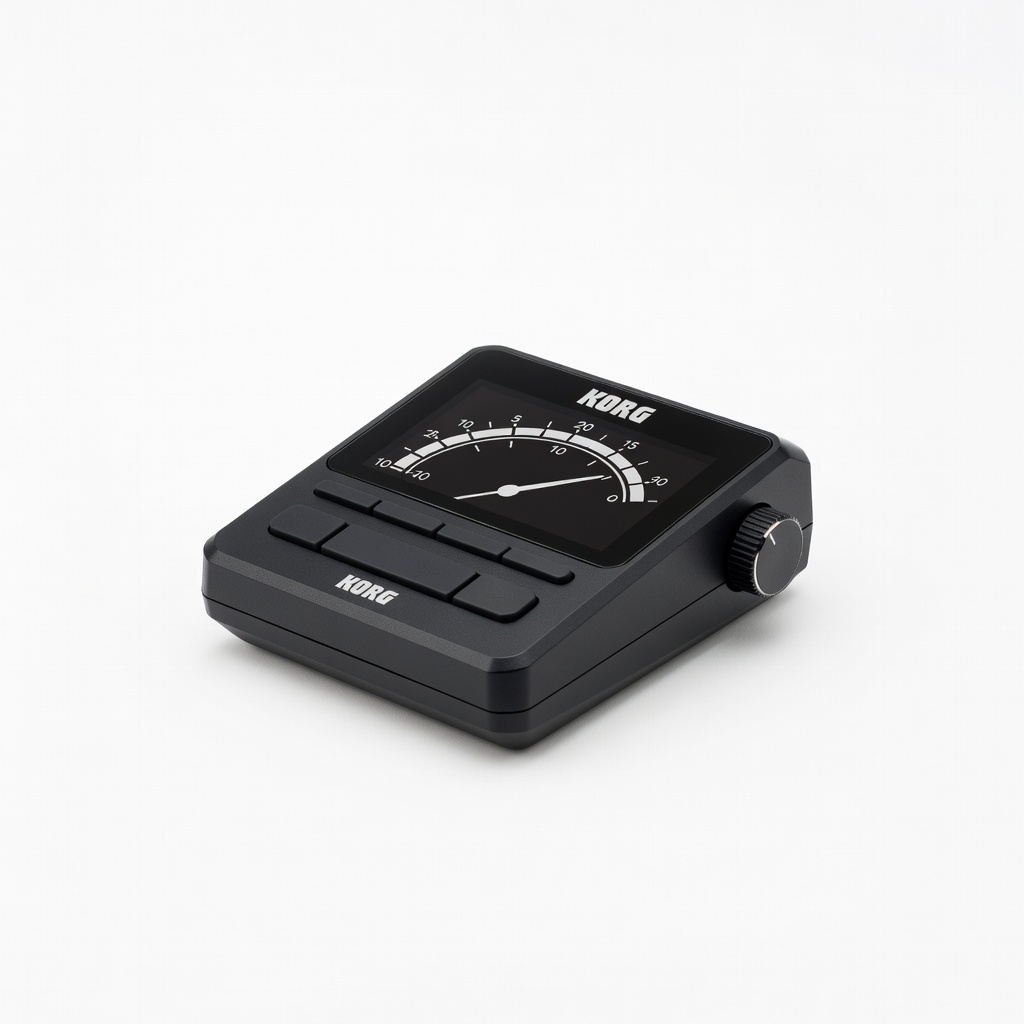
If you play amplified acoustics and want pro-level tuning stability.
Korg Pitchblack Advance Tuner Pedal-style for more advanced accuracy with buffer bypass, but beginner-friendly display.