
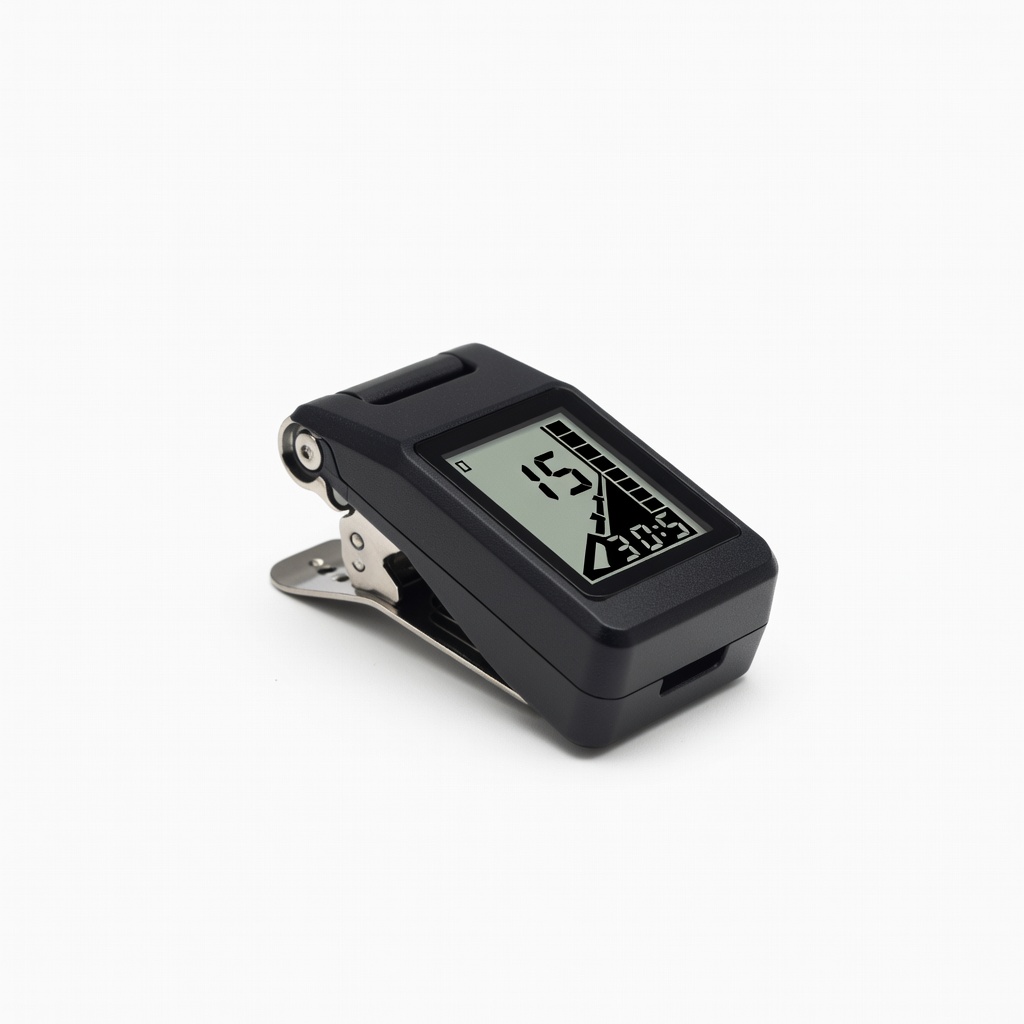
Snark SN-2 Clip-On Tuner
Ideal for quick daily tuning sessions on acoustic guitars.
$14.99
Snark SN-2 Clip-On Tuner Affordable, accurate, and easy for beginners with vibration sensing that ignores ambient noise.
Get the App
Better experience on mobile
Master the basics of tuning your acoustic guitar to get rich, clear tones and play in perfect harmony without frustration.
Ever picked up your acoustic guitar only to hear strings that buzz or sound wildly out of tune? This is a common frustration for beginners, leading to off-key playing and diminished enjoyment. Proper tuning ensures your chords ring true and your music sounds professional, making every practice session more rewarding.
In this guide, you'll learn how to tune your acoustic guitar step by step, using both electronic tools and basic ear training. We'll cover standard tuning (EADGBE) and tips to maintain it. The process is straightforward and takes just minutes, perfect for newcomers—no prior experience needed.
Expect to spend 10-15 minutes on your first tune-up, and with practice, it'll become second nature. By the end, your guitar will sound balanced and resonant, ready for strumming your favorite songs.
Estimated Time: 10-15 minutes Difficulty: beginner
Before tuning, ensure you have all necessary items ready. Place your acoustic guitar on a stable surface or hold it comfortably in playing position. Loosen the strings slightly if they're very tight from previous use—this prevents breakage during adjustments.
Why this matters: A prepared setup avoids interruptions and ensures safety. You'll know success when your guitar is accessible and tools are at hand, with strings slack enough to turn tuners easily.
Turn on your clip-on tuner and clip it securely to the headstock near the tuning pegs for accurate readings.
💡 Tips:
⚠️ Warnings:
Acoustic guitars are typically tuned to standard pitch: low E (6th string), A (5th), D (4th), G (3rd), B (2nd), and high E (1st). This tuning provides the balanced sound for most songs.
Memorize or reference this order—it's the foundation for everything. Success here looks like knowing which string is next, avoiding confusion during the process.
Pluck each open string (without fretting) to get a baseline feel; they'll likely sound off if untuned.
💡 Tips:
⚠️ Warnings:
Start with the thickest string (low E). Pluck it open and observe the tuner display—it should show a needle or light indicating flat (too low), sharp (too high), or in tune.
Turn the corresponding tuning peg clockwise to tighten (raise pitch) or counterclockwise to loosen (lower pitch) until the tuner reads E. Why first? This anchors the tuning for relative adjustments.
Expect the string to settle; success is when the tuner confirms 'E' and the note sounds steady without wavering.
💡 Tips:
⚠️ Warnings:
Move to the next string (A). Pluck it and adjust the peg until the tuner shows A. Use the low E as a reference: hold the 5th fret on low E and compare to open A—they should match in pitch.
This relative tuning ensures harmony. You'll succeed when both the tuner and ear confirm the A is correct, with no dissonance when comparing.
💡 Tips:
⚠️ Warnings:
Continue sequentially: For D (4th), match 5th fret of A to open D. For G (3rd), match 5th fret of D to open G. For B (2nd), match 4th fret of G to open B (note the interval difference).
These steps build on the previous, creating a cohesive scale. Success is a smooth progression where each string aligns with the tuner and relative checks sound in harmony—no clashing notes.
Take your time; slight adjustments refine the sound.
💡 Tips:
⚠️ Warnings:
Finally, tune the thinnest string to high E by matching the 5th fret of B to open high E. Pluck and adjust until the tuner confirms.
Why last? It completes the octave. Your guitar is successfully tuned when all strings ring clearly together, and a simple chord (like open E major) sounds full and resonant without warbling.
💡 Tips:
⚠️ Warnings:
Play a few chords (e.g., G, C, D) and listen for clarity. Use a chromatic tuner mode if available to check for slight drifts.
This ensures better sound quality. Success: Chords blend smoothly, no sour notes, and the guitar feels responsive.
If needed, make micro-adjustments and re-verify.
💡 Tips:
⚠️ Warnings:
Problem: Strings keep slipping out of tune quickly
Solution: Stretch new strings or check for worn tuning pegs; lubricate nut slots with graphite. If persistent, seek a luthier for setup.
Problem: Tuner shows inconsistent readings
Solution: Ensure good lighting and quiet; try a different tuner or app. Clean the headstock if dirty.
Problem: Chords sound buzzy even when tuned
Solution: Check action height or truss rod; this may indicate setup issues—consult a professional guitar tech.
Problem: High strings won't stay in tune
Solution: Inspect for binding at nut or bridge; use lighter gauge strings if tension is too high. Professional help if needed.
Affordable, accurate, and easy for beginners with vibration sensing that ignores ambient noise.
Best for: Ideal for quick daily tuning sessions on acoustic guitars.
Price Range: $14.99
Compact design clips discreetly and offers precise chromatic tuning for better sound accuracy.
Best for: Perfect for on-the-go tuning or stage use with acoustics.
Price Range: $12.99
User-friendly app with visual feedback and game-like tuning for engaging beginner practice.
Best for: When you don't have a physical tuner; works via phone microphone.
Price Range: Free (premium $19.99/year)
Coated strings hold tune longer and provide clearer tone, reducing retuning frequency.
Best for: Replace stock strings before tuning for optimal sound quality.
Price Range: $12.99
Pedal-style for more precise display, great if upgrading from basic clip-ons.
Best for: For serious beginners wanting pro-level accuracy in home setups.
Price Range: $79.99
Ideal for quick daily tuning sessions on acoustic guitars.
Snark SN-2 Clip-On Tuner Affordable, accurate, and easy for beginners with vibration sensing that ignores ambient noise.
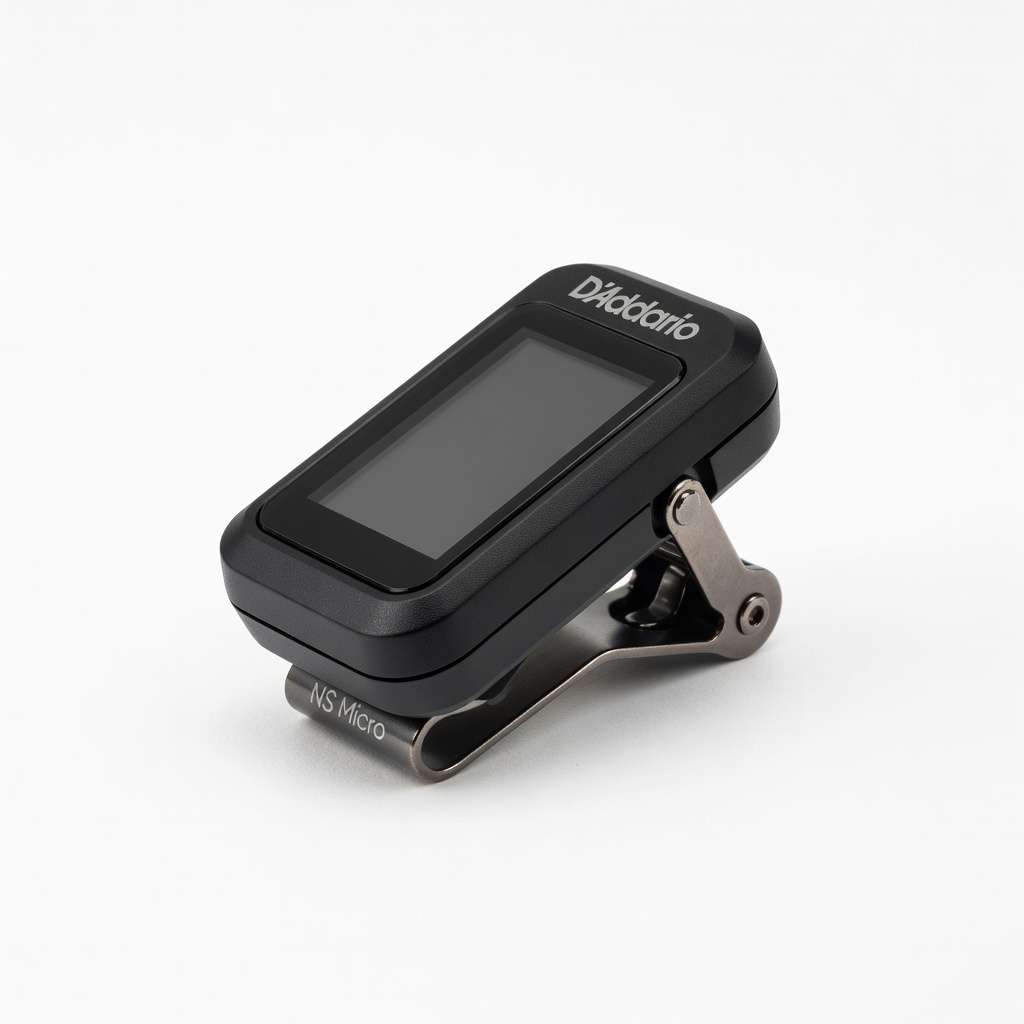
Perfect for on-the-go tuning or stage use with acoustics.
D'Addario NS Micro Universal Tuner Compact design clips discreetly and offers precise chromatic tuning for better sound accuracy.
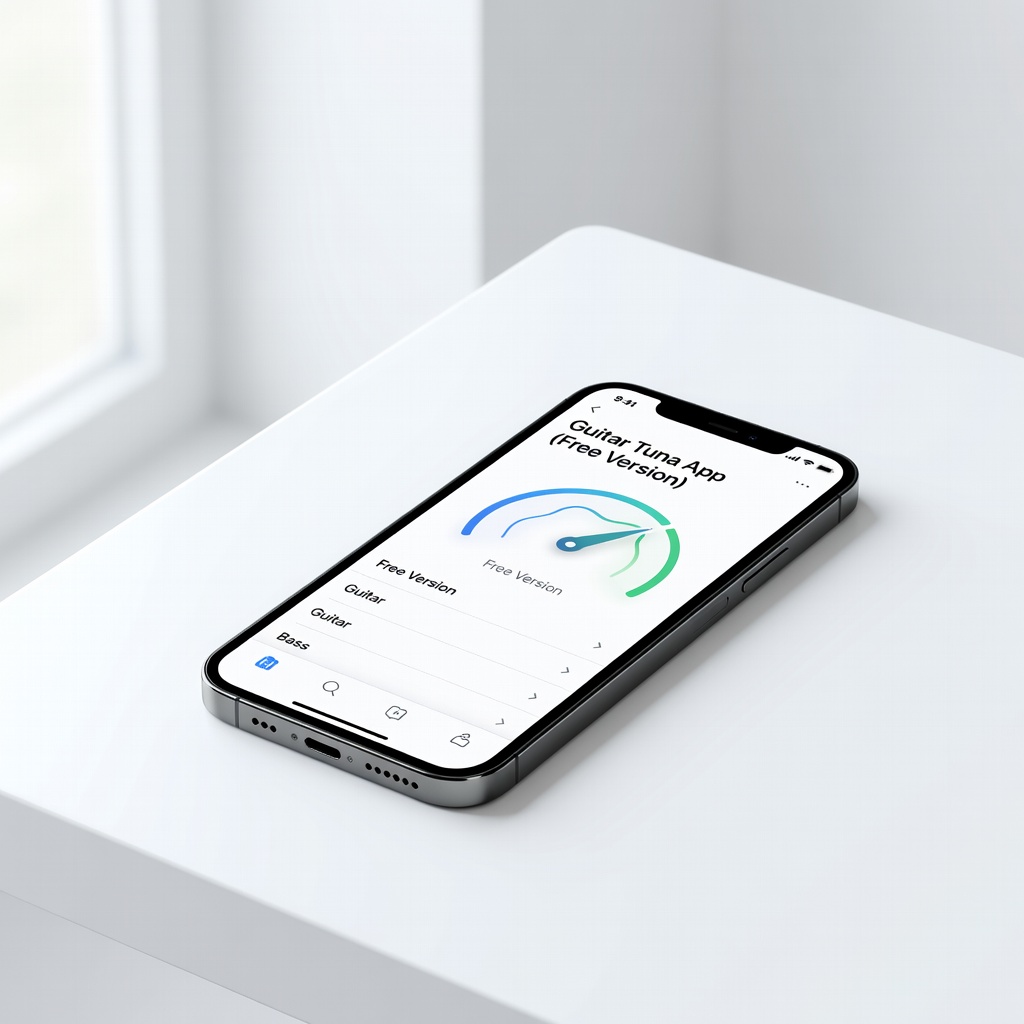
When you don't have a physical tuner; works via phone microphone.
Guitar Tuna App (Free Version) User-friendly app with visual feedback and game-like tuning for engaging beginner practice.
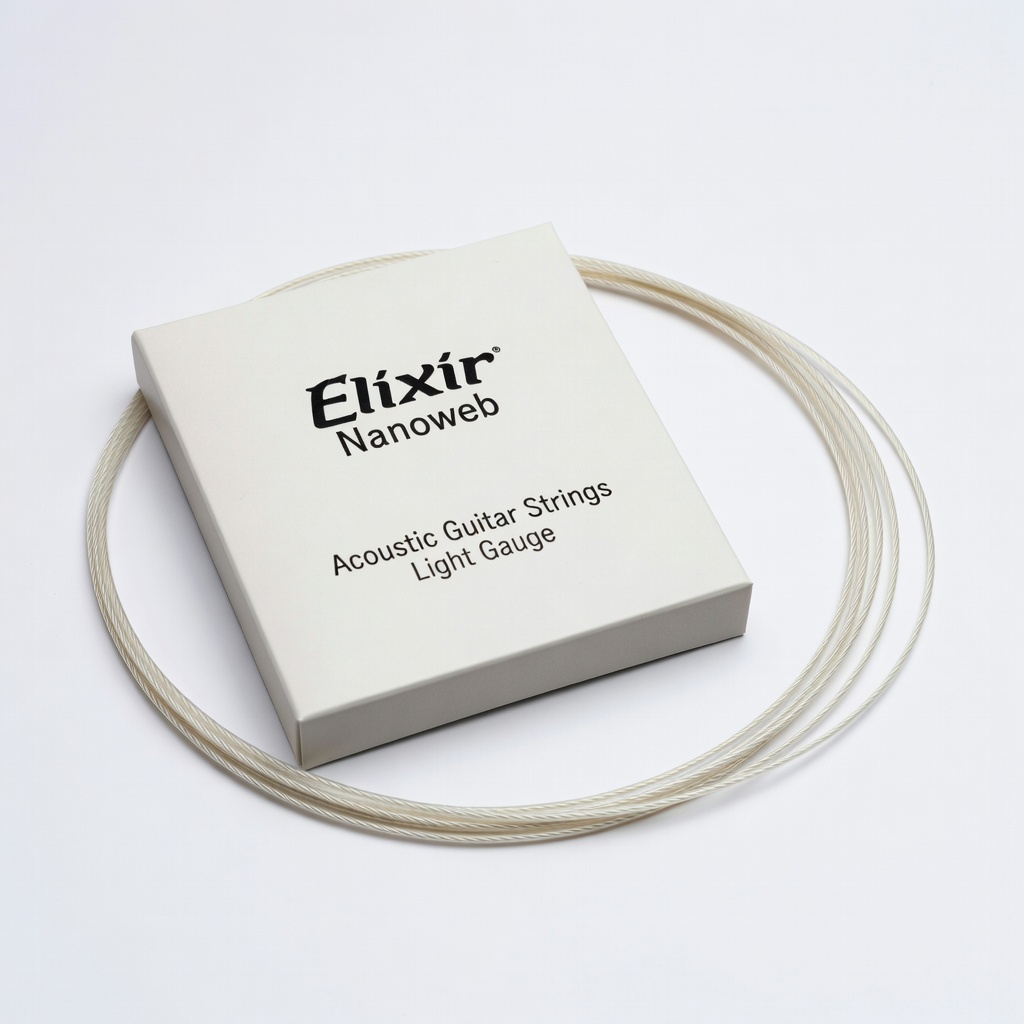
Replace stock strings before tuning for optimal sound quality.
Elixir Nanoweb Acoustic Guitar Strings (Light Gauge) Coated strings hold tune longer and provide clearer tone, reducing retuning frequency.
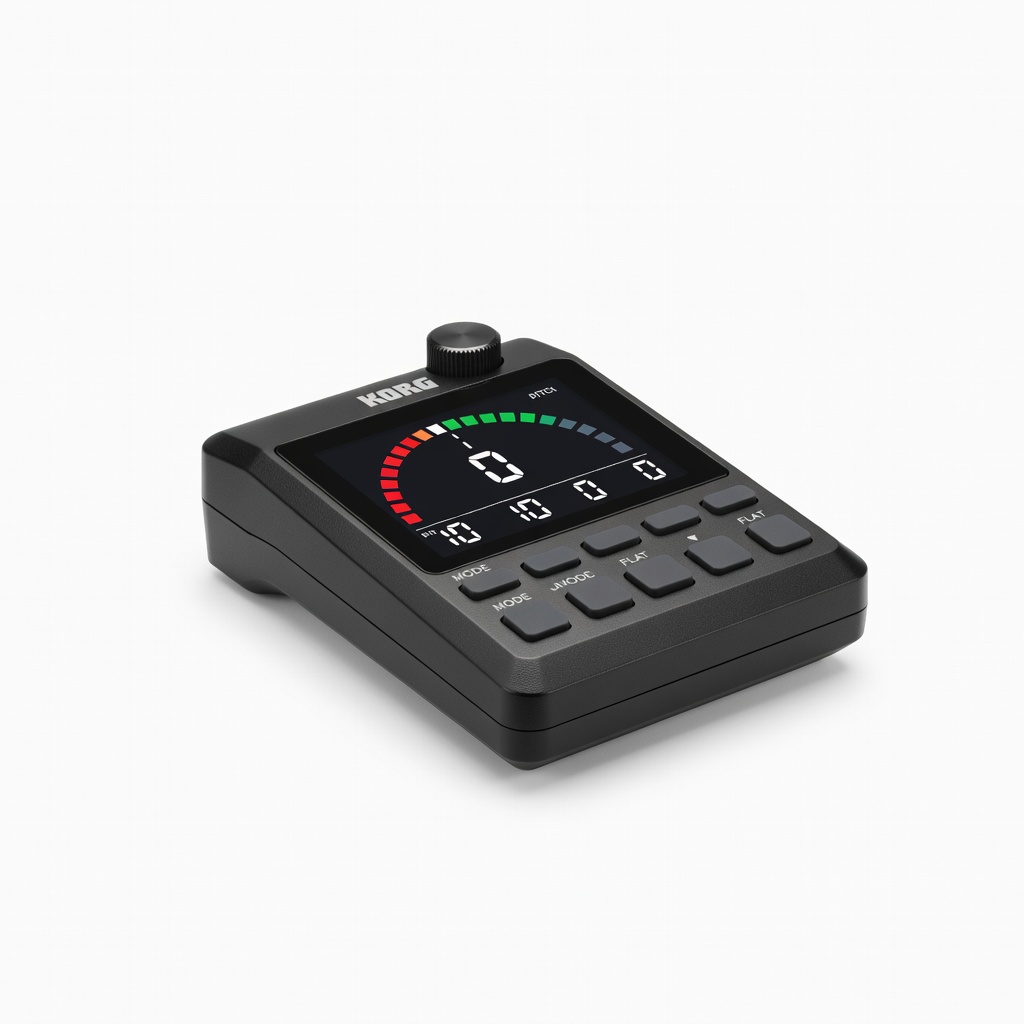
For serious beginners wanting pro-level accuracy in home setups.
Korg Pitchblack Advance Tuner Pedal-style for more precise display, great if upgrading from basic clip-ons.