
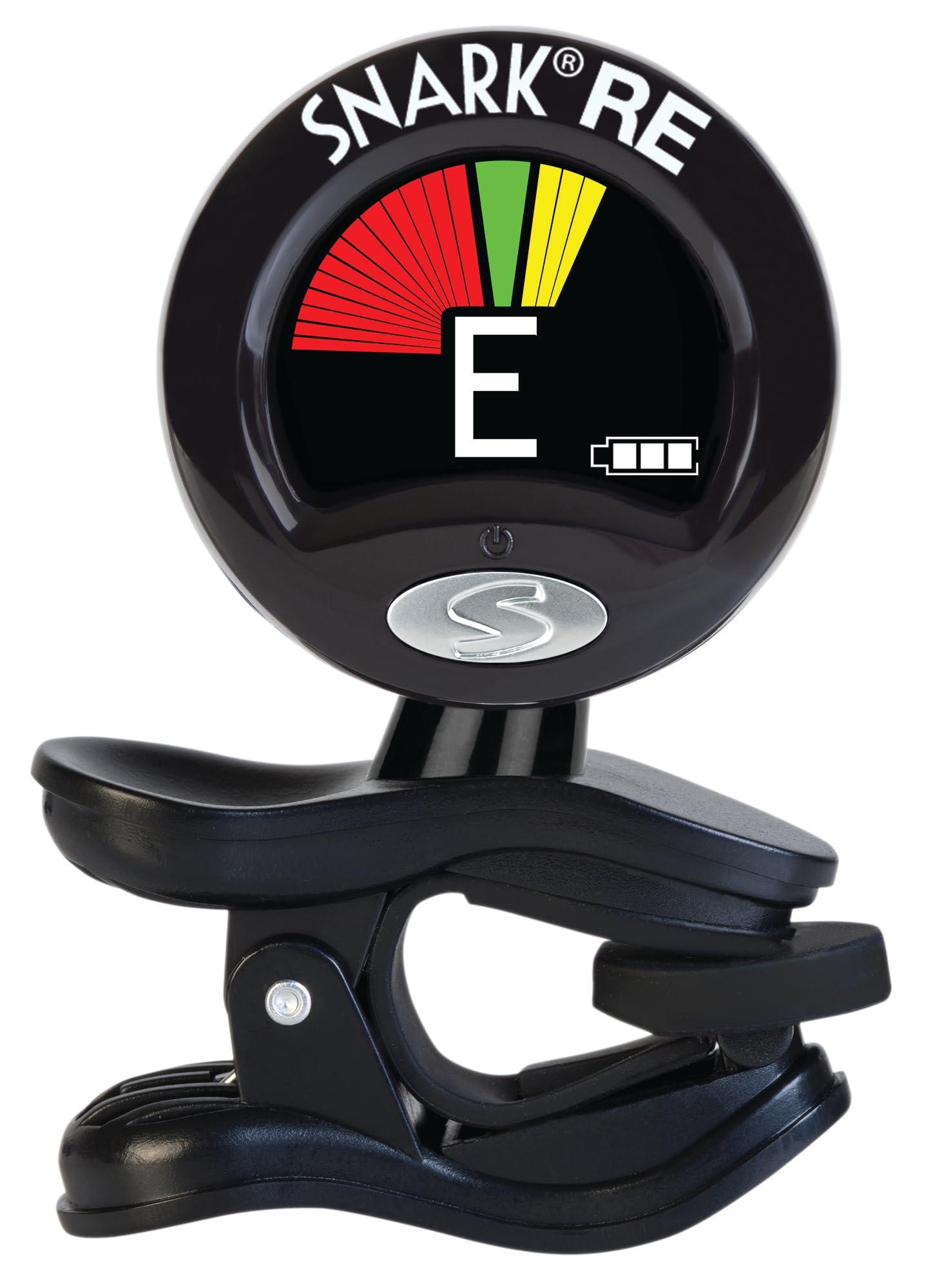
Snark SN5X Clip-On Chromatic Tuner
Essential for quick, accurate clip-on tuning during soundcheck.
$15.99
Snark SN5X Clip-On Chromatic Tuner Vibrato detection ignores stage noise; bright display for dark venues.
Get the App
Better experience on mobile
Achieve stage-perfect pitch and tone with pro tuning techniques that handle high volume, feedback, and piezo pickups for flawless live performance.
Playing an acoustic-electric guitar on stage demands more than standard tuning—high volumes amplify intonation issues, feedback hotspots, and pickup quirks, turning a great set into a nightmare. Intermediate players often struggle with guitars sounding sharp or dull under stage lights and amps, losing clarity in the mix. This guide fixes that.
You'll learn a reliable, stage-specific tuning process using precise tools and checks to ensure your guitar stays in tune through dynamic shifts, string bends, and monitor bleed. Expect crystal-clear tone that cuts through the band without muddiness.
The process takes 15-20 minutes, suits intermediate skill levels (basic fretting and amp knowledge required), and focuses on actionable steps with real-world pro tips.
Estimated Time: 15-20 minutes Difficulty: intermediate
Connect your acoustic-electric guitar to a clean acoustic amp or PA using a high-quality 1/4-inch cable. Turn the amp volume to 50-70% and set EQ flat (no boosts). Plug in your chromatic tuner—clip-on preferred for hands-free use.
Why? Stage tuning must account for the piezo pickup's response, which differs from acoustic-only tuning. This setup mimics gig conditions, revealing feedback-prone notes early.
Success looks like: Amp humming cleanly at conversation volume, no hum or buzz, tuner powered on and calibrated to A=440Hz.
💡 Tips:
⚠️ Warnings:
Strum open chords (E, A, D) gently for 2-3 minutes. Stretch strings lightly by pulling up at the 12th fret.
Heat and tension from playing expand strings, causing sharp tuning post-setup. Warming prevents drift mid-song.
Success: Strings feel pliable, no creaks, tone stabilizes.
💡 Tips:
Pluck low E (6th string) open, adjust tuner until needle centers on E2 (82Hz). Tune up gradually—never down past pitch. Repeat for A (5th, 110Hz).
Bass strings drive stage low-end; tune them first to anchor harmonics. Piezo pickups emphasize fundamentals here.
Success: Tuner shows green/center, open bass notes ring true through amp without wolf tones.
⚠️ Warnings:
Continue: D (4th, 147Hz), G (3rd, 196Hz), B (2nd, 247Hz). Use amp feedback to fine-tune—slight sharp on G/B prevents monitor mush.
Midrange carries melody; stage volume fattens them, so err sharp by 2-5 cents.
Success: Chords like G and C sound balanced, no nasal honk.
💡 Tips:
Final: high E (1st, 330Hz). Then fret harmonic at 12th fret on each string—match to open string pitch.
Harmonics expose intonation flaws amplified on stage.
Success: All 12th-fret harmonics perfectly match opens; clean ringout.
⚠️ Warnings:
Crank amp to gig level. Play scales, bends, and full songs. Retune any drifting strings.
Simulates set dynamics—vibration and sweat cause micro-shifts.
Success: Tune holds through 5 minutes of aggressive strumming; cuts mix cleanly.
💡 Tips:
Fret 12th fret on each string, compare to harmonic or fret marker. Adjust saddle if >10 cents off (pro luthier for piezo).
Stage intonation ensures bends stay true.
Success: All 12th frets match perfectly; gig-ready.
⚠️ Warnings:
Problem: Persistent feedback on tuned notes
Solution: Lower amp bass, notch EQ at offending freq (often 200-400Hz), or sharpen string 3-5 cents.
Problem: Strings detune quickly
Solution: Check nut slots for binding; stretch new strings 3x; use graphite on nut.
Problem: High E sounds dull
Solution: Slightly sharpen ( +5 cents); clean pickup area; check battery.
Problem: Intonation off despite tuning
Solution: Measure saddle position; seek luthier for piezo adjustment.
Vibrato detection ignores stage noise; bright display for dark venues.
Best for: Essential for quick, accurate clip-on tuning during soundcheck.
Price Range: $15.99
Polyphonic mode tunes all strings at once; stompbox for stage reliability.
Best for: Pro gigs needing instant retunes without stopping play.
Price Range: $99
Ultra-stable, accurate to 1 cent; buffered bypass prevents signal loss.
Best for: High-volume stages with long cable runs.
Price Range: $99
Phosphor bronze for bright stage tone; coated for tuning stability.
Best for: Pre-gig string change for consistent pitch hold.
Price Range: $12.99
Imaging tech enhances acoustic tone; built-in tuner for stage.
Best for: Direct to PA tuning and imaging for piezo accuracy.
Price Range: $449
Essential for quick, accurate clip-on tuning during soundcheck.
Snark SN5X Clip-On Chromatic Tuner Vibrato detection ignores stage noise; bright display for dark venues.
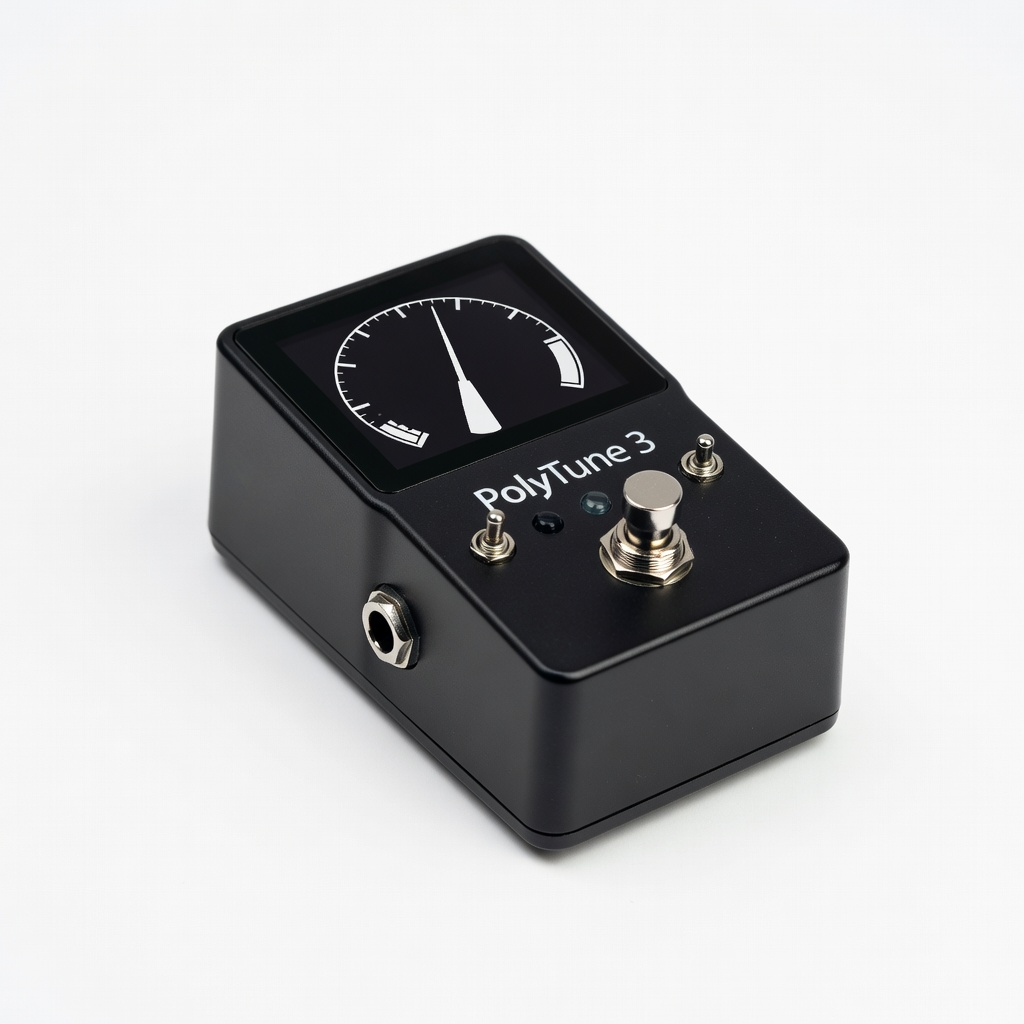
Pro gigs needing instant retunes without stopping play.
TC Electronic PolyTune 3 Pedal Tuner Polyphonic mode tunes all strings at once; stompbox for stage reliability.
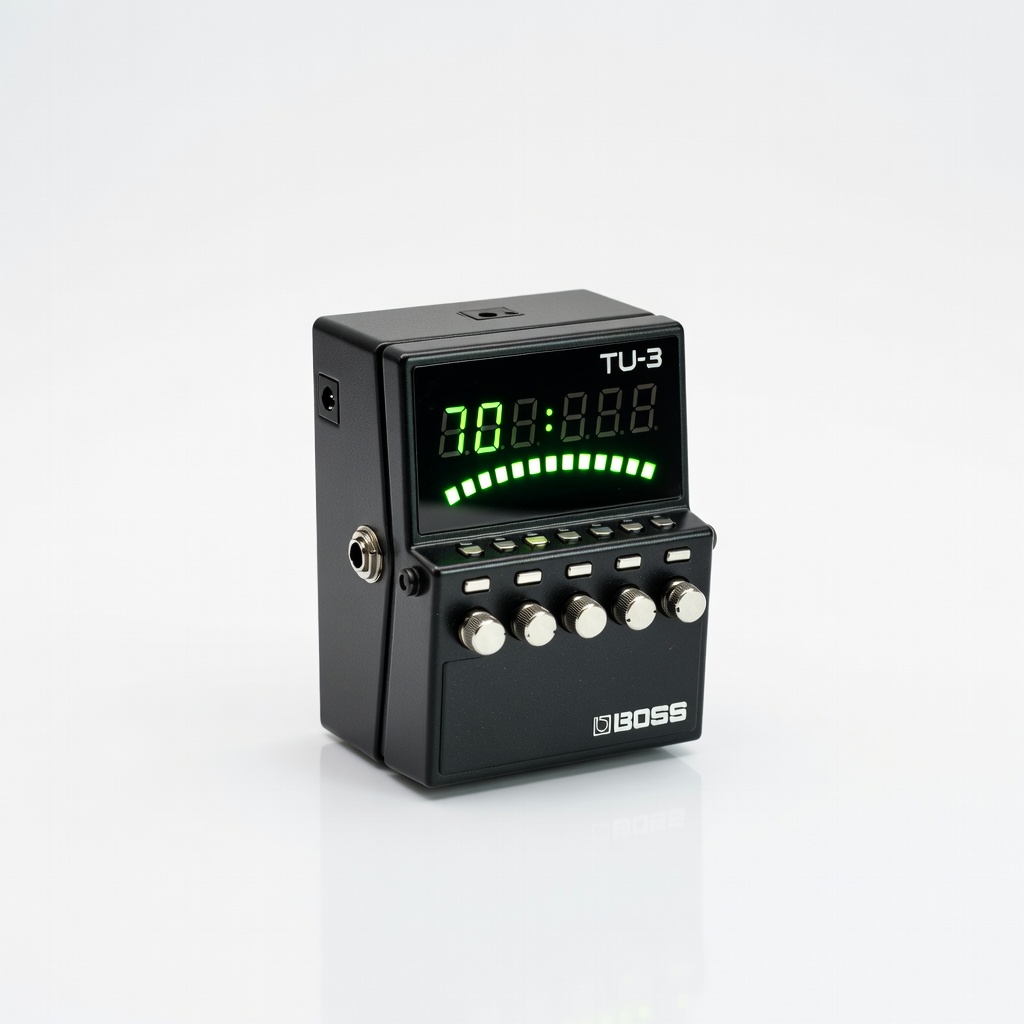
High-volume stages with long cable runs.
Boss TU-3 Chromatic Tuner Pedal Ultra-stable, accurate to 1 cent; buffered bypass prevents signal loss.
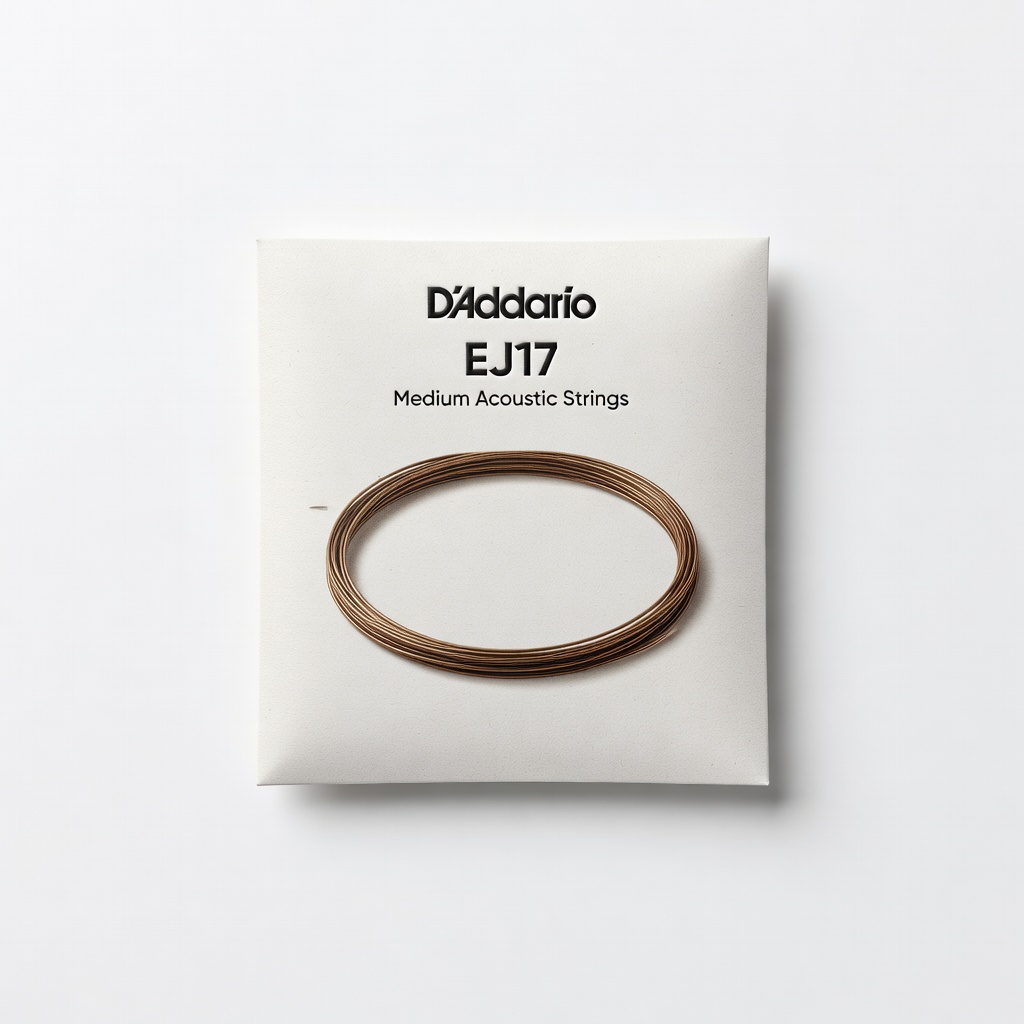
Pre-gig string change for consistent pitch hold.
D'Addario EJ17 Medium Acoustic Strings Phosphor bronze for bright stage tone; coated for tuning stability.
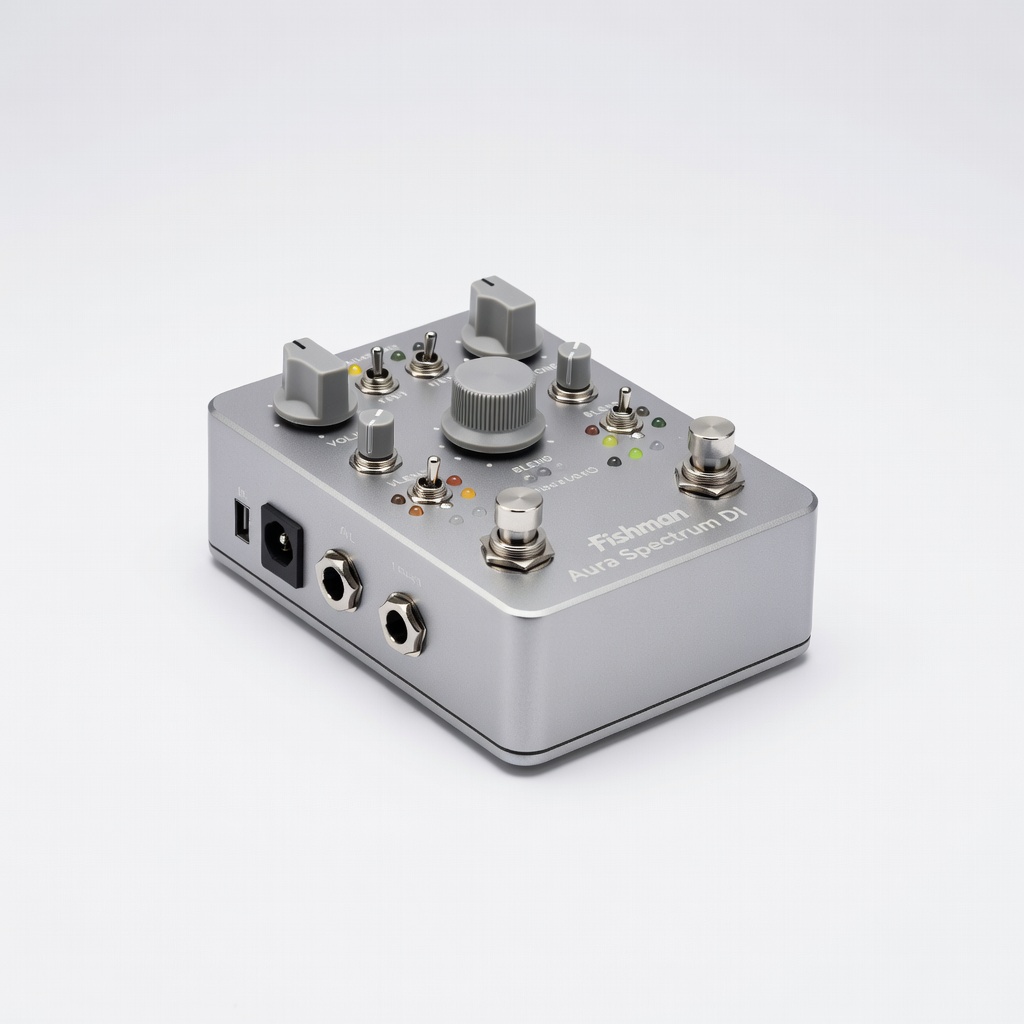
Direct to PA tuning and imaging for piezo accuracy.
Fishman Aura Spectrum DI Imaging tech enhances acoustic tone; built-in tuner for stage.