
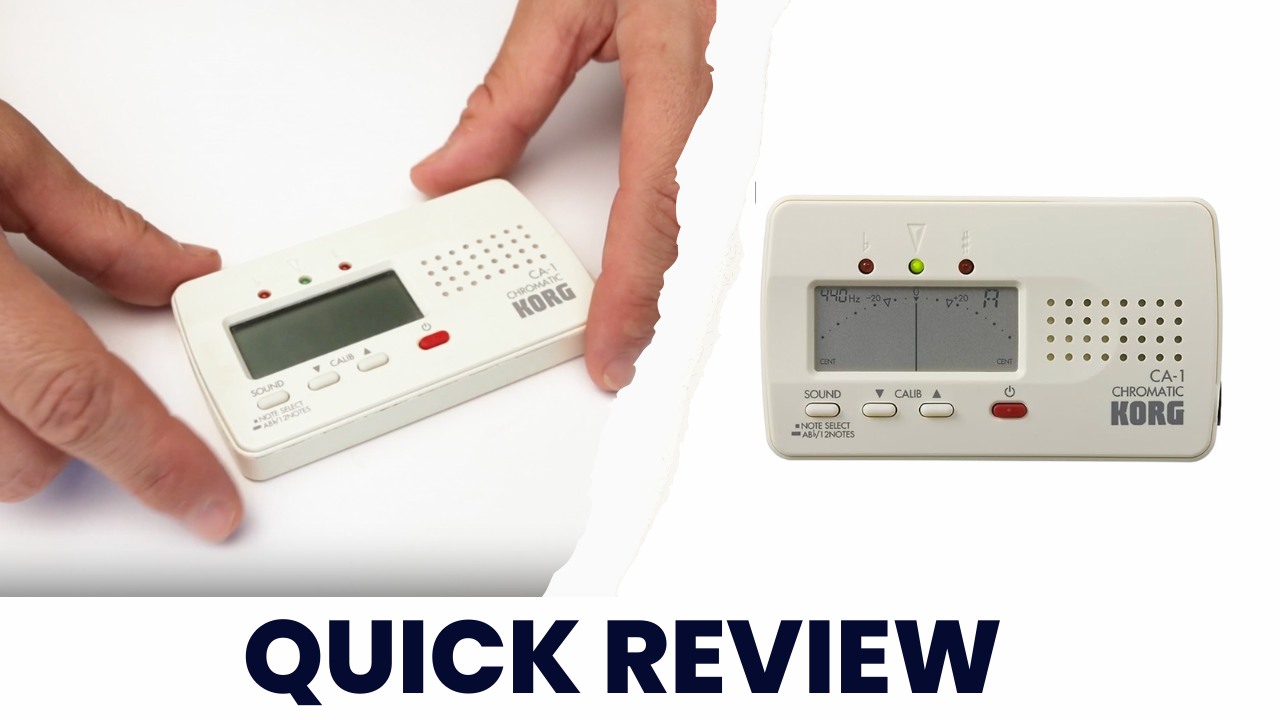
Korg CA-1 Chromatic Tuner
Detecting pitch deviation in cents while playing or using a cork tester.
$15–$25
Korg CA-1 Chromatic Tuner Reliable, affordable, and clip-on design that works well for accordion tuning.
Get the App
Better experience on mobile
Learn to adjust reed pitch and timing using basic tools to maintain your accordion's sound quality.
As an advanced accordionist, you know that even the finest instrument can drift out of tune due to humidity, temperature changes, or normal wear. While professional tuning is recommended for major overhauls, simple pitch and timing adjustments are within your reach. This guide will teach you to diagnose out-of-tune reeds, perform minor corrections by scraping or adding wax, and adjust reed timing for consistent response. You'll need patience, a steady hand, and the right tools. Expect to spend 1-2 hours per reed block for your first attempt.
Estimated Time: 1–2 hours per reed block (first attempt); 30–60 minutes once experienced Difficulty: advanced
Choose a well-lit, clean, and dust-free area. Let the accordion acclimate at room temperature for at least an hour. Using your electronic tuner, play each note (one reed at a time if your instrument has multiple registers) and note which pitches are sharp or flat. Write down the cents deviation for each out-of-tune note. Also listen for poor response, buzzing, or uneven sound which may indicate timing issues.
💡 Tips:
⚠️ Warnings:
Carefully remove the grille and any securing screws. On most accordions, the treble reed blocks are accessible by sliding out the register slides or removing the keyboard mechanism. Bass reed blocks are often behind a separate panel. Gently lift each reed block by its ends (avoid touching reed tongues). Place them on a clean, soft cloth in order to keep track of their positions.
💡 Tips:
⚠️ Warnings:
Each reed block contains pairs of reeds for each note (one for push, one for pull). Locate the out-of-tune reed by matching its position on the block (the note is usually stamped on the baseplate). Use a loupe to examine the reed tongue: look for dirt, corrosion, or wax irregularities. Gently press the tongue with a non-marring tool to feel its movement.
💡 Tips:
⚠️ Warnings:
For a sharp reed (pitch too high), you need to add mass. Apply a tiny amount of reed wax (size of a pinhead) near the tip of the reed tongue using a heated probe. For a flat reed (pitch too low), you need to remove mass: lightly scrape the underside of the reed tongue near the tip with a fine file. After each adjustment, reinstall the reed block temporarily and play the note to check pitch. Repeat until within ±5 cents.
💡 Tips:
⚠️ Warnings:
After pitch correction, check that the reed speaks immediately when air is applied. A delayed response (mushy attack) often means the reed is too tight in its slot. If the reed sounds choked or weak, it may be too close to the plate. Slightly bend the reed tongue upward (away from the plate) with a tuning tool to improve response, or press it slightly downward if it's buzzing. Test each note at different bellows pressures.
💡 Tips:
⚠️ Warnings:
Once all out-of-tune reeds are corrected and timing is set, reinstall the reed blocks in their original positions. Secure them with screws and replace the grille. Play every note in all registers (if applicable) to ensure the entire instrument is in tune with itself. Listen for octave doublings and overall balance. If a note is still off, note it and repeat the process.
💡 Tips:
⚠️ Warnings:
Problem: Reed doesn't sound at all after adjustment.
Solution: Check if the reed tongue is stuck in the slot (too much wax or debris). Clean carefully and ensure the tongue can vibrate freely. If the reed was bent too far, try gently bending back. If it's broken, the reed must be replaced by a professional.
Problem: Pitch drifts minutes after tuning.
Solution: Temperature or humidity change. Let the accordion acclimate fully before tuning. Also, wax can shrink as it cools—wait for it to set fully (10-15 minutes) before testing.
Problem: Reed buzzes or rattles.
Solution: Debris, loose wax, or a reed too high off the plate. Clean around the reed, check wax adhesion, and lower the reed tip slightly. Also inspect for chips in the reed tip.
Problem: One register sounds out of tune but others fine.
Solution: You may be adjusting the wrong reed (e.g., two reeds per note). Identify which reed in the set is off (e.g., the bassoon reed vs. clarinet reed) using the register combinations.
Problem: Can't get a flat reed sharp enough with wax.
Solution: You may have filed too much metal already. Add a small piece of lead (from a pencil) to the tip area or consult a professional for replacement. Alternatively, accept a slightly lower pitch and tune other reeds to match.
Reliable, affordable, and clip-on design that works well for accordion tuning.
Best for: Detecting pitch deviation in cents while playing or using a cork tester.
Price Range: $15–$25
Specifically formulated for accordion reeds; softer than common waxes to hold well without cracking.
Best for: Adding mass to lower flat pitches or securing reed bases.
Price Range: $10–$20
Precision files for delicate scraping of reed tongues without damaging adjacent reeds.
Best for: Removing metal from sharp reeds to lower pitch.
Price Range: $8–$15
Even heat prevents overheating reeds; essential for precise wax application.
Best for: Melting and applying reed wax cleanly.
Price Range: $30–$60
Essential for inspecting reed tips, slots, and wax joints.
Best for: Close examination of reed condition and adjustment work.
Price Range: $10–$25
Detecting pitch deviation in cents while playing or using a cork tester.
Korg CA-1 Chromatic Tuner Reliable, affordable, and clip-on design that works well for accordion tuning.
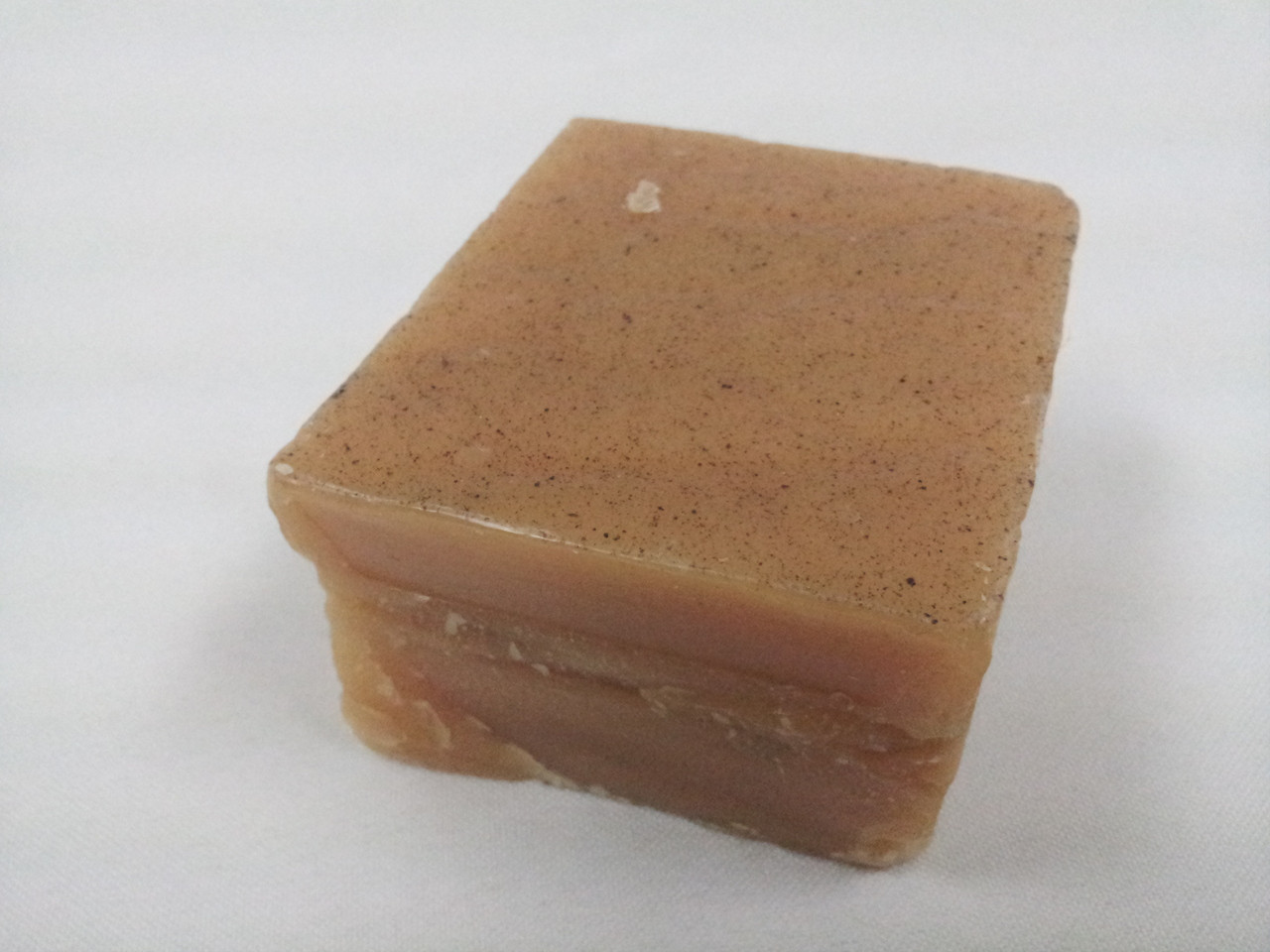
Adding mass to lower flat pitches or securing reed bases.
Accordion Reed Wax (Medium-Soft Grade) Specifically formulated for accordion reeds; softer than common waxes to hold well without cracking.
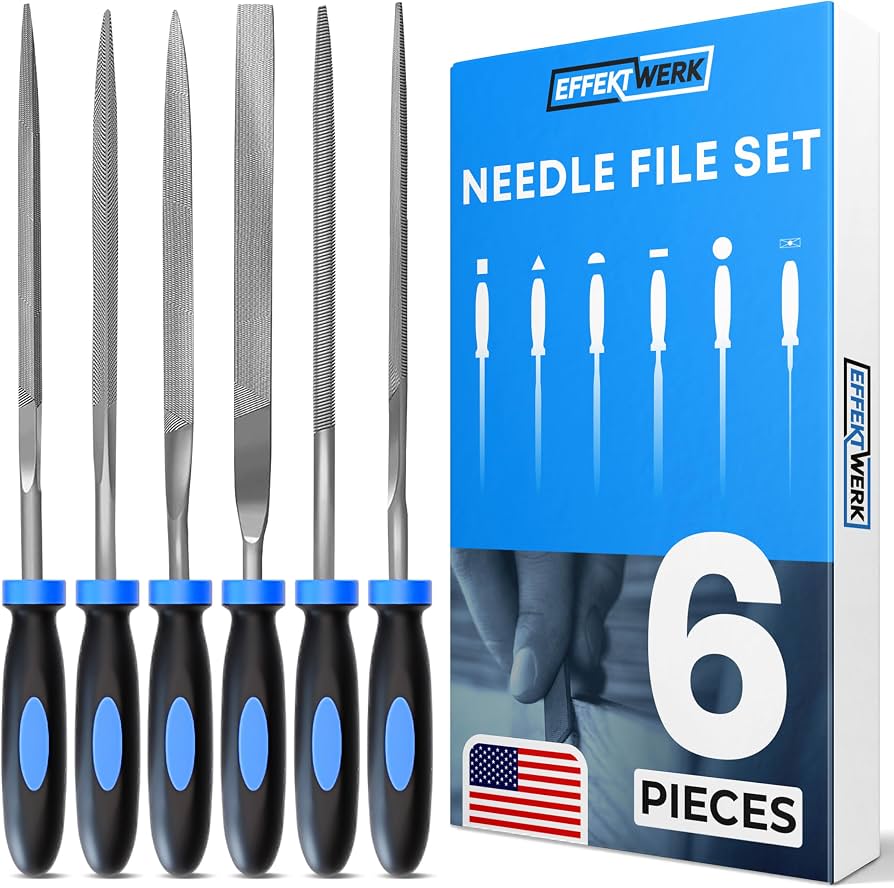
Removing metal from sharp reeds to lower pitch.
Jeweler's Needle File Set (6-piece) Precision files for delicate scraping of reed tongues without damaging adjacent reeds.
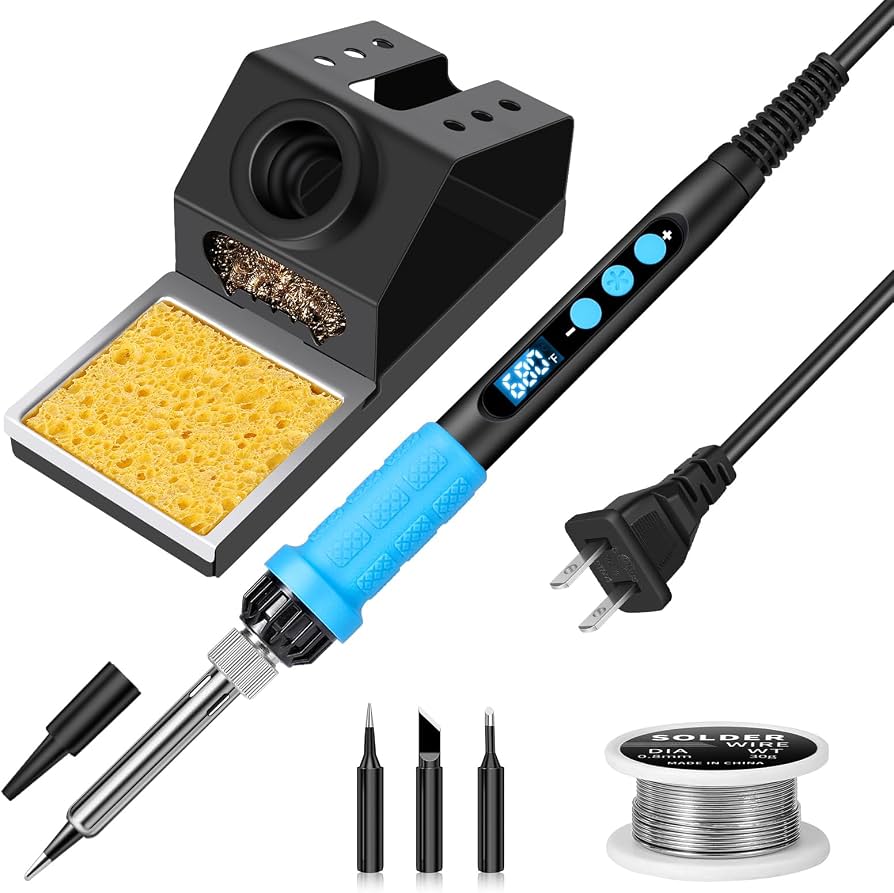
Melting and applying reed wax cleanly.
Heated Wax Applicator (e.g., Soldering Iron with Temperature Control) Even heat prevents overheating reeds; essential for precise wax application.
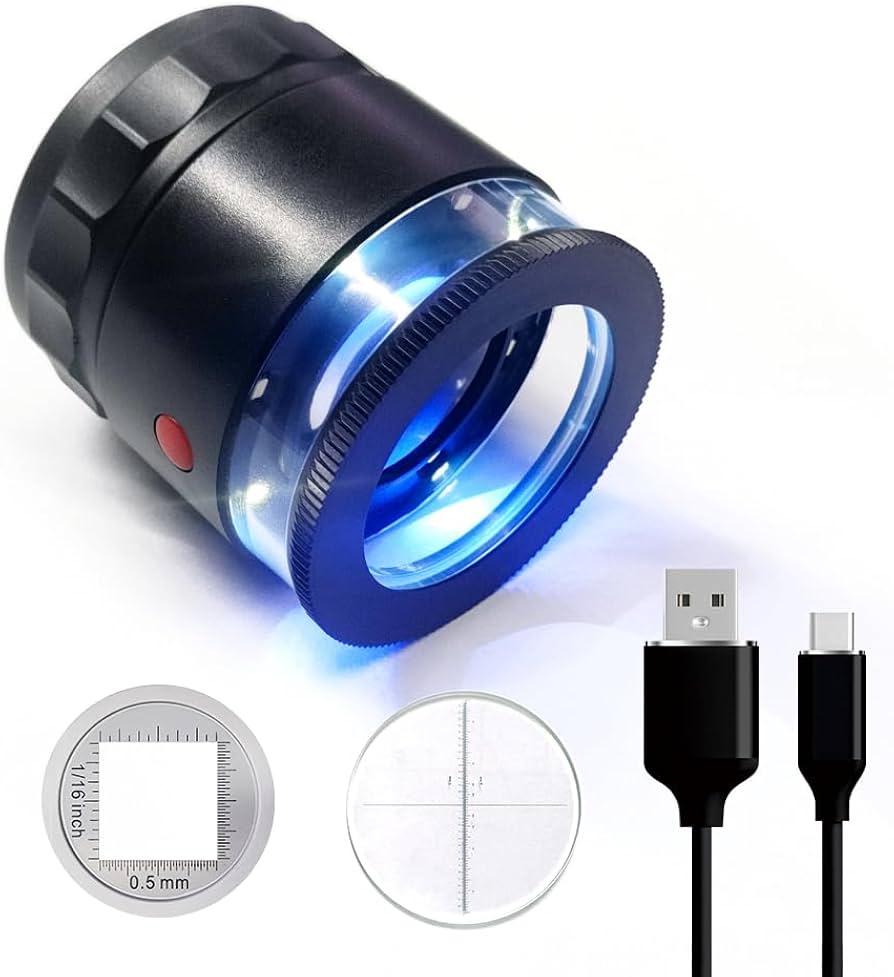
Close examination of reed condition and adjustment work.
Loupe Magnifier with LED Light (10x) Essential for inspecting reed tips, slots, and wax joints.