
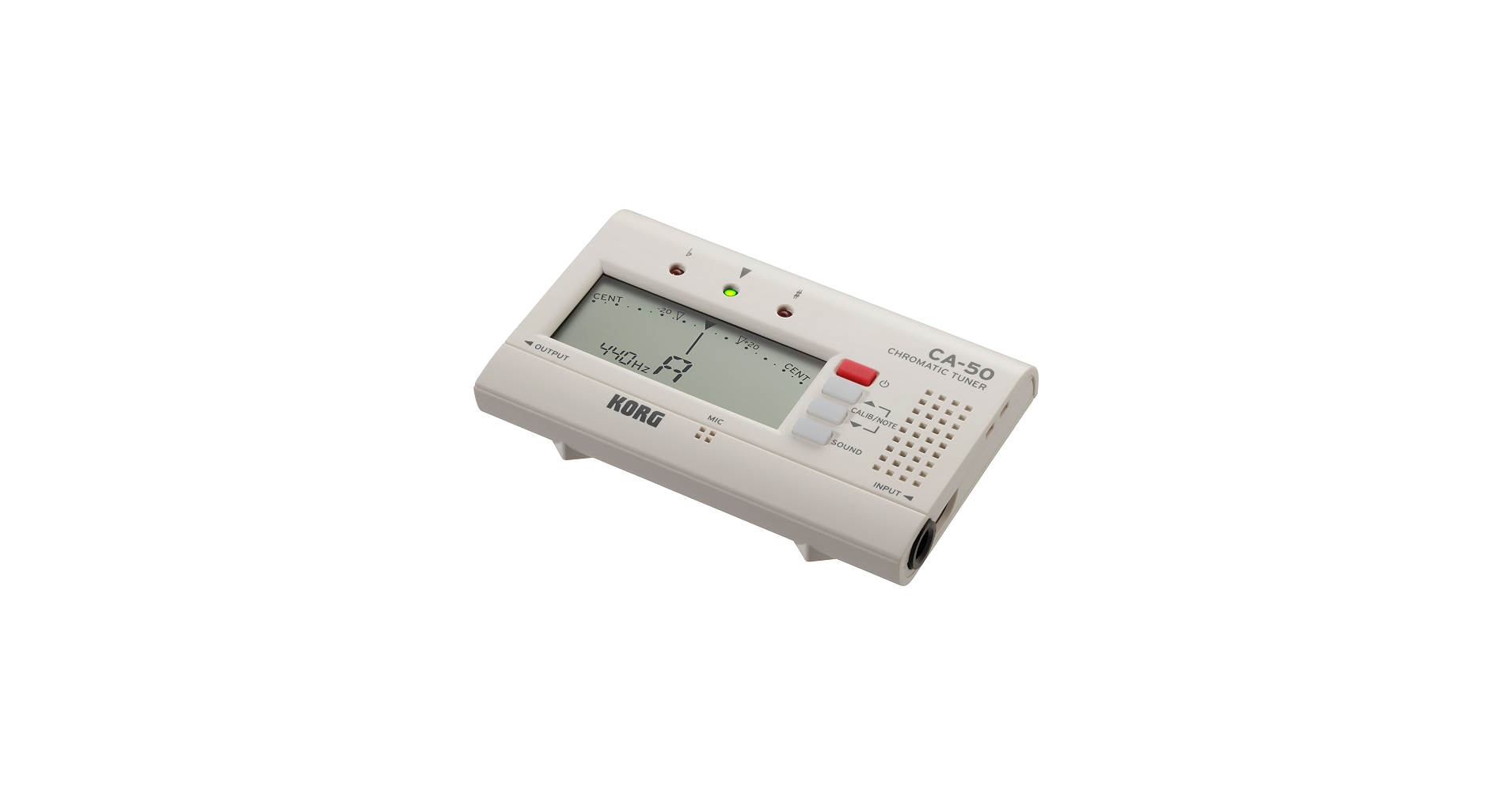
Korg CA-50 Chromatic Tuner
Clip-on for bellows or table use during every tuning session.
$19.99
Korg CA-50 Chromatic Tuner Large display and accurate strobe mode perfect for spotting reed pitch drifts in noisy workshops.
Get the App
Better experience on mobile
Master dry tuning techniques to get the crisp, authentic sound traditional folk players demand in just a few hours.
Nothing kills the vibe of a lively folk session like an out-of-tune accordion—those sour notes can clash horribly with fiddles and guitars. If you're an intermediate player diving into Irish, English, or Cajun folk traditions, learning to tune your own accordion ensures that pure, dry tone that cuts through without unwanted tremolo.
In this guide, you'll learn how to safely access, tune, and reinstall your accordion's reeds for traditional folk music's signature clarity. We'll cover tools, step-by-step disassembly, precise adjustments using a chromatic tuner, and testing. Expect 4-6 hours for a full tuning (spread over sessions), suitable for intermediate players with basic mechanical skills—no prior tuning experience needed, but patience is key.
By the end, your accordion will sing with the spot-on intonation pros use, saving you hundreds on repairs.
Estimated Time: 4-6 hours (initial full tuning; 30-60 min for touch-ups) Difficulty: intermediate
Before touching your accordion, review what 'dry tuning' means for folk music. Traditional styles like Irish ceili or Appalachian old-time favor single-note dry tuning—no double reeds with tremolo (wet/musette)—for a clean, piano-like clarity that blends in ensembles.
Download a folk-specific tuning chart (e.g., A=440Hz equal temperament). Set your tuner to this standard. Lay out tools on a clean table. Success looks like: All tools ready, tuner calibrated to A=440Hz, chart printed with bass and treble ranges marked.
This prep prevents costly mistakes like over-filing reeds.
💡 Tips:
⚠️ Warnings:
Work in a vibration-free area with good lighting. Remove the accordion's outer covers using appropriate screwdrivers—typically 4-6 small screws on piano accordions or latches on button models.
Gently clean dust from reed blocks with a soft brush or compressed air (no liquids). Success looks like: Exposed reed blocks accessible, no dust or grime, accordion stable on foam padding.
Why it matters: Dust dulls reeds and affects pitch stability.
💡 Tips:
⚠️ Warnings:
Unscrew the reed block (usually 2-4 screws per block). Start with treble side for easier access. Place it on the tuning bellows stand.
Connect bellows hose if needed. Success looks like: Reed block secure, reeds visible and undamaged, bellows inflating steadily.
Folk tip: Treble reeds often need slight sharpening for 'bite' in fast reels.
💡 Tips:
⚠️ Warnings:
Power on tuner, clip to bellows or use mic mode. Blow steady air through bellows at moderate volume to vibrate the target reed.
Play a middle note (e.g., C). Note if flat (below pitch) or sharp (above). Success looks like: Tuner shows steady needle or strobe lock at target frequency (e.g., C4=261.63Hz).
Why: Folk music demands precise intonation for harmony with other instruments.
💡 Tips:
⚠️ Warnings:
For flat reeds (too low): Lightly file the reed tongue tip with a #2 needle file, moving away from base (lengthens effective vibrating area, lowers pitch? Wait no—filing tip raises pitch by lightening end).
Standard: File underside near free end to raise pitch (removes mass); file top near base to lower. Test after 2-3 strokes. Success looks like: Pitch locks on tuner after minimal filing, reed stable across dynamics.
Repeat for all reeds in sequence.
💡 Tips:
⚠️ Warnings:
Tune all reeds per chart, checking octaves and fifths (folk tunes rely on pure intervals). Blow forte/piano to verify stability.
Success looks like: Entire block in tune, no wolf tones (beats between notes).
Folk nuance: Slight treble boost (+5-10 cents) for projection.
💡 Tips:
⚠️ Warnings:
Apply reed wax if seals broken. Screw blocks back precisely (torque snug, not tight). Replace covers.
Success looks like: No air leaks, plays smoothly without rattles.
💡 Tips:
⚠️ Warnings:
Play folk scales, tunes (e.g., 'Whiskey Before Breakfast'). Retune drifts.
Success looks like: Clean chords, stable across bellows range, blends perfectly.
Repeat for bass if needed.
💡 Tips:
⚠️ Warnings:
Problem: Reed won't hold tune (drifts back)
Solution: Reseat with wax, file burrs smooth; play-in for 30 mins. If persistent, replace reed.
Problem: Air leaks post-reinstall
Solution: Check pallet alignment, tighten screws evenly; apply thin wax to edges.
Problem: Tuner shows beats between notes
Solution: Refine intervals per chart; seek pro if hardware detune.
Problem: Bass side sluggish
Solution: Clean valves, tune separately; low reeds need heavier filing.
Large display and accurate strobe mode perfect for spotting reed pitch drifts in noisy workshops.
Best for: Clip-on for bellows or table use during every tuning session.
Price Range: $19.99
Precision #2 cut files ideal for fine reed adjustments without gouging.
Best for: Essential for raising/lowering pitch on brass tongues.
Price Range: $24.99
Provides consistent, hands-free airflow crucial for accurate folk dry tuning.
Best for: Mount reed blocks for solo reed work.
Price Range: $39.99
Software tuner with folk-specific temperaments for ultimate precision.
Best for: Advanced users tuning for specific regional styles.
Price Range: $99-$149
Micro sizes prevent stripping tiny accordion screws.
Best for: Disassembly/reassembly without damage.
Price Range: $29.99
Clip-on for bellows or table use during every tuning session.
Korg CA-50 Chromatic Tuner Large display and accurate strobe mode perfect for spotting reed pitch drifts in noisy workshops.
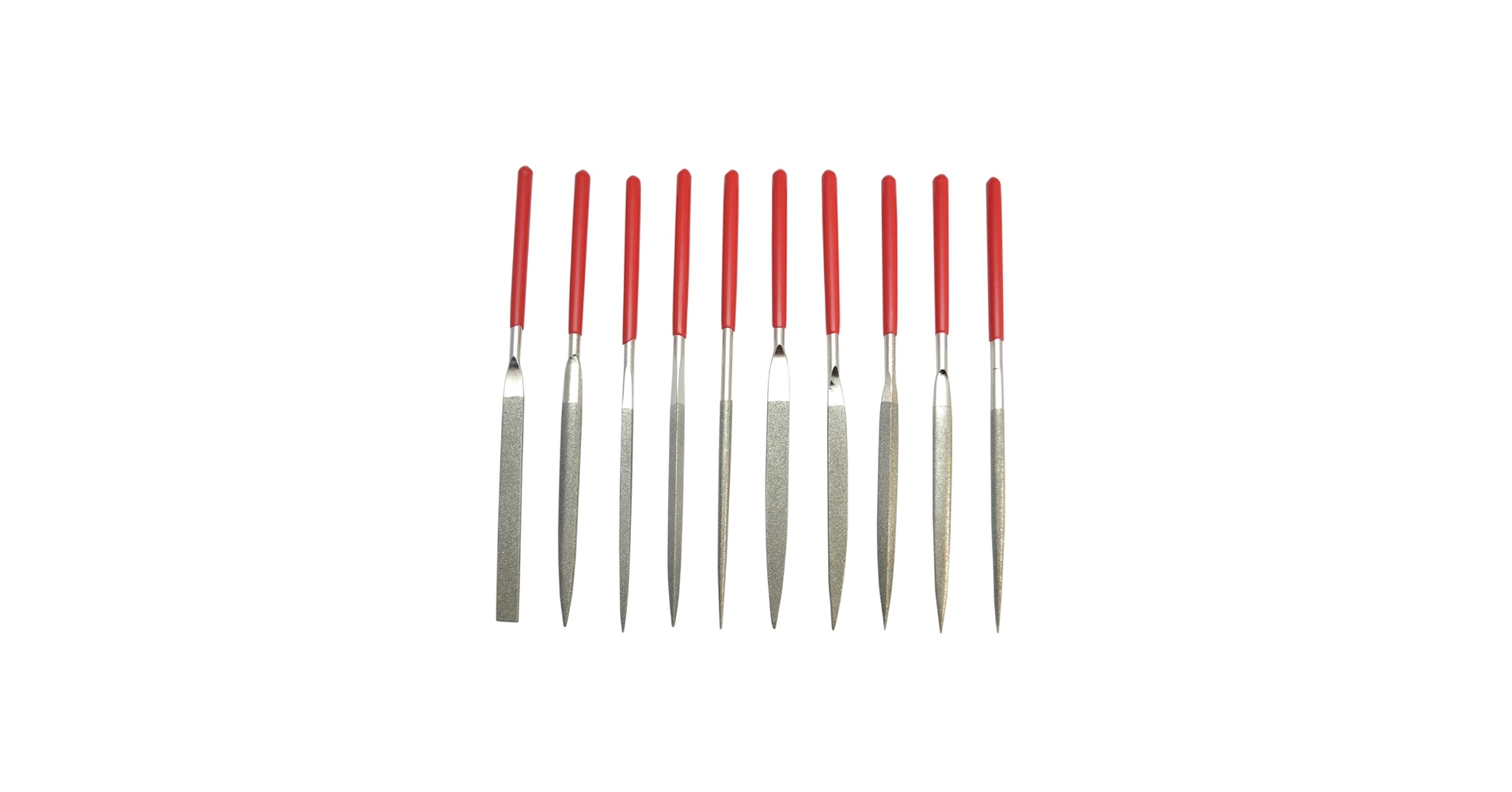
Essential for raising/lowering pitch on brass tongues.
Grobet USA Needle File Set (10-piece) Precision #2 cut files ideal for fine reed adjustments without gouging.
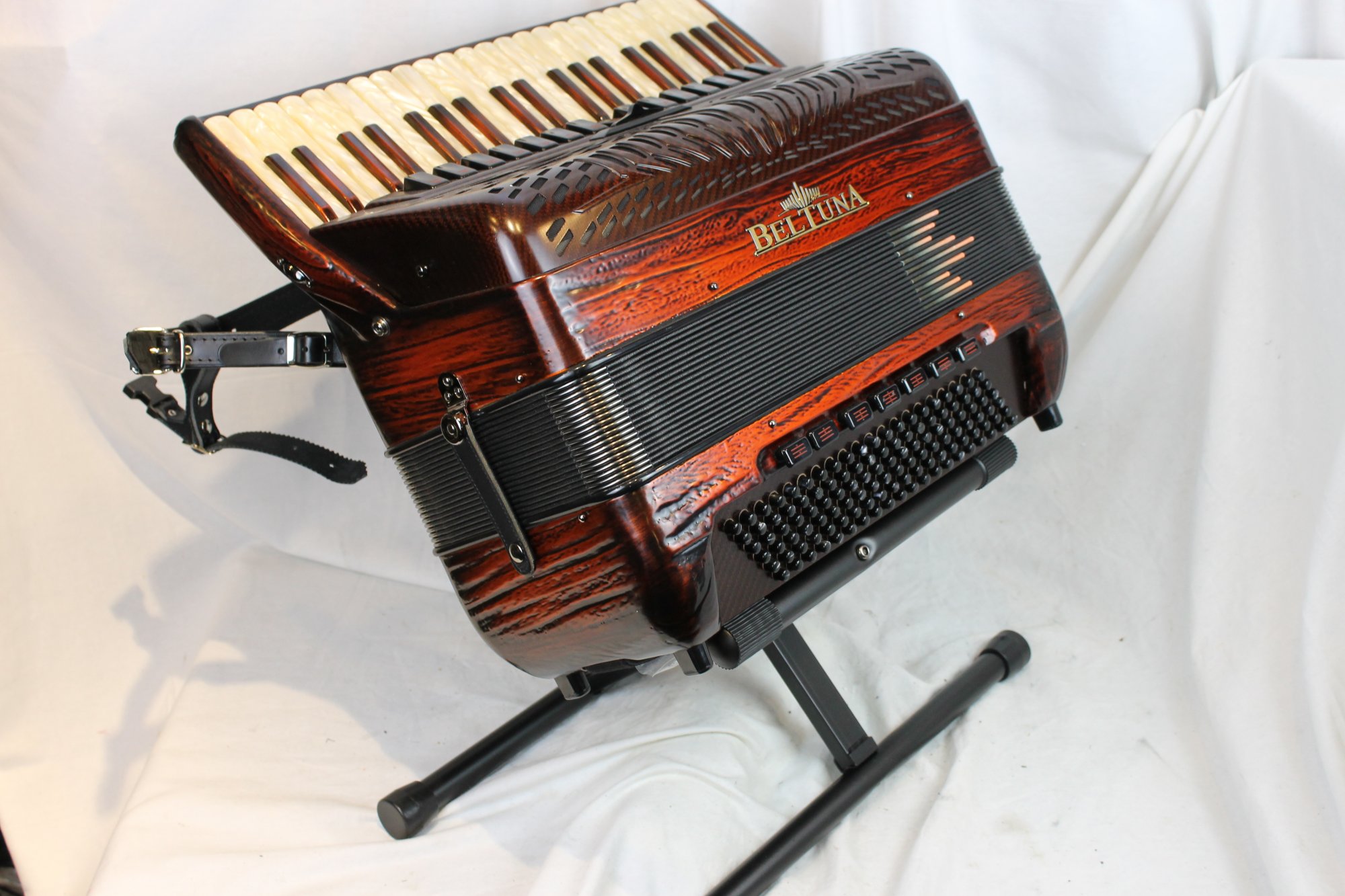
Mount reed blocks for solo reed work.
Accordion Tuning Bellows with Stand Provides consistent, hands-free airflow crucial for accurate folk dry tuning.

Advanced users tuning for specific regional styles.
Peterson StroboSoft for Accordion Software tuner with folk-specific temperaments for ultimate precision.
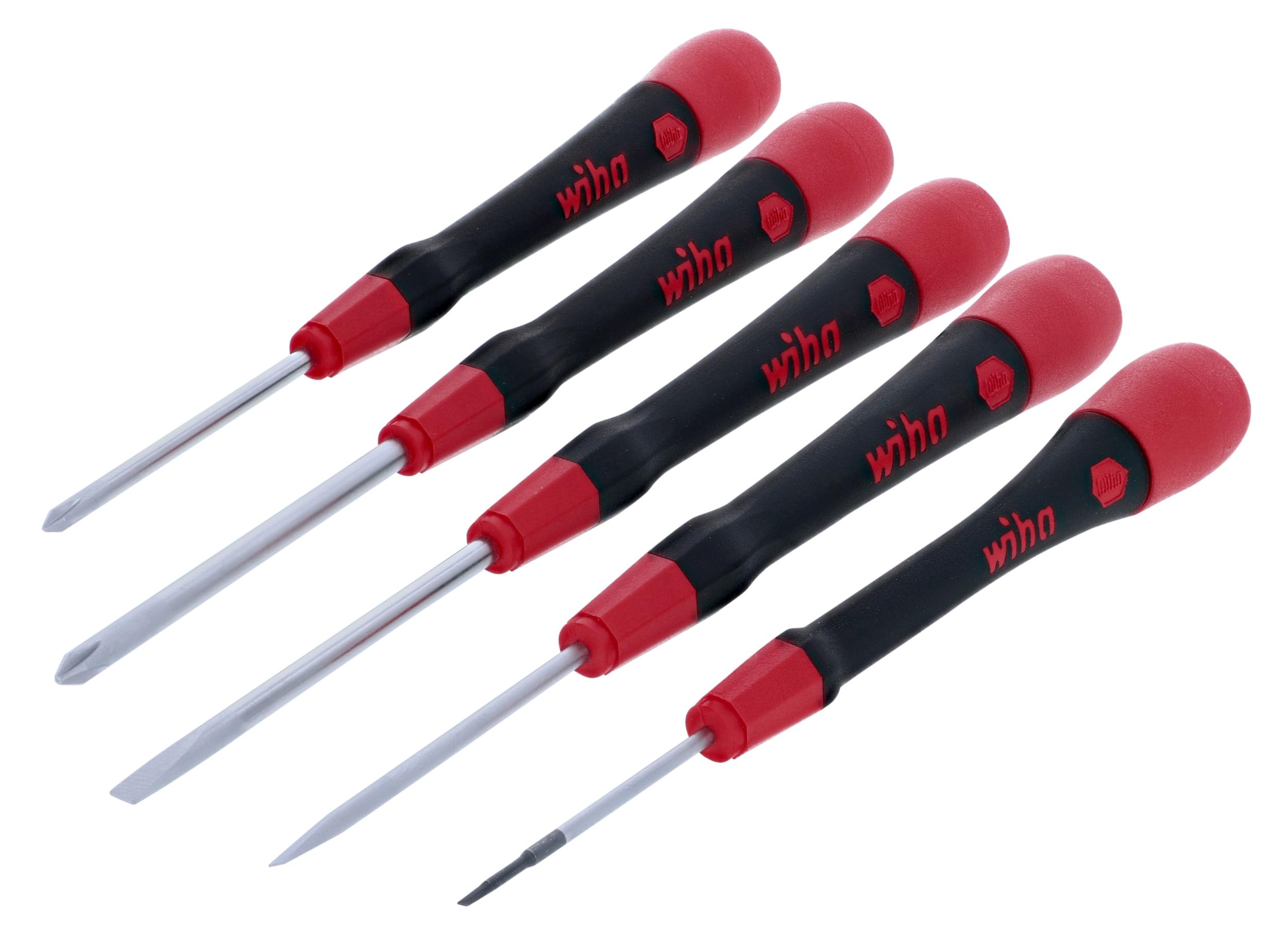
Disassembly/reassembly without damage.
Wiha Precision Screwdriver Set Micro sizes prevent stripping tiny accordion screws.