
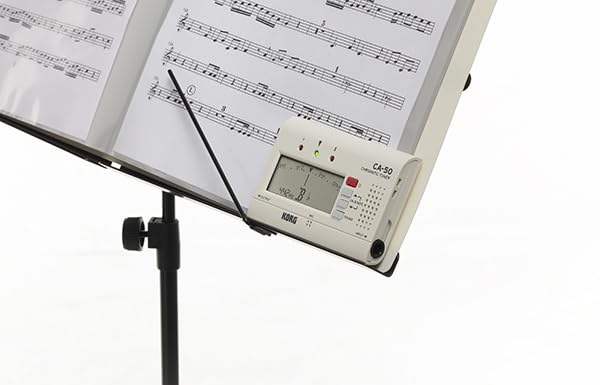
Korg CA-50 Chromatic Tuner
Core tuning tool for all steps; clips securely to bellows.
$25-$30
Korg CA-50 Chromatic Tuner Ultra-precise (±1 cent) with large display and needle/strobe modes ideal for accordion reed micro-adjustments.
Get the App
Better experience on mobile
Learn advanced reed adjustment techniques to eliminate muddiness and achieve precise, crystal-clear tones on your accordion.
If your accordion produces a muddy, beating, or off-pitch sound, it's likely due to detuned reeds—a common issue from temperature changes, heavy use, or age. Proper tuning restores clarity, balance, and expressiveness, making every note sing true. For advanced players, mastering DIY tuning saves hundreds on pro services while giving you control over custom tunings like dry or musette.
In this guide, you'll learn a step-by-step process to tune both treble and bass reeds using professional methods. We'll cover inspection, pitch correction, and testing for optimal results. Expect 2-4 hours per side (treble/bass), depending on your instrument's condition—perfect for intermediate-to-advanced technicians with reed experience.
No prior pro tuning needed, but familiarity with accordion disassembly is assumed. By the end, your accordion will have clean, vibrant sound ready for performance.
Estimated Time: 2-4 hours per keyboard side (treble or bass); full instrument 4-8 hours Difficulty: advanced
Set up a well-lit, stable workbench at comfortable height. Lay out tools in order: tuner, bellows, files, screwdrivers, and loupe. Calibrate your tuner to A=440Hz (standard concert pitch) and select chromatic mode with cents display for precise ±1 cent accuracy.
Why it matters: Consistent setup prevents errors and contamination. Expect a clean space free of dust, which could gum up reeds. Test bellows for even pressure—accordion tuning requires steady airflow unlike playing.
💡 Tips:
⚠️ Warnings:
Remove the top/middle grille (treble) or front panel (bass) using appropriate screwdrivers. Gently extract reed blocks—note their positions with labels or photos. For piano accordions, up to 4 treble blocks and 1-2 bass blocks.
Success looks like: Blocks out without bent tongues. Why: Accesses individual reeds. Expect minor dust; clean with brush/air first.
💡 Tips:
Under loupe, check each reed tongue for cracks, loose rivets, warping, or buildup. Test-play each via bellows: listen for rattles or weak response. Measure tongue gap (0.3-0.5mm) with feeler gauge if available.
Why: Fixes issues before tuning. Success: All reeds vibrate freely without buzz. Discard/replace damaged ones (10-20% common in older instruments).
⚠️ Warnings:
Secure reed block on a soft cloth. Connect tuner mic/contact to bellows output. Play single notes at mezzo-forte with bellows for steady tone. Note pitch deviation in cents (e.g., +15 cents sharp).
Expect initial discrepancies up to ±50 cents. Why: Establishes baseline for temperament (e.g., musette: high note +10 cents, low -10 for tremolo).
💡 Tips:
To raise pitch (flatten sharp reeds): File underside near free end lightly with needle file, removing 0.01mm metal. To lower (flatten): File tang (rivet end) or press lightly with tang planer.
Stroke file parallel, 5-10 passes, retest after each. Why: Metal removal shortens effective length, raising frequency. Success: Pitch stabilizes within ±2 cents. For clear sound, tune pairs (e.g., C-E third) to beat at 0.3-0.5Hz for tremolo.
💡 Tips:
⚠️ Warnings:
Tune lowest octave first, progressing up. For treble: Single, tenor, bass voices per note. Bass: Similar per button. Check intervals (unisons clean, no beats; fifths pure).
Why: Ensures voicing balance. Expect 30-60 min/block. Success: All notes clear, no wolf tones.
Rewax blocks if loose, reinstall securely. Play full scales/chords across range. Retune any drifts (common 5-10%).
Success: Uniform clear sound, no position-dependent pitch wobbles.
💡 Tips:
Problem: Reed pitch drifts after tuning
Solution: Check for loose rivet or wax; resecure and lightly re-file. Humidity culprit—acclimatize 24hrs.
Problem: Persistent buzzing or beating
Solution: Inspect pallet valves for sticking; clean or replace. Ensure unisons tuned <1 cent apart.
Problem: Weak volume on some notes
Solution: Reed gap too narrow; gently bend tongue up 0.1mm. Retest airflow.
Problem: Tuner reads inaccurately
Solution: Use contact mic on reed block, not air mic. Calibrate tuner daily.
Problem: Can't achieve tremolo
Solution: For musette, offset high/low reeds by 8-12 cents. Seek pro if temperament unfamiliar.
Ultra-precise (±1 cent) with large display and needle/strobe modes ideal for accordion reed micro-adjustments.
Best for: Core tuning tool for all steps; clips securely to bellows.
Price Range: $25-$30
Compact, vibration-sensitive tuner excels at low-volume reed tests without feedback.
Best for: Portable option for on-block tuning and final play-testing.
Price Range: $14.99
Precision files perfect for controlled reed shaving without gouging.
Best for: Essential for raising/lowering pitch in Step 5; various shapes for tangs/free ends.
Price Range: $20-$25
Melts easily for resealing reed blocks, ensuring airtight fit post-tuning.
Best for: Optional repair during reassembly for leak-free sound.
Price Range: $8-$10
Sharp 30mm lens reveals reed flaws invisible to naked eye.
Best for: Inspection in Steps 3 and 5 for pro-level accuracy.
Price Range: $12-$15
Core tuning tool for all steps; clips securely to bellows.
Korg CA-50 Chromatic Tuner Ultra-precise (±1 cent) with large display and needle/strobe modes ideal for accordion reed micro-adjustments.

Portable option for on-block tuning and final play-testing.
D'Addario NS Micro Clip-On Tuner Compact, vibration-sensitive tuner excels at low-volume reed tests without feedback.
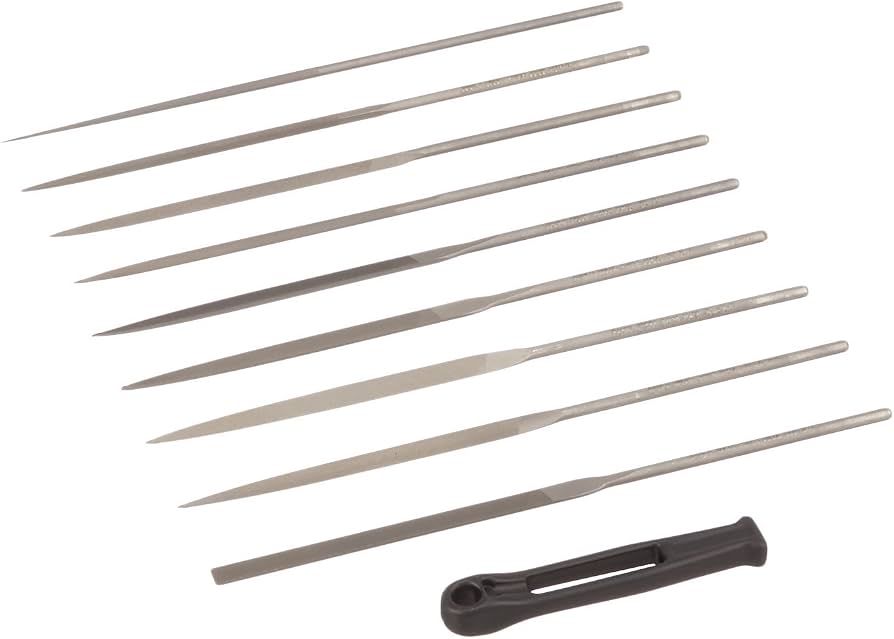
Essential for raising/lowering pitch in Step 5; various shapes for tangs/free ends.
Bahco 9-Piece Needle File Set Precision files perfect for controlled reed shaving without gouging.
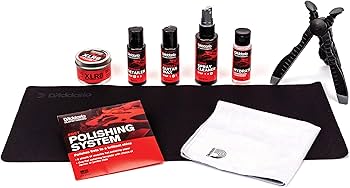
Optional repair during reassembly for leak-free sound.
D'Addario Accessories Luthiers Reed Wax Melts easily for resealing reed blocks, ensuring airtight fit post-tuning.
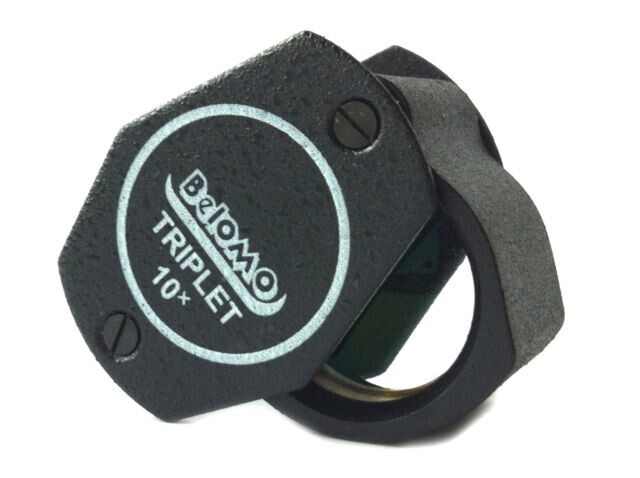
Inspection in Steps 3 and 5 for pro-level accuracy.
BelOMO 10x Triplet Loupe Magnifier Sharp 30mm lens reveals reed flaws invisible to naked eye.