
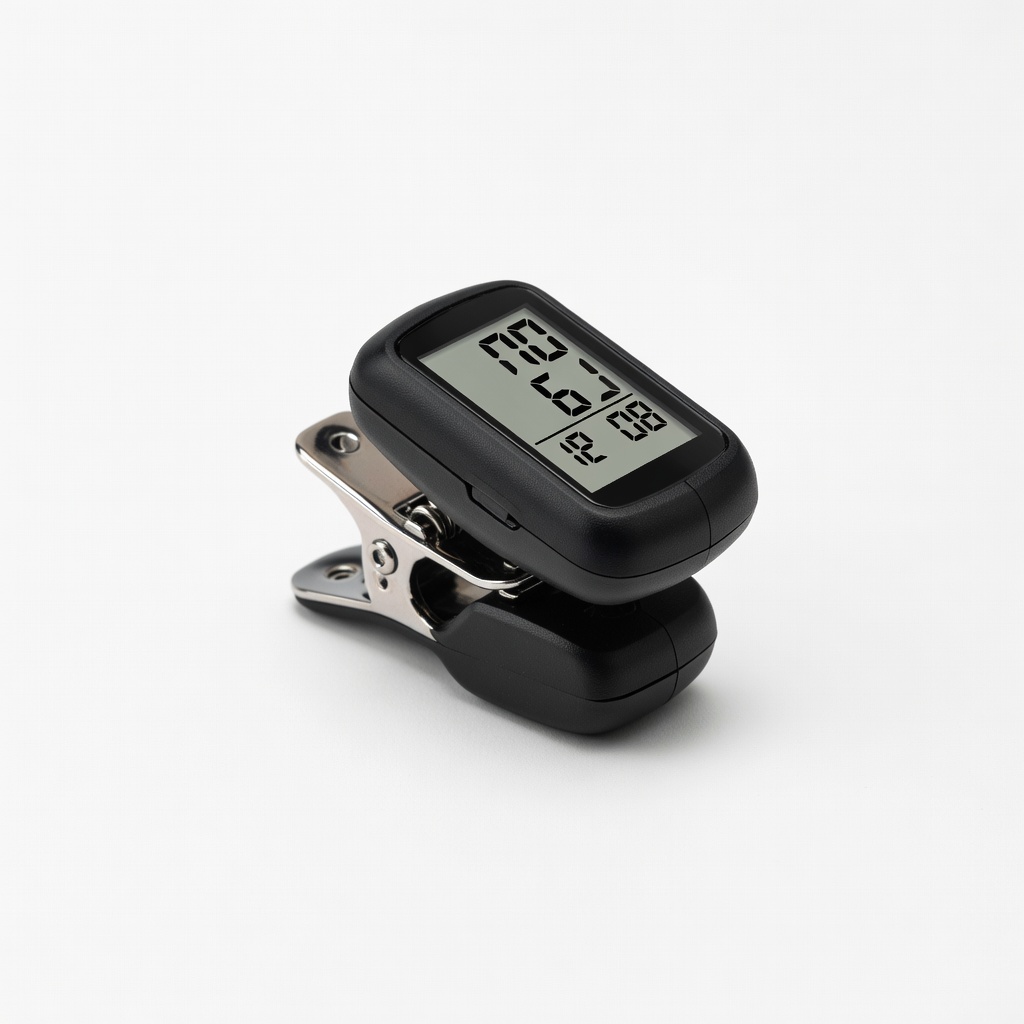
Snark ST-8HZ Clip-On Tuner
Clip to reed block for every tuning session.
$15.99
Snark ST-8HZ Clip-On Tuner Ultra-sensitive vibration pickup ignores bellows noise for precise cents readout, essential for multi-reed detuning.
Get the App
Better experience on mobile
Learn step-by-step tuning techniques to achieve clear, vibrant tones and eliminate sour notes on your accordion.
Is your accordion sounding flat, sharp, or just off-balance, making your music less enjoyable? Proper tuning restores its rich, harmonious voice, essential for intermediate players seeking professional-quality performance. Untuned reeds can ruin even the best playing technique.
In this guide, you'll learn how to tune both treble and bass reeds using precise tools and methods favored by luthiers. We'll cover cleaning, pitch adjustment, and temperament styles like musette or dry tuning. Expect a hands-on process that's rewarding but requires patience—no prior pro experience needed, just intermediate accordion knowledge.
The full tune takes 3-5 hours for a standard piano accordion, spread over sessions to avoid fatigue. By the end, your instrument will sing with clarity and depth.
Estimated Time: 3-5 hours (spread over 1-2 days) Difficulty: intermediate
Set up a well-lit, dust-free table at elbow height. Lay out a soft cloth to protect the accordion's finish. Test your chromatic tuner on A=440Hz standard pitch—accordions often use A=442Hz for brilliance; confirm via app or manual.
Inspect all tools: Ensure bellows seal tightly (no leaks), files are sharp, and feeler gauges are clean. Calibrate the tuner in a quiet room. Why? Accurate setup prevents false readings and reed damage.
Success: Tools ready, accordion placed grille-side up.
💡 Tips:
⚠️ Warnings:
Remove the top grille panels using appropriate screwdrivers—typically 6-10 screws per side. Gently lift keyboards if needed (some models allow grille-only access). Slide out treble and bass reed blocks, labeling them (e.g., 'treble low' with tape).
Handle blocks carefully; reeds are fragile. Why? Direct access lets you isolate each reed voice (L/M/H for treble: low, middle, high).
Success: Reed blocks out and organized.
💡 Tips:
⚠️ Warnings:
Brush rust, dust, or wax buildup from reeds and plates with a soft brush dipped in isopropyl alcohol (90%+). Wipe dry immediately. Inspect for bent or chipped reeds—straighten gently with tweezers if minor.
Cleaning ensures true vibration and accurate tuning. Neglect here causes muffled tones.
Success: Reeds shine, move freely without sticking.
💡 Tips:
⚠️ Warnings:
Attach bellows to a reed hole via rubber gasket (custom-fit if needed). Clip tuner to the reed block frame, facing the vibrating reed tip. Pump bellows steadily for consistent airflow (mimic playing volume).
Test on a known note. Why? Bellows provide isolated airflow without full accordion disassembly.
Success: Reed sounds clearly, tuner displays stable pitch.
💡 Tips:
Start with bass block. Play each button via bellows, note pitch on tuner. For dry tuning, match exact pitch; for musette (wet), detune low/high reeds +10/-10 cents from middle.
Insert feeler under reed tip to raise pitch (thins gap), file tang to lower (lengthens). Test after each tweak.
Success: Bass side in tune, beats (tremolo) even if musette.
💡 Tips:
⚠️ Warnings:
Move to treble blocks. Tune middle voice first to A=442Hz, then low (+15 cents) and high (-15 cents) for classic musette tremolo. Use burnisher to press reed flatter (lowers pitch) or file for raise.
Progress by octave, checking neighbors for harmony. Why? Treble dominates melody.
Success: Consistent tremolo speed (5-7 Hz beat).
💡 Tips:
Play chords across range—listen for even volume and color. Adjust scalic temperament if needed (sharps/flats slightly narrow/wide). Retune problem notes.
This creates the accordion's signature 'voicing'.
Success: Smooth scales, no wolf tones.
💡 Tips:
⚠️ Warnings:
Replace blocks securely, screw grilles tight. Play full scales, tunes—retune any shifts from pressure.
Final play confirms success.
Success: Vibrant, balanced sound throughout.
💡 Tips:
Problem: Reed won't sound
Solution: Check for binding—clean, straighten with tweezers. Ensure proper airflow.
Problem: Pitch drifts during play
Solution: Reed loose—secure with wax. Or temperature change; retune warm.
Problem: Uneven tremolo
Solution: Balance detuning cents precisely across voices. Test at forte/piano.
Problem: Muffled tones post-tune
Solution: Over-waxed or bent reed—remove excess, reburnish flat.
Problem: Can't match pitch
Solution: Tuner interference—move clip, use contact mic. Seek pro if reed cracked.
Ultra-sensitive vibration pickup ignores bellows noise for precise cents readout, essential for multi-reed detuning.
Best for: Clip to reed block for every tuning session.
Price Range: $15.99
Metric blades from 0.05-1.00mm allow exact reed gap adjustments without guesswork.
Best for: Lifting reed tips to raise pitch accurately.
Price Range: $20-$25
Fine cut 4 files perfect for reed tang without gouging soft metal.
Best for: Lowering pitch on stubborn high reeds.
Price Range: $25-$35
Compact, leak-proof design mimics playing pressure for realistic tuning.
Best for: Isolated reed testing on all blocks.
Price Range: $40-$60
Melts easily for weighting down pitch, removable for corrections.
Best for: Fine adjustments without filing.
Price Range: $10-$15
Clip to reed block for every tuning session.
Snark ST-8HZ Clip-On Tuner Ultra-sensitive vibration pickup ignores bellows noise for precise cents readout, essential for multi-reed detuning.
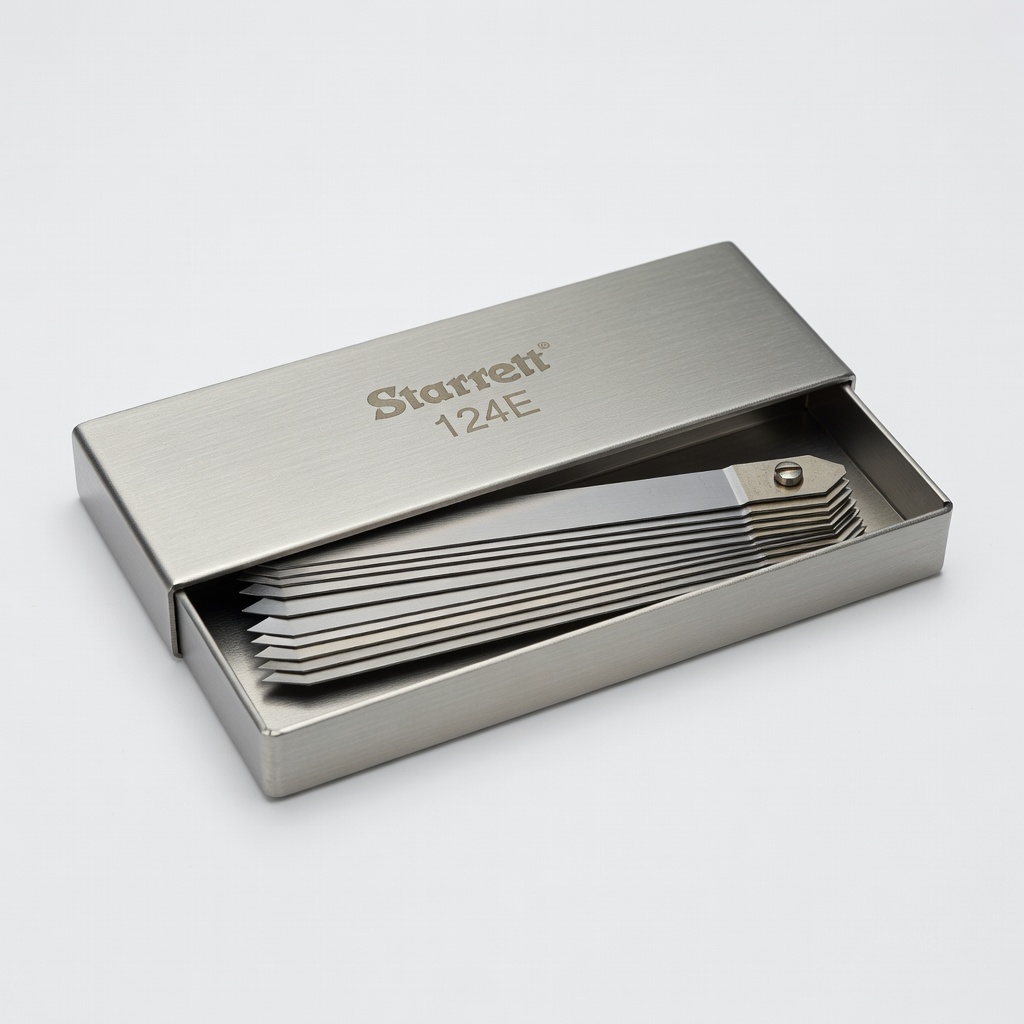
Lifting reed tips to raise pitch accurately.
Starrett 124E Feeler Gauge Set Metric blades from 0.05-1.00mm allow exact reed gap adjustments without guesswork.
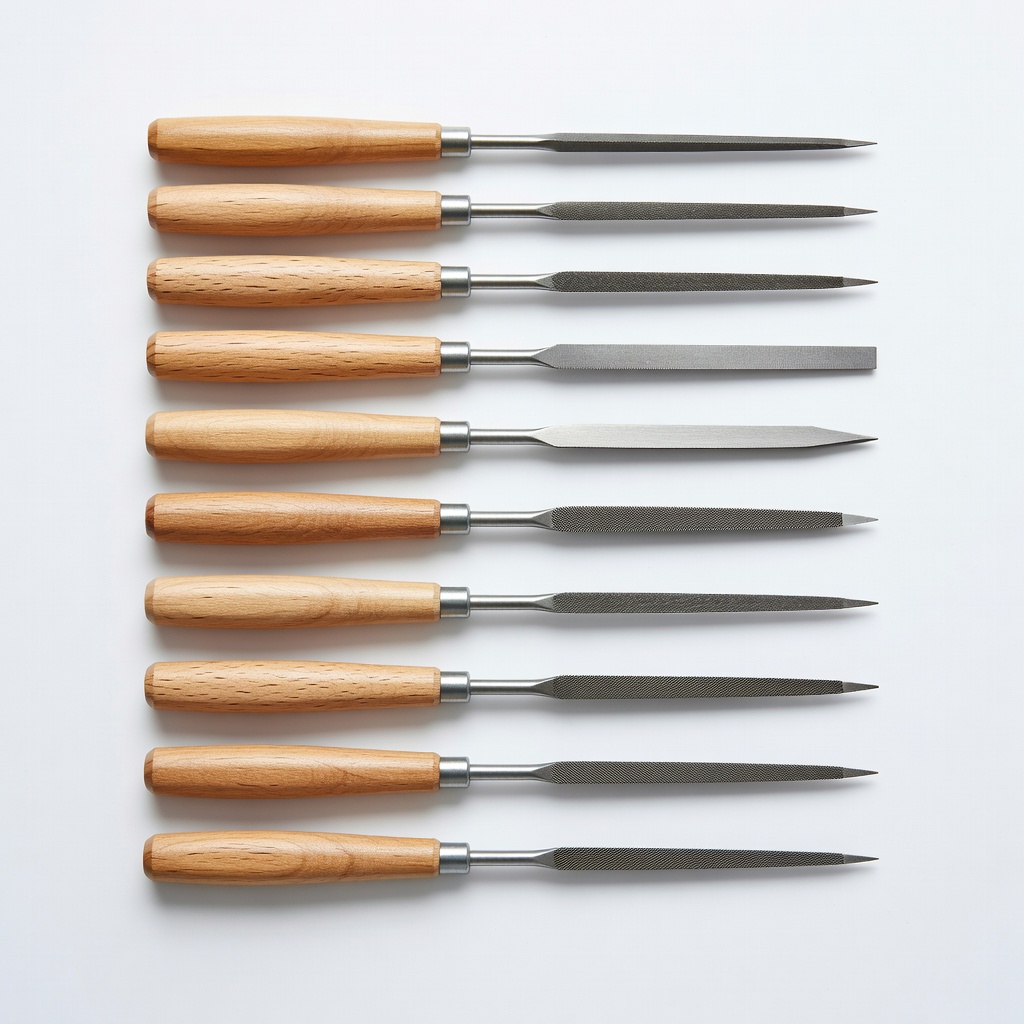
Lowering pitch on stubborn high reeds.
Grobet USA Needle File Set (10 files) Fine cut 4 files perfect for reed tang without gouging soft metal.
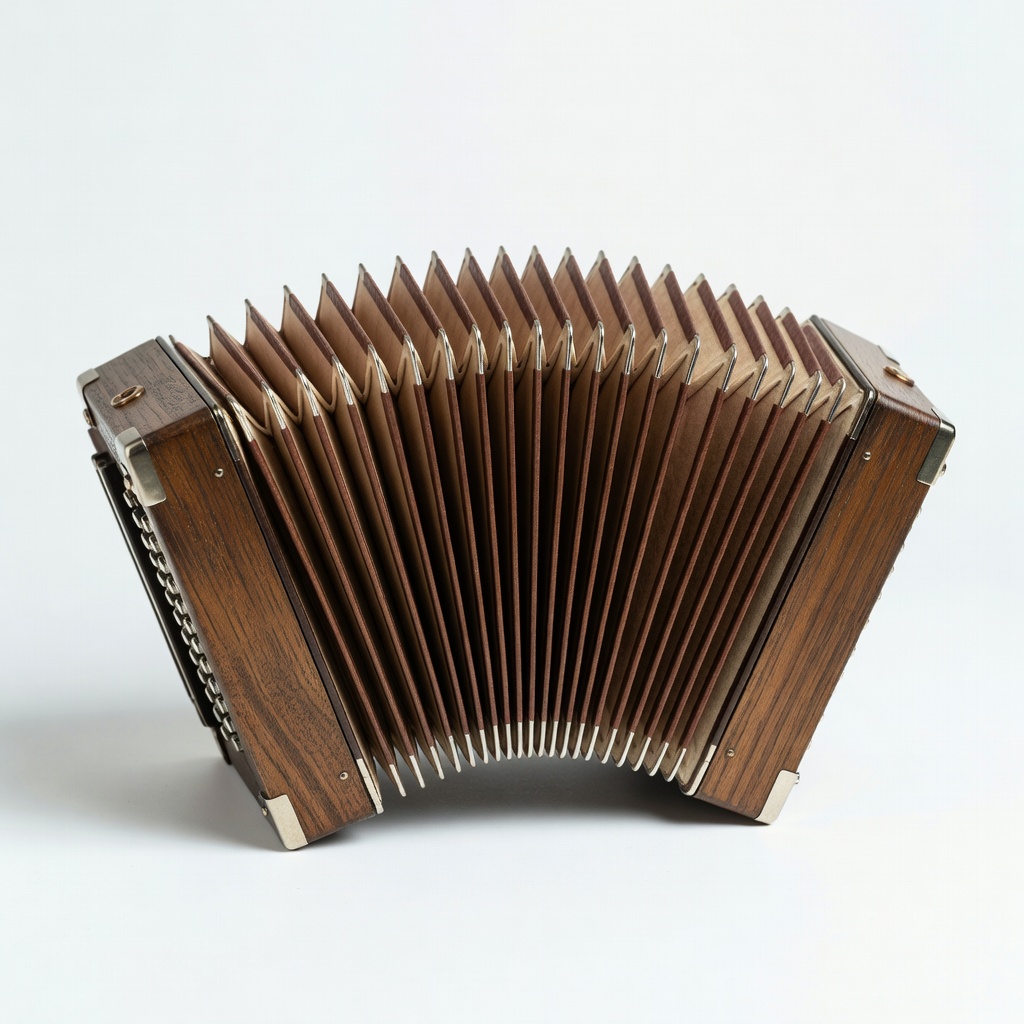
Isolated reed testing on all blocks.
Hobner Accordion Tuning Bellows Compact, leak-proof design mimics playing pressure for realistic tuning.
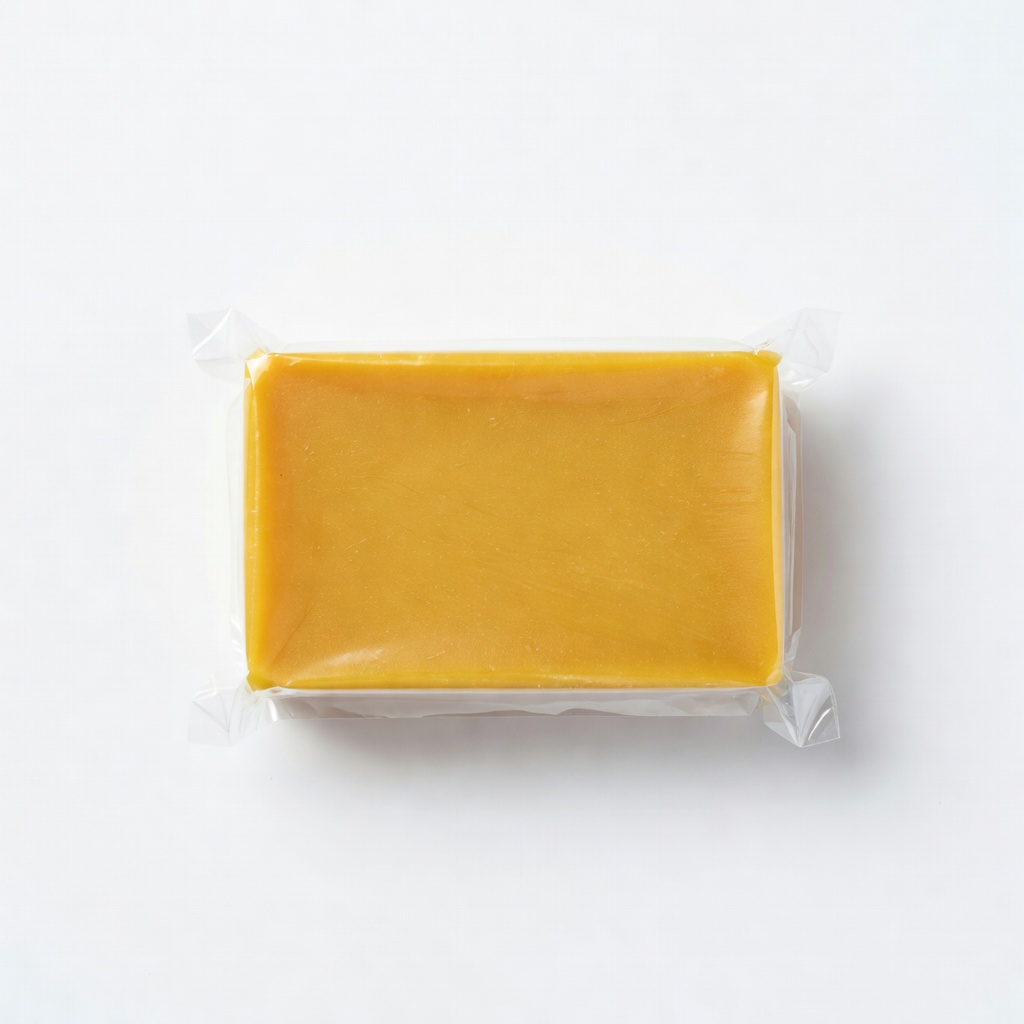
Fine adjustments without filing.
Freeman Alloy Beeswax (1 lb) Melts easily for weighting down pitch, removable for corrections.