
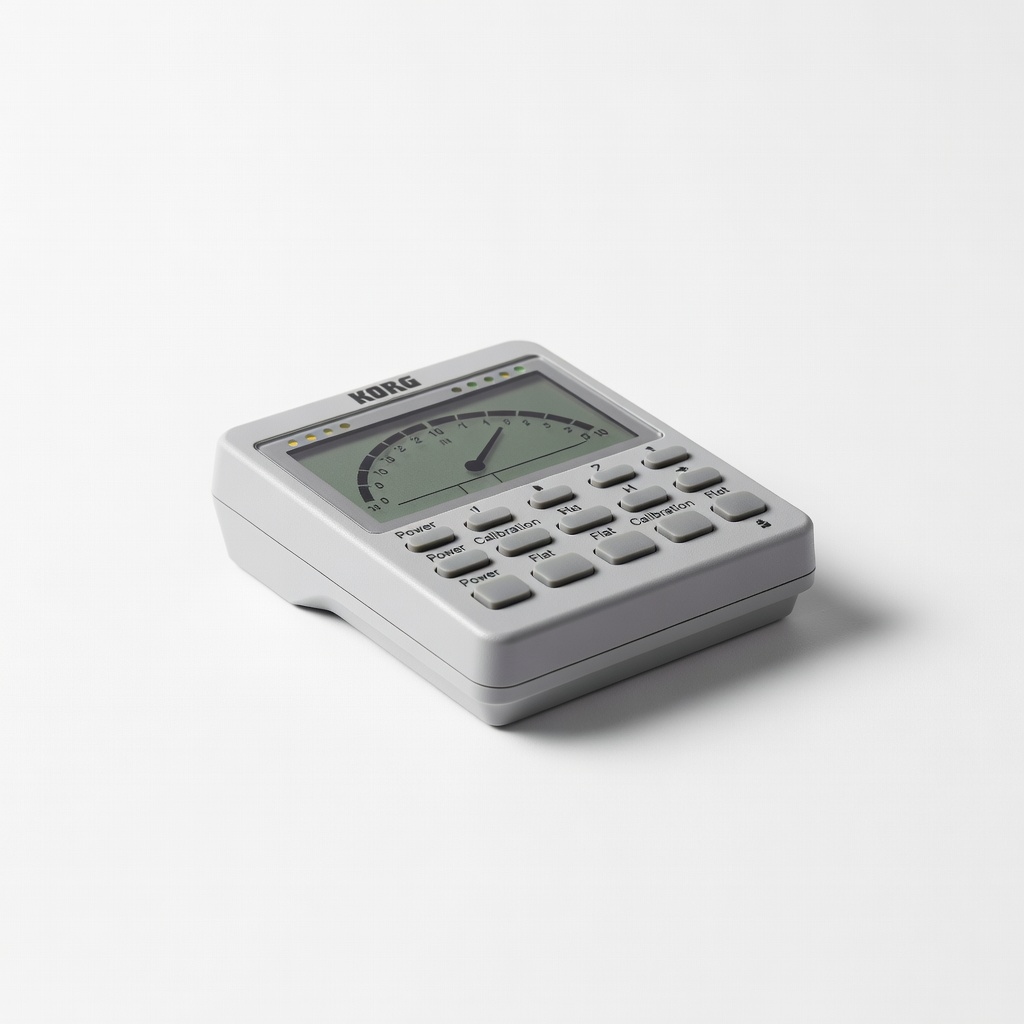
Korg CA-50 Chromatic Tuner
Real-time monitoring during bellows testing.
$20-$25
Korg CA-50 Chromatic Tuner Ultra-precise strobe-like accuracy for detecting subtle response-related pitch instabilities in reeds.
Get the App
Better experience on mobile
Learn advanced techniques to optimize reed gaps, profiles, and alignment for faster attack, clearer tone, and superior playability in your accordion.
Sluggish reeds that hesitate or buzz can ruin even the most skilled accordion performance, leading to frustration during fast passages or dynamic playing. Poor response often stems from manufacturing variances, dirt buildup, or wear, but with precise tuning, you can transform your instrument's speech for lightning-quick response and vibrant tone.
In this guide, you'll master disassembling your accordion, cleaning, inspecting, and fine-tuning reeds specifically for response—not just pitch. Expect to spend 4-8 hours depending on your accordion's size (piano vs. button), with advanced skills in precision work required. No prior tuning experience? Start with basic maintenance first.
We'll cover sequential steps, pro tips, and troubleshooting to ensure professional results at home.
Estimated Time: 4-8 hours (plus drying time) Difficulty: advanced
Set up a clean, well-lit area with good ventilation. Lay out all tools and inspect your accordion for any loose screws or damage. Calibrate your tuner to A=442Hz (standard for most accordions) and test the tuning bellows for consistent pressure.
Why it matters: A stable setup prevents contamination and ensures accurate adjustments. Success looks like organized tools and a fully charged tuner.
Image description: Organized workbench with accordion tools laid out: screwdrivers, files, tuner, and disassembled reed block.
💡 Tips:
⚠️ Warnings:
Remove the bellows straps, keyboard pallet box, and grille screws carefully using JIS screwdrivers to avoid stripping. Gently lift off the reed blocks from both treble and bass sides, noting their positions (mark with tape if needed).
This exposes the reeds for access. Expect some resistance from wax seals—don't force it. Success: Reed blocks out intact, no bent reeds.
Pro note: Work on one side at a time to maintain orientation.
💡 Tips:
⚠️ Warnings:
Dip a soft brush in isopropyl alcohol and gently clean each reed tongue, rivet, and frame slot. Remove wax buildup, dirt, or oxidation. Dry completely with compressed air or a microfiber cloth.
Dirt causes sluggish response by adding drag. Cleaned reeds should gleam and move freely when plucked. This step alone can improve response by 20-30%.
Image description: Close-up of brush cleaning a shiny accordion reed.
💡 Tips:
⚠️ Warnings:
Use feeler gauges to check the gap between reed tongue tip and frame (ideal: 0.15-0.25mm for piano accordions). Pluck each reed to ensure it vibrates fully without buzzing.
Improper gaps cause slow startup or weak volume. Adjust by gently bending the tongue with tweezers if off by >0.05mm. Success: All reeds seal properly at rest but speak instantly.
Measure every reed systematically.
💡 Tips:
⚠️ Warnings:
Using needle files, lightly file the underside of the reed tongue near the rivet to reduce weight and sharpen the profile. Aim for a slight curve—thinner at the tip.
This lowers inertia for quicker vibration startup. File in small passes, testing response after each. Expect brighter, faster attack without losing volume.
Image description: Hand filing reed tongue with precision needle file.
💡 Tips:
⚠️ Warnings:
Secure reed block in a holder, attach bellows, and blow air while plucking. Monitor response time (should speak <50ms) and pitch on tuner. Adjust profile or gap iteratively.
Uniform pressure simulates playing. Success: Consistent, snappy response across all reeds.
Tune musette or dry as preferred.
💡 Tips:
⚠️ Warnings:
Melt reed wax sparingly and reseal blocks to pallets, ensuring perfect alignment (no air leaks). Press firmly and let cool 30 minutes.
Leaks kill response. Test for airtight seal by blocking other reeds.
Image description: Applying hot wax to reed block base.
💡 Tips:
⚠️ Warnings:
Reverse disassembly, tightening screws to spec (1-2 Nm torque). Play scales at various dynamics and speeds, checking for even response.
Fine-tune any outliers. Success: Effortless fast runs and balanced volume.
Let rest 24 hours before heavy use.
💡 Tips:
⚠️ Warnings:
Problem: Reeds still sluggish after filing
Solution: Check for reed block tilt or pallet leaks; re-measure gaps and use feeler gauges again. If persistent, reeds may need replacement.
Problem: Buzzing or double-toning
Solution: Inspect tongue-frame contact; lightly stone the frame edge. Ensure even wax seal.
Problem: Pitch drifts during testing
Solution: Recalibrate tuner and standardize bellows pressure. Humidity changes? Wait and retune.
Problem: Can't access inner reeds
Solution: Use flexible extension tools or partial disassembly. Seek pro if vintage model.
Ultra-precise strobe-like accuracy for detecting subtle response-related pitch instabilities in reeds.
Best for: Real-time monitoring during bellows testing.
Price Range: $20-$25
Precision files ideal for safe, controlled reed tongue shaping without gouging.
Best for: Filing undersides for reduced weight and faster vibration.
Price Range: $12-$15
JIS and Phillips bits perfect for accordion screws, preventing stripping on delicate disassembly.
Best for: Safe removal of reed blocks and grilles.
Price Range: $35-$40
Low-melt wax for clean, durable reed block seals without residue.
Best for: Rewaxing after adjustments for airtight response.
Price Range: $8-$12
Vibrates for silent tuning and handles accordion's complex harmonics well.
Best for: Quick individual reed checks without bellows.
Price Range: $14-$18
Real-time monitoring during bellows testing.
Korg CA-50 Chromatic Tuner Ultra-precise strobe-like accuracy for detecting subtle response-related pitch instabilities in reeds.
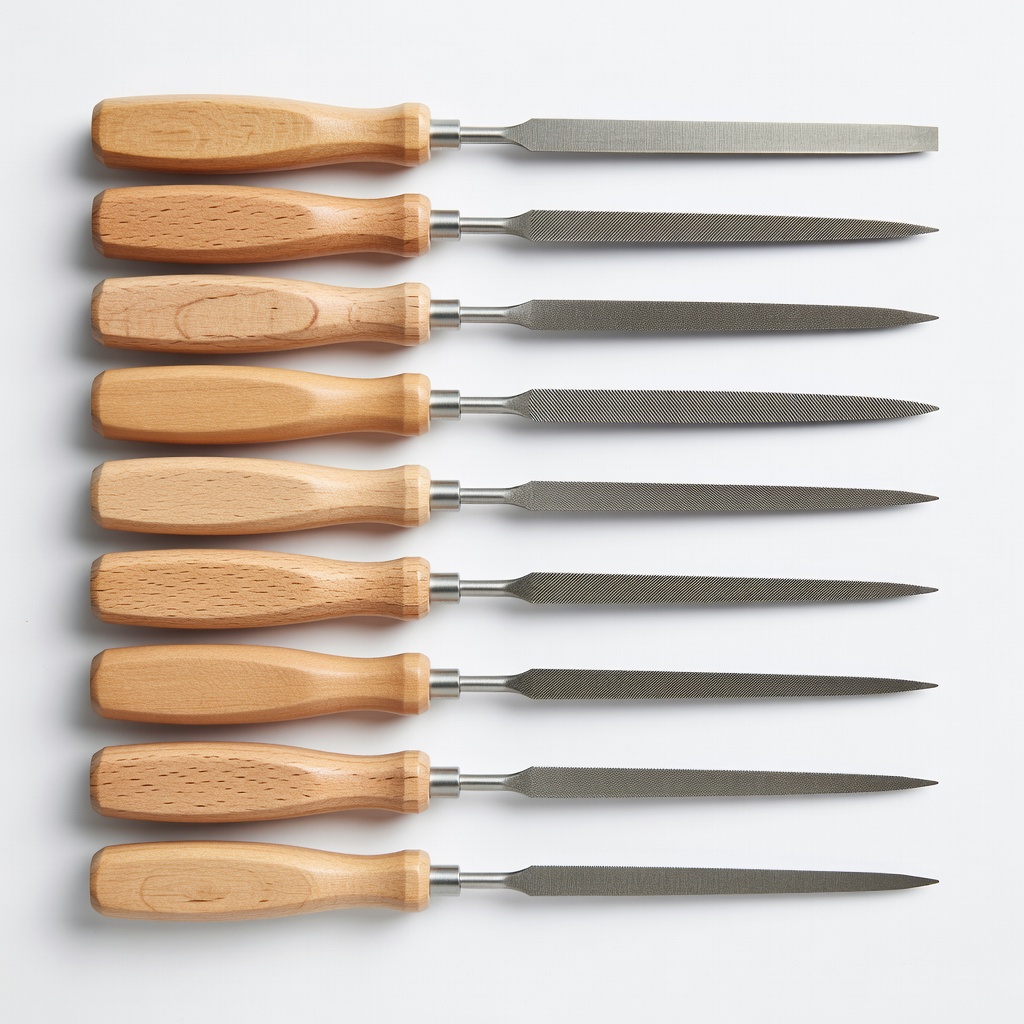
Filing undersides for reduced weight and faster vibration.
TEKTON Needle File Set, 10-Piece Precision files ideal for safe, controlled reed tongue shaping without gouging.
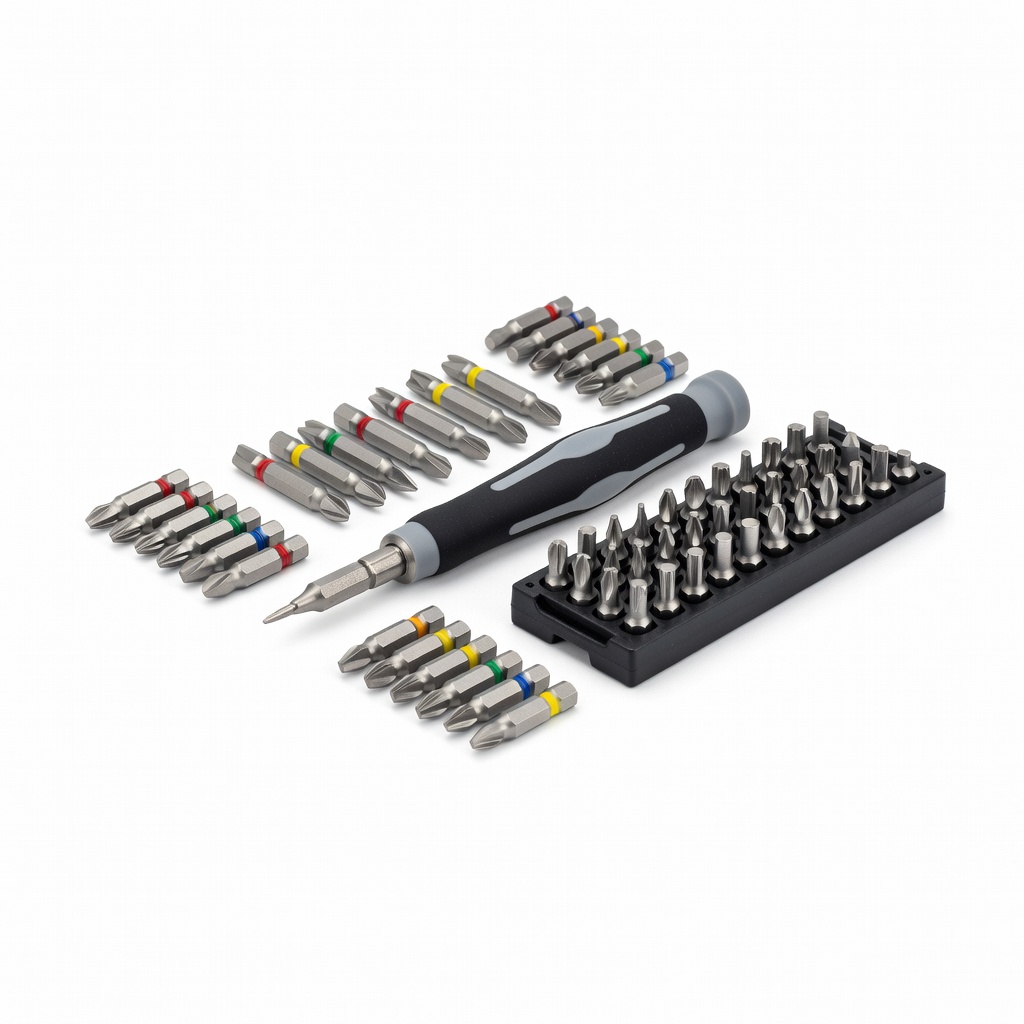
Safe removal of reed blocks and grilles.
iFixit Mako Driver Kit JIS and Phillips bits perfect for accordion screws, preventing stripping on delicate disassembly.
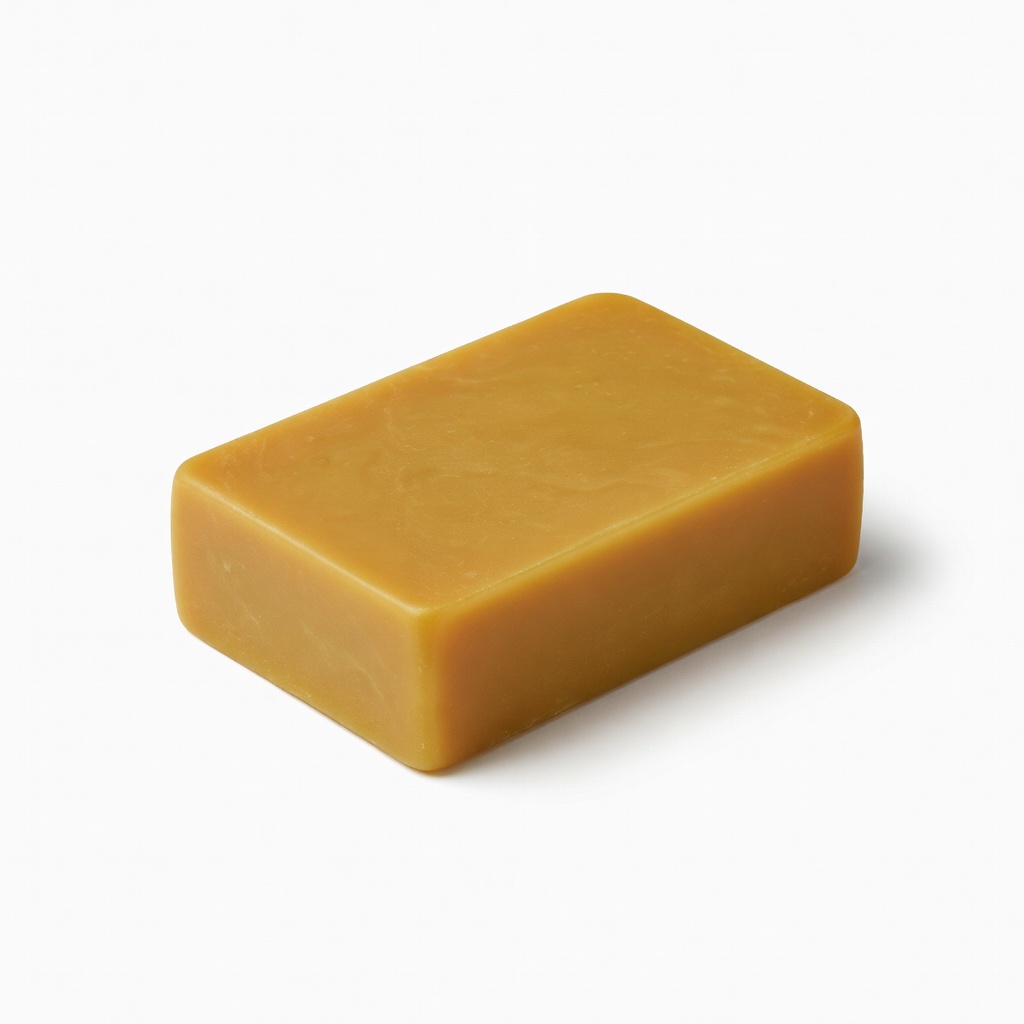
Rewaxing after adjustments for airtight response.
D'Addario BW Beeswax Low-melt wax for clean, durable reed block seals without residue.
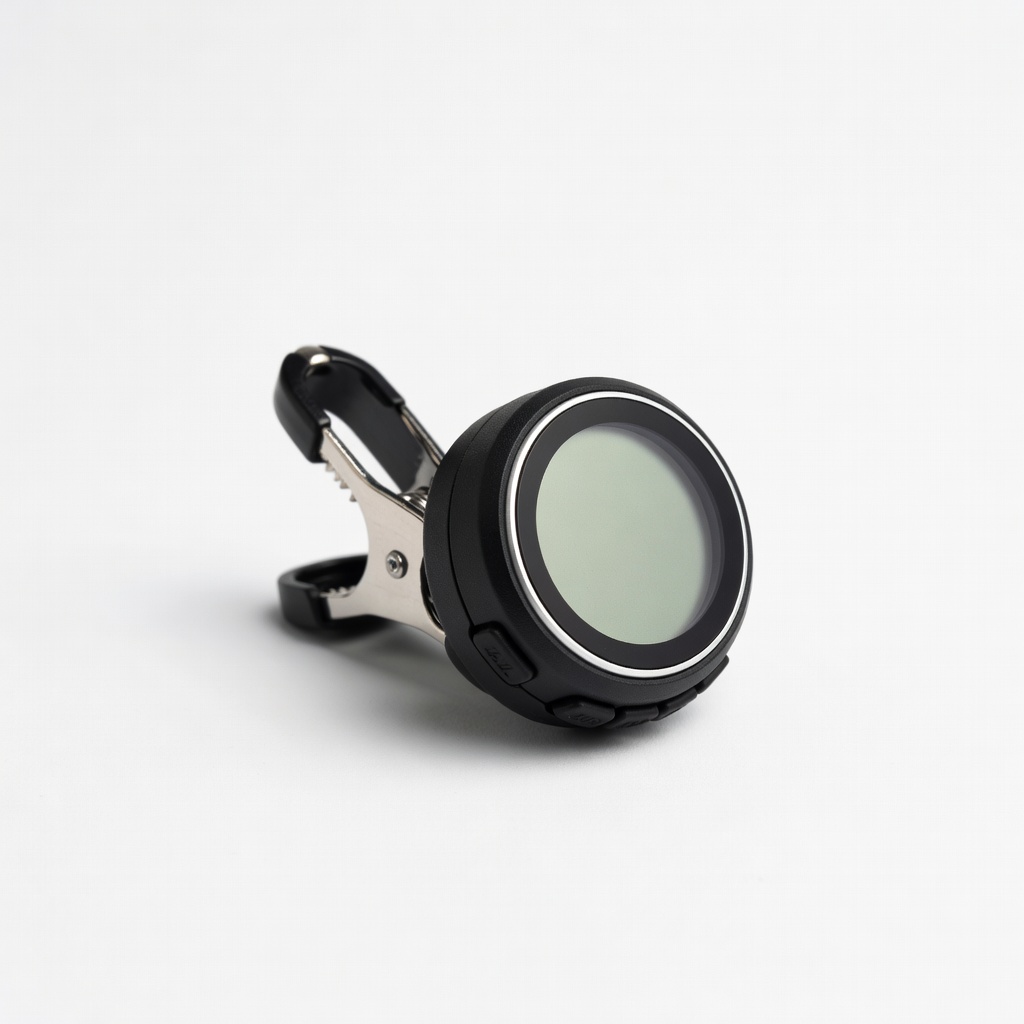
Quick individual reed checks without bellows.
SNARK ST-8HZ Clip-On Tuner Vibrates for silent tuning and handles accordion's complex harmonics well.