
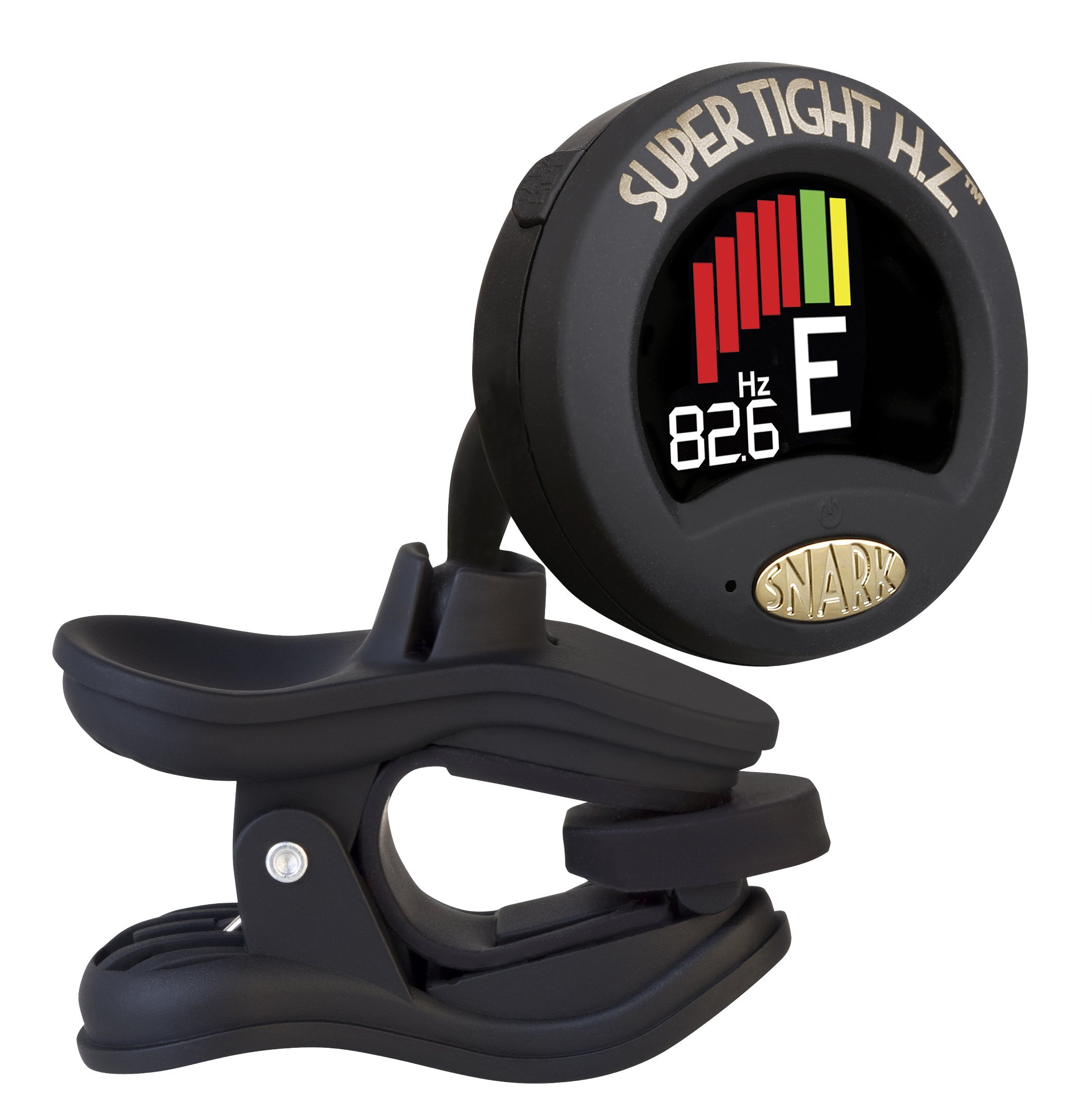
Snark ST-8HZ Clip-On Tuner
All tuning steps; clips securely on headstock.
$15-$20
Snark ST-8HZ Clip-On Tuner Super accurate (±0.5 cents) with swivel display and harmonic mode—essential for precise intonation checks. ASIN: B00J4WMG5M
Get the App
Better experience on mobile
Master perfect pitch across the fretboard with this step-by-step guide to adjusting your acoustic guitar's saddle for spot-on intonation.
Does your acoustic guitar sound in tune open but sharp or flat on higher frets? Poor intonation is a common frustration for intermediate players, causing chords to clash up the neck. Fixing it ensures every note rings true, from rhythm strumming to lead solos.
In this guide, you'll learn to diagnose and adjust intonation by repositioning the bridge saddle—a key skill for guitar maintenance. We'll cover checking pitches with a tuner, calculating adjustments, and safely modifying the saddle. Expect 45-60 minutes for the full process, suitable for intermediate players comfortable with basic setup like string changes.
No need for a luthier; with the right tools, you can achieve pro-level results at home. Let's get your guitar intonated perfectly.
Estimated Time: 45-60 minutes Difficulty: intermediate
Start with perfectly tuned open strings using your clip-on tuner. Clip the tuner to the headstock and pluck each string: low E (82 Hz), A (110 Hz), D (147 Hz), G (196 Hz), B (247 Hz), high E (330 Hz).
Why? Accurate open tuning is the baseline for intonation checks. Strum lightly and mute adjacent strings. Success: Tuner shows all strings at 0 cents deviation.
Tip: Warm up the guitar for 10 minutes to stabilize wood and strings.
💡 Tips:
⚠️ Warnings:
Lightly touch the string directly over the 12th fret (not pressing) and pluck for the natural harmonic. Note the pitch on the tuner.
This harmonic represents the octave of the open string—your reference point. Record the reading for each string. Success: Matches open string octave exactly (e.g., low E harmonic at 164 Hz).
💡 Tips:
Fully fret the 12th note with your fretting hand (light pressure near fret wire) and pluck. Compare to the harmonic and open octave on the tuner.
If fretted note is sharp (higher pitch), scale length too short—move saddle back. If flat (lower), too long—move forward. Test all strings; bass strings often need more compensation. Success: Fretted note within ±5 cents of harmonic.
💡 Tips:
⚠️ Warnings:
Use digital caliper to measure from nut crown to 12th fret (double for full scale, e.g., 25.5" total). Then measure from 12th fret to front and back of saddle.
Calculate ideal saddle offset: Bass side ~1/8" behind fret (more for low E), treble ~1/16". Note discrepancies. Success: Accurate measurements logged.
💡 Tips:
Loosen all strings but don't remove fully yet. Use string winder for speed. Gently rock saddle with screwdriver to loosen glue/dirt, then pull out with pliers or puller.
Inspect saddle for wear. Success: Saddle removed undamaged.
⚠️ Warnings:
Secure saddle bottom-up on flat surface. Sand front edge lightly (sharp intonation) or back edge (flat) with 220-grit to tilt/relocate. Check progress by reinstalling loosely and re-measuring.
Aim for 1/64" adjustments. Use finer 400-grit for finish. Success: New position matches calculations.
💡 Tips:
⚠️ Warnings:
Dust off slot and saddle; apply graphite to bottom. Tap saddle in firmly with plastic mallet or fist (protected). Ensure flush fit.
Success: Saddle secure, no rocking.
Install new strings, stretch, and retune. Repeat steps 2-3. Fine-tune sanding if needed.
Success: All strings within ±3 cents at 12th fret.
💡 Tips:
Problem: Saddle won't budge
Solution: Apply heat (hairdryer 30 sec), wiggle with puller. If glued, seek luthier.
Problem: Intonation still off after adjustment
Solution: Check nut slots, fret wear, or truss rod. Retest after 24hr settling.
Problem: Frets buzz post-adjust
Solution: Saddle too low—add shim or new saddle. Check action with feeler gauges.
Problem: Only one string off
Solution: File individual saddle groove or replace string.
Super accurate (±0.5 cents) with swivel display and harmonic mode—essential for precise intonation checks. ASIN: B00J4WMG5M
Best for: All tuning steps; clips securely on headstock.
Price Range: $15-$20
Measures saddle to 0.001" accuracy—critical for scale calculations. ASIN: B00J5H8O2S
Best for: Precise positioning before/after sanding.
Price Range: $15-$25
Pre-shaped, easy to sand, improves tone over plastic. ASIN: B0002F7H2O
Best for: Replacement if original saddle worn; drop-in fit for most acoustics.
Price Range: $10-$15
Speeds restringing without slippage. ASIN: B0002GXQ3M
Best for: Loosening strings safely during saddle work.
Price Range: $8-$12
Assorted grits for flawless saddle finishing. ASIN: B00N4Q3Z4A
Best for: Controlled sanding without gouges.
Price Range: $20-$30
All tuning steps; clips securely on headstock.
Snark ST-8HZ Clip-On Tuner Super accurate (±0.5 cents) with swivel display and harmonic mode—essential for precise intonation checks. ASIN: B00J4WMG5M
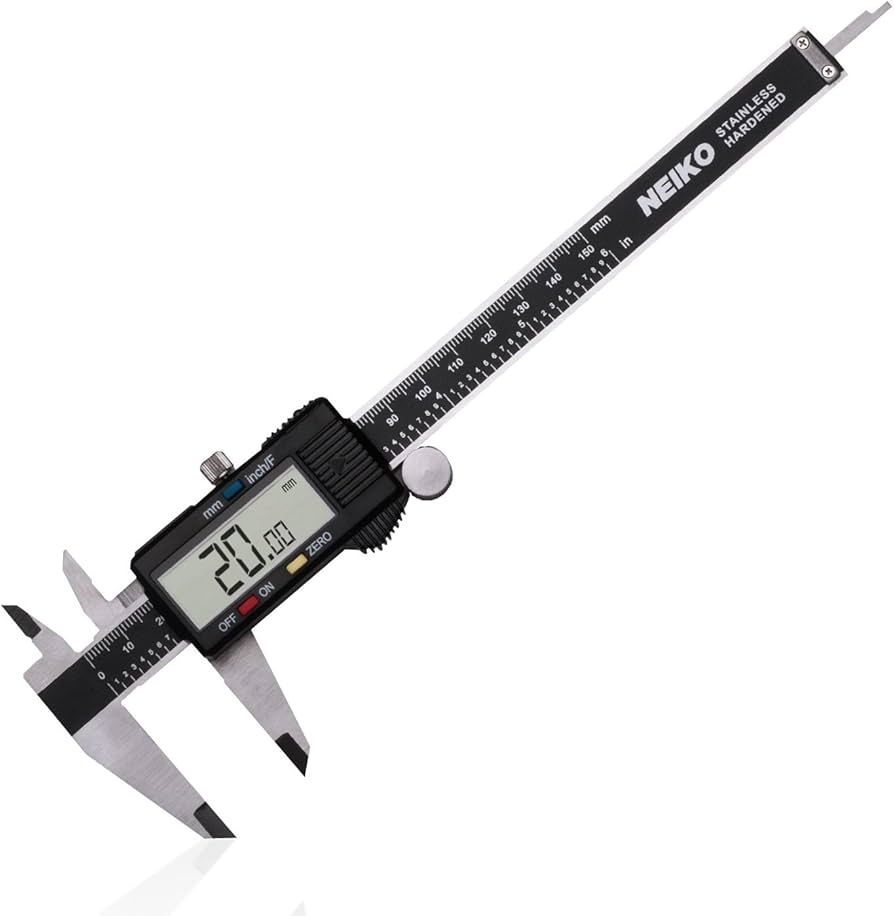
Precise positioning before/after sanding.
Neiko 01407A 6-Inch Digital Caliper Measures saddle to 0.001" accuracy—critical for scale calculations. ASIN: B00J5H8O2S
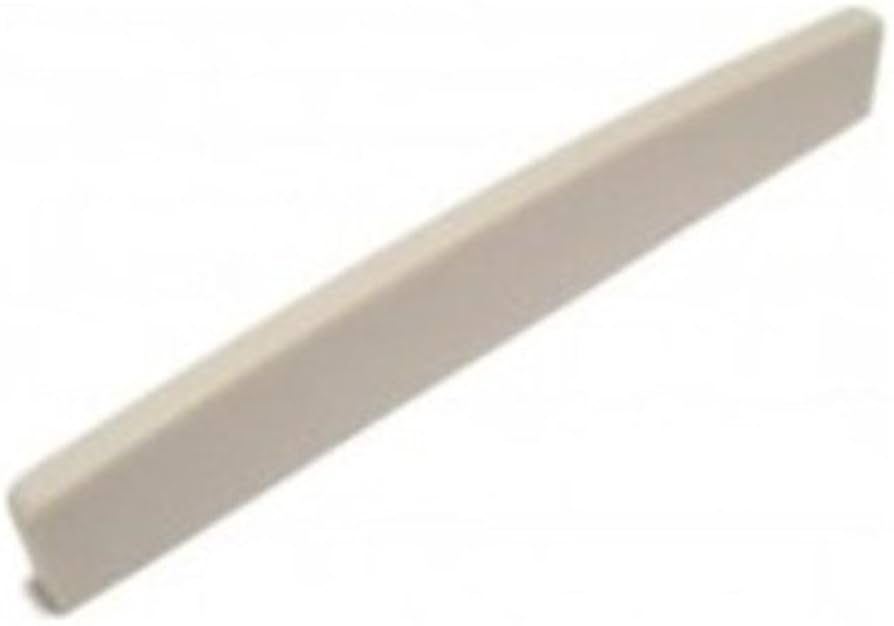
Replacement if original saddle worn; drop-in fit for most acoustics.
Graph Tech TUSQ Acoustic Saddle Blank Pre-shaped, easy to sand, improves tone over plastic. ASIN: B0002F7H2O
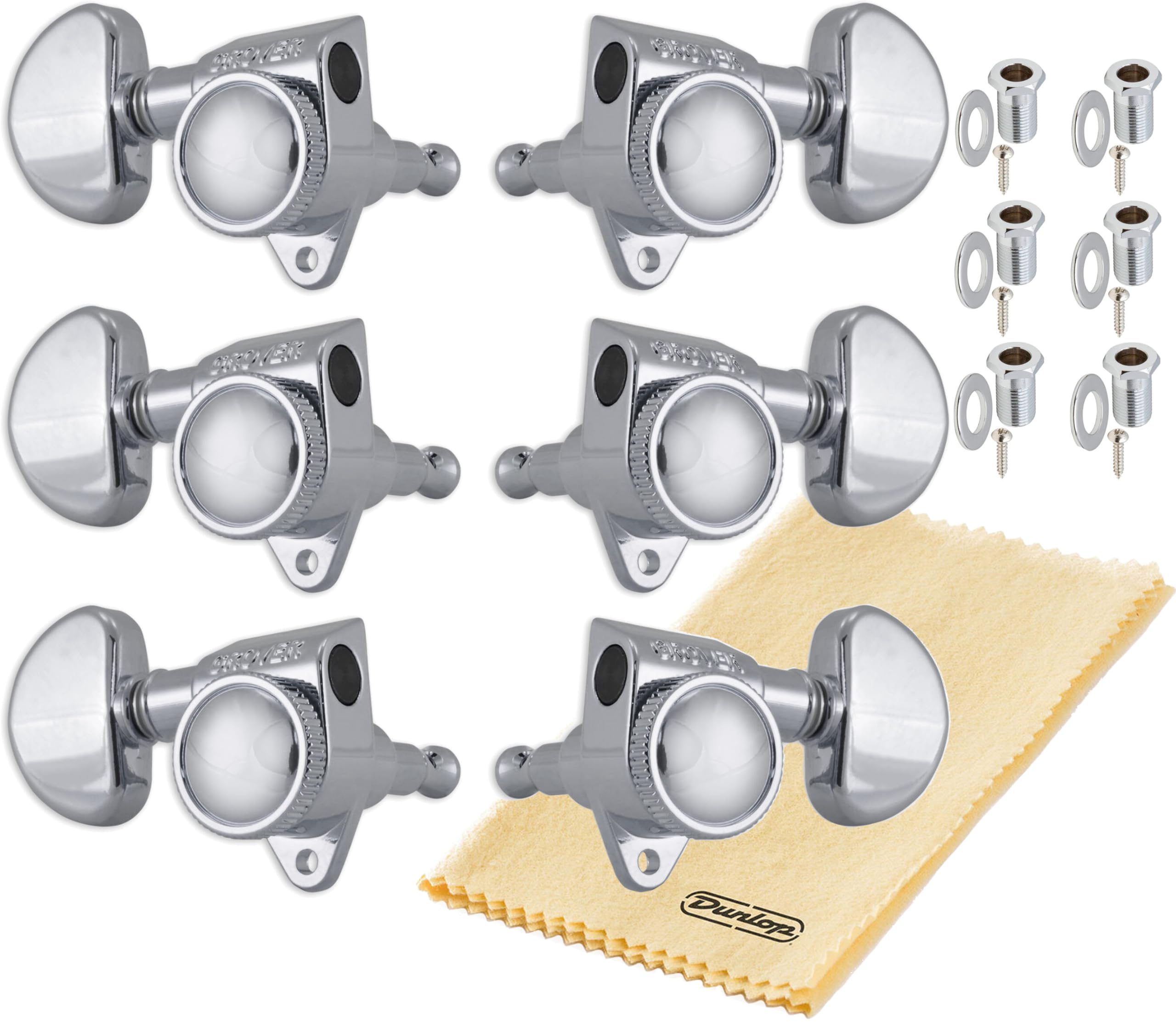
Loosening strings safely during saddle work.
Grover 502C Roto-Grip String Winder Speeds restringing without slippage. ASIN: B0002GXQ3M
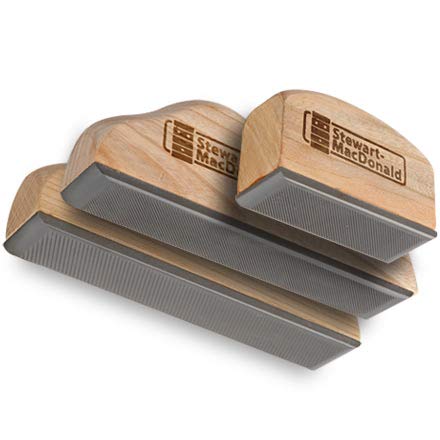
Controlled sanding without gouges.
Stewart-MacDonald Sandpaper Fret Leveling Set Assorted grits for flawless saddle finishing. ASIN: B00N4Q3Z4A