
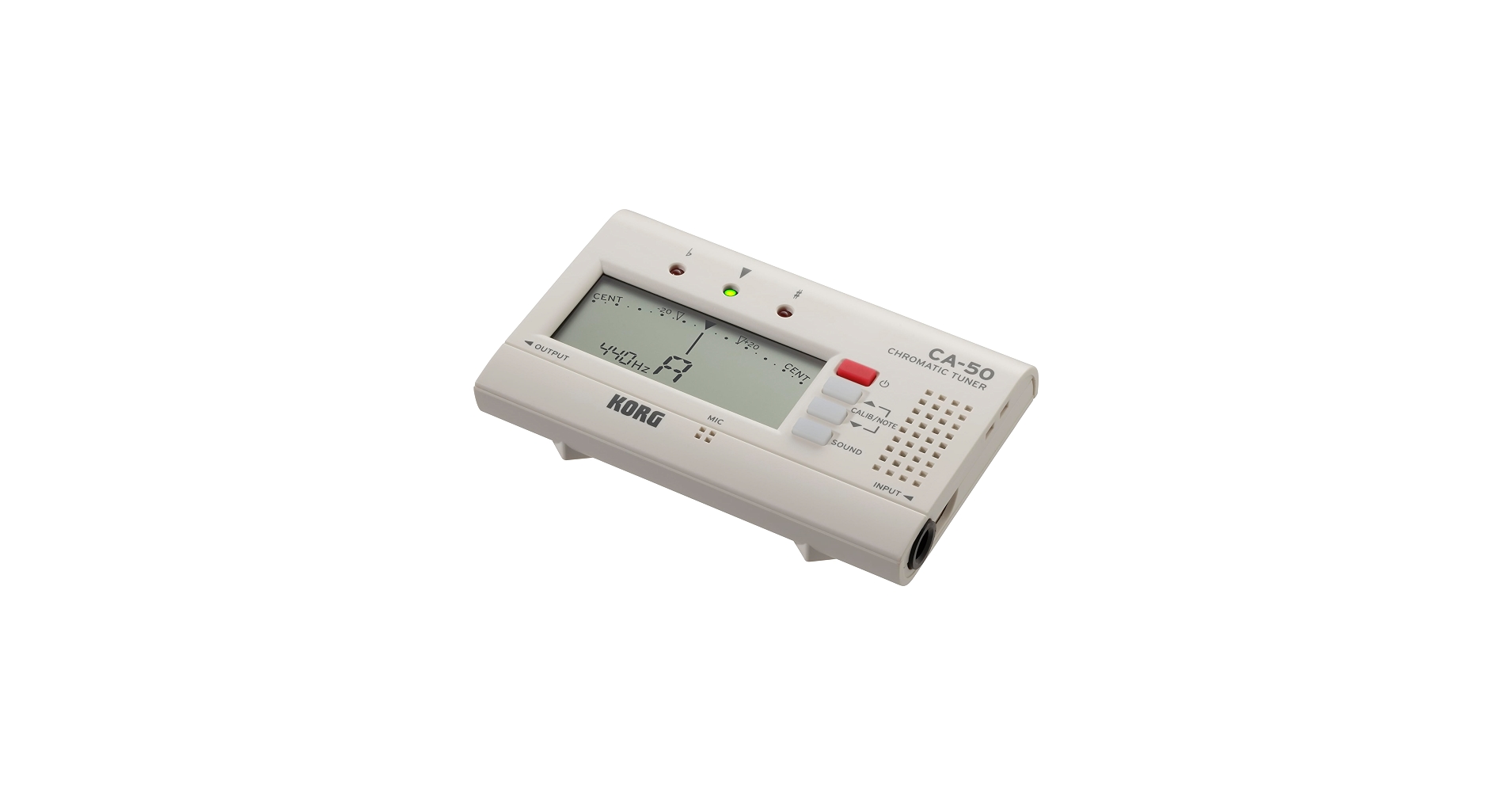
Korg CA-50 Compact Tuner
Core tool for all steps; clips on or uses mic for bellows tuning.
$20-$25
Korg CA-50 Compact Tuner Ultra-precise (±1 cent) chromatic tuner with needle display perfect for reed micro-adjustments.
Get the App
Better experience on mobile
Achieve authentic, clear tones for traditional folk music by mastering advanced dry tuning techniques on your piano or button accordion.
Tuning an accordion for traditional folk music—like Irish, Italian, or Cajun styles—demands precision to deliver the crisp, responsive sound that defines these genres. Poor tuning leads to muddy chords, intonation issues, and lost authenticity, frustrating advanced players who rely on every note's clarity during lively sessions. This guide equips you with pro-level steps for 'dry tuning,' where reed pairs are matched in unison for a pure, vibrato-free tone ideal for folk.
You'll learn to access reeds, make micro-adjustments, and test under real playing conditions, transforming a slightly off accordion into a folk powerhouse. Expect a full process overview: preparation, cleaning, systematic tuning, and verification. As an advanced tutorial, it assumes familiarity with reed anatomy and basic repairs.
Time investment: 4-6 hours for a complete tune-up, spread over sessions to avoid fatigue. Difficulty matches your skill level, but patience is key—small errors compound in reed work.
Estimated Time: 4-6 hours (spread over 1-2 days) Difficulty: advanced
Choose a quiet, well-lit space with stable temperature (68-72°F/20-22°C) and humidity (45-55%) to prevent reed pitch drift. Lay out a large, padded table covered with soft cloth to protect finishes. Secure your accordion upright or on its back, ensuring easy access to both sides.
Why it matters: Consistent conditions ensure accurate tuning; fluctuations can shift pitches by cents during work. Expect a clean, organized setup resembling a luthier's bench—what success looks like is all tools within arm's reach, no clutter.
Position the tuner visibly and connect any blower if using.
💡 Tips:
⚠️ Warnings:
Remove dust from grilles and keys with compressed air and a soft brush. Check bellows for leaks by pumping with a manometer or ear—listen for hisses. Clean reed tongues gently with isopropyl (90%) on a swab; avoid soaking.
This prevents false pitches from dirt or leaks, critical for folk's fast ornamentation. Success: Reeds gleam, bellows hold steady pressure (2-4 inches water column). Wipe exterior with microfiber—no polish needed yet.
💡 Tips:
⚠️ Warnings:
Power on your chromatic tuner, calibrate to A=442Hz (brighter folk standard) or A=440Hz. Use a reliable fork or app for verification. Set to cents display for ±5 cent accuracy.
Folk music favors slight sharpness for outdoor projection; why it matters for authenticity. Expect tuner stable, reference note spot-on—what success is zero drift over 5 minutes.
💡 Tips:
Remove keyboard grille screws (typically 6-8) carefully; label if needed. Gently lift reed blocks without forcing—some slide out. Place on foam holders to avoid bending tongues.
Access is key for precise work; folk requires treble clarity first. Success: Blocks out intact, reeds visible without damage.
⚠️ Warnings:
Attach tuning bellows to pallet hole, play each note at medium pressure. File high side of tongue to lower pitch, low side to raise (light strokes, 0.1mm max). Aim for 0 cents on all notes chromatically.
Dry tuning matches pairs unison—no tremolo—for folk purity. Progress systematically: low octave up. Expect gradual centering; success is locked strobe.
💡 Tips:
⚠️ Warnings:
For dual-reed notes, sound both tongues simultaneously via bellows. Adjust until indistinguishable unison (within 1 cent). Test by muting one.
Core to folk: eliminates beats for clean drones/chords. Success: No wavering, pure tone on chords like Am or G.
💡 Tips:
Access bass side (remove lower grille/panels). Tune single bass reeds first, then chord sets (root, third, fifth unison dry). Prioritize fundamentals for folk bass lines.
Bass drives rhythm; mismatches kill groove. Success: Full chromatic bassoon scale in tune.
⚠️ Warnings:
Reinstall blocks, secure grille. Play full scales, folk tunes (e.g., 'Whiskey in the Jar') at varying dynamics/pressures. Recheck drift (±3 cents max acceptable).
Simulates performance; catches pressure sensitivities. Success: Consistent across range, no wolf tones.
💡 Tips:
Problem: Reed won't hold pitch (drifts >5 cents)
Solution: Check for dirt/wax buildup; clean and resecure tongue. If bent, gently straighten with tweezers. Retune.
Problem: Bellows leak causes weak highs
Solution: Apply thin gasket paper to folds; test with soapy water. Full reseal if persistent—seek pro.
Problem: Wolf tones (beats) in chords
Solution: Rematch reed pairs; check block seating. Humidity mismatch common.
Problem: Tuner reads inaccurately
Solution: Recalibrate with fork; clip closer to reed for harmonics. Swap tuner.
Problem: Reed silent/stuck
Solution: Clean slot, check tongue gap (0.2-0.3mm). Replace if cracked—pro job.
Ultra-precise (±1 cent) chromatic tuner with needle display perfect for reed micro-adjustments.
Best for: Core tool for all steps; clips on or uses mic for bellows tuning.
Price Range: $20-$25
Swiss precision files ideal for safely shaping accordion reed tongues without gouging.
Best for: Filing pitches in steps 5-7; essential for advanced dry tuning.
Price Range: $20-$30
Ergonomic, anti-camout tips for tiny accordion grille screws without stripping.
Best for: Disassembly in steps 4 and 8; prevents damage to fine threads.
Price Range: $30-$40
Strobe display locks on complex accordion harmonics for pro-level accuracy.
Best for: Advanced verification in steps 6-8; unbeatable for folk unison matching.
Price Range: $200-$250
Specialized lubricant keeps valves/snakes smooth post-tuning, preserving action.
Best for: Final maintenance after reassembly; prevents sticky notes in humid gigs.
Price Range: $5-$10
Core tool for all steps; clips on or uses mic for bellows tuning.
Korg CA-50 Compact Tuner Ultra-precise (±1 cent) chromatic tuner with needle display perfect for reed micro-adjustments.
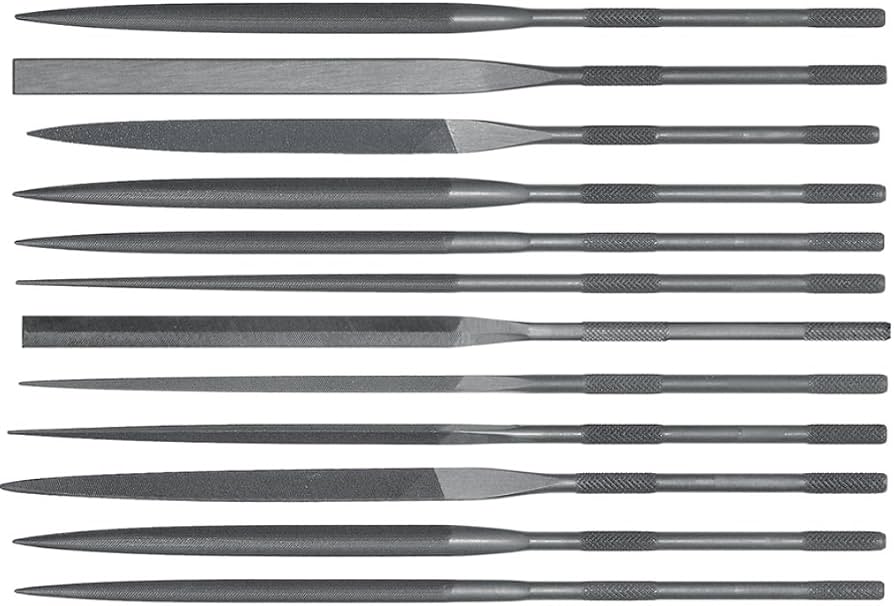
Filing pitches in steps 5-7; essential for advanced dry tuning.
Grobet USA 6-Piece Needle File Set Swiss precision files ideal for safely shaping accordion reed tongues without gouging.
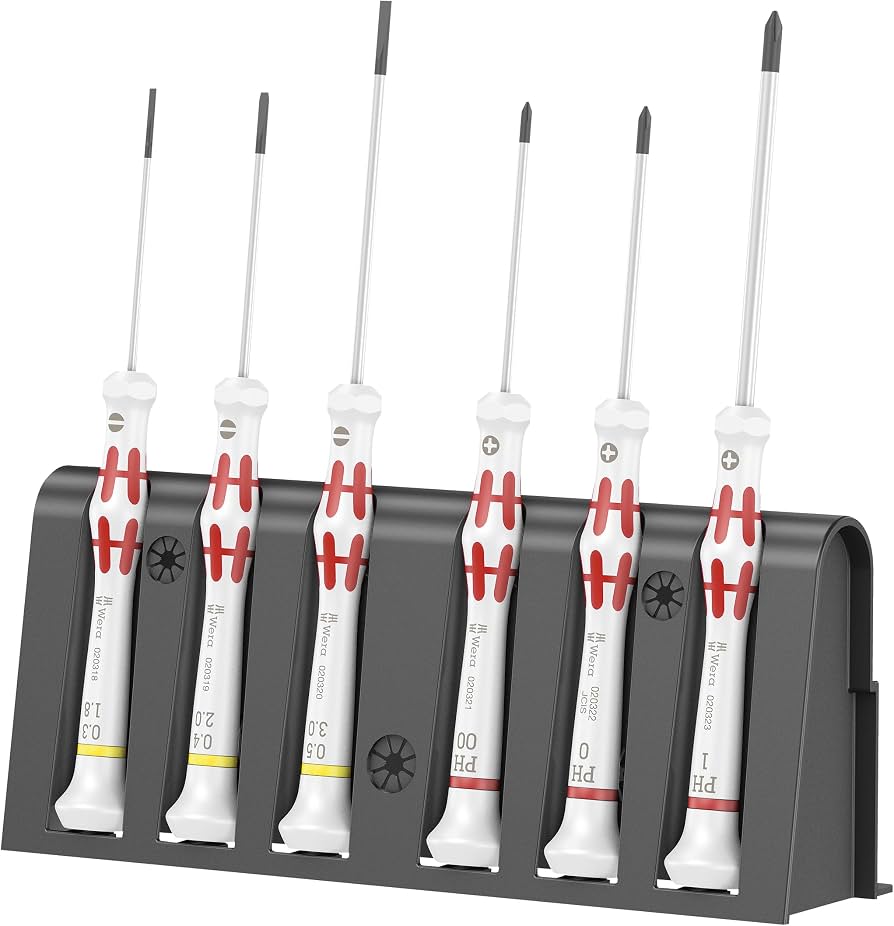
Disassembly in steps 4 and 8; prevents damage to fine threads.
Wera 05118066001 Kraftform Micro Screwdriver Set Ergonomic, anti-camout tips for tiny accordion grille screws without stripping.

Advanced verification in steps 6-8; unbeatable for folk unison matching.
Peterson StroboClip HD Tuner Strobe display locks on complex accordion harmonics for pro-level accuracy.

Final maintenance after reassembly; prevents sticky notes in humid gigs.
Hohner HC01 Accordion Oil Specialized lubricant keeps valves/snakes smooth post-tuning, preserving action.