
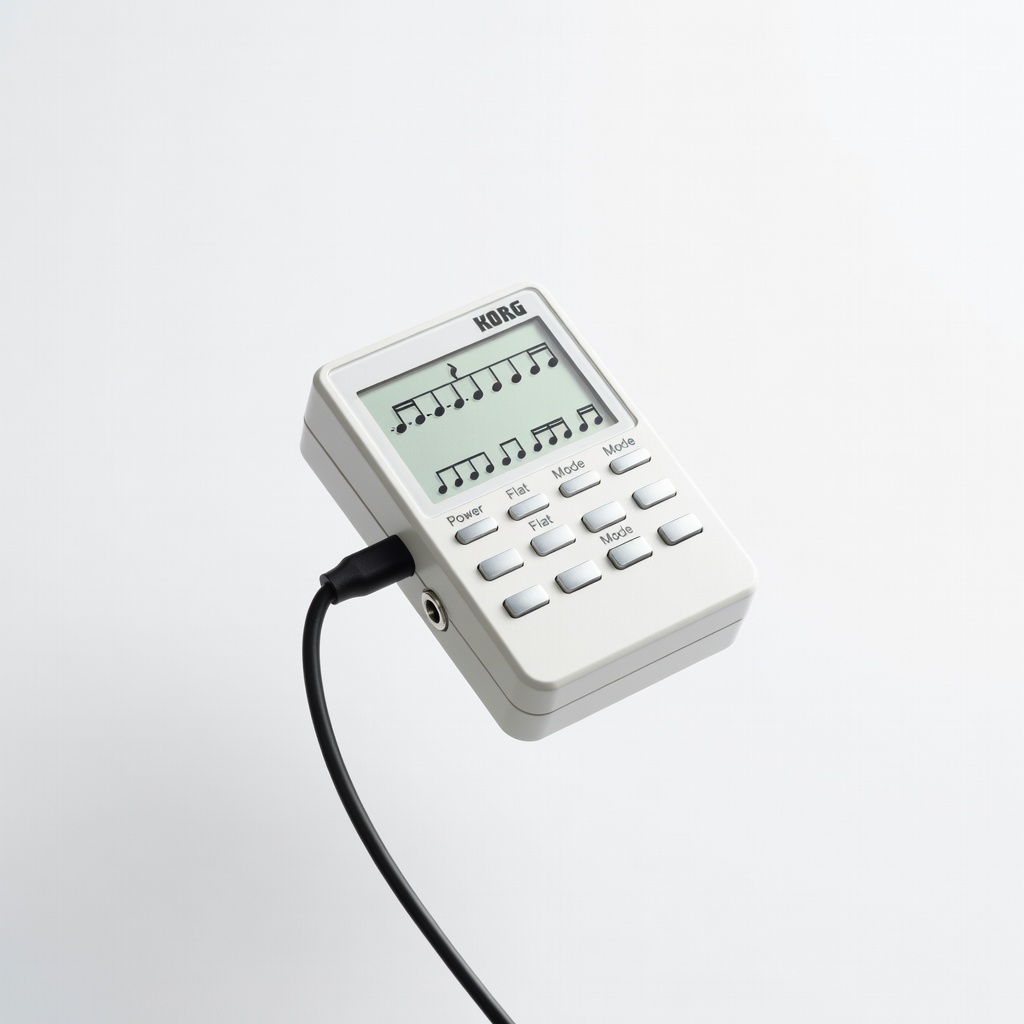
Korg CA-50 Chromatic Tuner
Essential for measuring cents deviation during all tuning steps.
$20-25
Korg CA-50 Chromatic Tuner Large display and accurate strobe mode track fast reed vibrations precisely.
Get the App
Better experience on mobile
Master advanced reed tuning techniques to achieve professional-grade pitch accuracy and tremolo for your accordion in this step-by-step guide.
If you're an advanced accordion player frustrated by reeds that drone off-pitch or lack the shimmering musette tremolo, tuning your instrument yourself can transform its sound. Poor tuning leads to muddy chords, intonation issues during fast passages, and diminished expressiveness—problems that pros fix regularly for concert-ready tone.
In this guide, you'll learn precise methods to tune piano or button accordions, focusing on reed pitch adjustment for dry, wet, or musette styles. We'll cover disassembly, measurement, filing, weighting, and reassembly. Expect a skill-building process requiring patience and steady hands.
Total process takes 4-8 hours for a full 120-bass accordion, spread over sessions to avoid fatigue. No prior pro tuning needed, but familiarity with reed blocks is assumed.
Estimated Time: 4-8 hours (full accordion; 30-60 min per reed block) Difficulty: advanced
Set up a clean, well-lit bench with good ventilation. Lay out tools in order: tuner, files, beeswax, gauges. Calibrate your chromatic strobe tuner to A=440Hz (or 442Hz for brighter tone) using a reliable reference tone.
Why it matters: Contaminants or poor calibration cause inaccurate adjustments, ruining hours of work. Expect a stable setup that lets you work efficiently without hunting tools.
Image description: Organized workbench with accordion reed blocks, tuner displaying pitch, files, and beeswax blocks.
💡 Tips:
⚠️ Warnings:
Remove the reed blocks from the bellows frames using appropriate screwdrivers. Label each block (e.g., 'RH C Gris 1') with tape for reassembly. Gently clean grilles and pallets with a soft brush.
This step prevents damage to waxed joints or bellows. Success: All blocks out intact, reeds undamaged, labels clear.
Pro tip: Document screw positions with photos.
💡 Tips:
⚠️ Warnings:
Mount a reed block in holders. Use isopropyl alcohol on a brush to remove wax buildup, dirt, or corrosion from tongues. Inspect for cracks, loose rivets, or uneven gaps using a loupe.
Clean reeds vibrate freely; dirty ones sound dull. Expect sparkling metal and free movement post-cleaning.
💡 Tips:
⚠️ Warnings:
Secure reed block to tuning bellows or vacuum table. Adjust air pressure to 2-3 inches water column (use manometer if available)—match your accordion's spec (typically 2.5" WC for piano accordions).
Consistent pressure mimics playing dynamics. Success: Steady airflow without leaks.
💡 Tips:
⚠️ Warnings:
Activate bellows to sound each reed while strobe tuner tracks. Note deviations in cents (e.g., +20 cents sharp) for every note across octaves. Record in a grid (note, block, side, error).
Baseline data guides adjustments. Expect variances of ±50 cents pre-tune.
💡 Tips:
⚠️ Warnings:
For sharp reeds (>+10 cents), insert feeler gauge under tongue tip to set 0.10-0.15mm gap. File underside lightly with fine needle file toward base (not tip) in short strokes. Retest after 5 passes.
Filing thins/mass-reduces for pitch drop. Success: Hits target within ±5 cents without over-thinning.
💡 Tips:
⚠️ Warnings:
For flat reeds (<-10 cents), heat beeswax and apply tiny dab (0.5mm) to tongue underside near tip. Or solder lead weight for permanence. Remeasure after cooling (30s).
Adds mass to lower pitch precisely. Expect smooth control in 2-5 cents increments.
💡 Tips:
⚠️ Warnings:
For musette (wet tuning), detune high reed +15 cents, low -15 cents relative to center. Check beating rate (4-6Hz ideal). Adjust dry temperament for equal cents across keyboard.
Creates signature shimmer. Success: Even tremolo without warble.
💡 Tips:
⚠️ Warnings:
Reinstall blocks, ensuring alignment. Play scales, chords, and pieces at varying dynamics. Spot-check 20% of reeds.
Full integration reveals issues. Expect vibrant, stable sound.
💡 Tips:
⚠️ Warnings:
Let sit 24 hours, then retune drifters (±3 cents normal). Play 30 min to settle.
Pitch stabilizes post-vibration.
💡 Tips:
⚠️ Warnings:
Problem: Reed won't sound or rattles
Solution: Check tongue gap (0.12mm ideal); clear debris or replace if cracked.
Problem: Pitch drifts after 1 hour play
Solution: Re-secure wax/weights; humidity issue—use dehumidifier.
Problem: Uneven tremolo across octaves
Solution: Standardize beat rates; retune highs/lows relative to mids.
Problem: Chords beat harshly
Solution: Verify temperament (dry vs. wet); check all reeds in chord.
Large display and accurate strobe mode track fast reed vibrations precisely.
Best for: Essential for measuring cents deviation during all tuning steps.
Price Range: $20-25
Ultra-fine files (0.5-1mm) remove material evenly without gouging reeds.
Best for: Core tool for sharpening flat reeds safely.
Price Range: $25-35
Virtual strobe excels at accordion tremolo analysis and sweetening.
Best for: Advanced users for pro-level musette tuning.
Price Range: $180-200
High-melt-point wax adheres perfectly without dripping during application.
Best for: Weighting flat reeds; superior to generic beeswax.
Price Range: $15-20
Provides stable, leak-free pressure simulation for accurate pitch.
Best for: Mounting and pressurizing reed blocks.
Price Range: $100-150
Essential for measuring cents deviation during all tuning steps.
Korg CA-50 Chromatic Tuner Large display and accurate strobe mode track fast reed vibrations precisely.
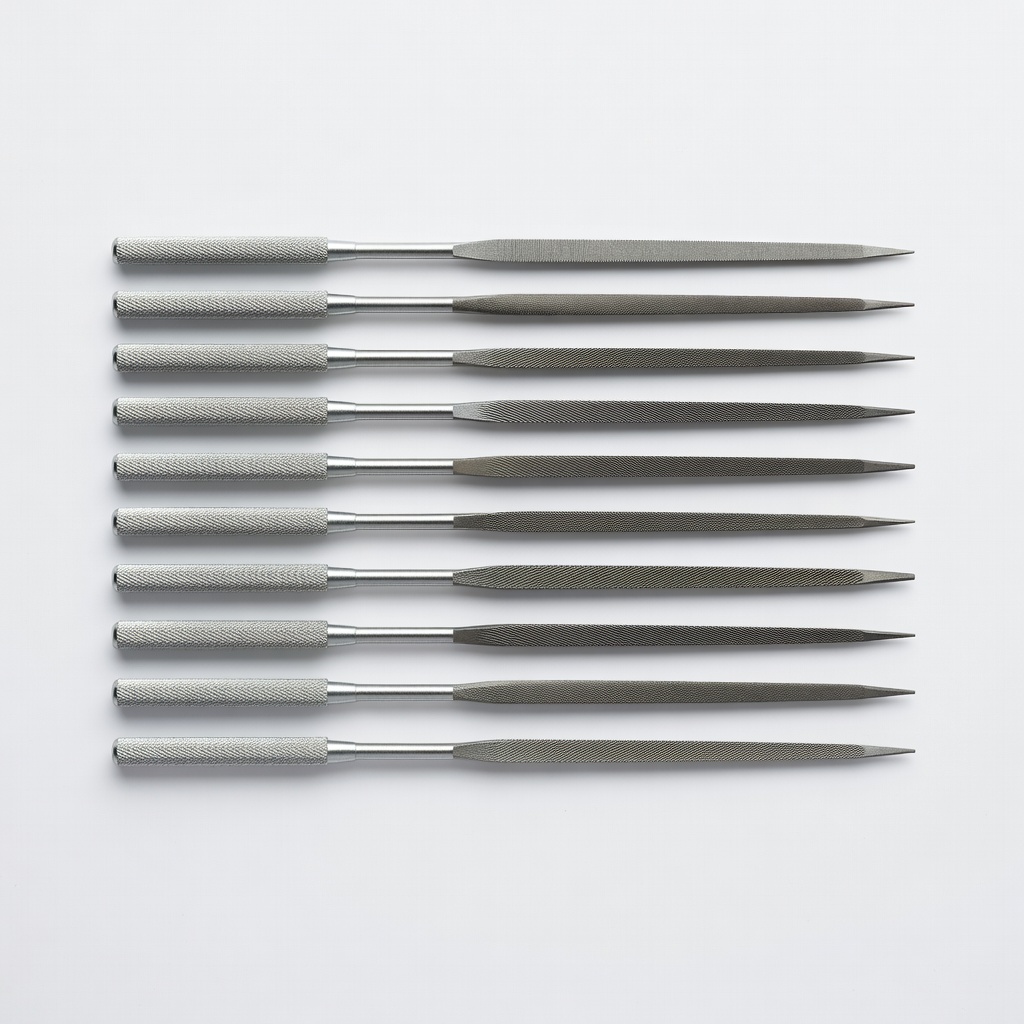
Core tool for sharpening flat reeds safely.
Grobet USA Needle File Set (12 pieces) Ultra-fine files (0.5-1mm) remove material evenly without gouging reeds.
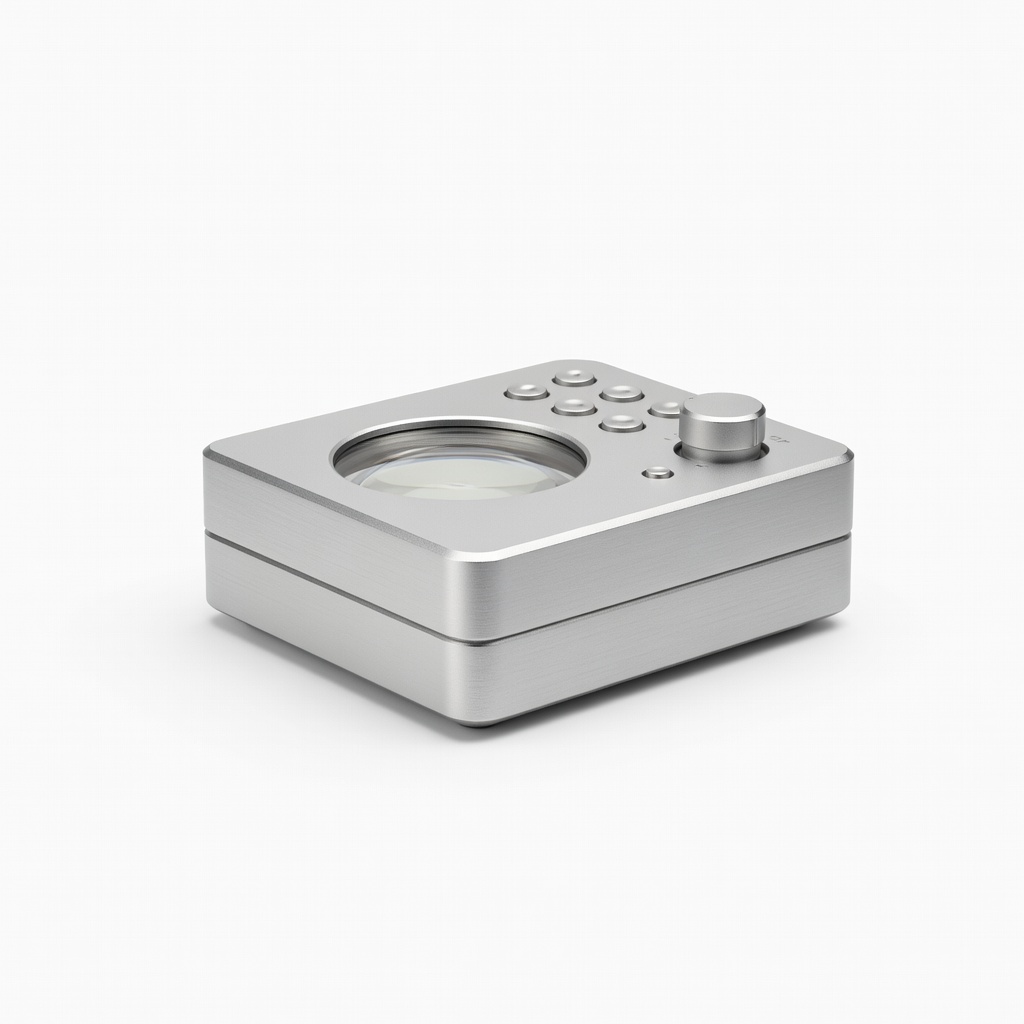
Advanced users for pro-level musette tuning.
Peterson VSAM-Solo Strobe Tuner Virtual strobe excels at accordion tremolo analysis and sweetening.
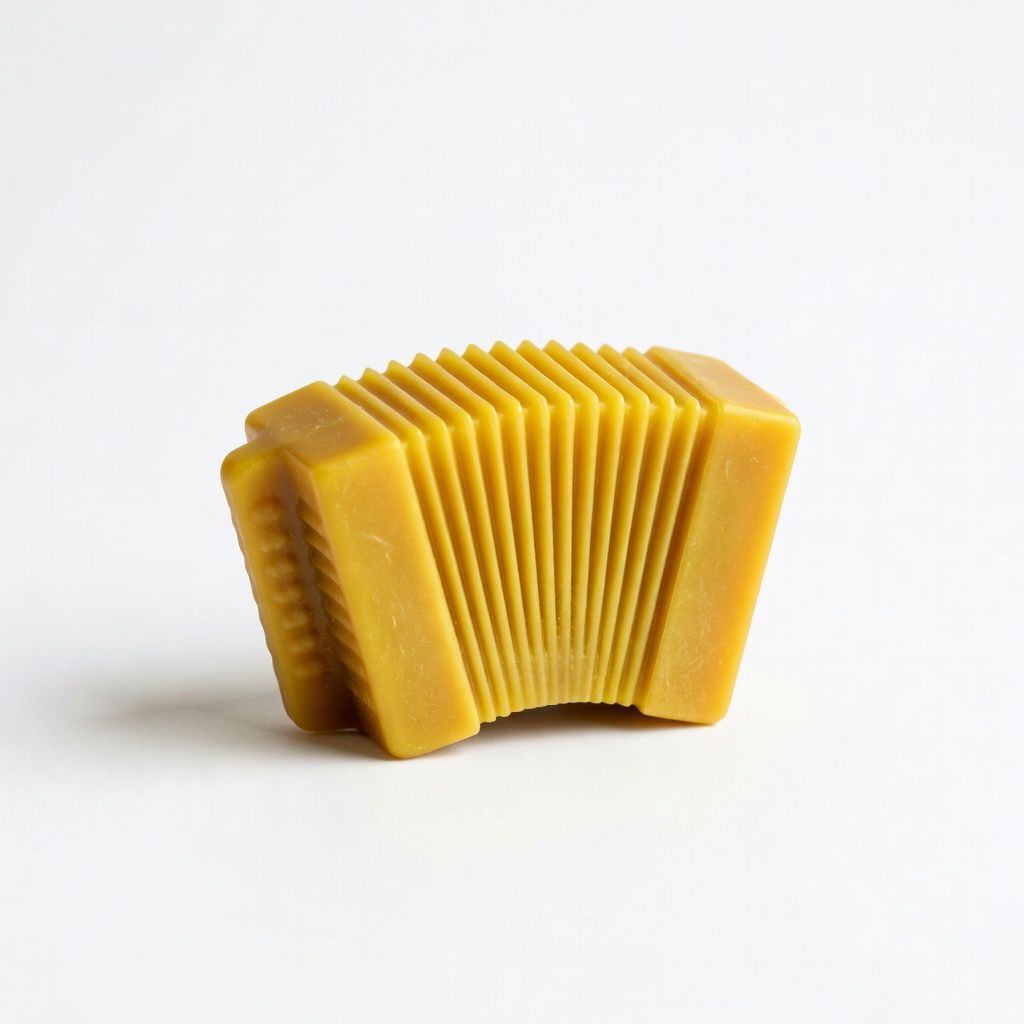
Weighting flat reeds; superior to generic beeswax.
Stuart Nolan Accordion Beeswax High-melt-point wax adheres perfectly without dripping during application.
Mounting and pressurizing reed blocks.
Accordion Tuning Bellows Table Provides stable, leak-free pressure simulation for accurate pitch.