
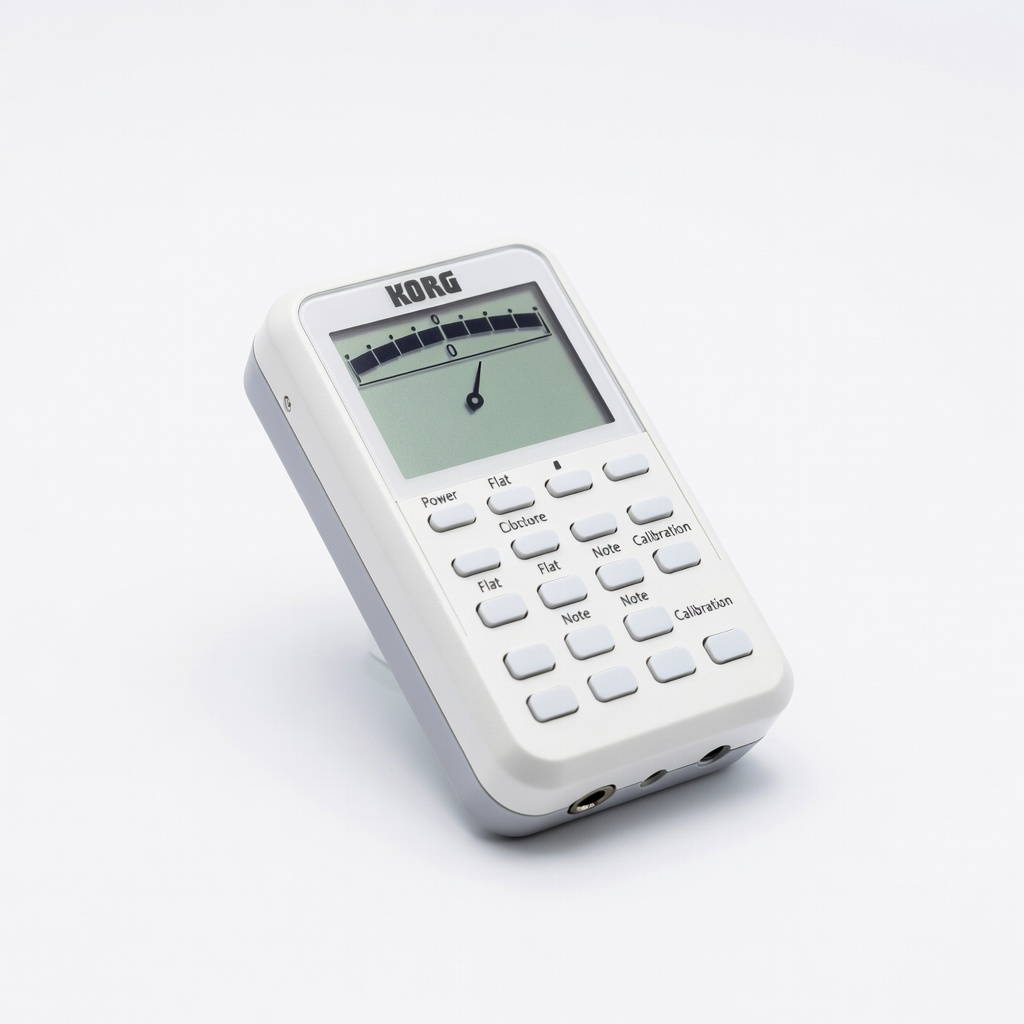
Korg CA-50 Chromatic Tuner
Main tuner for all steps; clips securely to grille.
$24.99
Korg CA-50 Chromatic Tuner High-resolution cents display and clear interface perfect for precise reed adjustments.
Get the App
Better experience on mobile
Learn advanced dry tuning techniques to achieve precise intonation and responsive playability for seamless jazz solos.
Jazz improvisation on accordion demands pinpoint intonation and a clean, dry tone that blends effortlessly with guitars, horns, and rhythm sections. Factory tunings often feature excessive tremolo suited for folk or musette styles, leaving jazz players frustrated with muddy harmonies and sluggish response during fast runs.
In this guide, you'll master tuning your accordion to a straight 'American dry' configuration—ideal for jazz improv icons like Gary Larson or Richard Galliano's drier setups. We'll cover disassembly, reed adjustment, and testing, transforming your instrument into a jazz machine. Expect hands-on work requiring mechanical finesse; this advanced process takes patience but yields pro-level results.
Total process: 4-6 hours for a full piano accordion, spread over sessions to avoid fatigue.
Estimated Time: 4-6 hours (full tuning, excluding drying time) Difficulty: advanced
Choose a well-lit, vibration-free area with stable temperature (68-72°F) and humidity (45-55%) to prevent reed corrosion. Lay out tools on a tuning table or padded bench. Secure your accordion treble-side up, strapped down if needed.
Why it matters: Consistent conditions ensure accurate pitch readings; fluctuations cause false tunings. Expect a calm setup taking 10-15 minutes.
Power on your tuner, calibrate to A=440Hz (standard concert pitch for jazz), and set to chromatic mode with cents display.
💡 Tips:
⚠️ Warnings:
Play scales across registers using tuning bellows for isolated airflow. Note each reed's pitch deviation in cents (e.g., +10 cents sharp) on a tuning chart (download accordion-specific MIDI note layouts).
Why: Identifies problem areas like octave drift common in worn jazz boxes. Success: A baseline chart showing average tremolo (target: reduce to 0-5 cents for dry jazz sound). Takes 20-30 minutes.
💡 Tips:
Remove treble grille screws, lift grille, and unfasten reed block screws (typically 4-6 per block). Gently extract blocks, labeling them (e.g., 'CGris 1'). For bass, access via back panel.
Why: Allows individual reed access. Expect 30-45 minutes; handle wax seals carefully to avoid resealing needs. Success: Blocks laid out in order without bent tongues.
⚠️ Warnings:
Clamp block securely. Use brush to remove dust from reed tongues. Inspect for wear (cracks, flat spots).
Why: Dirt skews pitch; clean reeds vibrate freely for jazz clarity. Success: Shiny, dust-free reeds ready for airflow test. 20 minutes per block.
💡 Tips:
Connect bellows to bass chamber. Sound each reed, adjust tongue height with feeler gauge (0.3-0.4mm gap standard), then pitch by filing tip (shorten to flatten, sand base to sharpen).
Why: Bass anchors harmony in jazz comping. Target: 0 ±2 cents. Success: Solid low-end response. 45-60 minutes.
⚠️ Warnings:
Start low register: Bellow single reed, tune to 0 cents. Progress chromatically, checking octaves (unisons exact, octaves pure). For jazz dry: Eliminate 10-15 cent tremolo splits.
Why: Ensures even scales for improv fluidity. Success: Chromatic scale plays true across 3-4 octaves. 2-3 hours.
💡 Tips:
Reinstall blocks partially, play jazz voicings (e.g., 7th chords). Adjust outliers.
Why: Reeds interact; solo tuning misses beats. Success: Clean major/minor triads. 30 minutes.
Secure all components, restring straps. Improv over jazz backing track for 15 minutes.
Why: Confirms playability. Success: Effortless bends, no wolves. Let settle 24 hours before final tweaks.
💡 Tips:
Problem: Reed won't hold pitch
Solution: Check tongue gap (0.35mm ideal); clean pivot glue. If bent, replace reed.
Problem: Buzzing after tuning
Solution: Inspect for touching tongues; shim block or file clearance.
Problem: Treble sharp in pull direction
Solution: Bisonoric variance—tune each direction separately.
Problem: Overall drift after 24h
Solution: Normal settling; retune 5% deviations. Seek pro if persistent (worn block).
High-resolution cents display and clear interface perfect for precise reed adjustments.
Best for: Main tuner for all steps; clips securely to grille.
Price Range: $24.99
Provides isolated, consistent airflow essential for accurate single-reed sounding.
Best for: Core tool for steps 2-7; mimics bellows pressure.
Price Range: $89.99-$120
Advanced strobe accuracy (±0.1 cents) catches micro-tremolo for pro jazz dry tuning.
Best for: Fine-tuning treble ranks; pairs with app.
Price Range: $199-$250
Accurate 0.0015-0.035" blades ensure consistent reed gaps.
Best for: Gap setting in steps 4-6.
Price Range: $29.99
Ergonomic hook for safe tongue adjustments without slippage.
Best for: Pitch correction throughout.
Price Range: $15-$25
Main tuner for all steps; clips securely to grille.
Korg CA-50 Chromatic Tuner High-resolution cents display and clear interface perfect for precise reed adjustments.
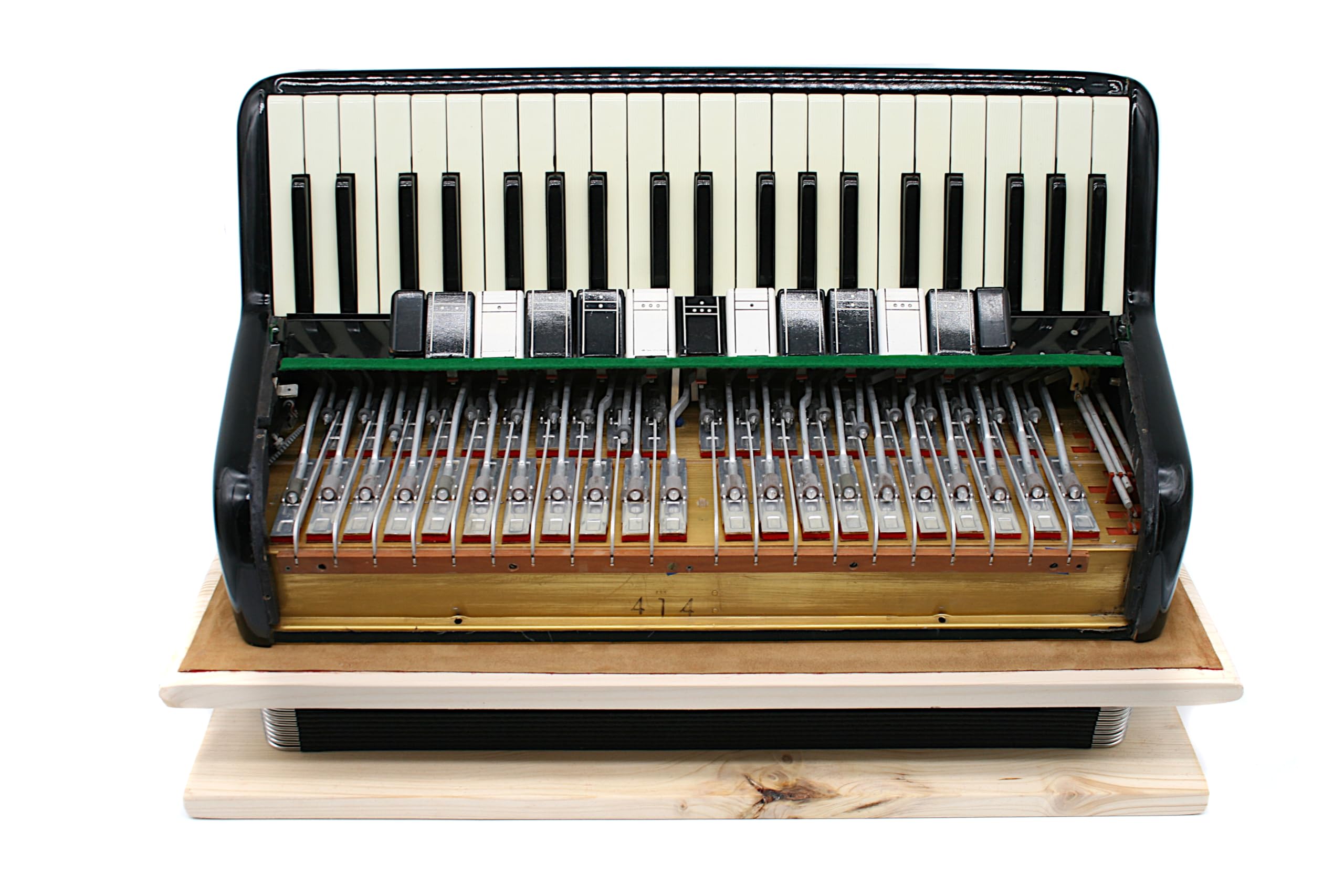
Core tool for steps 2-7; mimics bellows pressure.
Professional Accordion Tuning Bellows Provides isolated, consistent airflow essential for accurate single-reed sounding.
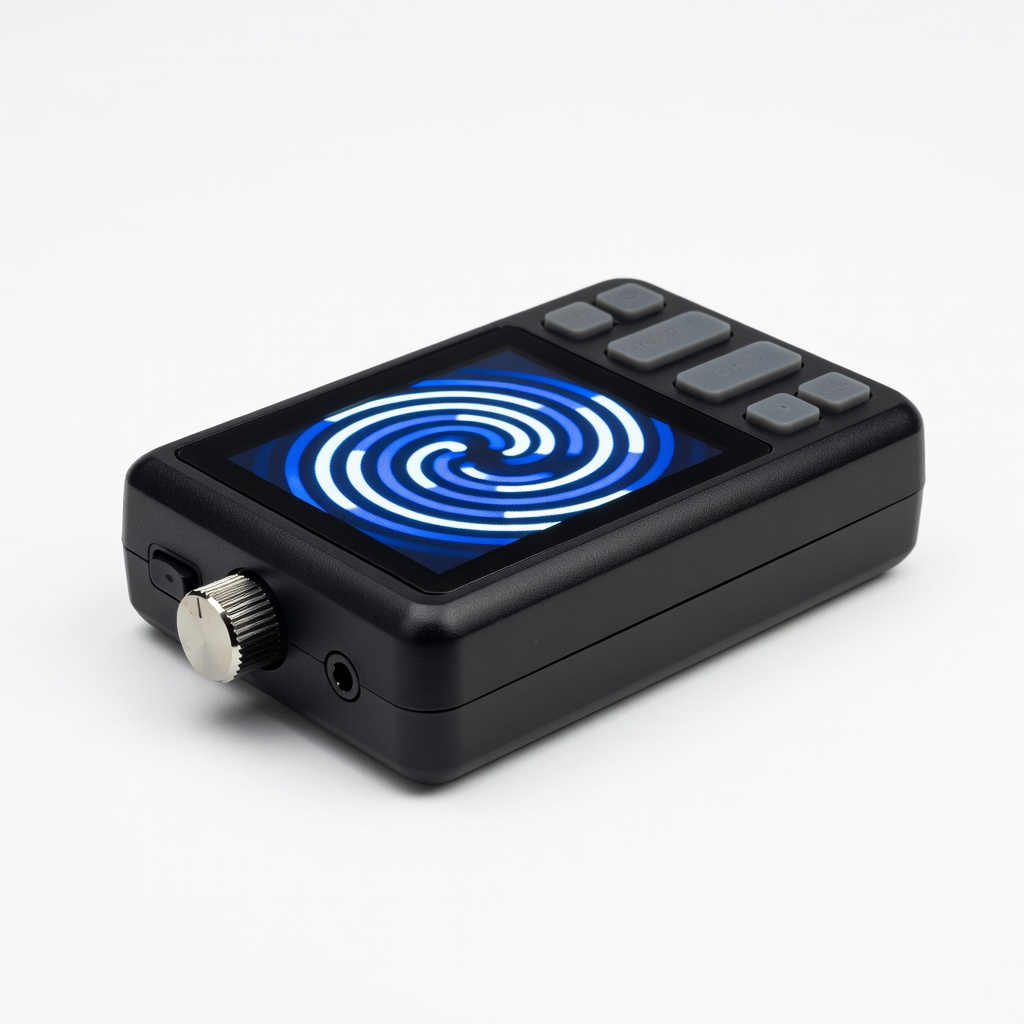
Fine-tuning treble ranks; pairs with app.
Peterson BodyBeat Auto-Strobe Tuner Advanced strobe accuracy (±0.1 cents) catches micro-tremolo for pro jazz dry tuning.
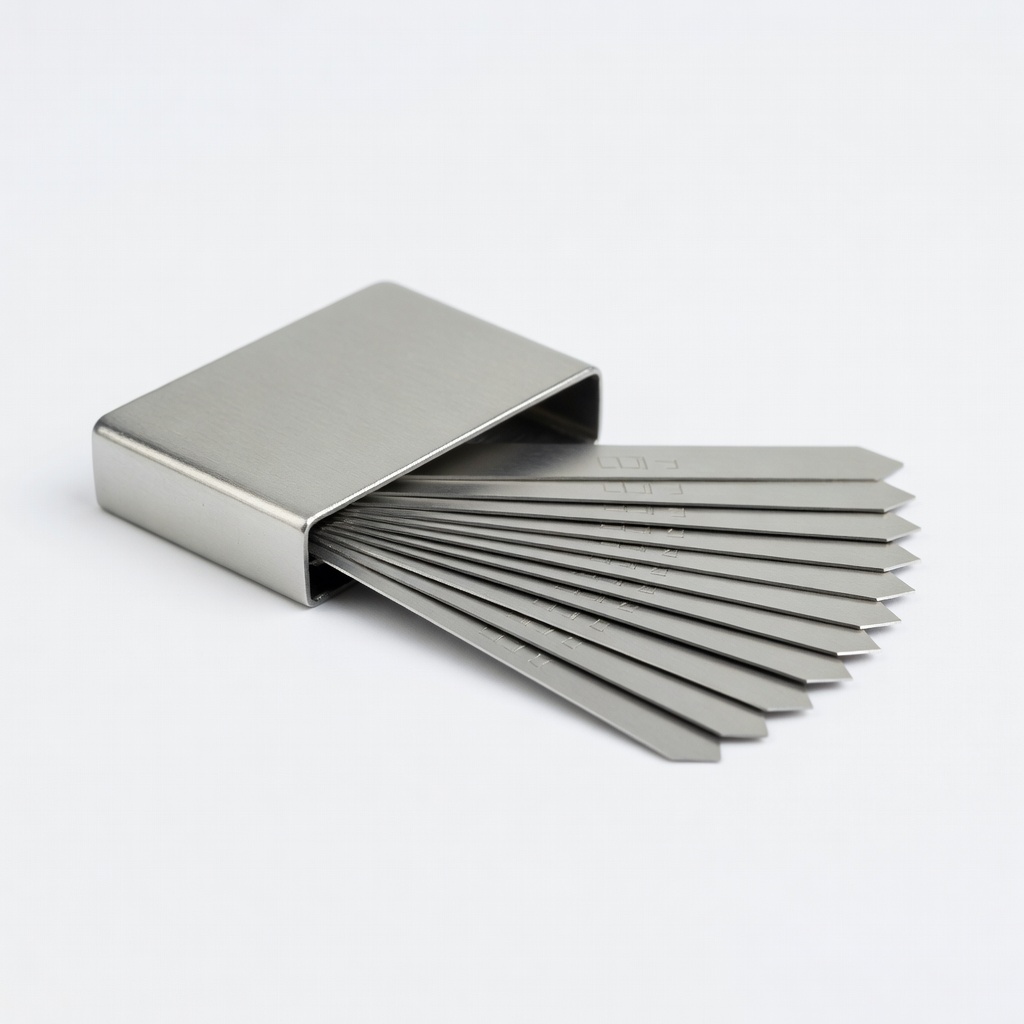
Gap setting in steps 4-6.
Starrett Precision Feeler Gauge Set Accurate 0.0015-0.035" blades ensure consistent reed gaps.
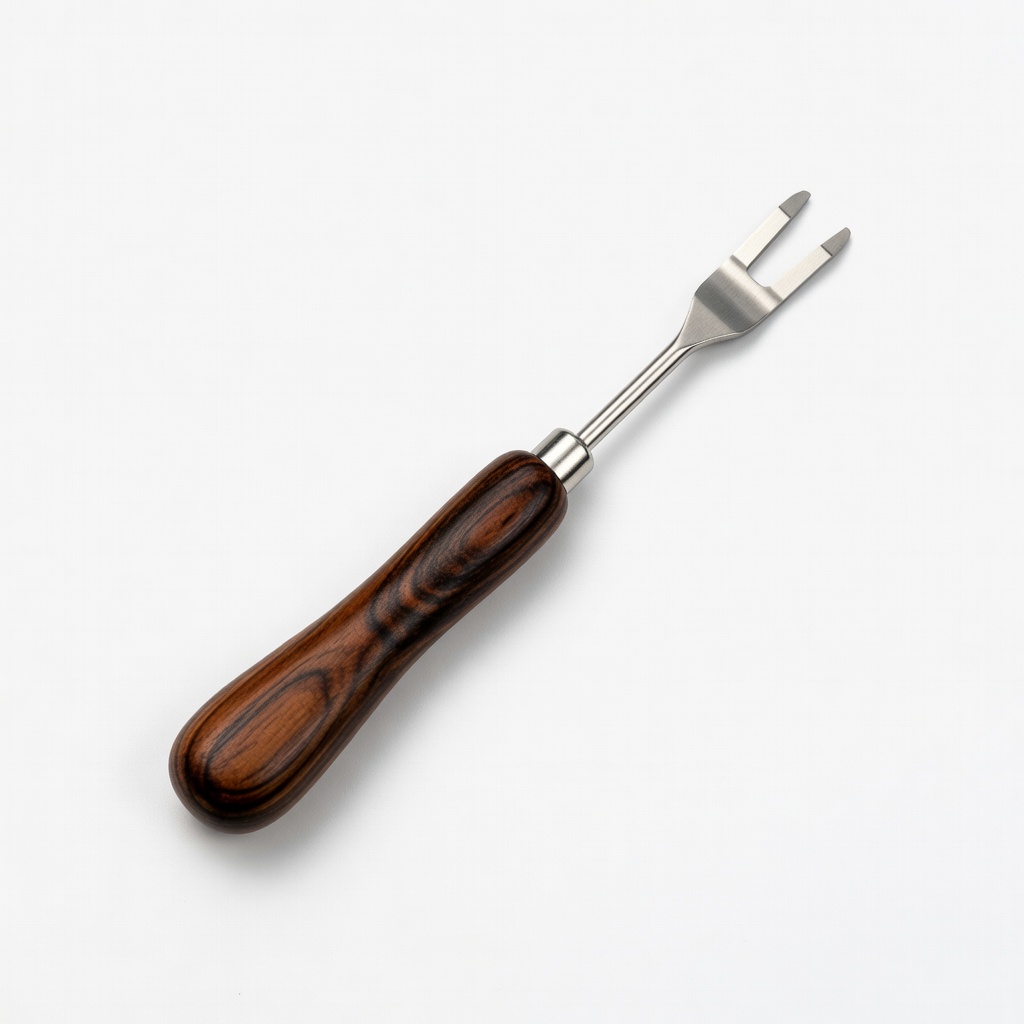
Pitch correction throughout.
Accordion Reed Tuning Lever Ergonomic hook for safe tongue adjustments without slippage.