
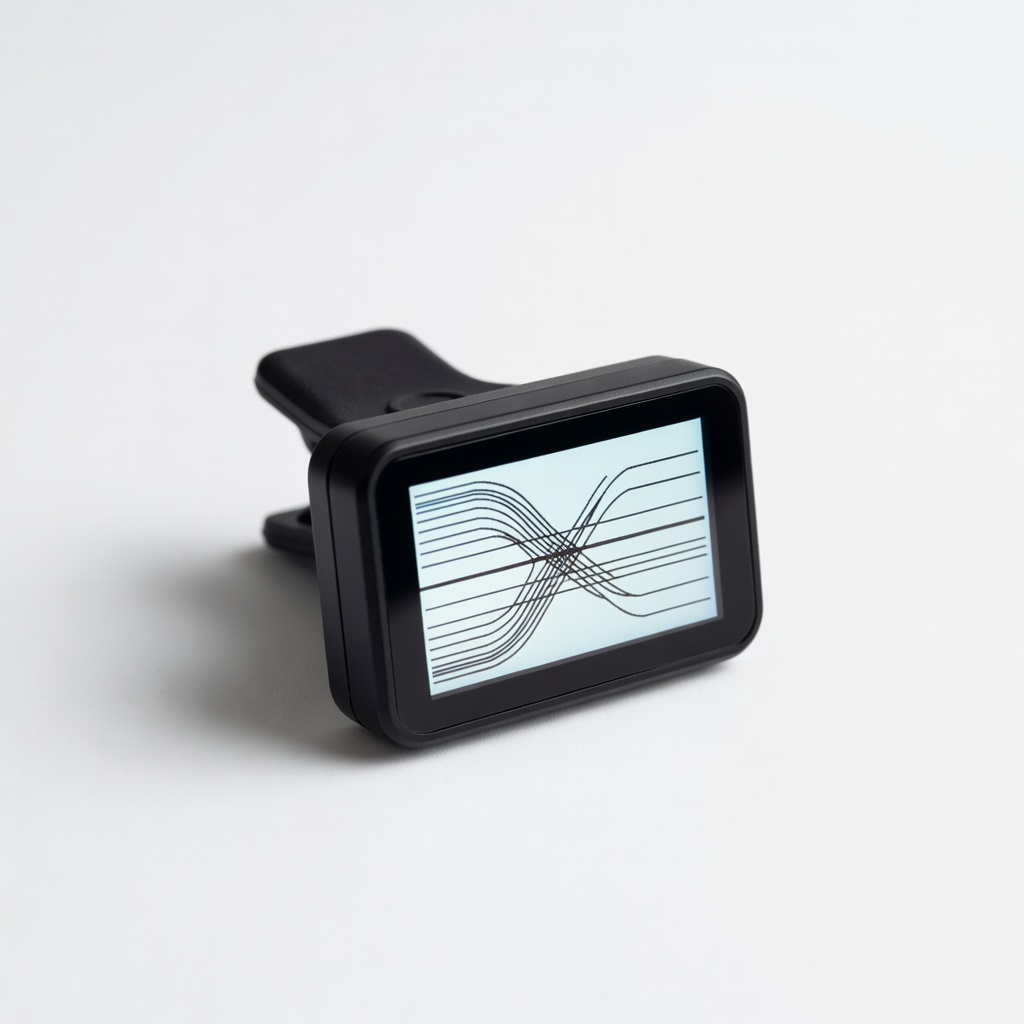
Peterson StroboClip HD Tuner
Clip-on for precise cents tracking during reed work.
$199-$220
Peterson StroboClip HD Tuner Strobe display excels at visualizing tremolo beats essential for musette folk tuning.
Get the App
Better experience on mobile
Learn advanced techniques to achieve authentic musette tremolo and vibrant folk tones that make your performances stand out.
Tuning an accordion for folk music isn't just maintenance—it's the secret to that shimmering, lively sound in Irish sessions, Cajun dances, or polka bands. Off-pitch reeds lead to muddy chords and lost vibrato, frustrating advanced players who demand precision. This guide equips you with pro-level steps for musette or dry tuning styles.
You'll master disassembling, temperament setup, reed filing, and testing for perfect beats. Expect a full tuning to take 6-10 hours spread over days, matching advanced skills like reed work and ear training. By the end, your accordion will sing with the rich, pulsating tone folk audiences love.
We'll cover bisonoric and piano accordions, focusing on treble musette (high reed +12 cents, low -8 cents for ~1Hz tremolo) and bass equalization.
Estimated Time: 6-10 hours for full tuning (spread over 2-3 sessions) Difficulty: advanced
Set up a well-lit, dust-free bench with good ventilation. Lay out all tools and reference your folk style: musette for vibrato (common in Celtic/French folk) or dry equal temperament for clarity (German/Scandinavian). Musette typically sharpens high octave reeds +10-15 cents, flattens low -5-10 cents for 0.8-1.2Hz beats.
Review your accordion's layout—note rows (G/C for diatonic folk) and reed counts (single, double, triple). Success: Clean workspace, temperament chart printed (e.g., high C# +12, low C# -8).
Image description: Clean workbench with accordion, tools laid out, tuning chart visible.
💡 Tips:
⚠️ Warnings:
Secure the accordion right-side up on bellows or table, locking pallet registers open for reed access. Connect bellows pump for steady airflow at half-pressure (mimics playing). For piano accordions, remove top grille screws carefully.
Test airflow: Reeds should speak cleanly without choking. Success: All reeds vibrate freely on demand.
Why it matters: Consistent pressure prevents false pitches from dynamic changes.
💡 Tips:
Power on strobe tuner, set to A=440Hz (or A=442 for brighter folk tone), chromatic mode with cents display. Blow air through A reed (right row usually); adjust to 0 cents via light filing on reed tip (remove metal to flatten) or tang (flatten to sharpen—no, file tang to sharpen, tip to flatten).
Success: Stable A at 0 cents, strobe bands lock steady. Recheck after 1 min—pitch drifts if unstable.
⚠️ Warnings:
Access bass pallet, tune low octave first (C to C), then highs. Use equal temperament base, slight dry tuning (-5 cents overall for warmth). File carefully; bass reeds are thick.
Play chords to check purity. Success: Bass octave pure, no wolf intervals in folk keys (G, D, A). Takes 1-2 hours.
💡 Tips:
Start with innermost row (C for piano). Single reeds: equal temp 0 cents. Double/triple: set low reed to 0, high to +12 cents, check beat frequency (slow swirl on strobe = good tremolo).
Progress outer rows. Why: Folk relies on button rows for melody. Success: Each note locks, chords ring clean. 3-5 hours.
⚠️ Warnings:
For folk vibrato, verify beats: Play octave—1Hz undulation ideal (adjust high flatter if too fast). Harmonics: 3rd/5th slight sharp for color.
Ear-check: Should 'shimmer' not buzz. Success: Authentic pulse in folk runs.
💡 Tips:
Melt beeswax sparingly on loose reed feet if pitch drifts. Brush tongues clean, polish tongues lightly.
Success: Reeds hold pitch >5 mins idle.
⚠️ Warnings:
Replace grilles, play full scales/chords in performance keys. Retune drifts (>5 cents).
Success: Vibrant folk tone, no squeals, holds in session play.
💡 Tips:
Problem: Reed won't speak or chokes
Solution: Clean tongue, check reed gap (0.3mm), adjust with shim. If bent, gently realign.
Problem: Pitch drifts after tuning
Solution: Apply beeswax to foot, bake at 50C/30min to set. Retune.
Problem: Uneven tremolo across octaves
Solution: Recheck airflow pressure consistency; symmetrize cents offsets.
Problem: Buzzing or rattling
Solution: Inspect for reed-table contact; sand high spots or shim table.
Problem: Tuner reads inaccurately
Solution: Calibrate to known pitch pipe; clip securely away from vibrations.
Strobe display excels at visualizing tremolo beats essential for musette folk tuning.
Best for: Clip-on for precise cents tracking during reed work.
Price Range: $199-$220
Precision #2 cut files perfect for fine reed adjustments without over-removal.
Best for: Sharpen/flatten reed tips and tangs safely.
Price Range: $25-$35
High-purity wax stabilizes reed pitches without gumming mechanisms.
Best for: Melt and apply to reed feet post-tuning.
Price Range: $12-$18
Includes exact metric drivers for accordion grilles/pallets, preventing stripping.
Best for: Disassembly without damage.
Price Range: $60-$75
Stable airflow platform fits most folk models for consistent pressure.
Best for: Mounting during full tuning sessions.
Price Range: $150-$200
Clip-on for precise cents tracking during reed work.
Peterson StroboClip HD Tuner Strobe display excels at visualizing tremolo beats essential for musette folk tuning.
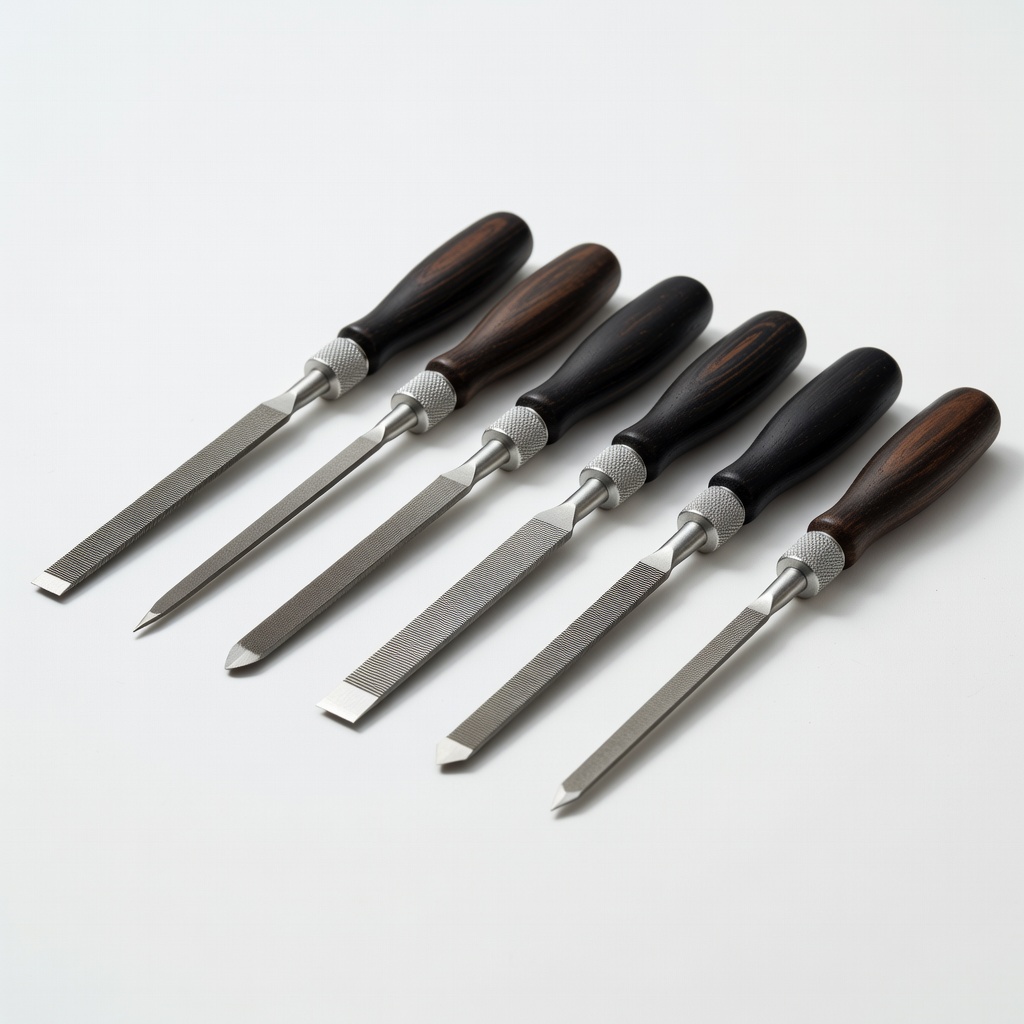
Sharpen/flatten reed tips and tangs safely.
Grobet USA 6-Piece Needle File Set Precision #2 cut files perfect for fine reed adjustments without over-removal.
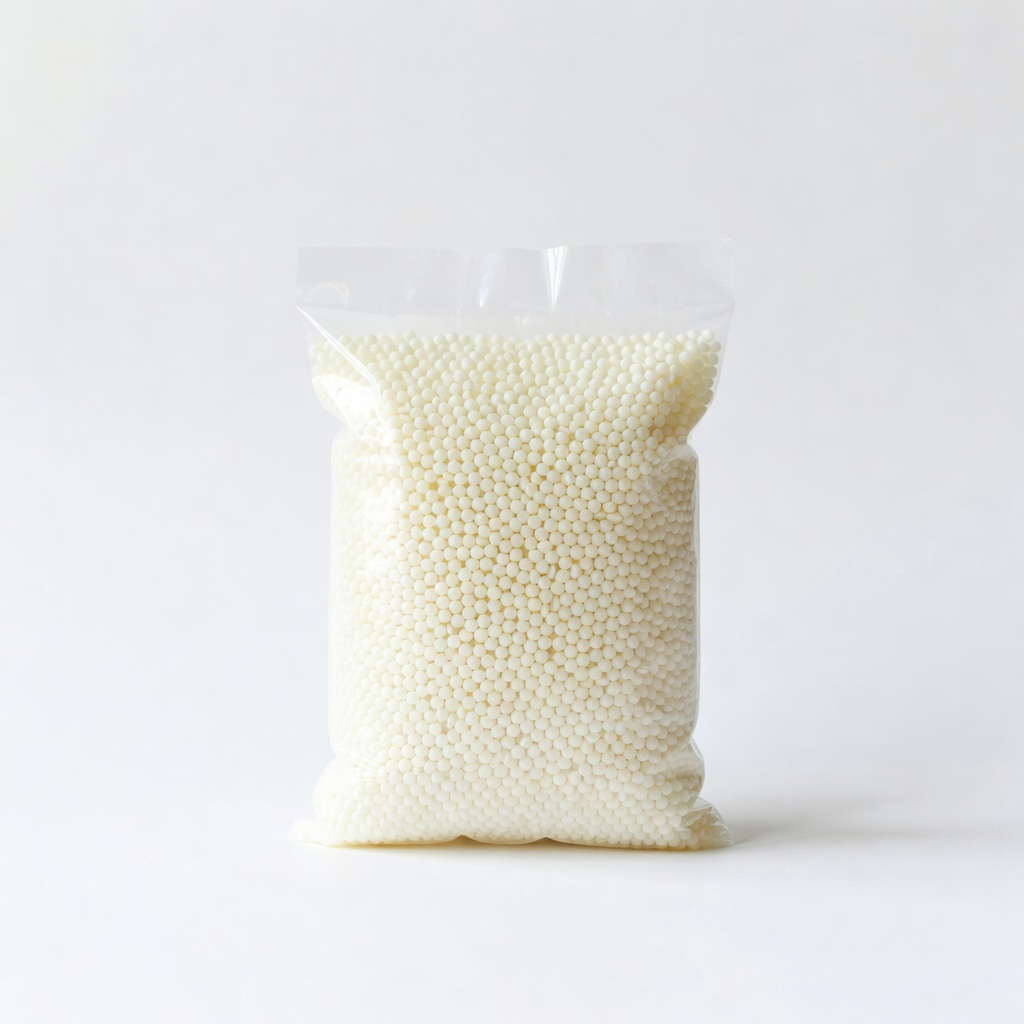
Melt and apply to reed feet post-tuning.
ZinC Pure White Beeswax Pellets 1lb High-purity wax stabilizes reed pitches without gumming mechanisms.
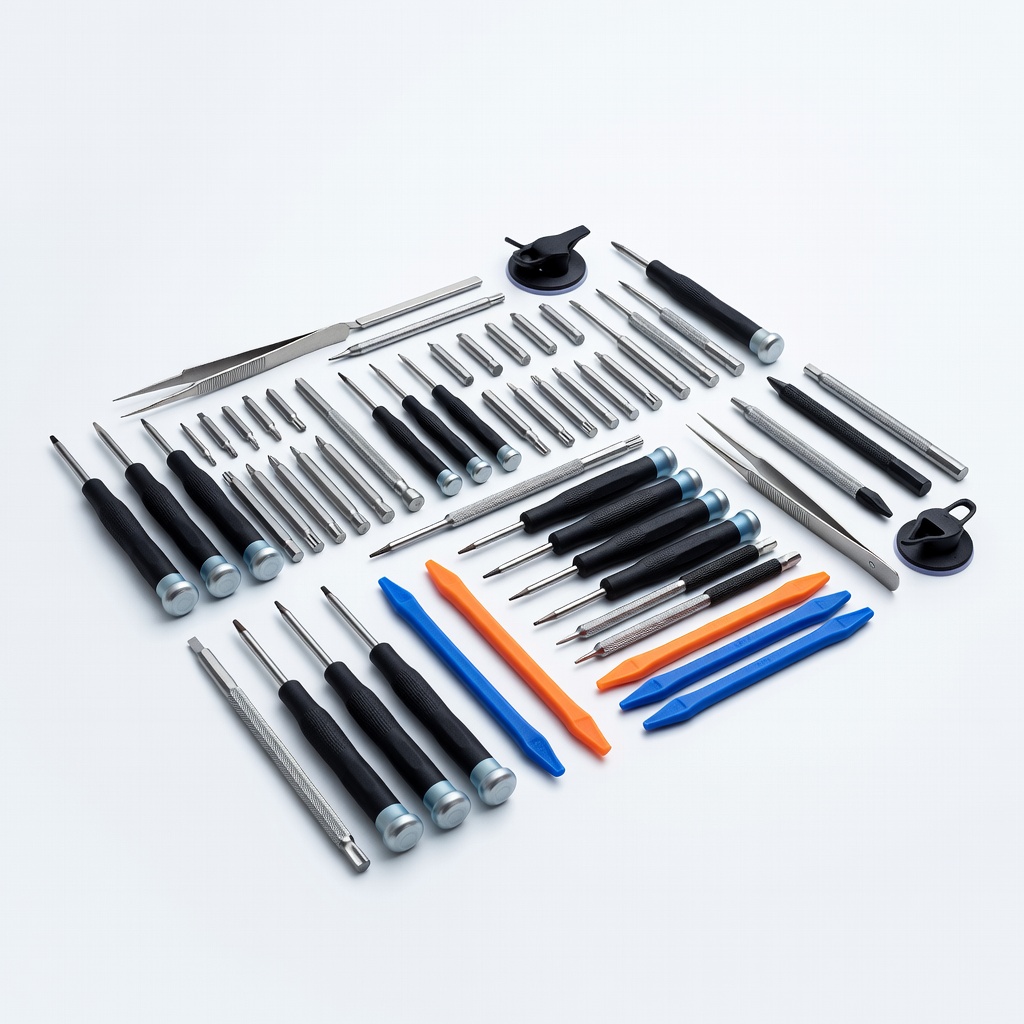
Disassembly without damage.
iFixit Pro Tech Toolkit Includes exact metric drivers for accordion grilles/pallets, preventing stripping.
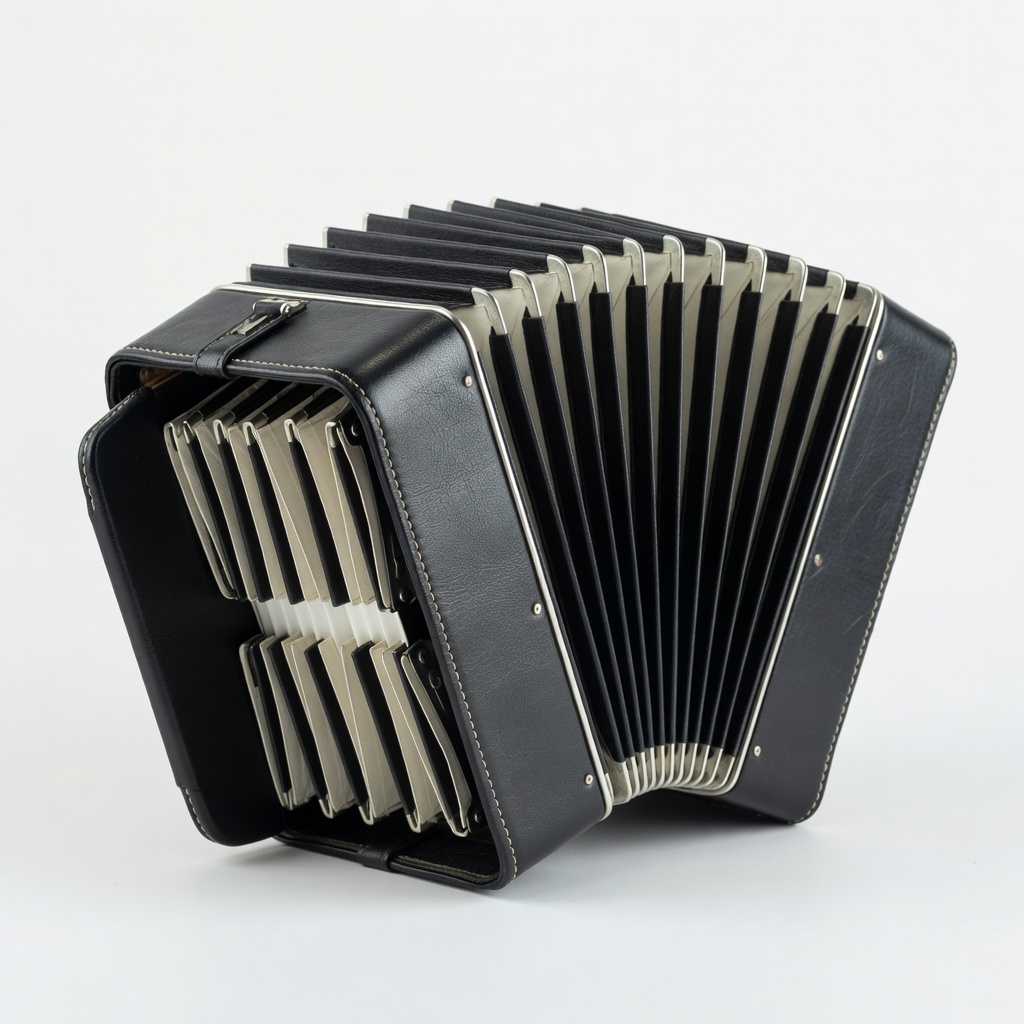
Mounting during full tuning sessions.
Hobner Universal Accordion Tuning Bellows Stable airflow platform fits most folk models for consistent pressure.