
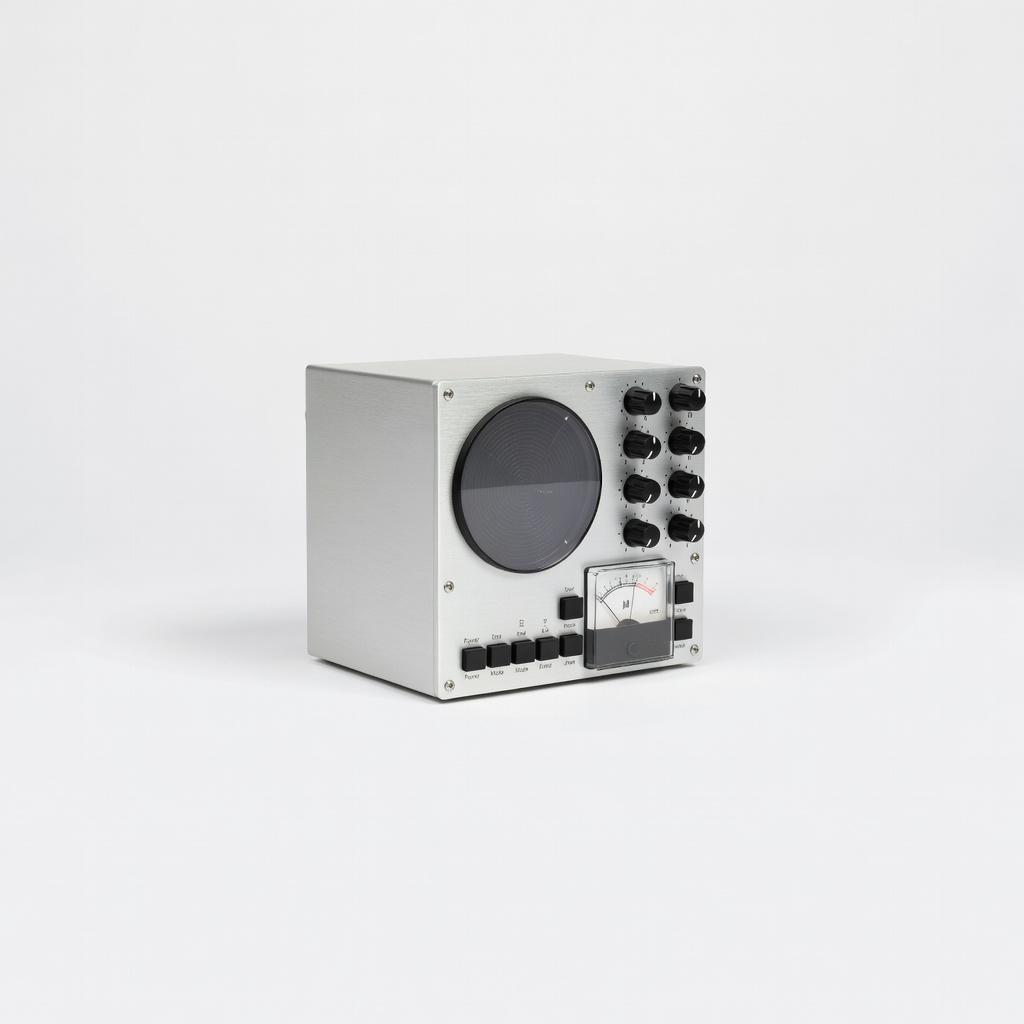
Peterson 490ST Analog Strobotuner
Tracking multiple reeds simultaneously during tremolo setup.
$595-$650
Peterson 490ST Analog Strobotuner Gold standard for reed tuning with beat-free strobe accuracy essential for dry folk unison.
Get the App
Better experience on mobile
Master dry tuning techniques to achieve the crisp, authentic sound perfect for folk sessions in under 10 hours.
Tuning your accordion for folk music can transform its sound from muddy to magical, delivering the bright, responsive tone essential for lively jigs, reels, and ballads. Many advanced players struggle with reeds drifting out of tune due to humidity changes or heavy gigging, leading to dissonant chords that kill the vibe in a session. This guide equips you with pro-level steps for 'dry tuning'—a straight, unison reed pitch favored in Irish, American old-time, and bluegrass folk for its clarity without warbly tremolo.
You'll learn to disassemble, precisely adjust reeds using a strobe tuner and bellows, and reassemble for optimal playability. Expect a full tuning to take 6-10 hours spread over sessions, suitable for advanced users comfortable with reed work. By the end, your accordion will sing with precise intonation across the keyboard.
This process focuses on treble and bass reeds, emphasizing folk-appropriate dry tuning (0-2 cents offset per reed pair) while covering temperament tweaks for modal folk scales.
Estimated Time: 6-10 hours (spread over 2-3 sessions) Difficulty: advanced
Set up a clean, well-lit tuning table at comfortable height (waist-level). Lay out all tools in sequence: bellows, tuner, files, gauges. Calibrate your strobe tuner to A=440Hz (or 442Hz for brighter folk tone) and test on a known pitch.
Remove the accordion's top grille and keyboard carefully using JIS screwdrivers to avoid stripping. Document screw positions with photos. Why? Folk tuning demands precision; a shaky setup leads to inconsistent pressure and pitch drift.
Success: Tools gleaming, accordion grille off, tuner flashing stable A440.
💡 Tips:
⚠️ Warnings:
Unscrew and gently lift out treble reed blocks (right side) and bass reed blocks (left). Avoid bending reeds. Clean blocks with isopropyl-dampened cloth.
Inspect reeds for wax buildup, rust, or gaps. Measure tongue gaps with feeler gauges (ideal 0.10-0.15mm for folk responsiveness). Why it matters: Dirty or misgapped reeds cause uneven response, ruining folk ornamentation like cuts and strikes.
Success: Reed blocks out, reeds inspected, gaps adjusted by gently tapping tongues.
💡 Tips:
⚠️ Warnings:
Secure reed block into tuning bellows clamps, aligning reed rows outward. Attach bellows hose to a stable air source or pump for consistent pressure (mimic half-pull).
Test bellows: Blow air and play notes—expect steady tone without leaks. Adjust clamps for full row access.
Success: Block locked in, first note sustains cleanly at tuner target.
💡 Tips:
⚠️ Warnings:
Start with lowest reed (e.g., low C). Blow/pull to sound, watch strobe tuner. For folk dry tuning, file high reed down to match low reed perfectly (0 cents beat)—no tremolo.
Clip tang lightly with fine file, test after each pass (remove 1/100mm max). Work row by row: outer low, inner high.
Why? Dry unison gives punchy, chordal clarity for folk rhythm playing. Expect 20-50 passes per octave.
Success: Reeds stabilize at pitch, no visible strobe roll.
💡 Tips:
For subtle folk vibrancy, detune paired reeds 2-5 cents (low reed sharp). File/test iteratively. Then tune octaves: high octave sharp by 4-8 cents for brilliance.
Play chords across rows—listen for clean voicings. Success: Chords ring true, no wolf tones.
Why matters: Balances dry clarity with life for endless sessions.
💡 Tips:
⚠️ Warnings:
Repeat process on bass blocks: fundamentals dry, chords balanced. Bass often drier for thump. Check against treble (e.g., bass C matches treble C).
Rewax loose tongues as needed. Success: Full keyboard harmony.
Why? Folk bass drives rhythm—off-pitch kills groove.
💡 Tips:
Replace blocks, screw grille. Play scales, folk tunes (e.g., 'Whiskey Before Breakfast'). Retune drifts.
Fine-tune under full bellows swings. Success: Pure tone across dynamics.
Rest 24hrs for settling.
💡 Tips:
⚠️ Warnings:
Problem: Reed won't stabilize (flutters)
Solution: Check gap (0.12mm ideal), clean rust, re-wax base. If bent, seek pro.
Problem: Wolf tones in chords
Solution: Detune offending pair 3 cents opposite. Retest full chord.
Problem: Pitch drops on full bellows
Solution: Increase pressure in bellows sim; reed may need thickening.
Problem: Sticky valves post-tune
Solution: Clean with alcohol; replace if worn. Pro if persistent.
Gold standard for reed tuning with beat-free strobe accuracy essential for dry folk unison.
Best for: Tracking multiple reeds simultaneously during tremolo setup.
Price Range: $595-$650
Precision files for micro-adjustments without reed damage, perfect for advanced folk tuning.
Best for: Filing high/low reed pairs iteratively.
Price Range: $40-$60
Low-melt beeswax secures reed tongues firmly for stable folk pitch hold.
Best for: Rewaxing during disassembly.
Price Range: $10-$15
Adjustable pressure mimics real play for accurate folk tuning under dynamics.
Best for: Primary air source for all reed blocks.
Price Range: $150-$250
Metric gauges ensure optimal reed gaps for responsive folk articulation.
Best for: Pre/post gap checks.
Price Range: $20-$30
Tracking multiple reeds simultaneously during tremolo setup.
Peterson 490ST Analog Strobotuner Gold standard for reed tuning with beat-free strobe accuracy essential for dry folk unison.
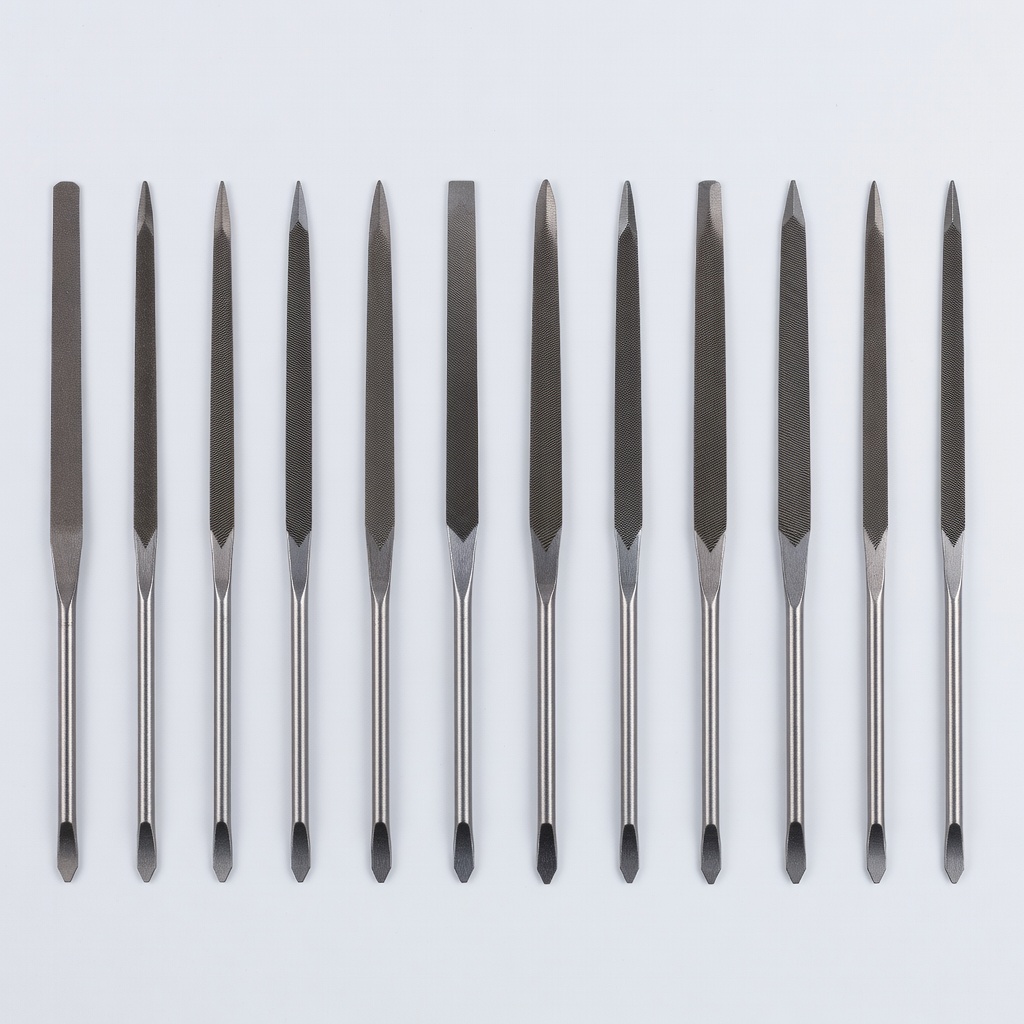
Filing high/low reed pairs iteratively.
Grobet USA Swiss Needle File Set (12pc) Precision files for micro-adjustments without reed damage, perfect for advanced folk tuning.
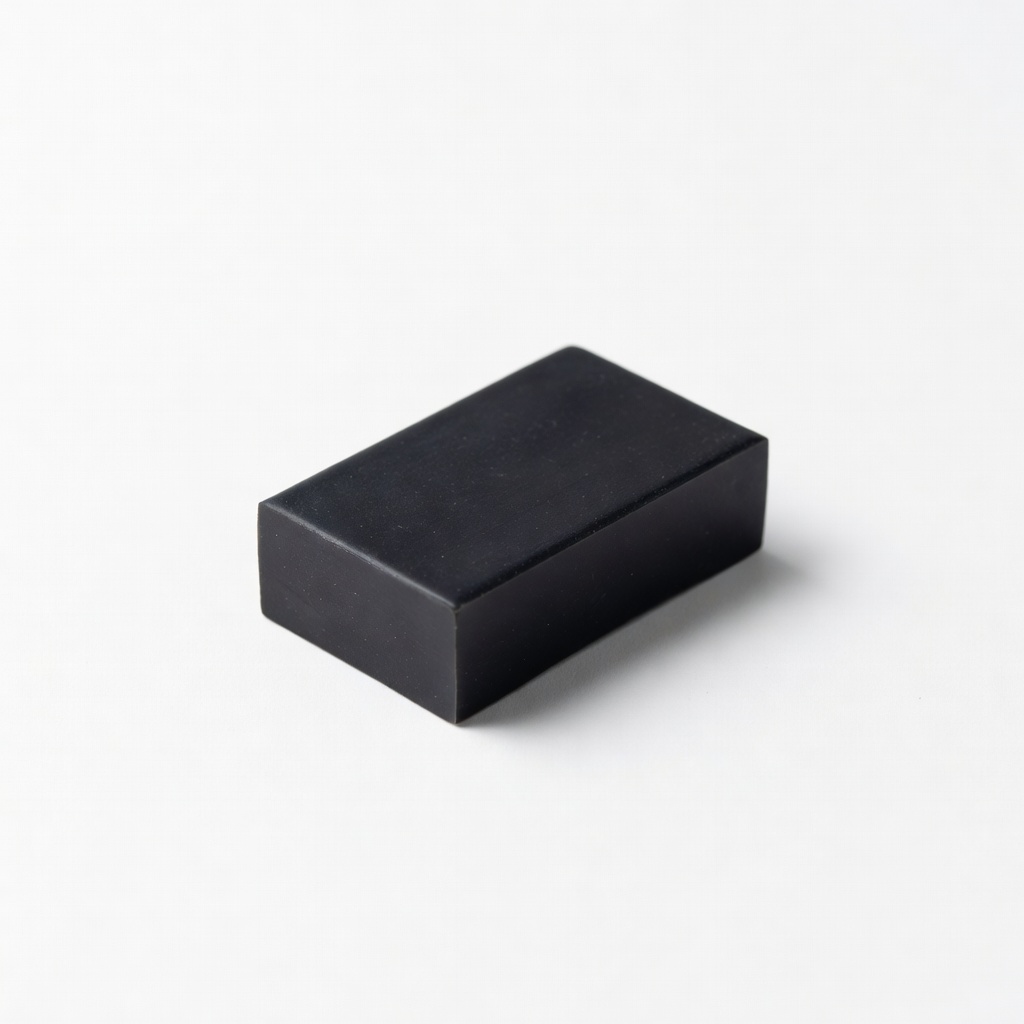
Rewaxing during disassembly.
D'Addario BZBLK10 Reed Wax Low-melt beeswax secures reed tongues firmly for stable folk pitch hold.
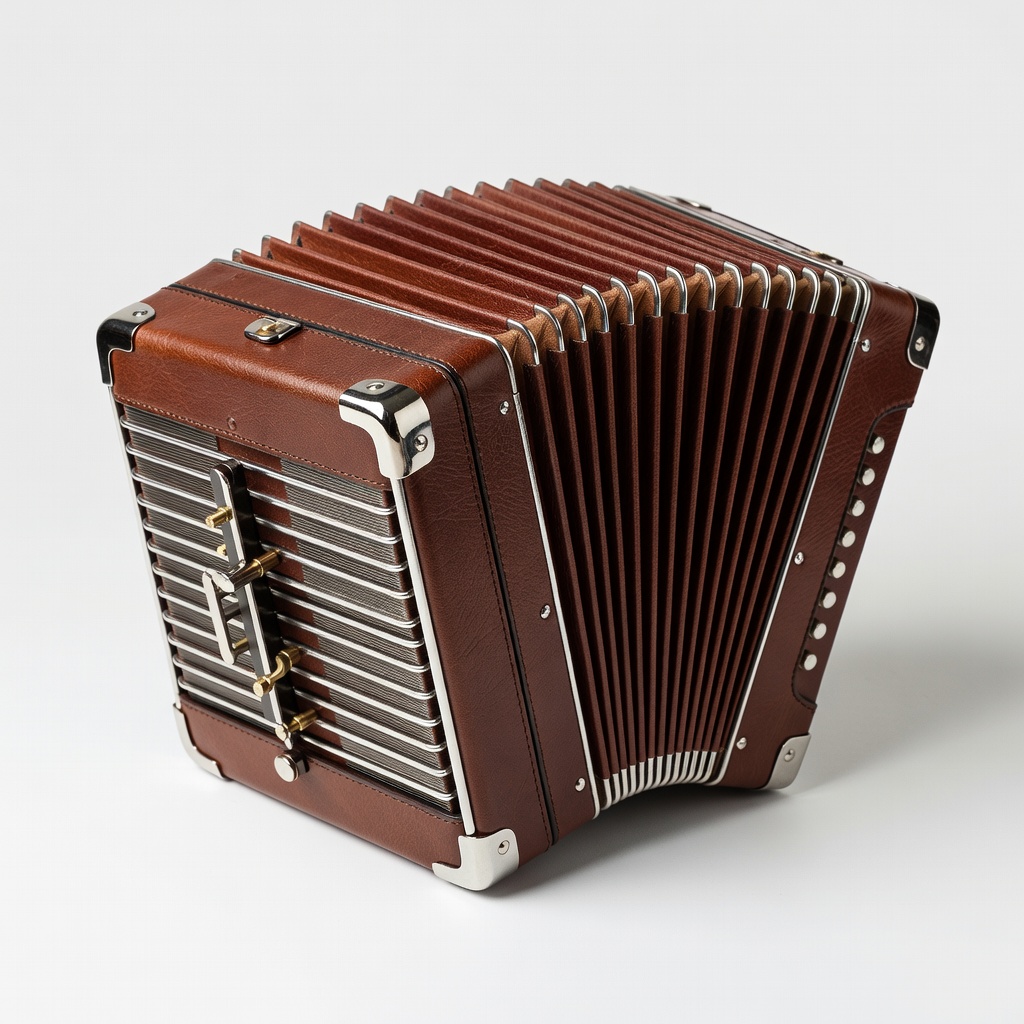
Primary air source for all reed blocks.
Hobner Accordion Tuning Bellows Adjustable pressure mimics real play for accurate folk tuning under dynamics.
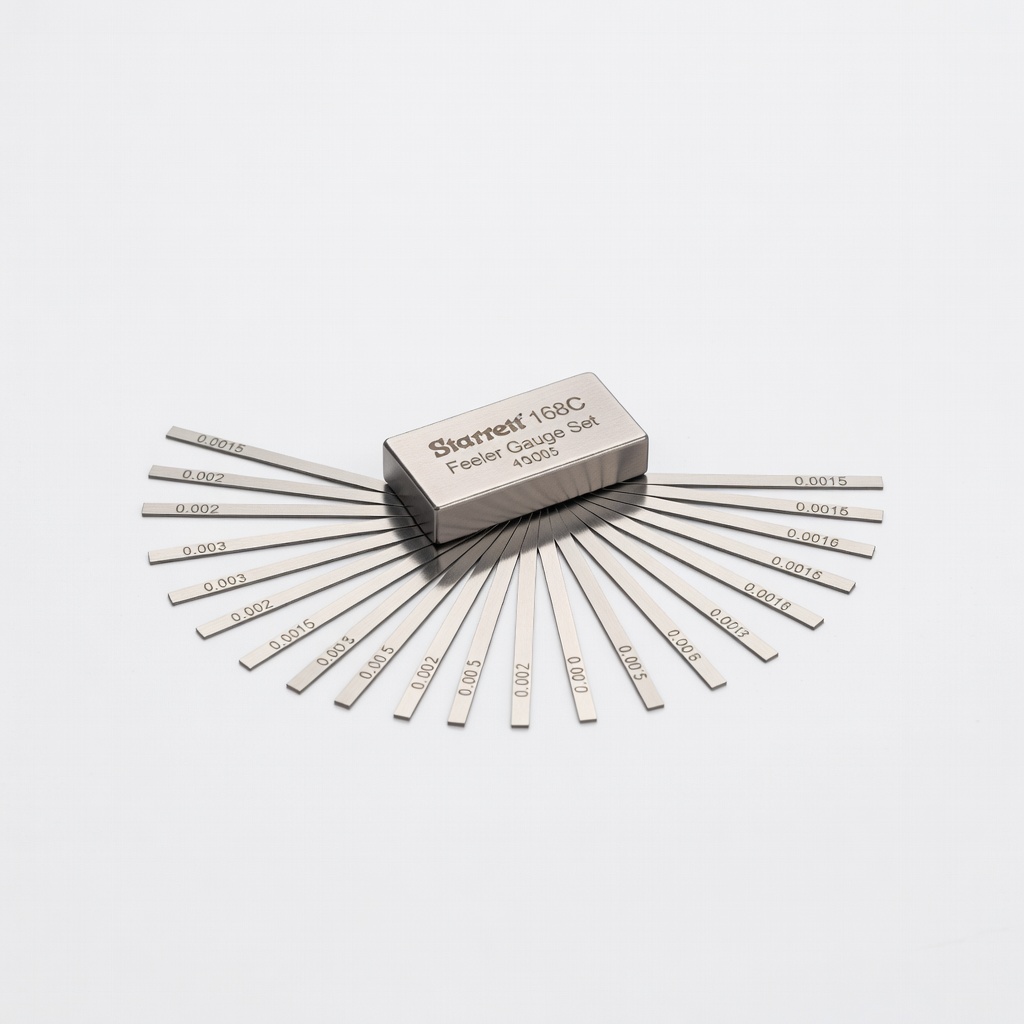
Pre/post gap checks.
Starrett 168C Feeler Gauge Set Metric gauges ensure optimal reed gaps for responsive folk articulation.