
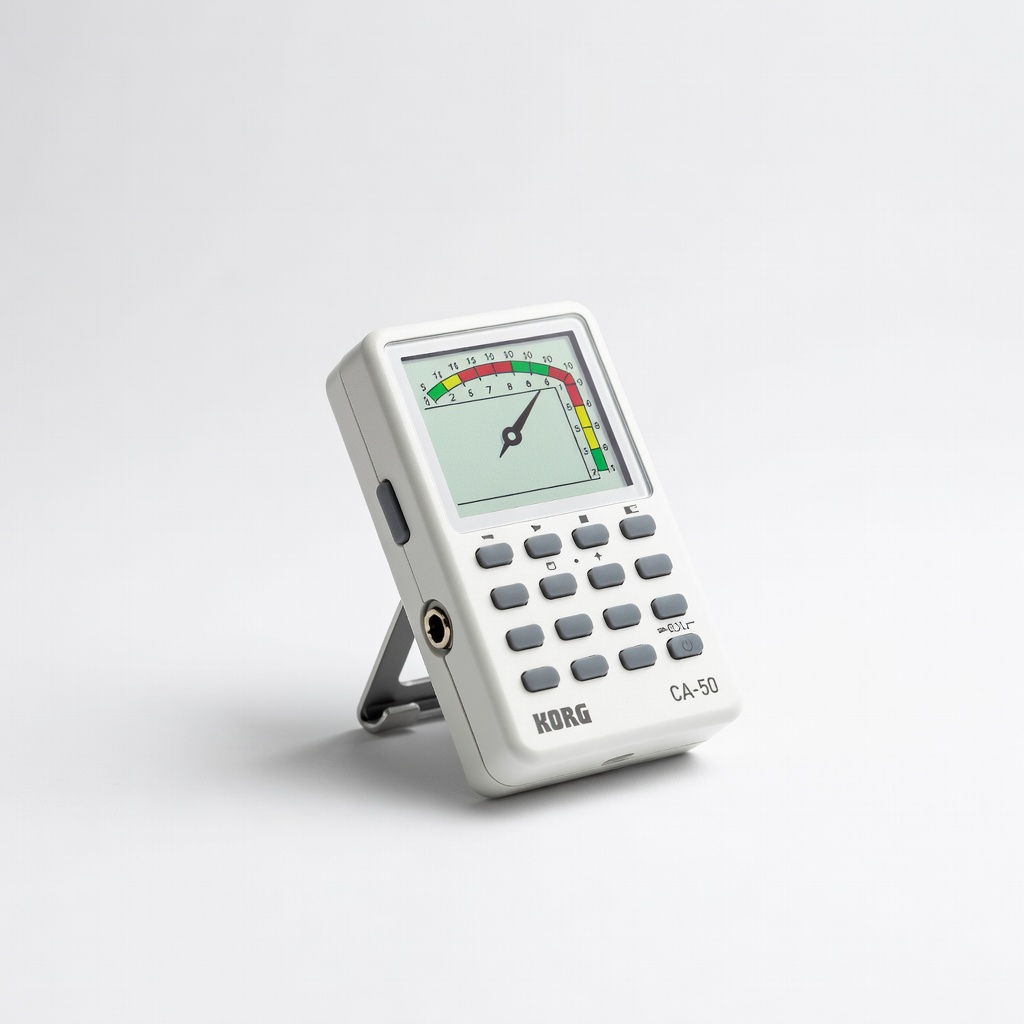
Korg CA-50 Chromatic Tuner
Core tuning tool for all steps—clip or stand for hands-free.
$39.99
Korg CA-50 Chromatic Tuner Ultra-precise (±1 cent) with large display and needle response ideal for reed subtleties.
Get the App
Better experience on mobile
Learn advanced reed tuning techniques to eliminate buzzes, achieve precise intonation, and unlock crystal-clear accordion tones in under 6 hours.
If your accordion sounds buzzy, warbly, or out-of-tune despite regular playing, it's likely the reeds need professional-level tuning. Dull or misaligned reeds rob your music of clarity and response, frustrating even advanced players. This guide equips you with expert steps to restore pristine sound.
You'll master disassembly, precise pitch adjustment, and reassembly for both piano and musette tuning styles. By the end, your accordion will sing with even timbre across all registers—no more dead notes or uneven volume.
Expect 4-6 hours for a full tuning (spread over sessions), suited for advanced users comfortable with tools and music theory. No prior tuning experience required, but dexterity and patience are key.
Estimated Time: 4-6 hours (full tuning; 2-3 hours per side) Difficulty: advanced
Set up a well-lit, dust-free area with a stable tuning table at waist height. Lay out all tools in order: tuner, files, wax, screwdrivers, loupe, and cleaning supplies. Calibrate your tuner to A=440Hz (or your preferred concert pitch) in equal temperament mode.
Why it matters: A clean workspace prevents contamination, ensuring adjustments stick. Test the tuner on a known pitch (e.g., piano A440) to confirm ±1 cent accuracy—what success looks like: tuner displays steady green/zero cents on stable notes.
Pro tip: Work in a humidity-controlled room (40-60% RH) to avoid reed corrosion post-tuning.
💡 Tips:
⚠️ Warnings:
Remove the accordion's top grille and keyboard pallet box using JIS screwdrivers. Gently lift out reed blocks (grivated plates with reeds), numbering them for reassembly (e.g., treble C block). For bass side, access via bellows frame.
Success: All reed blocks free without bending tongues. Why: Direct access allows precise filing without obstruction.
Handle blocks horizontally to prevent reed damage.
💡 Tips:
⚠️ Warnings:
Brush dust from reeds with a soft brush, then wipe tongues with isopropyl-dampened cloth. Use compressed air for crevices. Inspect for rust, cracks, or wax buildup—remove excess wax gently with a heated tool.
Why: Dirt dulls tone and causes buzzing, muddying sound. Expect: Reeds shiny, vibrating freely. Play-test a block on bellows: clean notes without rattles.
Dry completely before tuning.
💡 Tips:
⚠️ Warnings:
Clip tuner to reed block frame. Blow steadily across each reed (use bellows or mouth). Note pitches vs. target (e.g., chromatic scale). Record cents deviation per reed.
Success: Consistent tracking ±5 cents. Why: Baseline identifies flats/sharps for targeted filing.
Switch to strobe mode for visual feedback on advanced tuners.
💡 Tips:
⚠️ Warnings:
For flat reeds (>+10 cents low), lightly file tip underside with finest file (4-0). File in direction of reed curve, 1-2 strokes max. Re-test immediately. Sharps: File reed base topside sparingly.
Why: Tip filing raises pitch (mass removal at end); base lowers. Expect gradual cent shift—aim for 0 cents across octaves. Success: Even scale, no wolves.
Progress to coarser files only if needed.
💡 Tips:
⚠️ Warnings:
Repeat process on bass blocks—lower reeds need heavier filing. Prioritize fundamentals, then octaves. Check intervals (thirds/fifths) for consonance.
Why: Bass drives rhythm; poor tuning muddies chords. Success: Punchy, clear bass notes blending seamlessly with treble.
Double-check button reeds for double-voiced sets.
💡 Tips:
⚠️ Warnings:
For musette (tremolo): Raise high reeds +10 cents, lower low reeds -10 cents on thirds. Dry tuning: All at 0 cents. Melt wax to secure vibrating edges if loose.
Why: Matches genre—musette adds shimmer, dry for clarity. Test playthrough: Vibrato swells naturally without beating.
Advanced: Scale volume response.
💡 Tips:
⚠️ Warnings:
Replace blocks in numbered order, tighten screws evenly. Play full scales/chords across registers. Spot-check trouble reeds (±3 cents tolerance).
Success: Uniform clear sound, no buzzes, responsive dynamics. Rest 24 hours for stabilization.
Final polish: Clean exterior.
💡 Tips:
⚠️ Warnings:
Problem: Persistent buzzing post-tune
Solution: Check for bent tongues or wax debris—gently straighten with tweezers or re-clean. If reed gap too wide, add wax shim.
Problem: Pitch drifts during play
Solution: Secure loose rivets with wax; re-file lightly. Humidity issue? Store in case with silica packs.
Problem: Uneven volume across notes
Solution: Balance reed gaps with feeler gauge (0.3-0.5mm); file bases symmetrically. Seek pro if structural.
Problem: Tuner unstable reading
Solution: Improve airflow seal; clip tuner closer to reed. Switch to contact mic mode.
Ultra-precise (±1 cent) with large display and needle response ideal for reed subtleties.
Best for: Core tuning tool for all steps—clip or stand for hands-free.
Price Range: $39.99
Compact, vibration-sensitive tuner perfect for accordion reeds without feedback.
Best for: Portable for on-block testing; budget-friendly accuracy.
Price Range: $14.99
Precisely graded Swiss files (4-0 to 1-0) designed for accordion reeds—smooth, controlled material removal.
Best for: Essential for pitch adjustments in steps 5-7.
Price Range: $79.99-$99.99
Low-melt wax secures adjustments without gumming reeds.
Best for: Post-filing stabilization in steps 3 and 7.
Price Range: $12.99
Pocket loupe reveals micro-imperfections for pro-level precision.
Best for: Inspecting filings during steps 3-6.
Price Range: $9.99
Core tuning tool for all steps—clip or stand for hands-free.
Korg CA-50 Chromatic Tuner Ultra-precise (±1 cent) with large display and needle response ideal for reed subtleties.
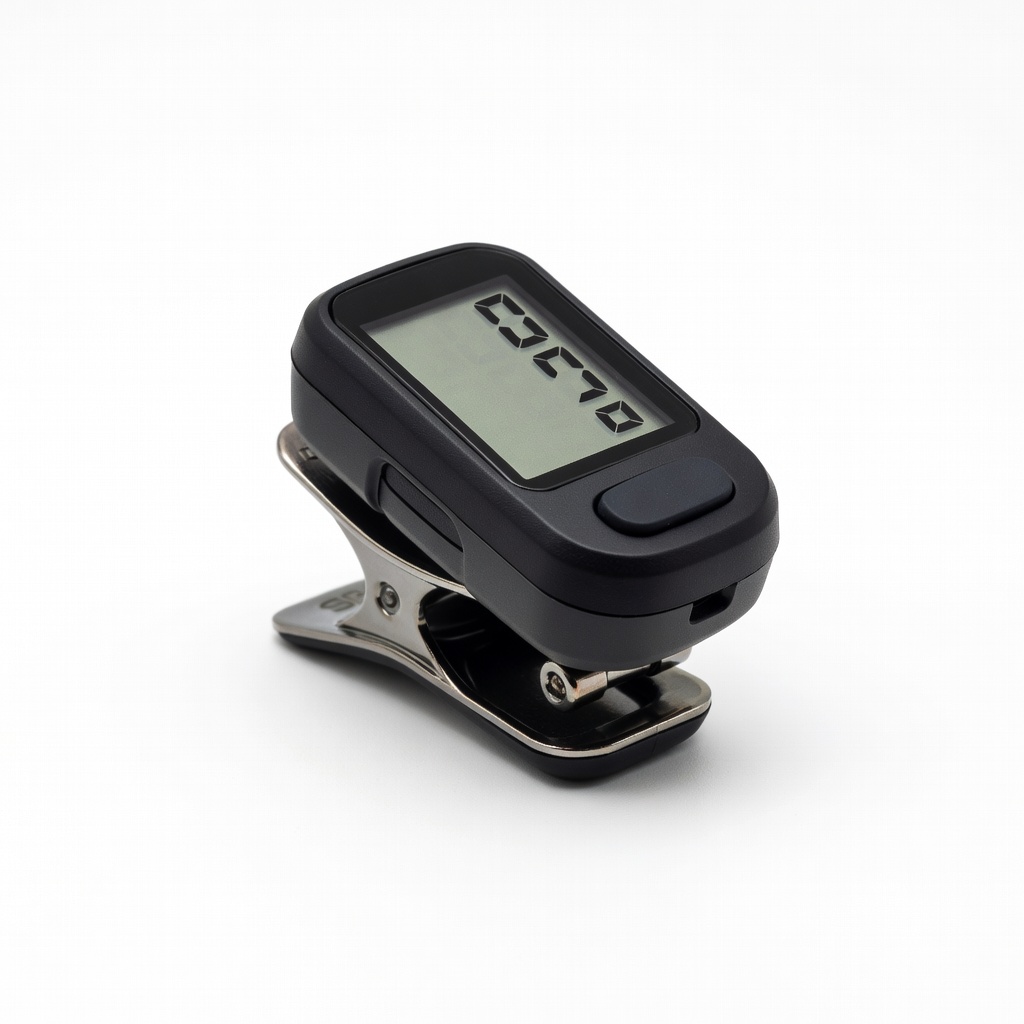
Portable for on-block testing; budget-friendly accuracy.
D'Addario NS Micro Clip-On Tuner Compact, vibration-sensitive tuner perfect for accordion reeds without feedback.
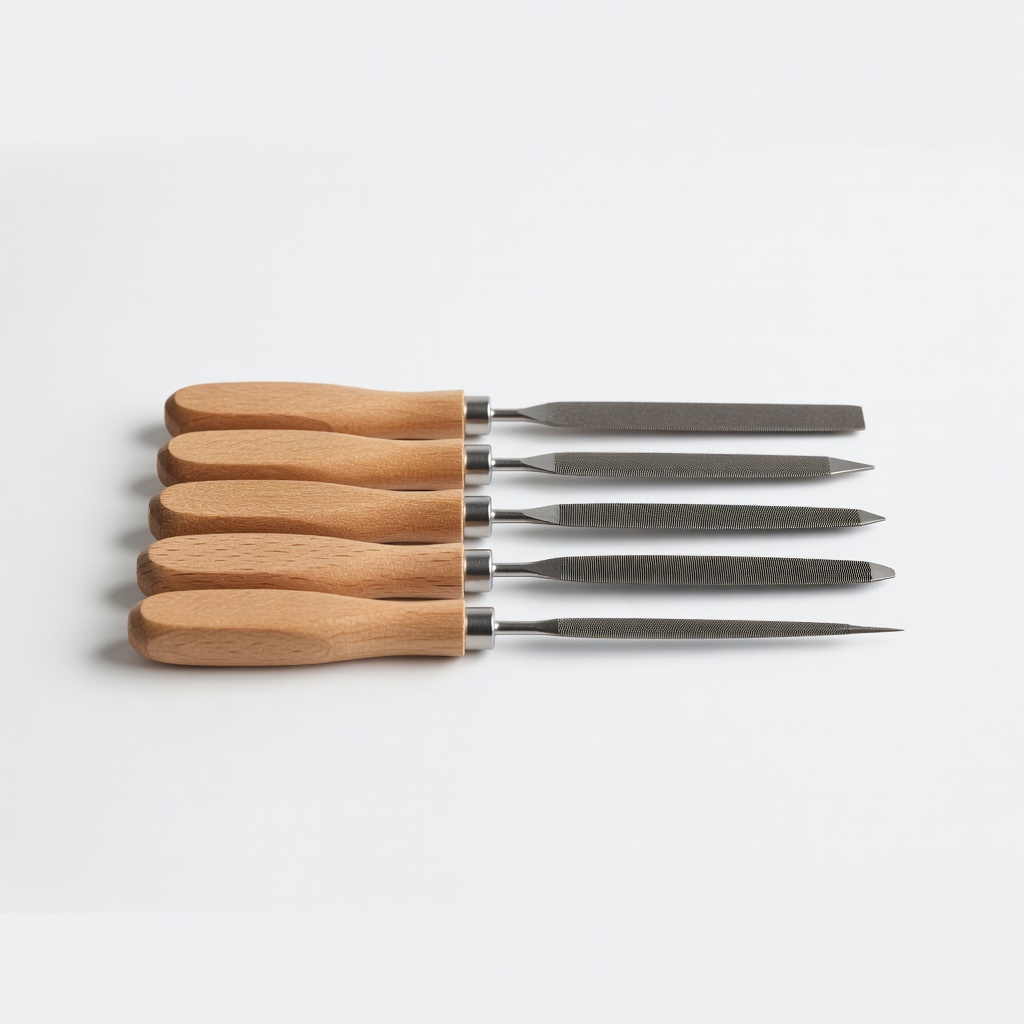
Essential for pitch adjustments in steps 5-7.
Caussin 5-Piece Accordion Reed File Set Precisely graded Swiss files (4-0 to 1-0) designed for accordion reeds—smooth, controlled material removal.
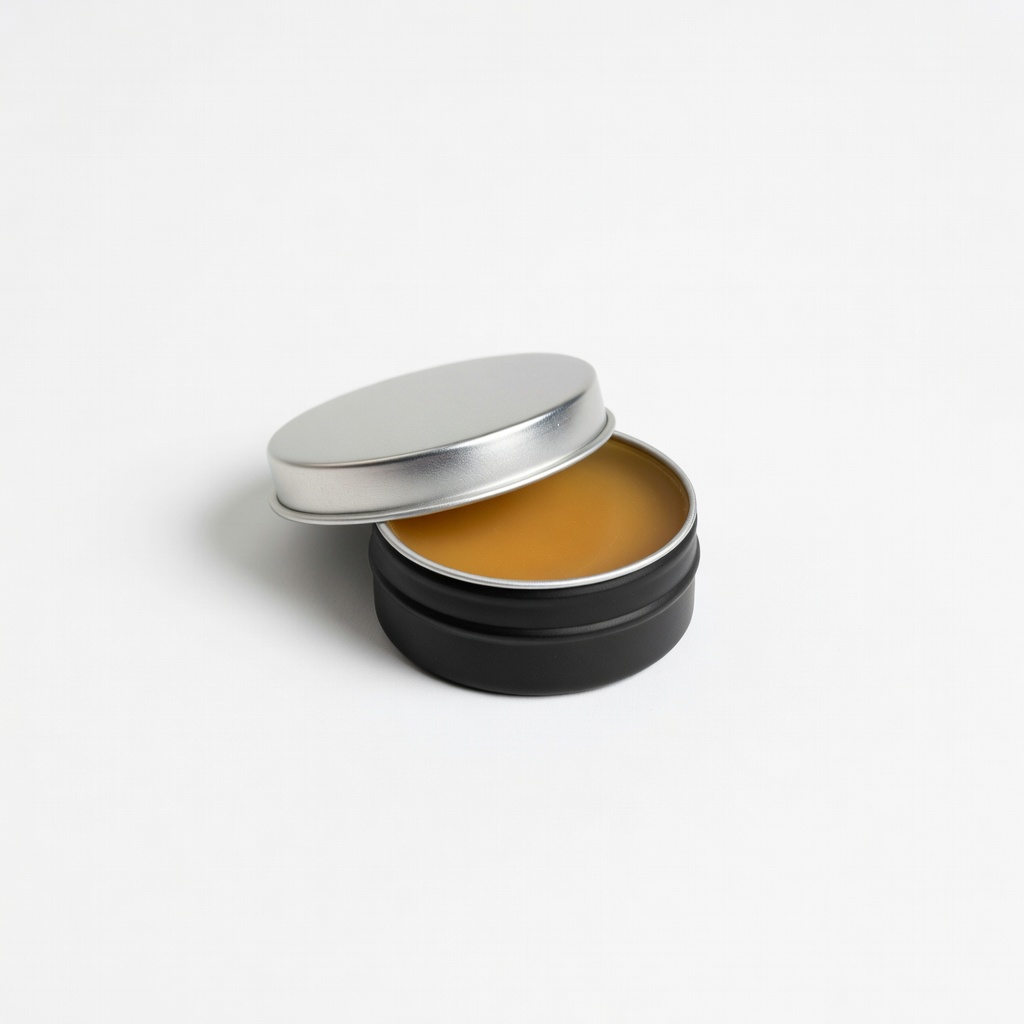
Post-filing stabilization in steps 3 and 7.
MusicMedic Custom Reed Wax Low-melt wax secures adjustments without gumming reeds.
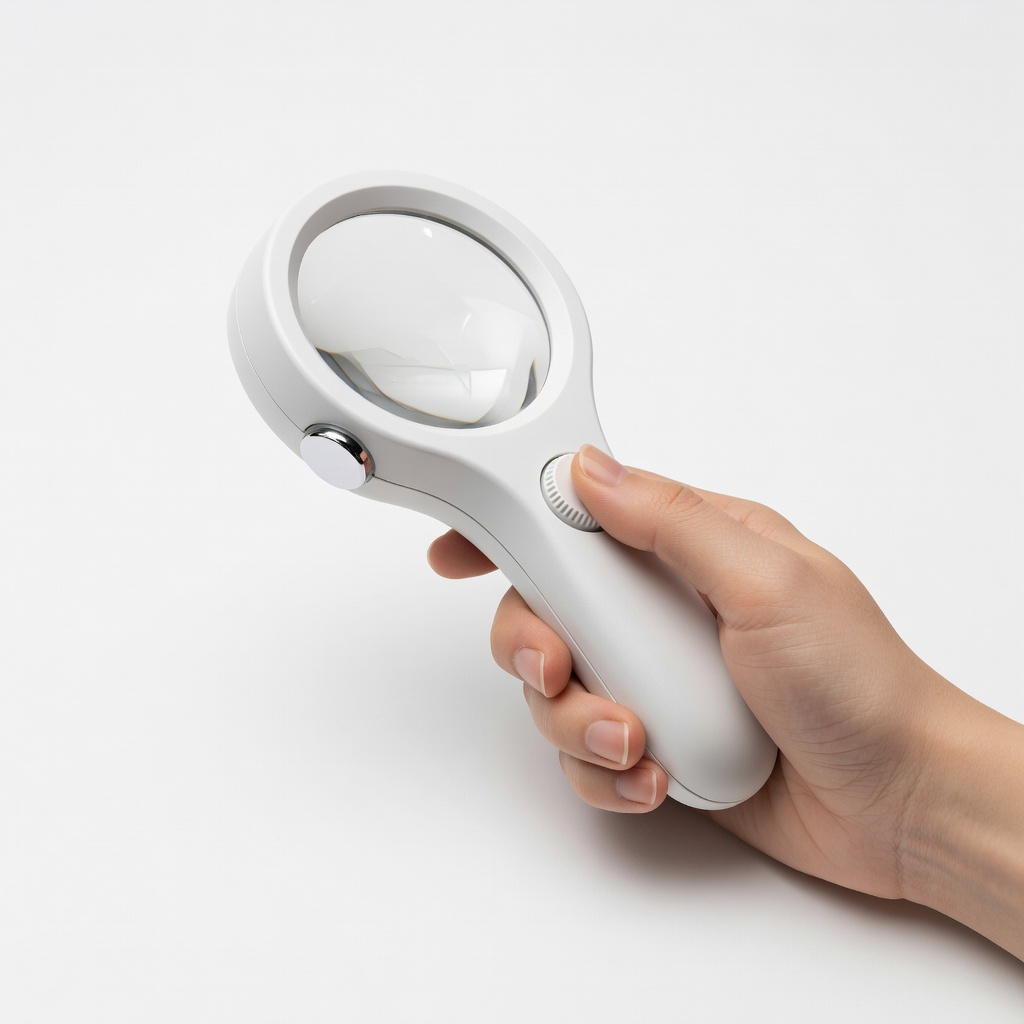
Inspecting filings during steps 3-6.
Carson MicroBrite Plus 120x LED Magnifier Pocket loupe reveals micro-imperfections for pro-level precision.