
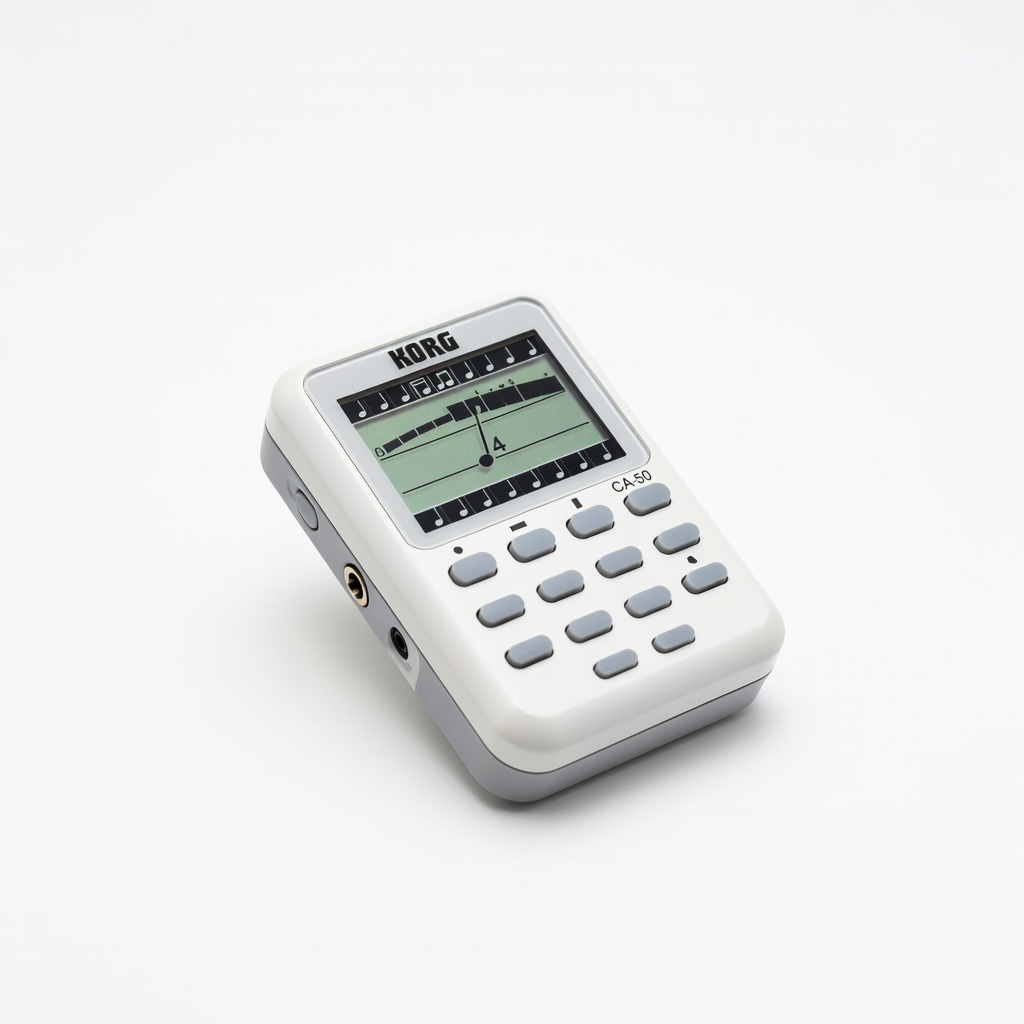
Korg CA-50 Chromatic Tuner
Clip-on for all steps; best budget strobe for tremolo beats.
$19.99
Korg CA-50 Chromatic Tuner Large display and accurate strobe mode essential for reed micro-tuning.
Get the App
Better experience on mobile
Unlock pro-level tone on your accordion with advanced tuning techniques for precise pitch, tremolo, and responsiveness in 2-4 hours.
If you're an advanced accordion player frustrated by sour notes, uneven tremolo, or sluggish response under pressure, poor reed tuning is likely the culprit. Even high-end instruments like Pigini or Scandalli drift out of tune over time due to temperature, humidity, and heavy use. Mastering tuning restores factory-fresh brilliance, saves hundreds on pro services, and lets you customize tremolo (musette vs. dry) for your style.
In this guide, you'll learn step-by-step accordion reed tuning, from temperament setup to fine adjustments under varying bellows pressure. We'll cover piano (dry), musette, and Irish styles. Expect 2-4 hours for a full tune-up on a 3-4 row diatonic or chromatic accordion—precision matters, so work in a stable environment. No prior pro experience needed, but familiarity with reed blocks is assumed.
By the end, your accordion will sing with even pitch, lush vibrato, and dynamic control, ready for gigs or recordings.
Estimated Time: 2-4 hours (1 hour per reed rank for full instrument) Difficulty: advanced
Set up in a vibration-free room at 68-72°F (20-22°C) and <50% humidity to prevent reed corrosion. Place your accordion on a dedicated tuning table with clamps for reed blocks. Calibrate your tuner to A=440Hz (or A=442Hz for brighter tone) and select chromatic/strobe mode for visual pitch tracking.
Disassemble minimally: remove top grille screws (note positions), extract treble reed blocks via keyboard-side panel. Label blocks (e.g., 'G1', 'C3') with tape. Why? Stable setup prevents slips that warp reeds; expect 10-15 minutes here.
Success looks like: All blocks accessible, tuner zeroed, tools sanitized.
💡 Tips:
⚠️ Warnings:
Advanced tuning starts with style: Dry (piano) for equal temperament (ET); Musette for 3-voice tremolo (high/low reeds sharp by 4-10 cents); Irish dry with dry 3rd. Input offsets in tuner (e.g., Peterson software presets).
Play a test note (middle C) at mezzo-forte bellows pressure. Why? Temperament defines character—wrong one kills genre fit. Expect initial drifts of ±20 cents.
Success: Tuner shows stable baseline for reference reed.
💡 Tips:
⚠️ Warnings:
Brush each reed tongue with alcohol-damp cloth; inspect for bends, cracks, or wax buildup. Secure loose tongues with reed wax (melt and dab). Why? Dirt mutes highs; damage causes wolves (beats).
Test-play each reed block in clamps with blower or bellows snippet. Note pitches.
Success: Reeds vibrate freely, no rattles.
💡 Tips:
⚠️ Warnings:
Clamp block securely. Blow at piano pressure; file tongue tip lightly (2000-grit file) to sharpen flats, or sand base to flatten sharps. Aim for 0 cents on middle voice first.
Cycle: play-note-adjust-test. Why? Treble sets melody foundation. Expect 5-10 passes per reed.
Success: Steady pitch within ±2 cents at mf pressure.
💡 Tips:
⚠️ Warnings:
For musette: Raise high voice +5 cents, lower low -5 cents; test beat frequency (4-6Hz ideal). Adjust via tongue bend (pliers with leather pad) or clip weights.
Vary pressure: check scaling (pitch drop <5 cents at ff). Why? Creates signature shimmer.
Success: Smooth beats, no warble under dynamics.
💡 Tips:
⚠️ Warnings:
Access bass via back panel. Bass reeds are larger—use heavier pressure. Tune fundamentals dry, chords with slight musette if styled. File aggressively but sparingly.
Why? Bass anchors harmony; expect longer sustains.
Success: Full chord stacks in tune across inversions.
💡 Tips:
⚠️ Warnings:
Reinstall blocks partially; play scales/chords at pp-ff pressures. Adjust for scaling (bending tongue root for lows). Check registers.
Why? Reveals pressure ghosts. 30-min play-test.
Success: Even response, no squeals.
💡 Tips:
⚠️ Warnings:
Replace grilles, play full pieces. Rest 24 hours for settling.
Success: Pro sound—crisp, vibrant, stable.
💡 Tips:
⚠️ Warnings:
Problem: Reed won't speak (silent)
Solution: Check wax seating or tongue gap (0.2-0.4mm); rebend if gapped.
Problem: Wolf tones (warbling beats)
Solution: Sympathetic vibration—dampen nearby loose reeds or add beeswax.
Problem: Pitch drifts after reassembly
Solution: Thermal settling; retune after 48 hours or check block seating.
Problem: Uneven tremolo (one side dry)
Solution: Mismatched cents offset; recalibrate high/low voices equally.
Problem: Still off after tuning? Seek pro if structural (bellows leak).
Solution: undefined
Large display and accurate strobe mode essential for reed micro-tuning.
Best for: Clip-on for all steps; best budget strobe for tremolo beats.
Price Range: $19.99
Pro-grade strobe with accordion presets for musette/Irish styles.
Best for: Advanced dynamic testing; handles high precision under pressure.
Price Range: $199.99
Tiny bits perfect for delicate accordion screws without stripping.
Best for: Disassembly/reassembly; includes magnetic tips for tiny parts.
Price Range: $12.99
Ideal low-melt wax for quick reed seating without residue.
Best for: Securing tongues during adjustments; pro accordionist favorite.
Price Range: $24.99
Fine cuts (2-6) for precise reed filing without gouging.
Best for: Coarse/fine pitch adjustments; Swiss quality lasts years.
Price Range: $29.99
Clip-on for all steps; best budget strobe for tremolo beats.
Korg CA-50 Chromatic Tuner Large display and accurate strobe mode essential for reed micro-tuning.
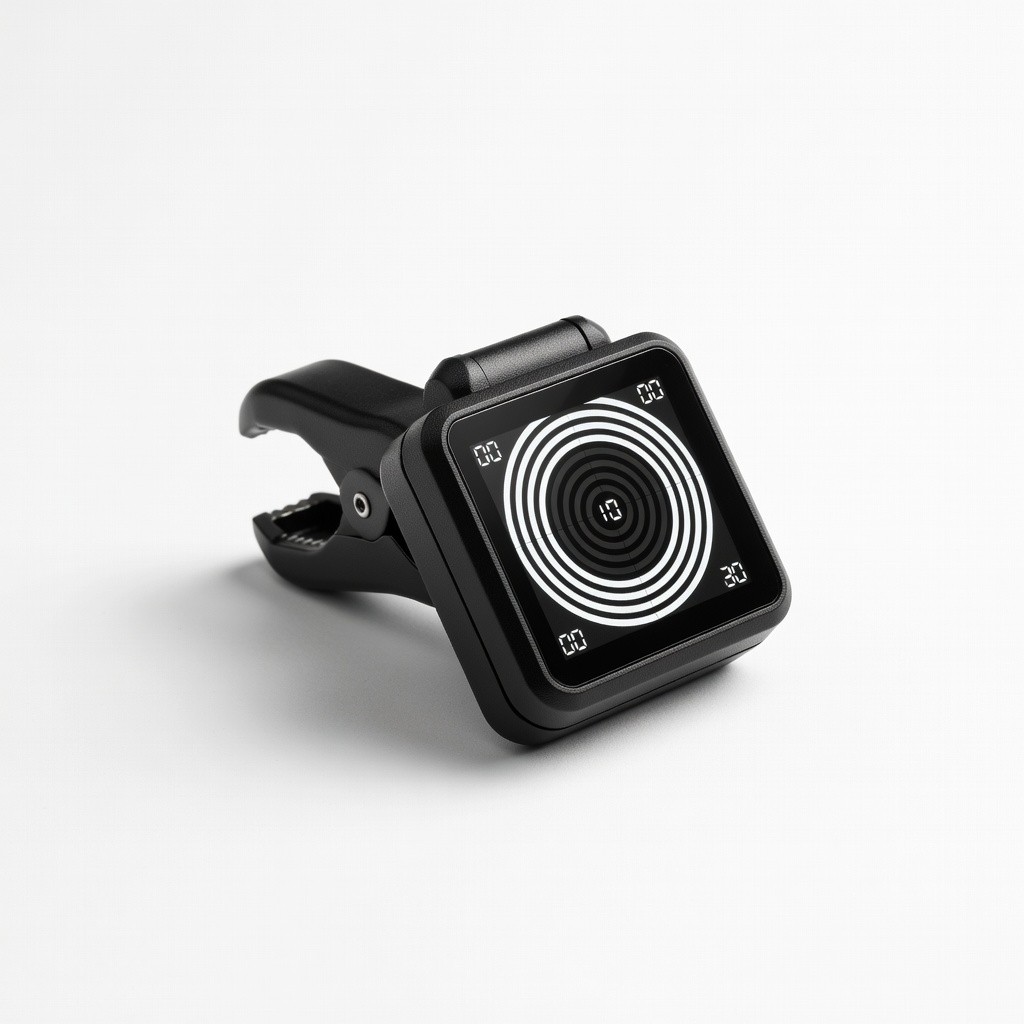
Advanced dynamic testing; handles high precision under pressure.
Peterson StroboClip HD Tuner Pro-grade strobe with accordion presets for musette/Irish styles.
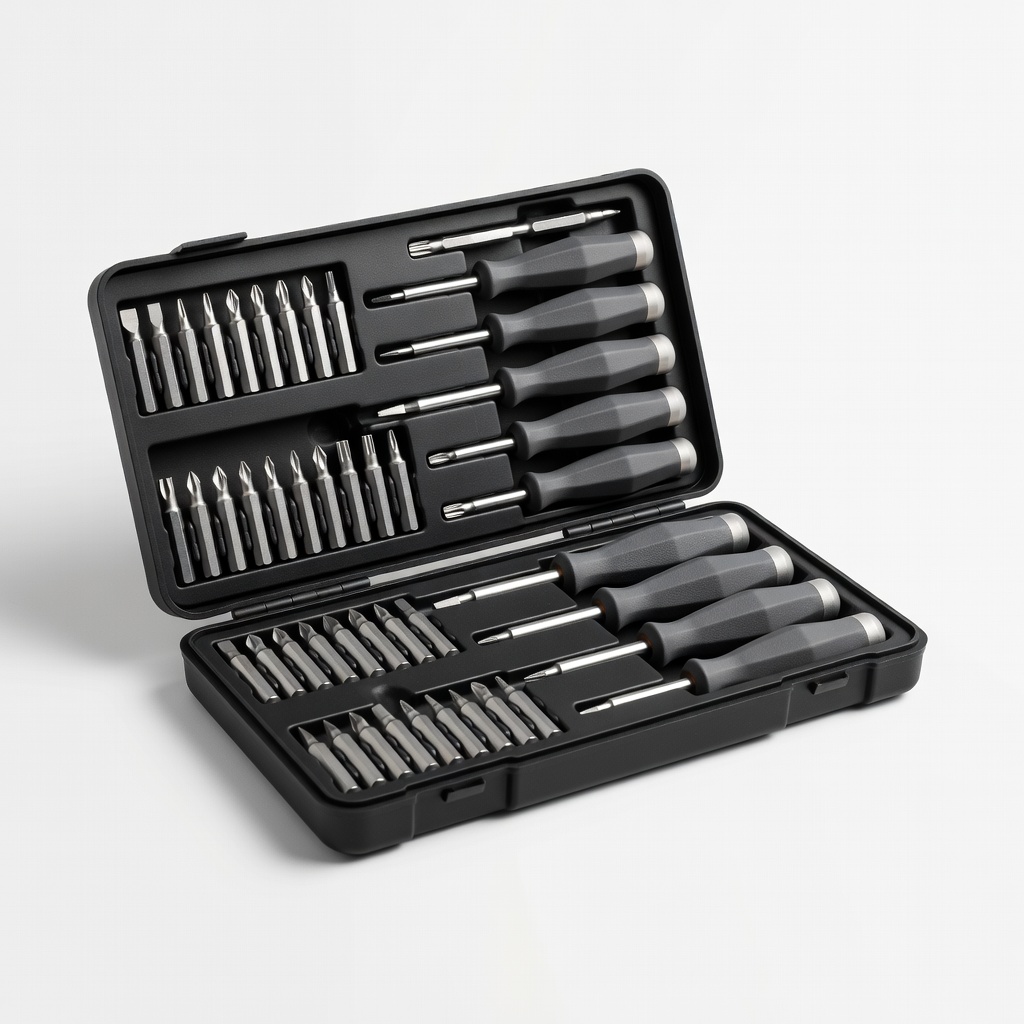
Disassembly/reassembly; includes magnetic tips for tiny parts.
DOWTIN Precision Screwdriver Set (45-Piece) Tiny bits perfect for delicate accordion screws without stripping.
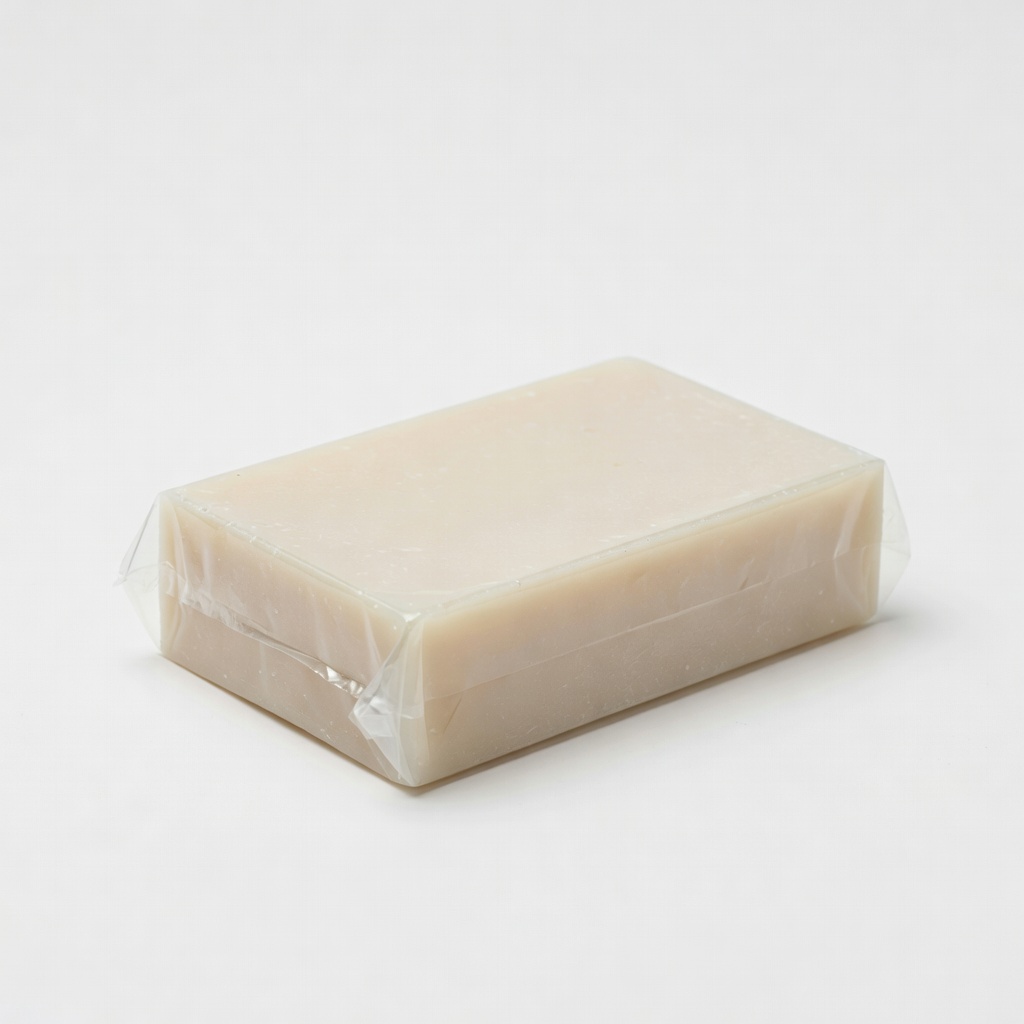
Securing tongues during adjustments; pro accordionist favorite.
Rubber Hot Reed Wax (1 lb) Ideal low-melt wax for quick reed seating without residue.
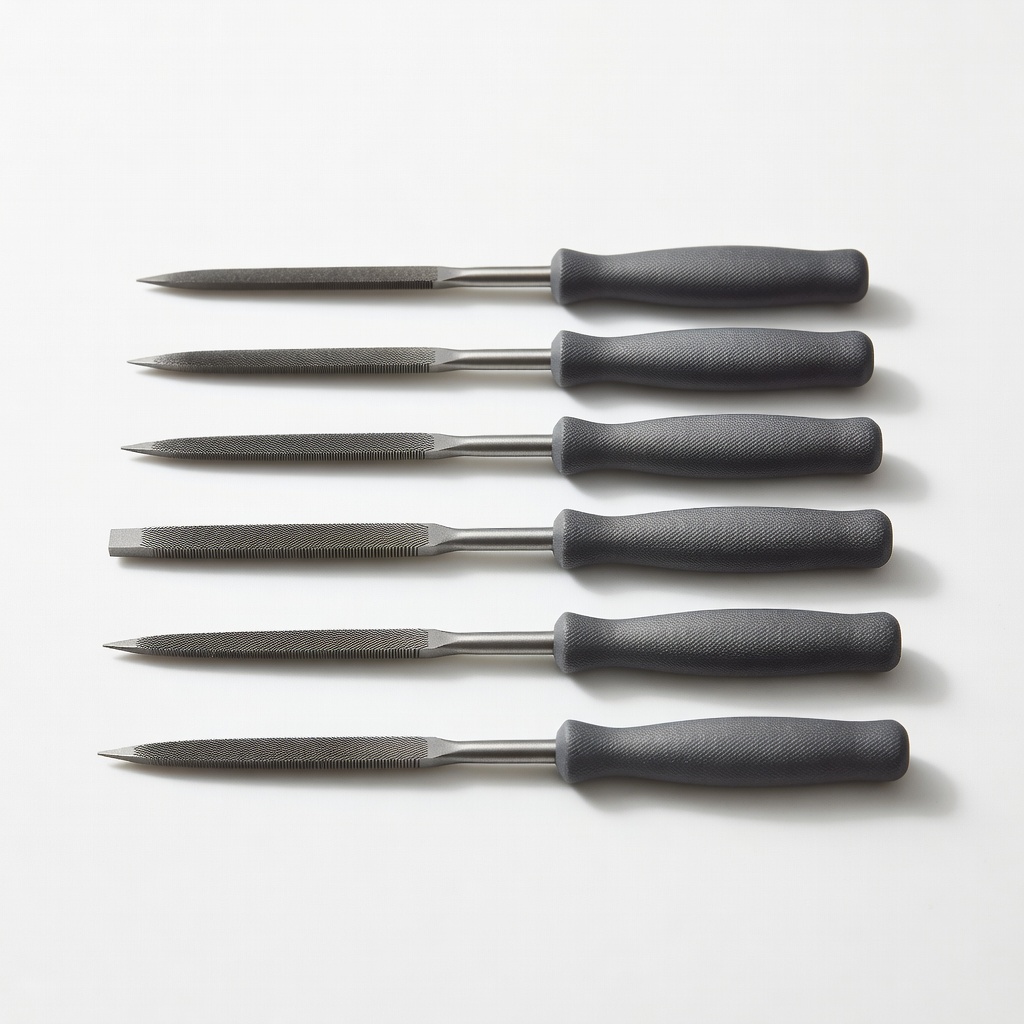
Coarse/fine pitch adjustments; Swiss quality lasts years.
Grobet Needle File Set (6-Pack) Fine cuts (2-6) for precise reed filing without gouging.