
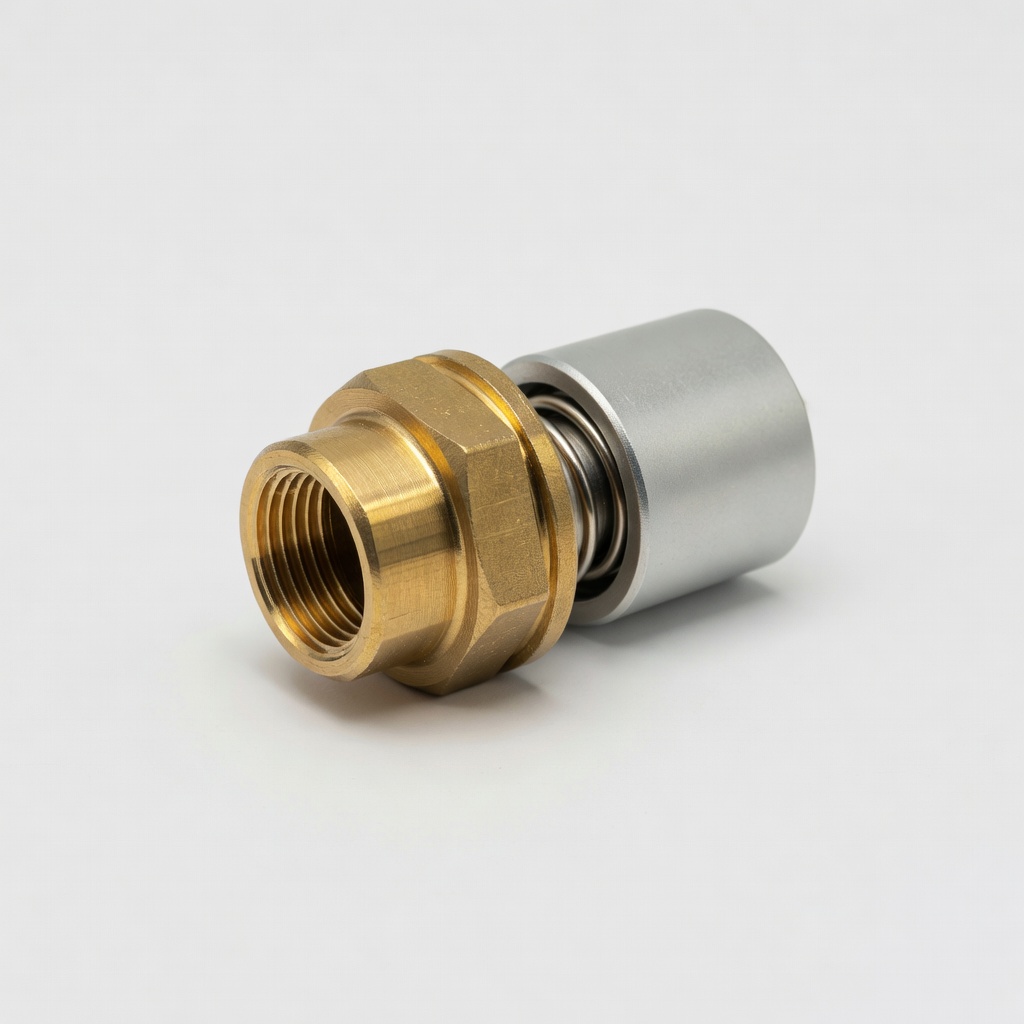
Powerextra Universal Air Compressor Check Valve
When check valve test fails in step 6.
$12.99
Powerextra Universal Air Compressor Check Valve Reliable replacement for most 1/4" NPT compressors; fixes backflow issues quickly.
Get the App
Better experience on mobile
Diagnose and repair common issues with your air compressor step-by-step to get back to work fast without expensive service calls.
Nothing's more frustrating than firing up your air compressor for a job only to find it's not building pressure. This common problem can stem from simple issues like leaks or dirty filters to more involved parts like a faulty check valve. Whether you're a DIYer tackling garage projects or a pro mechanic, troubleshooting saves time and money.
In this guide, you'll learn a systematic approach to identify and fix the root cause. We'll cover safety checks, basic inspections, and part replacements tailored for intermediate users. Expect to spend 30-60 minutes, depending on the issue—most fixes are straightforward with basic tools.
By the end, your compressor will hum reliably, building pressure like new. Let's dive in safely and methodically.
Estimated Time: 30-60 minutes Difficulty: intermediate
Before any troubleshooting, unplug the compressor from power and release all tank pressure. Open the drain valve at the tank bottom and any tool connections until no air escapes.
Why it matters: Pressurized systems can cause serious injury from whipping hoses or flying parts. Success looks like a completely silent, empty tank—no hissing.
Wear safety glasses and gloves throughout.
💡 Tips:
⚠️ Warnings:
Plug in the compressor and flip the power switch. Listen for the motor: Does it hum or spin up?
If no power: Check outlet with another device, inspect cord/plug for damage, and test the breaker. If motor runs but cycles off quickly, proceed. Success: Motor attempts to start.
Use multimeter on cord for continuity if suspect.
💡 Tips:
⚠️ Warnings:
Locate the pressure switch (usually near the gauge). With power off, remove cover and check for burn marks or loose wires. Test continuity across terminals with multimeter (set to ohms).
Why: Faulty switch prevents motor start or cut-out. Clean contacts if dirty. Success: Continuity when switch should be 'on'; replace if open circuit.
💡 Tips:
Pressurize slightly (if possible) or use soapy water on fittings, valves, hoses, and tank seams. Bubbles indicate leaks.
Why it matters: Leaks waste pressure fastest. Tighten fittings or replace seals. Success: No bubbles anywhere.
💡 Tips:
⚠️ Warnings:
Remove air intake filter (often a foam or paper element). Inspect for clogs/dirt. Clean or replace.
Why: Dirty filter restricts airflow, starving pump. Success: Filter passes light freely; reinstall securely.
💡 Tips:
Disconnect air line at check valve (brass fitting near pump). Blow into tank side—air shouldn't pass back. Tap lightly to unstick.
Why: Failed check valve lets pressure escape. Replace if air flows both ways (common failure). Success: One-way flow only.
💡 Tips:
⚠️ Warnings:
With pressure switch cover off, check unloader (small valve on switch). It should release pressure on shutdown. Clean or replace if stuck.
Why: Stuck unloader keeps motor loaded. Success: Hiss on startup release.
For oil models, check sight glass. Top up if low. Listen for knocking.
Why: Low oil seizes pump. Success: Oil at full mark. If worn rings suspected, professional rebuild needed.
💡 Tips:
⚠️ Warnings:
Reconnect all, plug in, and run. Monitor gauge for pressure build (should reach cut-out in 1-5 min).
Success: Steady pressure rise, no leaks, proper cycle.
💡 Tips:
Problem: Motor runs but no pressure gain
Solution: Check valve or leaks—revisit steps 4 & 6.
Problem: Compressor won't start at all
Solution: Pressure switch or capacitor—test with multimeter.
Problem: Pressure builds then drops
Solution: Tank safety valve leaking; replace or tighten.
Problem: Overheats quickly
Solution: Clean cooling fins; check ambient temp under 100°F.
Problem: Still no fix after checks
Solution: Worn piston rings—seek pro rebuild or replace unit.
Reliable replacement for most 1/4" NPT compressors; fixes backflow issues quickly.
Best for: When check valve test fails in step 6.
Price Range: $12.99
Accurate for testing switch continuity and voltage; auto-ranging for ease.
Best for: Electrical diagnostics in steps 2-3.
Price Range: $29.97
Precise 0-160 PSI reading; easy inline install for accurate monitoring.
Best for: Verify pressure build during final test.
Price Range: $14.99
Includes check valve, gaskets, unloader; covers multiple common fixes.
Best for: Full rebuild for older units.
Price Range: $25.99
Non-detergent formula prevents pump wear; SAE 30 viscosity standard.
Best for: Oil-lubricated compressors in step 8.
Price Range: $9.99
When check valve test fails in step 6.
Powerextra Universal Air Compressor Check Valve Reliable replacement for most 1/4" NPT compressors; fixes backflow issues quickly.
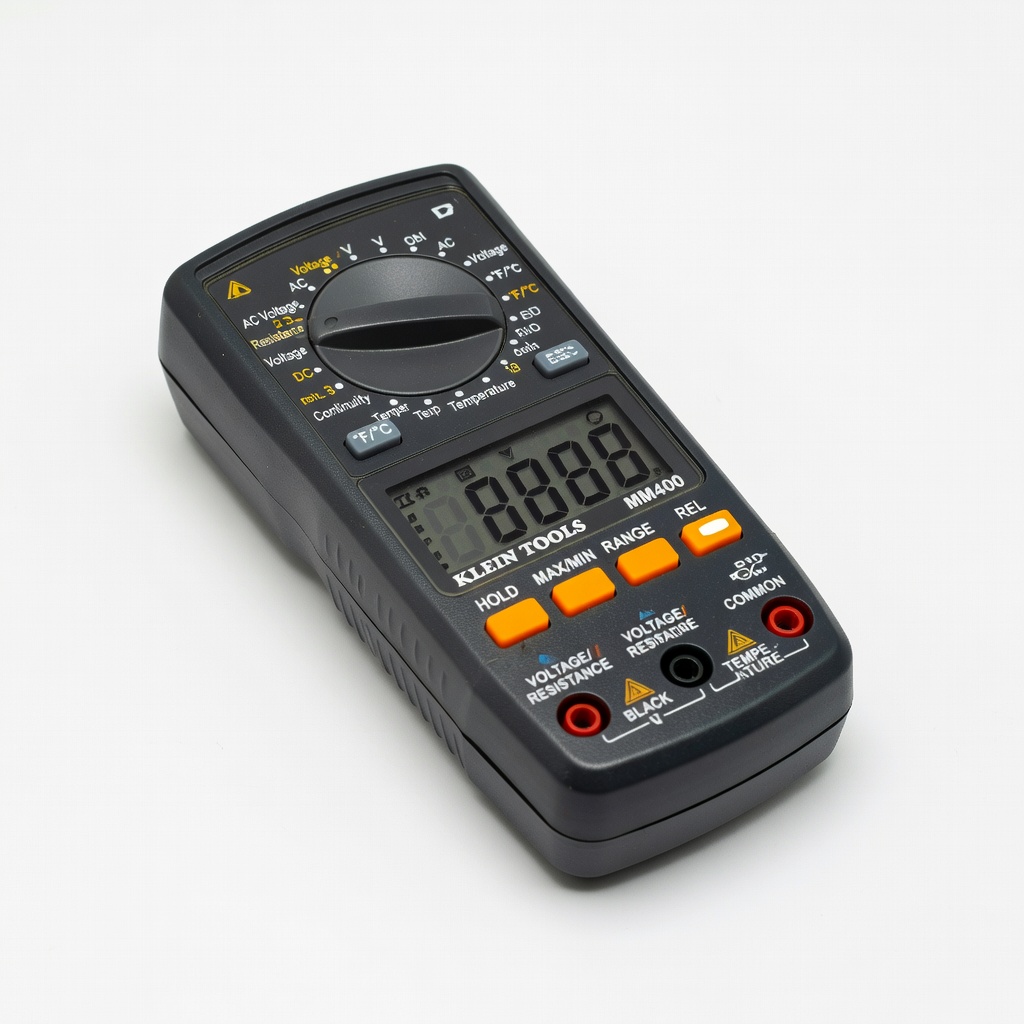
Electrical diagnostics in steps 2-3.
Klein Tools MM400 Digital Multimeter Accurate for testing switch continuity and voltage; auto-ranging for ease.

Verify pressure build during final test.
California Air Tools CAT-1P1060S Pressure Gauge Precise 0-160 PSI reading; easy inline install for accurate monitoring.
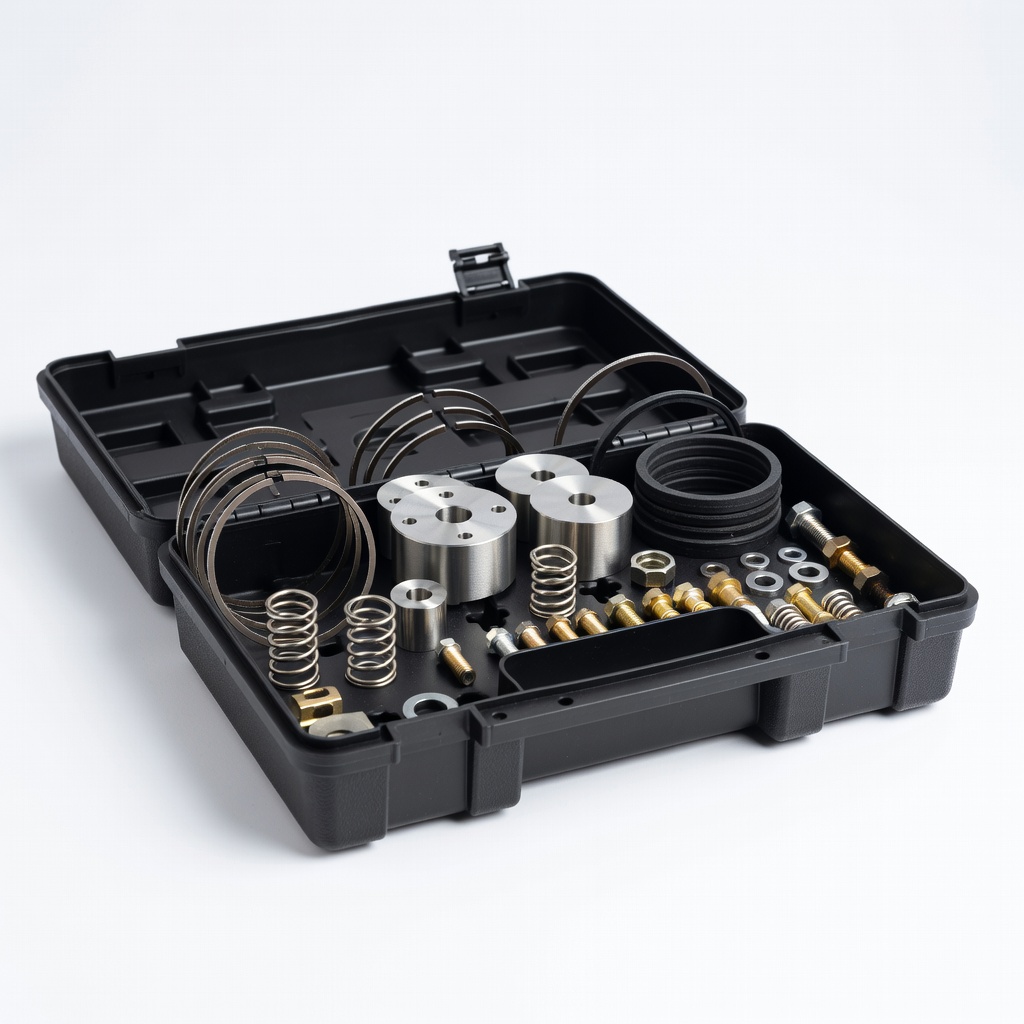
Full rebuild for older units.
VEVOR Air Compressor Repair Kit Includes check valve, gaskets, unloader; covers multiple common fixes.
Oil-lubricated compressors in step 8.
MAPOL Air Compressor Oil Non-detergent formula prevents pump wear; SAE 30 viscosity standard.