
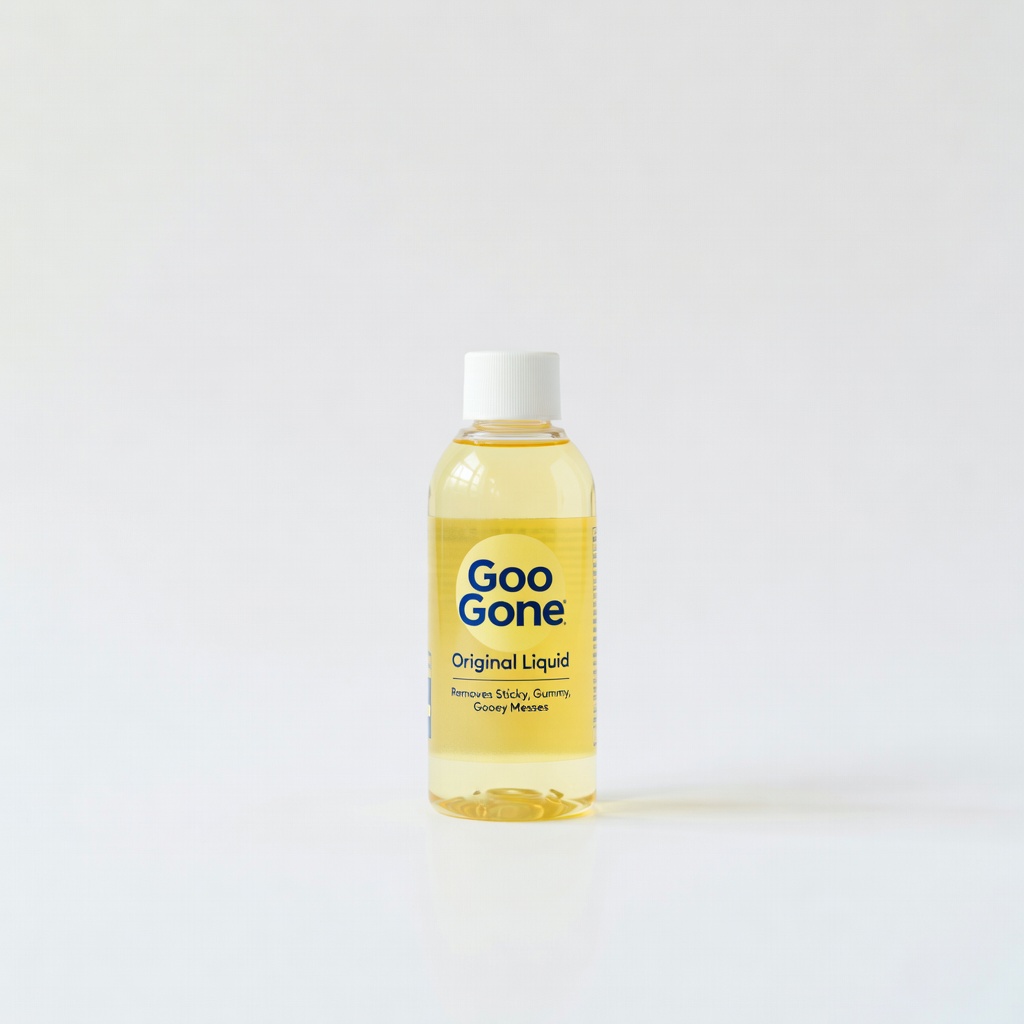
Goo Gone Original Liquid
General stickers/tape on hard plastics like bottles or toys.
$8-10
Goo Gone Original Liquid Citrus-based formula dissolves adhesives fast without harming most plastics when tested.
Get the App
Better experience on mobile
Fix sticky residue issues on plastic surfaces safely with step-by-step troubleshooting to avoid damage and get perfect results.
Sticky labels, tape, or glue on plastic items like containers, toys, or car parts can be frustrating, especially when adhesive removers fail or damage the surface. Whether it's residue that won't budge or a remover that clouds or melts the plastic, these common problems leave you with bigger headaches.
In this guide, you'll learn how to identify why your adhesive remover isn't working on plastic, test safely, and apply proven fixes. We'll cover everything from choosing the right product to alternative methods, so you can remove adhesives cleanly every time.
Expect a quick process—most issues resolve in under 30 minutes. It's beginner-friendly with no special tools needed, just careful steps to protect your plastics.
Estimated Time: 15-30 minutes Difficulty: beginner
Start by examining the plastic surface. Is it hard like a toy or flexible like a phone case? Rub a small area—if it feels brittle or warps easily, it's sensitive. Note the adhesive: sticky label glue is often softer, while tape residue is gum-like.
This matters because not all plastics (e.g., polystyrene vs. polyethylene) react the same to solvents. Success looks like identifying if it's a delicate plastic needing gentle methods.
Why? Wrong assumptions lead to damage; this prevents 80% of issues upfront.
💡 Tips:
⚠️ Warnings:
Dab a tiny amount of your adhesive remover on a hidden spot (like the bottom edge) using a cotton ball. Wait 1-2 minutes, then wipe and check for clouding, discoloration, or stickiness.
If no damage, proceed. If it harms the plastic, switch to a milder option like soapy water or oil. Success: Clean test spot with no surface change.
Pro tip: Always dilute strong removers 50/50 with water for plastics.
💡 Tips:
⚠️ Warnings:
If your current remover failed, opt for citrus-based or gel formulas designed for plastics. Apply sparingly to the residue.
Why it fails: Oil-based adhesives resist water-based removers. Expect the residue to soften within 1 minute.
Success: Residue starts bubbling or loosening without plastic fogging.
💡 Tips:
⚠️ Warnings:
Saturate the residue with remover, cover with plastic wrap if needed, and wait 5-10 minutes (longer for tough spots).
Dwell time breaks adhesive bonds. You'll see it turn gooey. Patience here prevents scrubbing damage.
Why matters: Rushing leaves residue behind, forcing aggressive methods.
💡 Tips:
⚠️ Warnings:
Use a plastic scraper at a 45-degree angle to lift residue, then wipe with microfiber dampened in remover or soap.
Work in sections. Success: Residue lifts cleanly, leaving shiny plastic.
If stubborn, repeat steps 3-4.
💡 Tips:
⚠️ Warnings:
For remover-resistant spots: Rub with vegetable oil or 70-90% rubbing alcohol, let sit 5 mins, then wipe. Or freeze the item 10 mins to harden and pop off.
These troubleshoot solvent incompatibility. Expect 90% success on plastics.
Why? Multi-method approach covers all adhesive types.
💡 Tips:
⚠️ Warnings:
Wash with dish soap and water, dry thoroughly. Buff with a drop of olive oil if hazy.
Removes remover traces that attract dirt. Final plastic looks new.
Success: Smooth, residue-free surface.
💡 Tips:
⚠️ Warnings:
Apply a plastic protectant spray post-cleaning. Store items label-free.
This extends plastic life. Your troubleshooting investment pays off long-term.
💡 Tips:
Problem: Plastic becomes cloudy or sticky after wiping
Solution: Rinse immediately with soap water; use milder alcohol next time. Buff with oil.
Problem: Residue won't budge after 10 minutes
Solution: Reapply fresh remover, cover, wait longer, or switch to oil freeze method.
Problem: Remover evaporates too fast
Solution: Use gel formula or plastic wrap to trap it.
Problem: Fumes too strong or skin irritation
Solution: Ventilate better, wear gloves; dilute remover.
Problem: Damage already done (melted/cloudy)
Solution: Sand lightly if minor; replace if severe—seek pro for valuables.
Citrus-based formula dissolves adhesives fast without harming most plastics when tested.
Best for: General stickers/tape on hard plastics like bottles or toys.
Price Range: $8-10
Gentle, non-toxic spray safe for plastics, fabrics; evaporates cleanly.
Best for: Delicate plastics like electronics or kids' toys.
Price Range: $12-15
Orange oil-based, clings well, effective on tough residues without plastic damage.
Best for: Heavy-duty glue on automotive or storage plastics.
Price Range: $10-13
Industrial-strength yet plastic-safe; removes cured adhesives quickly.
Best for: Professional or repeated use on various plastics.
Price Range: $20-25
Cheap, mild solvent alternative for light residues; evaporates residue-free.
Best for: Quick fixes on smooth plastics as first-line troubleshooter.
Price Range: $15-20
General stickers/tape on hard plastics like bottles or toys.
Goo Gone Original Liquid Citrus-based formula dissolves adhesives fast without harming most plastics when tested.
Delicate plastics like electronics or kids' toys.
Un-Du Adhesive Remover Gentle, non-toxic spray safe for plastics, fabrics; evaporates cleanly.
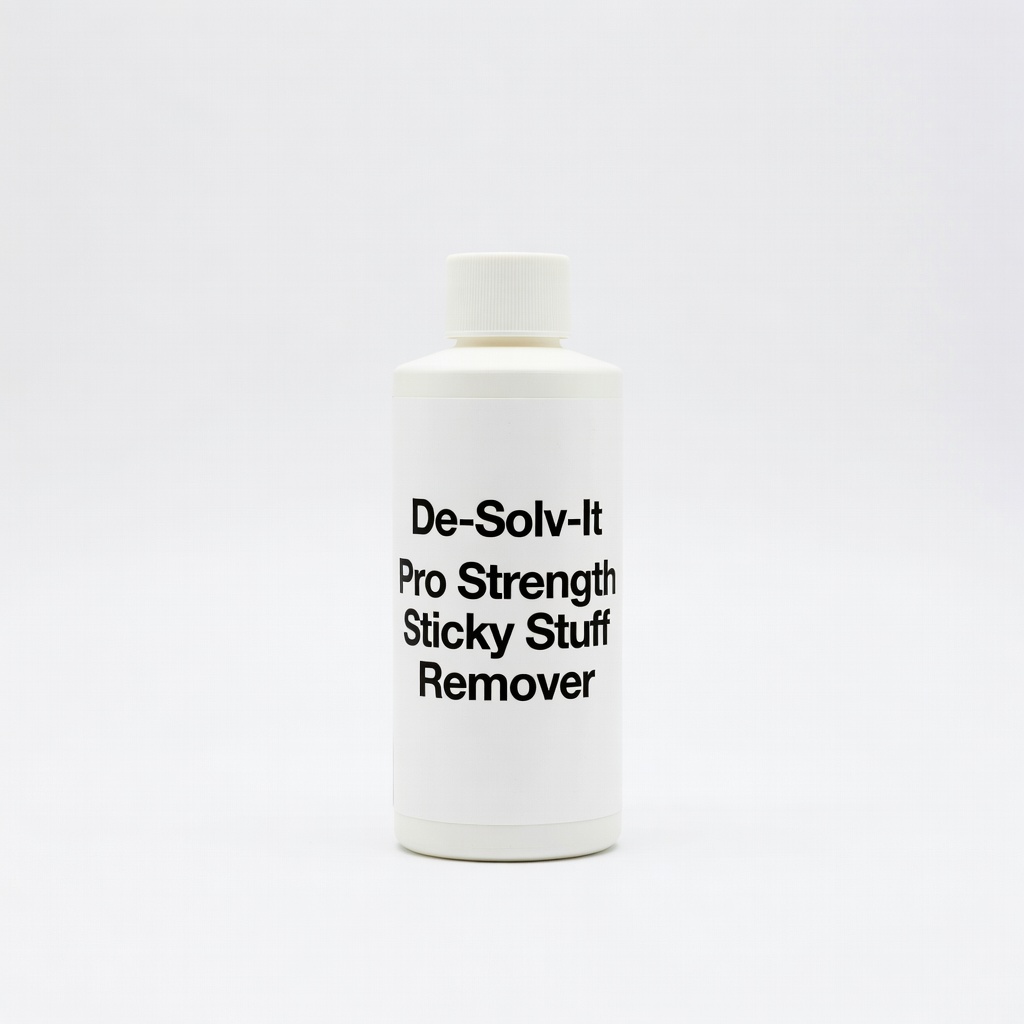
Heavy-duty glue on automotive or storage plastics.
De-Solv-It Pro Strength Sticky Stuff Remover Orange oil-based, clings well, effective on tough residues without plastic damage.
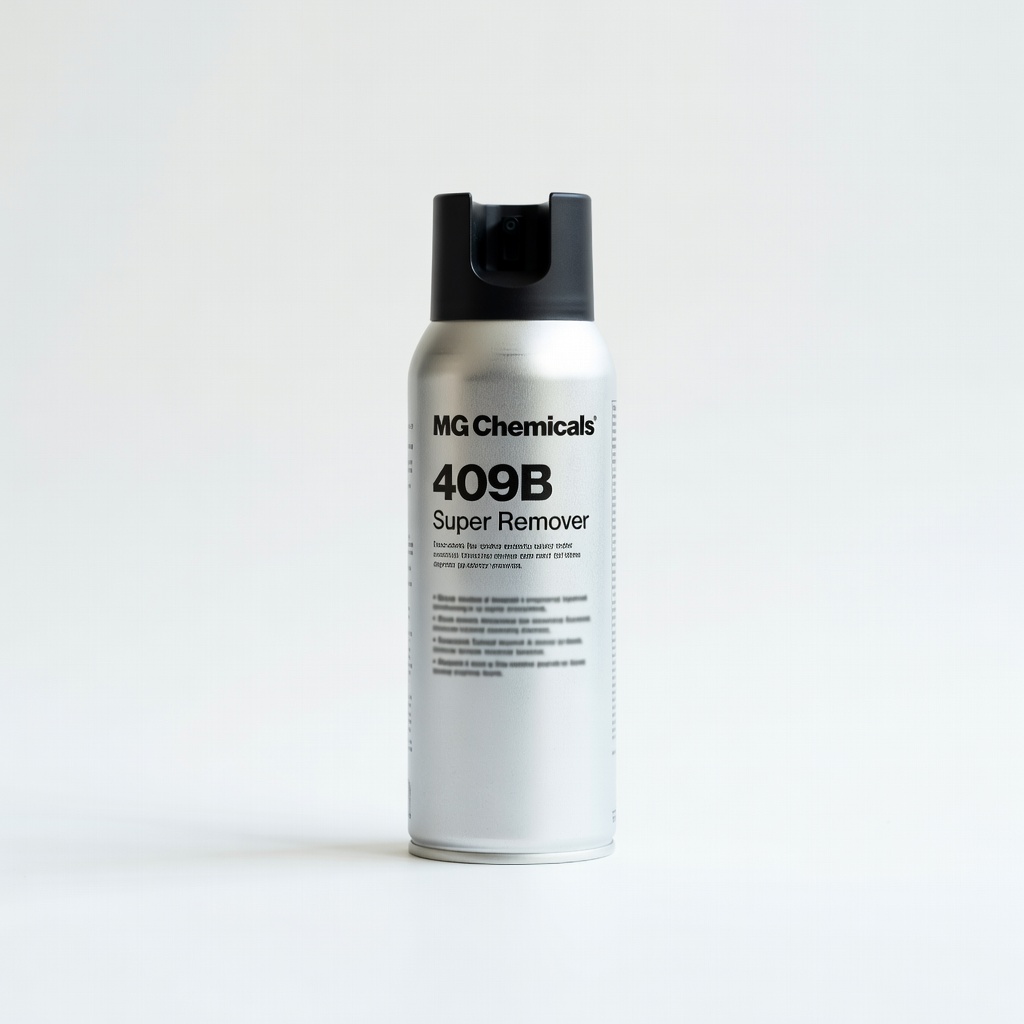
Professional or repeated use on various plastics.
MG Chemicals 409B Super Remover Industrial-strength yet plastic-safe; removes cured adhesives quickly.
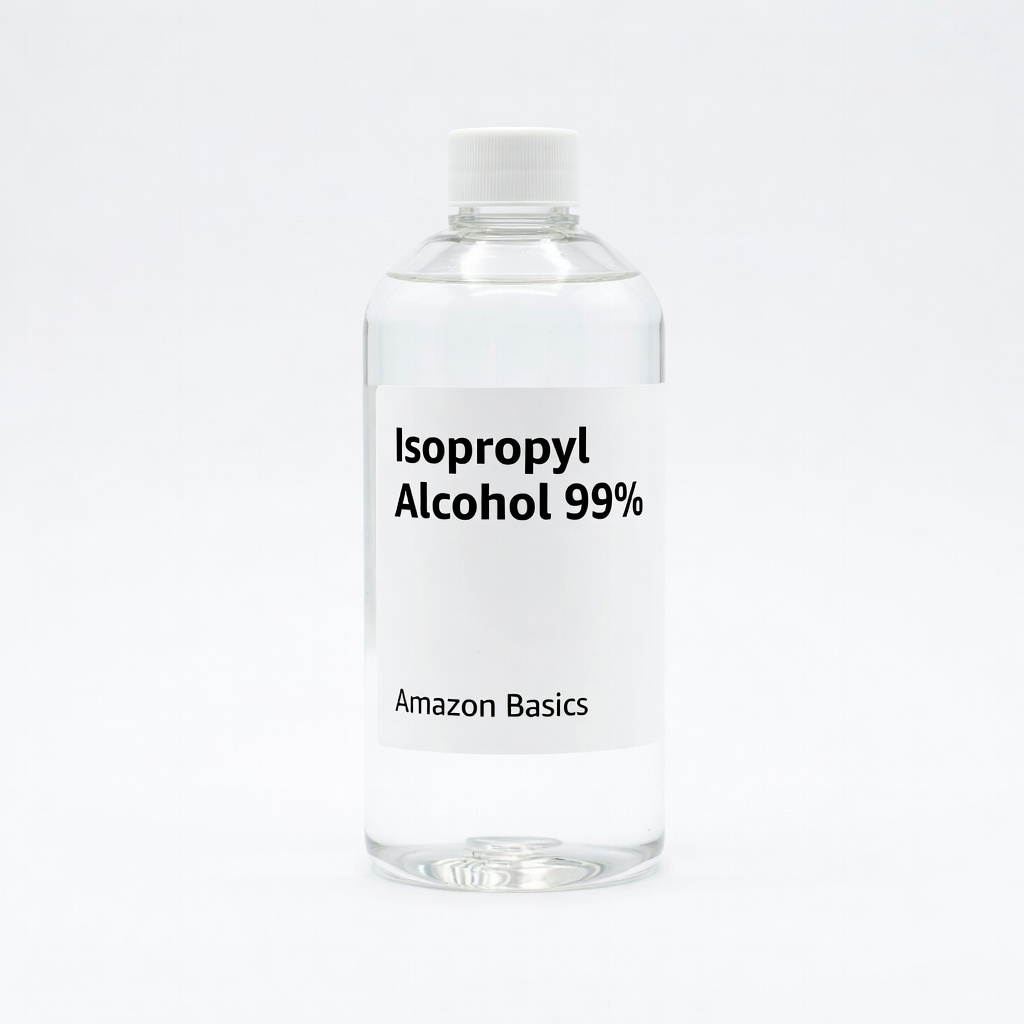
Quick fixes on smooth plastics as first-line troubleshooter.
Isopropyl Alcohol 99% (Amazon Basics) Cheap, mild solvent alternative for light residues; evaporates residue-free.