
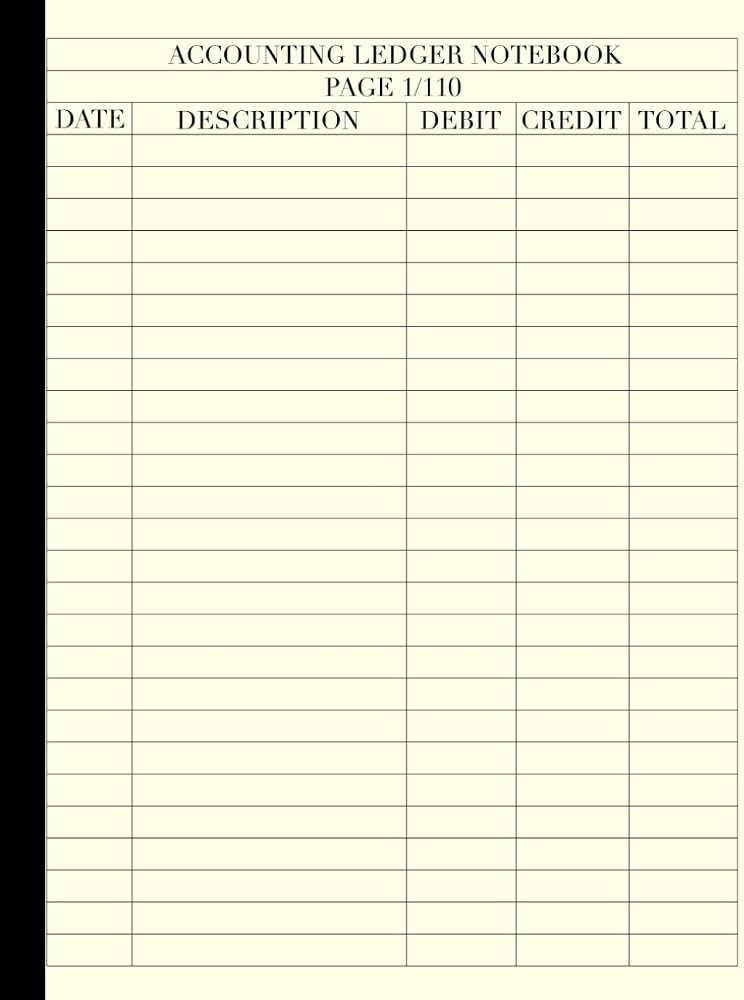
STRATT Accounting Ledger Notebook
Primary book for daily transactions; acid-free paper prevents fading.
$12.99
STRATT Accounting Ledger Notebook Durable, columnar design reduces entry errors with pre-printed lines and ample space.
Get the App
Better experience on mobile
Quickly identify and fix common errors in your account books to ensure accurate financial records without starting over.
Keeping accurate account books is crucial for small business owners, freelancers, or anyone managing finances manually. A single error—like a transposition or omission—can throw off your trial balance, lead to incorrect tax filings, or cause cash flow misjudgments. These mistakes are common even for intermediates, but they're fixable with a systematic approach.
In this guide, you'll learn a step-by-step process to spot, diagnose, and correct errors in physical or simple digital account books and journals. Expect to spend 20-45 minutes per troubleshooting session, depending on the error's complexity. No advanced accounting software needed—just basic tools and patience.
By the end, your books will balance perfectly, saving you hours of rework and building confidence in your records.
Estimated Time: 20-45 minutes Difficulty: intermediate
Start by collecting all relevant items: your account book, source documents like receipts and bank statements, and tools. Focus on the specific accounting period (e.g., monthly ledger) where the imbalance or error is suspected. Mark the start and end dates clearly.
This step prevents scattering your efforts and ensures you have evidence to verify entries. Success looks like a tidy workspace with the problematic pages open and documents sorted chronologically.
💡 Tips:
⚠️ Warnings:
Flip through the pages looking for obvious issues: transposed numbers (e.g., 123 written as 132), decimal misplacements, or blank cells. Check for consistent formatting—dates aligned, debits/credits in right columns.
Why it matters: 40% of errors are visual. Expect to spot 1-2 quick fixes here, like a smudged entry. Circle them in pencil.
💡 Tips:
Debit and credit columns separately. Use your calculator to re-add each column from top to bottom. Compare your sum to the book's total. Note any variance.
This catches addition/subtraction slips. Success: Matching totals or a small discrepancy pointing to one entry. If off by $9 multiples, suspect transposition (rule of 9).
⚠️ Warnings:
List all account balances in a trial balance sheet (debit left, credit right). Total debits should equal credits. If not, note the difference.
Why: Reveals posting errors or omissions. Divide difference by 2 for potential double-posting clues. Expect balance or a lead to the next step.
💡 Tips:
For each suspect entry, match it to the original receipt/invoice. Verify amounts, dates, and accounts (e.g., was expense posted to wrong ledger?). Cross out mismatches.
This confirms if it's a recording or math error. Success: Pinpointed root cause, like omitted invoice.
⚠️ Warnings:
Erase or use correction tape for changes. For larger fixes, draw a line through the error, note 'error' and correct amount above, initial/date it. Never obliterate originals.
Why: Maintains audit trail. Post-correction, ref足 columns and trial balance.
💡 Tips:
Re-foot everything, rerun trial balance, and cross-check with bank statement totals. If books now balance, document the error type in a 'suspense' note.
Final success: Perfect balance across all checks. Celebrate—your books are accurate!
💡 Tips:
Problem: Books off by even amount (e.g., $20)
Solution: Likely decimal slide or double-posting; divide difference by 2 and scan for that amount.
Problem: Persistent imbalance after fixes
Solution: Omission of full transaction; review all source docs chronologically.
Problem: Can't find transposition
Solution: List all digits vertically and compare neighbor columns.
Problem: Trial balance won't zero
Solution: Check date order—out-of-sequence postings skew. Resort if needed.
Durable, columnar design reduces entry errors with pre-printed lines and ample space.
Best for: Primary book for daily transactions; acid-free paper prevents fading.
Price Range: $12.99
Precise 10-digit display and memory functions for accurate footing without rounding errors.
Best for: Recalculating large columns quickly during troubleshooting.
Price Range: $12.99
Mess-free, instant-dry tape for professional corrections without smudges.
Best for: Fixing ink errors on ledger pages while maintaining neatness.
Price Range: $4.99
Non-abrasive, leaves no residue on paper—ideal for pencil trial marks.
Best for: Temporary fixes before finalizing corrections.
Price Range: $1.11
Clear, see-through for precise column alignment and error spotting.
Best for: Scanning long ledgers without losing place.
Price Range: $2.99
Primary book for daily transactions; acid-free paper prevents fading.
STRATT Accounting Ledger Notebook Durable, columnar design reduces entry errors with pre-printed lines and ample space.
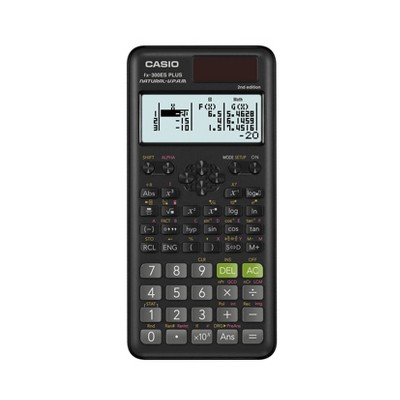
Recalculating large columns quickly during troubleshooting.
Casio fx-300ES Plus 2 Scientific Calculator Precise 10-digit display and memory functions for accurate footing without rounding errors.

Fixing ink errors on ledger pages while maintaining neatness.
BIC Wite-Out Correction Tape Mess-free, instant-dry tape for professional corrections without smudges.

Temporary fixes before finalizing corrections.
Staedtler Mars Plastic Eraser Non-abrasive, leaves no residue on paper—ideal for pencil trial marks.
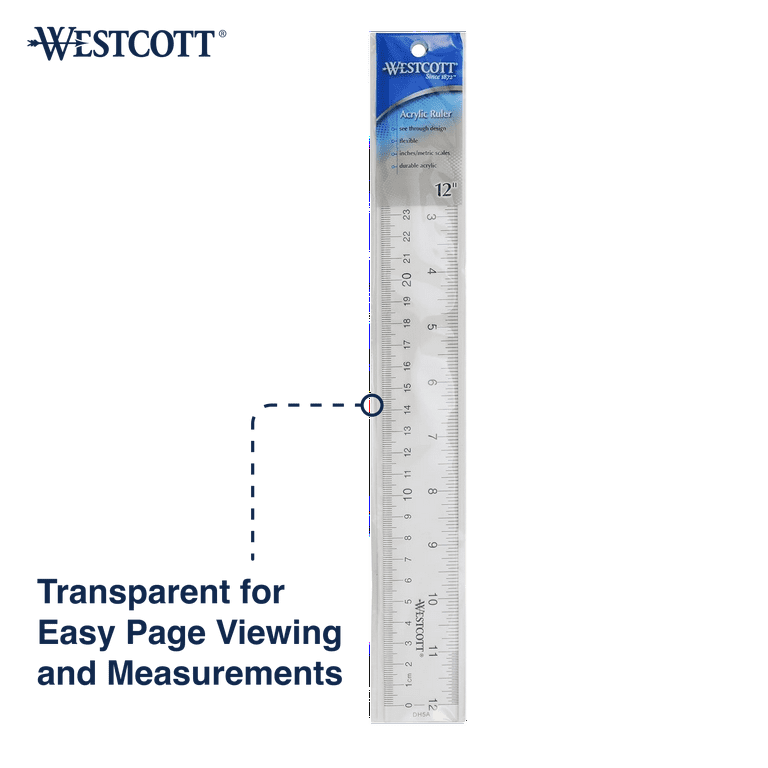
Scanning long ledgers without losing place.
Westcott Acrylic Ruler, 12-Inch Clear, see-through for precise column alignment and error spotting.