Bringing home a new puppy is exciting, but dealing with whining, accidents, or destructive behavior can quickly turn that joy into frustration. Crate training offers a safe, effective solution by mimicking a den-like space where puppies naturally feel secure, helping with housebreaking, preventing chewing, and easing separation anxiety. Many new owners struggle without guidance, leading to inconsistent results or stress for both pet and owner.
In this guide, you'll learn a gentle, positive reinforcement approach to crate training your puppy from day one. We'll cover everything from selecting the right crate to overcoming common hurdles, ensuring a smooth process. Expect to invest time daily—typically 10-15 minutes per session over 2-4 weeks—but the payoff is a confident, well-adjusted pup who views the crate as a cozy retreat.
This beginner-friendly method focuses on patience and rewards, avoiding force that could create fear. By the end, your puppy will enter the crate willingly, sleep through the night, and use it happily during your absences.
▸What You'll Need
- •A properly sized wire or plastic dog crate (required; should allow puppy to stand, turn, and lie down comfortably)
- •High-value treats like small pieces of chicken or commercial puppy treats (required for positive reinforcement)
- •Comfortable bedding or a blanket (required to make it cozy)
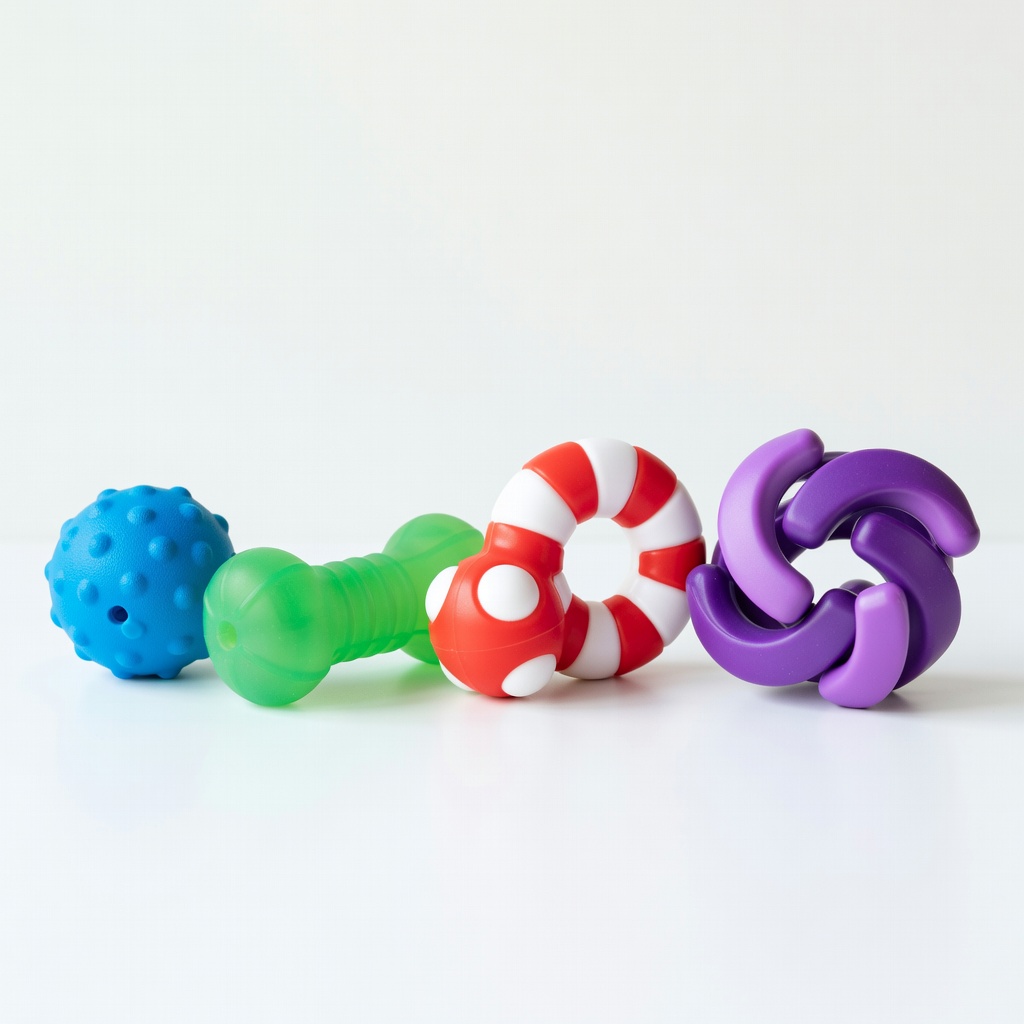
- •Interactive toys, such as a stuffed Kong (optional but recommended for longer sessions)
- •A clicker or marker word like 'yes' (optional for precise training)
- •Timer or clock for gradual increases in crate time (required for tracking progress)
Estimated Time: 2-4 weeks with 10-15 minute sessions daily; full comfort may take up to 6 weeks
Difficulty: beginner
▸Step-by-Step Instructions
Step 1: Choose the Right Crate
Start by selecting a crate that's appropriately sized for your puppy's current and adult size. The crate should be large enough for your pup to stand up, turn around, and lie down comfortably, but not so big that they can use one end as a bathroom. For growing breeds, use a divider to section off extra space initially.
Why this matters: A properly fitted crate promotes a sense of security and prevents soiling, which is key to successful housebreaking. Expect your puppy to be curious but possibly hesitant at first—don't force them in yet.
Place the crate in a family area like the living room for easy access and to reduce isolation feelings.
💡 Tips:
- •Measure your puppy and research breed growth charts for accurate sizing.
- •Opt for crates with a removable tray for easy cleaning.
⚠️ Warnings:
- •Avoid crates that are too small, as they can cause discomfort or injury.
Step 2: Introduce the Crate Positively
Set up the crate with soft bedding and leave the door open. Encourage your puppy to explore by placing treats or toys just inside the entrance. Praise and reward any voluntary interest with a cheerful 'good puppy!' and a treat.
This step builds positive associations from the start. Why it matters: Puppies learn through association, so making the crate fun prevents fear. Success looks like your pup poking their head in willingly within the first few days—sessions should be short, 5 minutes max, several times a day.
If they're uninterested, toss treats inside sporadically to lure them without pressure.
💡 Tips:
- •Use high-value treats to spark interest quickly.
- •Keep sessions playful to mimic natural exploration.
⚠️ Warnings:
- •Never push or lock them in during this phase; it can create aversion.
Step 3: Feed Meals in the Crate
Begin feeding your puppy's meals inside the crate. Start with the bowl just inside the door, closing it only while they eat, then open it immediately after. Gradually move the bowl deeper as they get comfortable.
Why this matters: Eating is a positive routine that links the crate with good things, reducing stress. Expect progress in 3-5 days: your pup should enter eagerly for food without hesitation.
Do this for every meal to reinforce the habit, keeping the door closed for a few seconds longer each time post-meal.
💡 Tips:
- •Scatter kibble on the floor inside for added fun and foraging instinct.
- •Pair with verbal praise to strengthen the bond.
⚠️ Warnings:
- •If they whine after eating, wait for a quiet moment before letting them out to avoid rewarding fussing.
Step 4: Practice Short Stays with the Door Closed
Once meals go smoothly, lure your puppy into the crate with a treat, close the door, and stay nearby for 1-5 minutes. Reward calm behavior and release with praise. Gradually increase time to 10-15 minutes over a week.
This builds tolerance for confinement. Why it matters: It teaches self-soothing and prevents separation issues. Success: Quiet stays without pawing or barking; if they fuss, shorten the time and build up slowly.
Practice 3-4 times daily, always ending on a positive note.
💡 Tips:
- •Use a toy stuffed with peanut butter to keep them occupied.
- •Stay in sight to reassure them during early sessions.
⚠️ Warnings:
- •Don't let them out while crying, as it reinforces the behavior.
Step 5: Extend Crate Time and Add Distance
After short stays, leave the room for brief periods (start with 1 minute) while crated. Return quietly, praise if calm, and gradually extend to 30 minutes. Use this during naps or when you're home but busy.
Why it matters: This simulates real absences, building independence. Expect some whining initially, but consistent calm sessions mean progress—aim for overnight crating by week 2.
Cover the crate partially with a blanket at night for a den-like feel, ensuring ventilation.
💡 Tips:
- •Incorporate crate time into your schedule, like during TV watching.
- •Record sessions to monitor improvement objectively.
⚠️ Warnings:
- •Avoid using the crate as punishment; it undermines trust.
Step 6: Overnight Crate Training
Move the crate to your bedroom for the first nights. Put your puppy in before bedtime, and take them out first thing in the morning for potty breaks. If whining occurs, only respond if it's for elimination—otherwise, ignore to teach settling.
This step ensures safety and comfort overnight. Why it matters: Puppies need frequent breaks (every 4-6 hours), and proximity reduces anxiety. Success: Sleeping through the night without distress by week 3-4.
Gradually transition the crate to its permanent spot as they adjust.
💡 Tips:
- •Tire them out with play before bedtime to promote sleep.
- •Use a heartbeat toy for extra comfort if needed.
⚠️ Warnings:
- •Never leave a young puppy crated overnight without breaks; they can't hold it long.
Step 7: Incorporate Crate for Daily Absences
Once comfortable overnight, use the crate for short outings (under 2 hours initially). Provide water if needed and return to a calm release. Build up to longer periods as your puppy matures.
Why it matters: This prepares for workdays or errands, preventing destructive behavior. Success: Happy returns with no signs of distress, like soiling or excessive barking.
Monitor for stress and adjust pace—full independence varies by breed and age.
💡 Tips:
- •Start with errands where you return sooner than planned for positive surprises.
- •Combine with potty training for best results.
⚠️ Warnings:
- •Puppies under 6 months shouldn't be crated over 4 hours daytime.
▸Pro Tips
- •Always use positive reinforcement—treats and praise work wonders for motivation.
- •Keep a consistent schedule to build routine and predictability for your puppy.
- •Make the crate a 'happy place' by associating it only with good experiences.
- •Exercise your puppy before crate sessions to reduce pent-up energy and whining.
- •Track progress in a journal to stay motivated and spot patterns.
- •Involve family members in training for uniform responses.
- •Use calming music or white noise near the crate during early nights.
▸Common Mistakes to Avoid
- •Rushing the process: Forcing long crate times too soon leads to fear; avoid by starting small and building gradually.
- •Using the crate as punishment: This creates negative associations; always keep it positive to maintain trust.
- •Wrong size crate: Too big allows accidents, too small causes discomfort; measure carefully and use dividers.
- •Inconsistent reinforcement: Sporadic treats weaken learning; reward every calm moment initially.
- •Ignoring nighttime needs: Not taking pups out promptly causes soiling; set alarms for breaks.
▸Troubleshooting
Problem: Puppy whines or barks excessively in the crate
Solution: Ensure needs are met (potty, water), then ignore until quiet for 5 seconds before releasing. If persistent, shorten sessions and rebuild desensitization. Consult a vet to rule out medical issues.
Problem: Puppy soils the crate
Solution: Check size and clean thoroughly with enzymatic cleaner. Increase potty breaks and avoid feeding right before crating. If ongoing, seek a trainer for separation anxiety.
Problem: Fear or avoidance of the crate
Solution: Go back to basics: Open-door exploration with extra treats. Remove any negative events tied to it. Professional help if trauma is suspected.
Problem: Destructive chewing on crate parts
Solution: Provide chew toys inside and ensure the crate is secure. Redirect energy with more exercise. Upgrade to a heavier-duty model if needed.
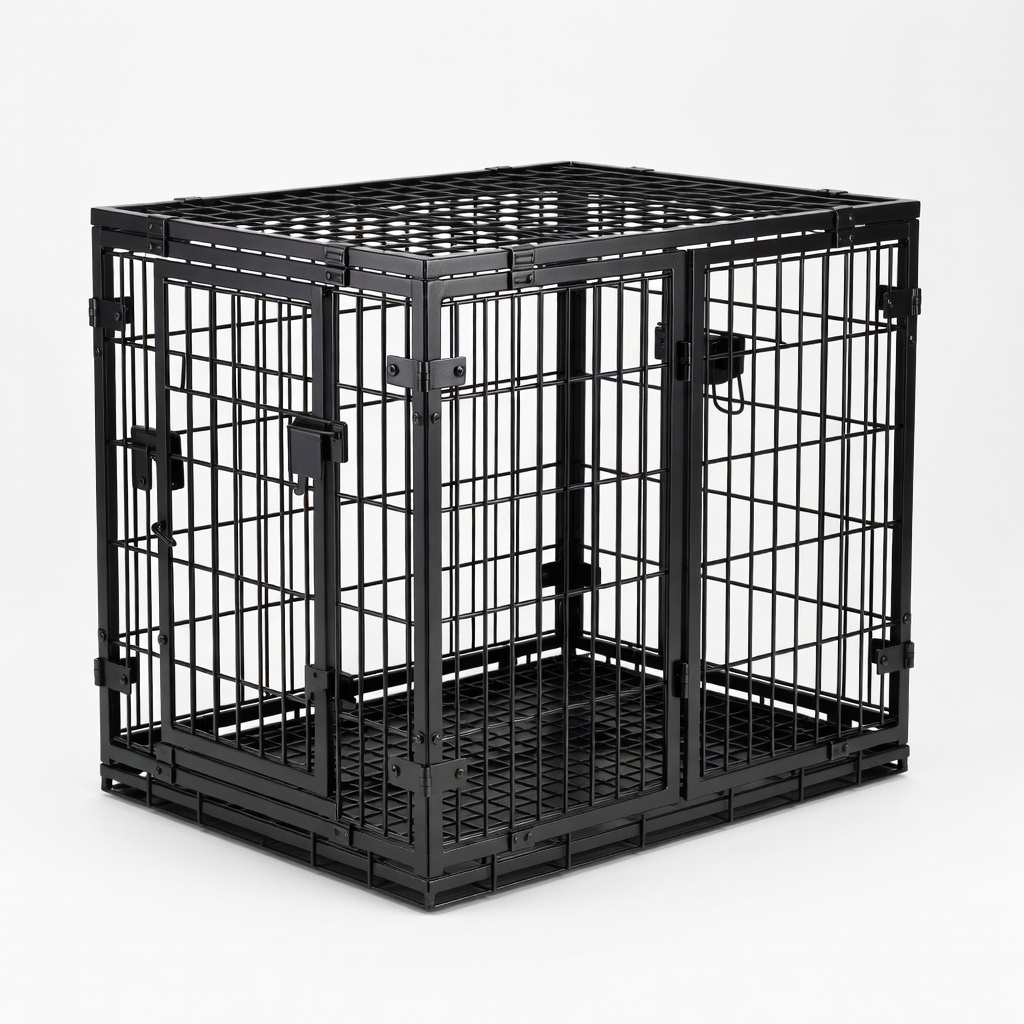
MidWest iCrate Double Door Folding Crate
This crate is durable, easy to assemble, and includes a divider for growing puppies, making it ideal for beginners starting crate training.
Best for: Use for daily training sessions and overnight stays to provide a secure, expandable space.
Price Range: $30-$50
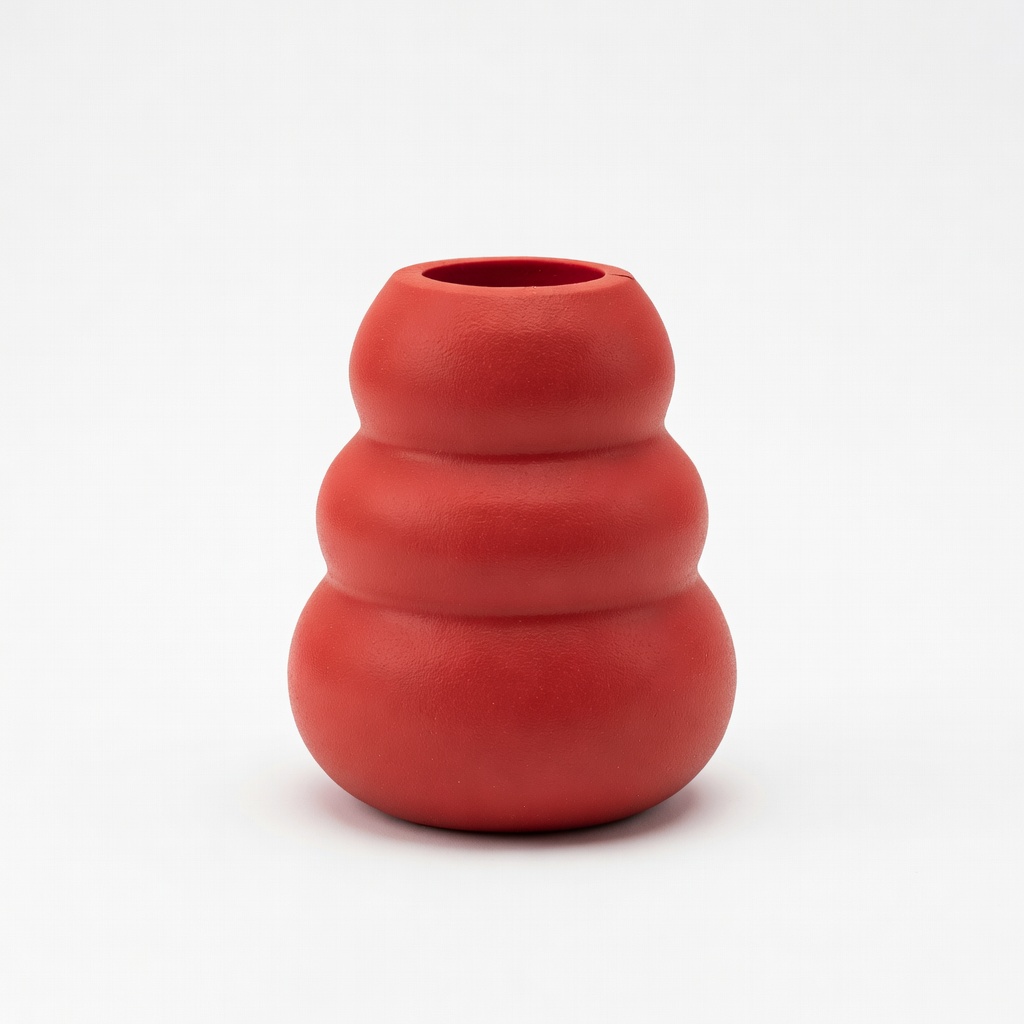
Kong Classic Dog Toy
Stuffable with treats or peanut butter, it keeps puppies occupied and creates positive crate associations through play.
Best for: Place inside the crate during stays to prevent boredom and promote calm behavior.
Price Range: $8-$12
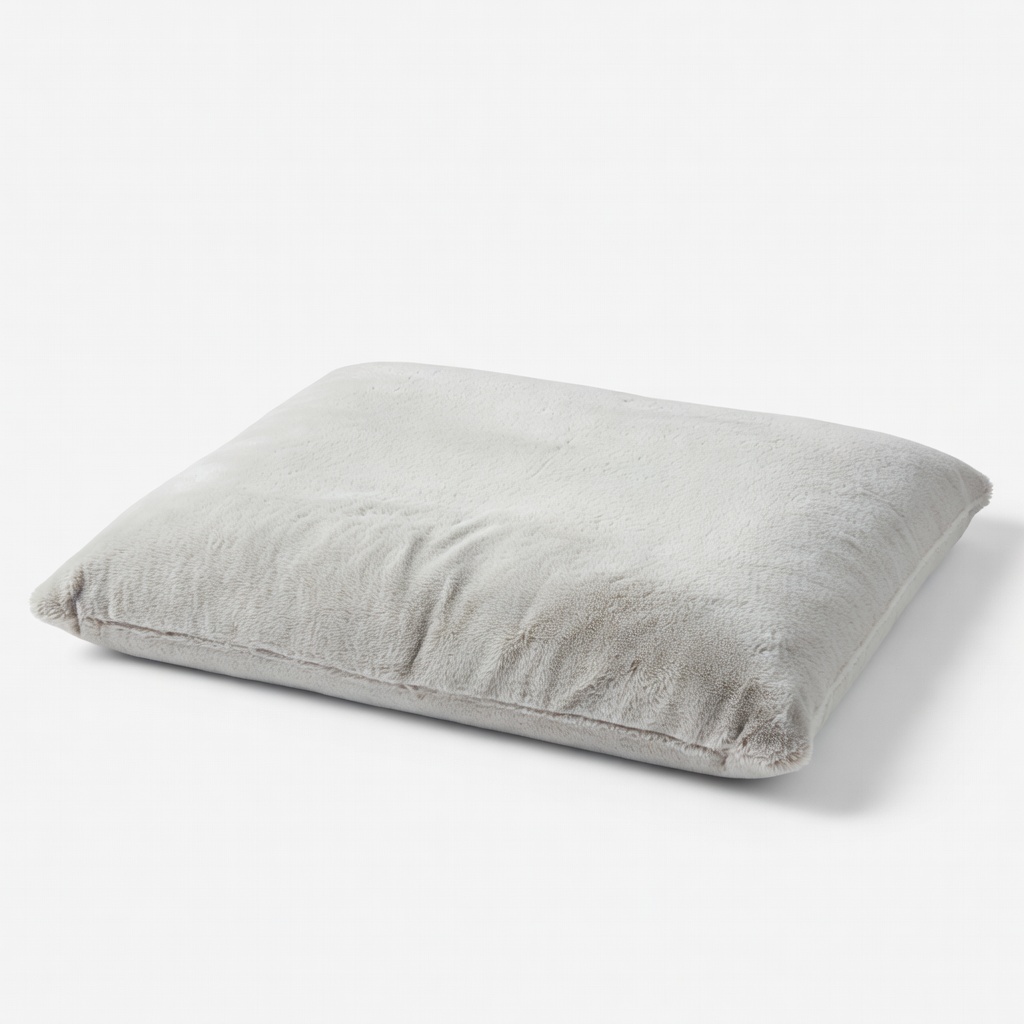
Frisco Plush Dog Crate Mat
Soft and washable, this bedding adds comfort to make the crate feel like a cozy den, speeding up acceptance.
Best for: Line the crate bottom for all sessions to enhance security and reduce anxiety.
Price Range: $15-$25
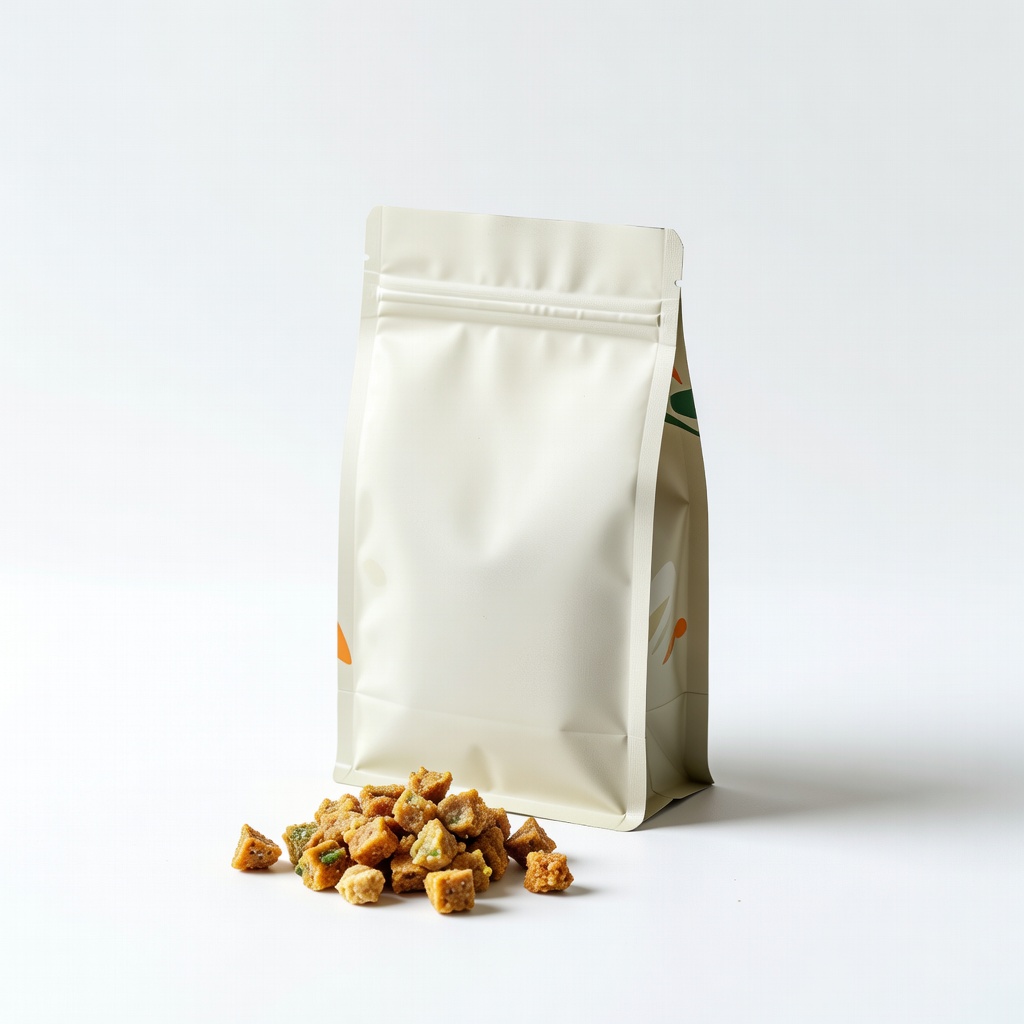
Zesty Paws Puppy Training Treats
Small, soft, and highly palatable, these treats are perfect for frequent rewards without filling up your pup.
Best for: Use during introduction and stay exercises to reinforce positive entry and calm time.
Price Range: $10-$15
PetSafe Busy Buddy Toys
These durable toys dispense treats slowly, extending engagement time in the crate for longer absences.
Best for: Ideal for intermediate training when leaving the room or house briefly.
Price Range: $10-$20