Struggling to figure out where your money goes each month? You're not alone—many beginners overspend without realizing it because they don't track expenses. Manual tracking with account books provides a tangible, distraction-free way to monitor spending, build better habits, and achieve financial clarity without apps or software.
In this beginner-friendly guide, you'll learn step-by-step how to set up an account book, record daily expenses, categorize spending, and review your progress. By the end, you'll have a functional system that takes just 5-10 minutes daily and reveals spending patterns for smarter budgeting.
Expect 20-30 minutes for initial setup and ongoing ease—perfect for anyone new to personal finance. No prior experience needed!
▸What You'll Need
- •Account book or ledger notebook (required; columnar style recommended for columns)
- •High-quality pen (required; gel or ballpoint for smudge-free writing)
- •Ruler or straight edge (optional; for neat lines and tables)
- •Calculator (optional; for quick totals)
- •Quiet workspace (required)
Estimated Time: 20-30 minutes setup + 5-10 minutes daily
Difficulty: beginner
▸Step-by-Step Instructions
Step 1: Choose the Right Account Book
Start by selecting a dedicated account book or ledger. Look for one with pre-ruled columns (e.g., 5-12 columns per page) designed for accounting. These make categorization easy without drawing lines yourself.
Why it matters: A good book ensures legibility and durability, preventing frustration from tearing pages or faded ink. Expect pages numbered for easy reference and hard covers for longevity.
Open the book and flip through to confirm ample pages (at least 100 sheets) for months of use.
💡 Tips:
- •Opt for acid-free paper to prevent ink bleed over time.
- •Choose size: A5 for portability, A4 for detail.
⚠️ Warnings:
- •Avoid plain notebooks—they lack structure and lead to messy entries.
Step 2: Gather and Prepare Supplies
Assemble your pen, ruler (if using), and calculator in a dedicated spot. Test the pen on scrap paper to ensure smooth flow—no skips or smudges.
This step sets a professional tone, making tracking feel like a routine habit rather than a chore. You'll know success when everything is within arm's reach.
💡 Tips:
- •Use black or blue ink for formality; color-code categories if creative.
Step 3: Set Up the Book's Index and Cover Page
On the first page, write 'Expense Tracker' and today's date. Create an index page listing months (e.g., 'January: Page 5').
Why? This organizes navigation, so you can jump to summaries quickly. Success: A clean title page with 12 month tabs planned.
Use ruler for straight lines.
💡 Tips:
- •Number all pages sequentially as you go.
⚠️ Warnings:
- •Don't skip—losing track of pages causes chaos later.
Step 4: Define Your Expense Categories
List 8-12 common categories like Groceries, Rent, Utilities, Dining Out, Transport, Entertainment. Write them across the top of your first data page using columns.
Tailor to your life—track what you spend most on. This step buckets spending for analysis. Expect a header row ready for entries.
Example columns: Date | Description | Category | Amount | Notes.
💡 Tips:
- •Start broad, refine later based on patterns.
Step 5: Make Your First Daily Entry
Note today's date, then list any expense: e.g., 'Coffee - Dining Out - $4.50'. Enter amount in its column.
Practice builds habit. Why? Immediate logging prevents forgetting. Success: One neat row filled.
Do this evening for accuracy.
💡 Tips:
- •Receipts? Staple or note details.
⚠️ Warnings:
- •Estimate only if unsure—better than nothing, correct later.
Step 6: Record All Daily Expenses Consistently
End each day: Review wallet/receipts, log everything chronologically. Subtotal category columns weekly.
Consistency reveals leaks like impulse buys. Expect full pages per week.
Use running totals per page.
💡 Tips:
- •Set phone reminder for 8 PM review.
⚠️ Warnings:
- •Never skip days—backfill from memory ASAP.
Step 7: Calculate Monthly Totals and Review
Month-end: Sum each category, note grand total. Compare to income/budget.
Analysis: Spot high-spend areas (e.g., dining >20%). Success: Insights like 'Cut entertainment by 30%'. Carry forward to next month.
💡 Tips:
- •Graph totals visually on blank page.
Step 8: Maintain and Archive Your Book
File old months; start new book yearly. Cross-check with bank statements quarterly.
Long-term: Builds wealth awareness. Success: Growing library of financial history.
💡 Tips:
- •Digitize summaries in spreadsheet for backup.
⚠️ Warnings:
- •Protect from spills—use protective sleeve.
▸Pro Tips
- •Log expenses same day to avoid memory gaps.
- •Use shorthand descriptions for speed (e.g., 'Gas $45' vs full sentence).
- •Color pens for categories to visualize spending at a glance.
- •Weekly 5-min review prevents month-end overwhelm.
- •Track income too for net worth calculation.
- •Reward consistency, like coffee after perfect week.
- •Customize categories quarterly based on life changes.
▸Common Mistakes to Avoid
- •Using too many categories—overcomplicates; limit to 10 max.
- •Inconsistent timing—leads to forgotten small spends; always evening routine.
- •Poor handwriting—unreadable later; practice neatness or print.
- •No reviews—tracking without analysis wastes time; schedule monthly.
- •Skipping subtotals—hard to spot trends; calculate weekly.
▸Troubleshooting
Problem: Forgotten expenses piling up
Solution: Check bank app daily and backfill with approximations; set reminders.
Problem: Book pages tearing or ink smudging
Solution: Switch to thicker paper book and gel pens; use bookmarks instead of dog-ears.
Problem: Categories don't fit lifestyle
Solution: Review after 1 month, merge or add 2-3; pencil first if unsure.
Problem: Totals don't match bank statement
Solution: Reconcile differences—exclude non-expenses like transfers; note variances.
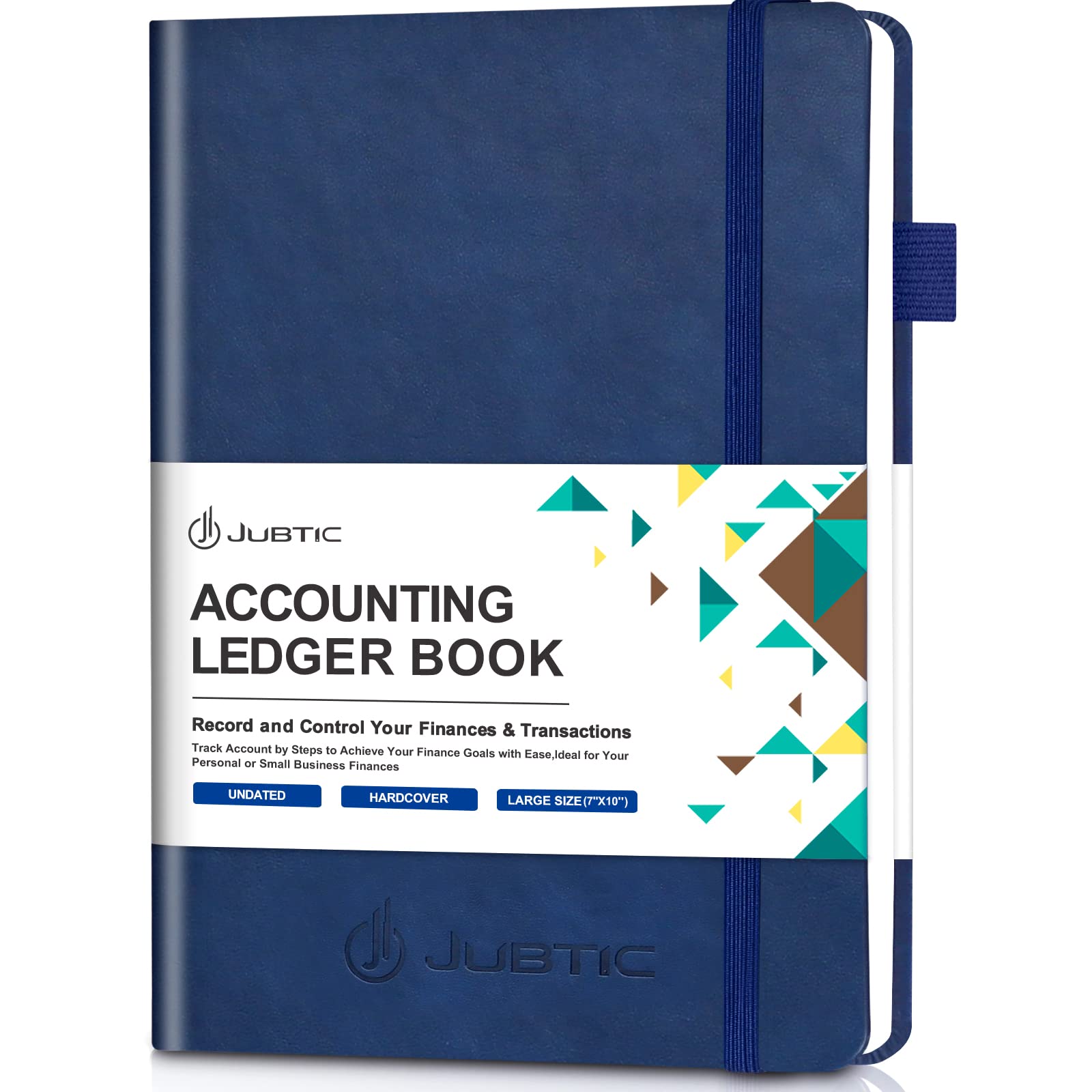
HFY Accounting Ledger Notebook (Blue Cover)
Pre-ruled 11 columns perfect for beginners; durable hardcover lasts years.
Best for: Daily expense logging with space for date, description, multiple categories, and notes.
Price Range: $12.99
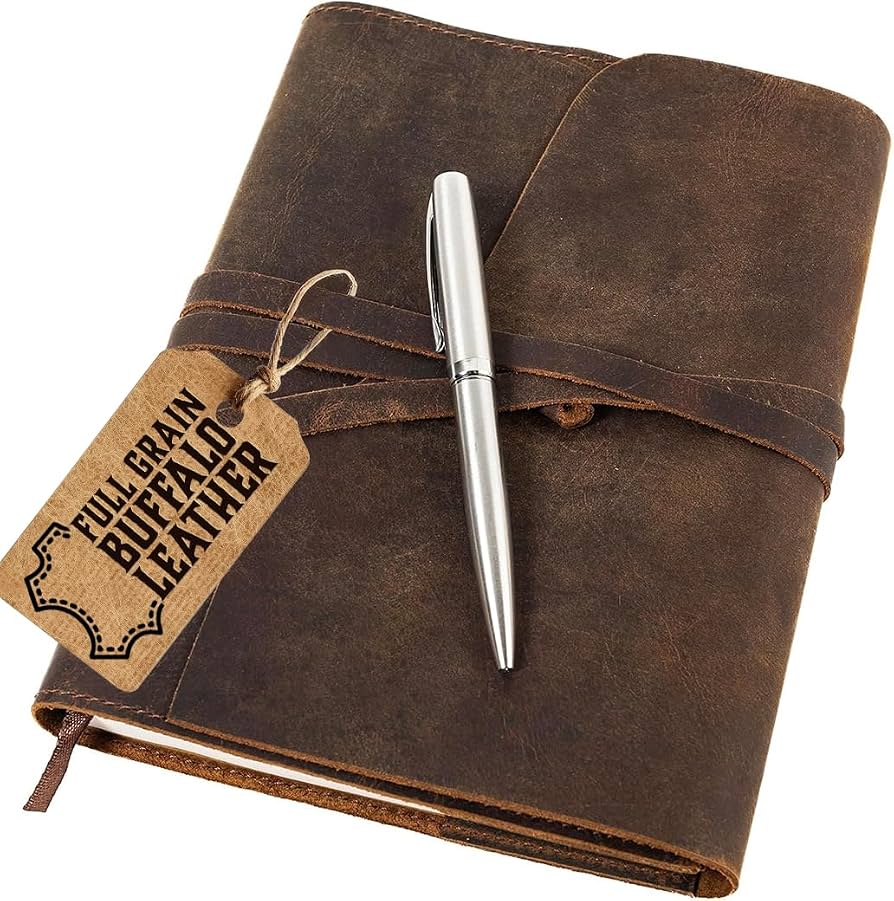
Moonster Large Accounting Ledger Notebook
Affordable, spacious pages with numbered sheets and table of contents.
Best for: Monthly setups and detailed tracking for households or small businesses.
Price Range: $14.99
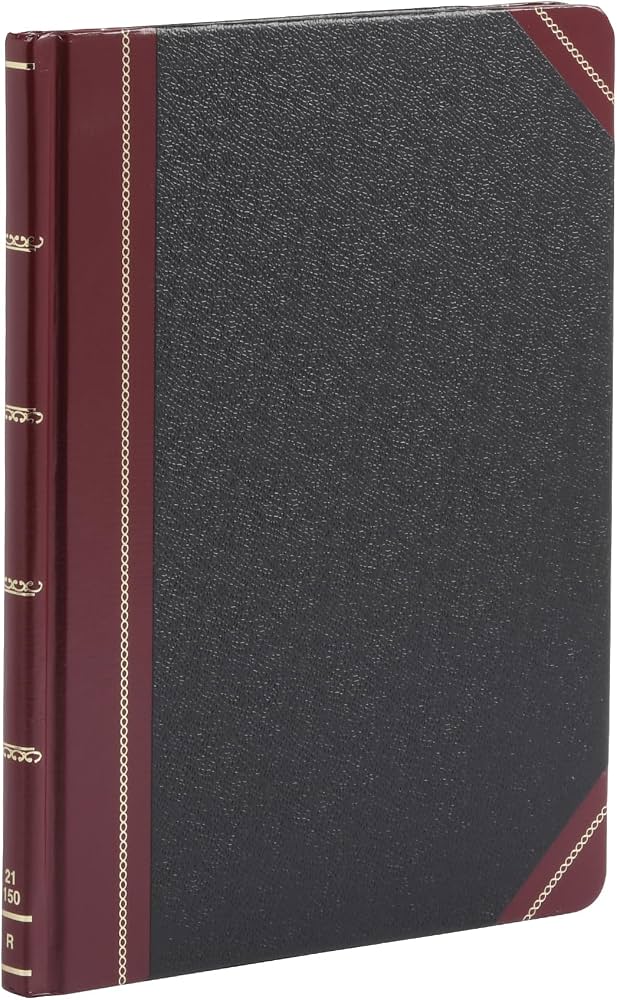
Boorum & Pease Columnar Account Book
Professional-grade with waterproof ink pages and hardbound; highly rated for longevity.
Best for: Long-term tracking needing archival quality.
Price Range: $25-$30
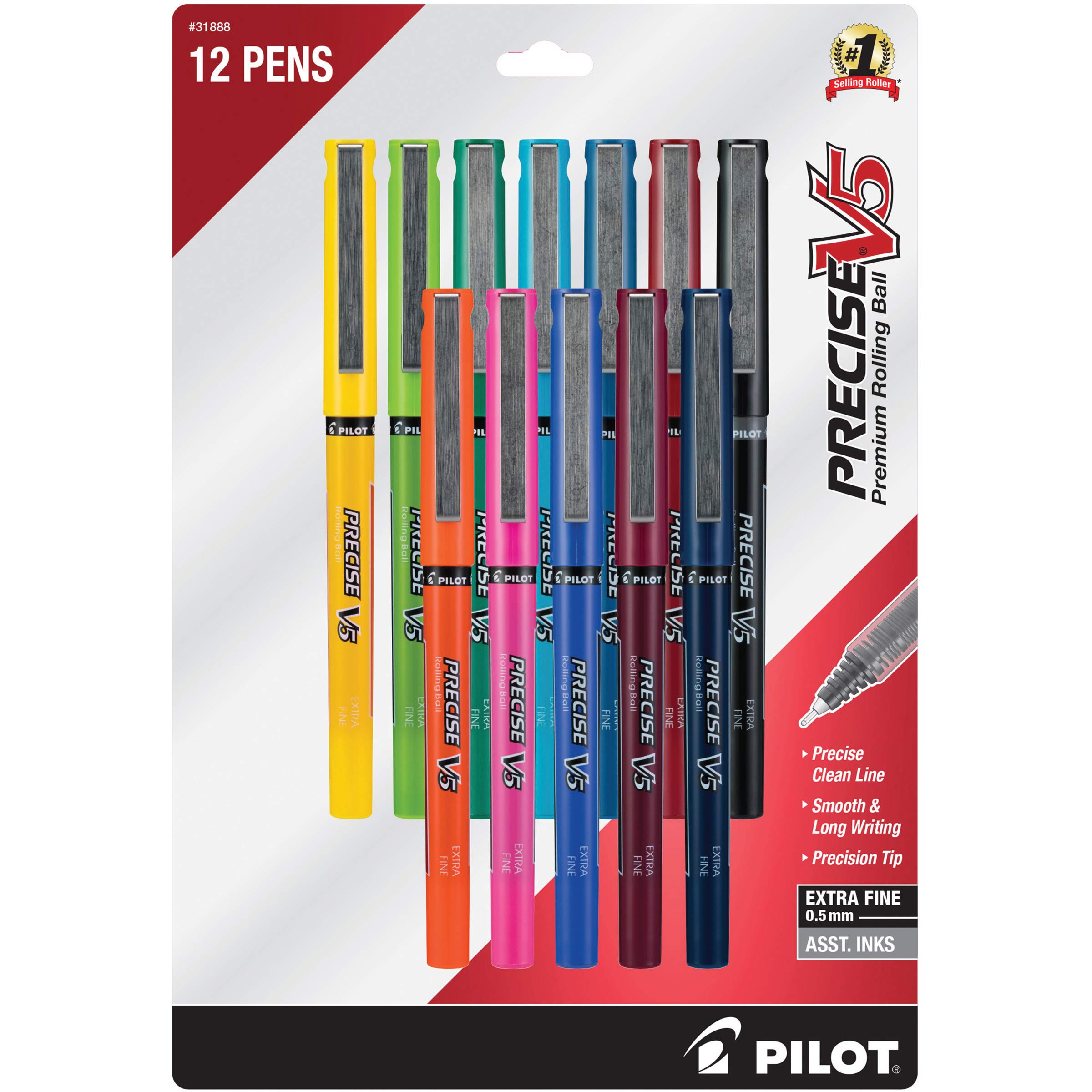
Pilot Precise V5 Stick Rolling Ball Pens (Pack of 12)
Extra-fine point for precise, smudge-free writing in small ledger columns.
Best for: All entries to maintain neatness.
Price Range: $12.49
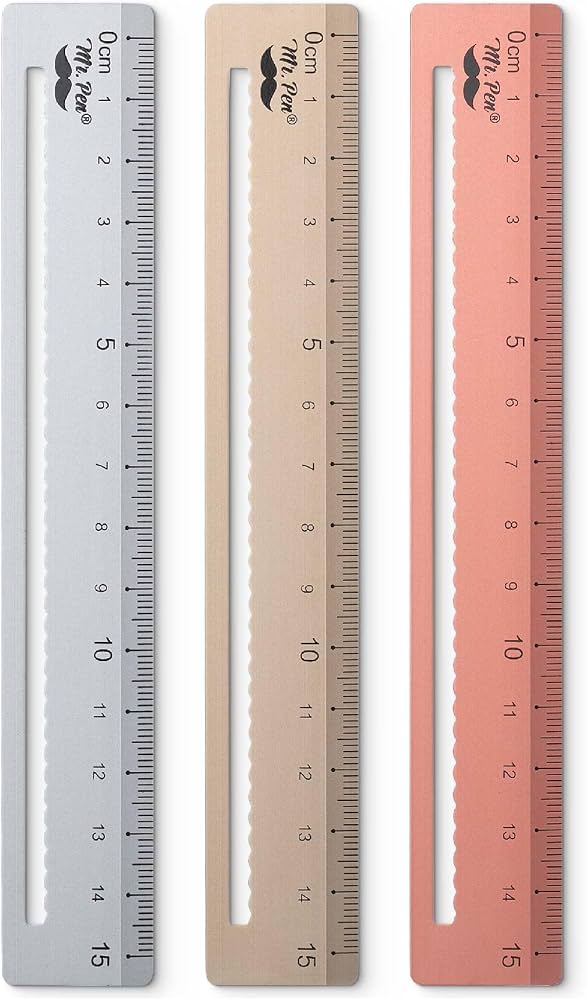
Mr. Pen Stainless Steel Ruler Set
Straight edges for perfect lines and tables; rust-proof and precise.
Best for: Custom headers or graphs in your book.
Price Range: $6.99