
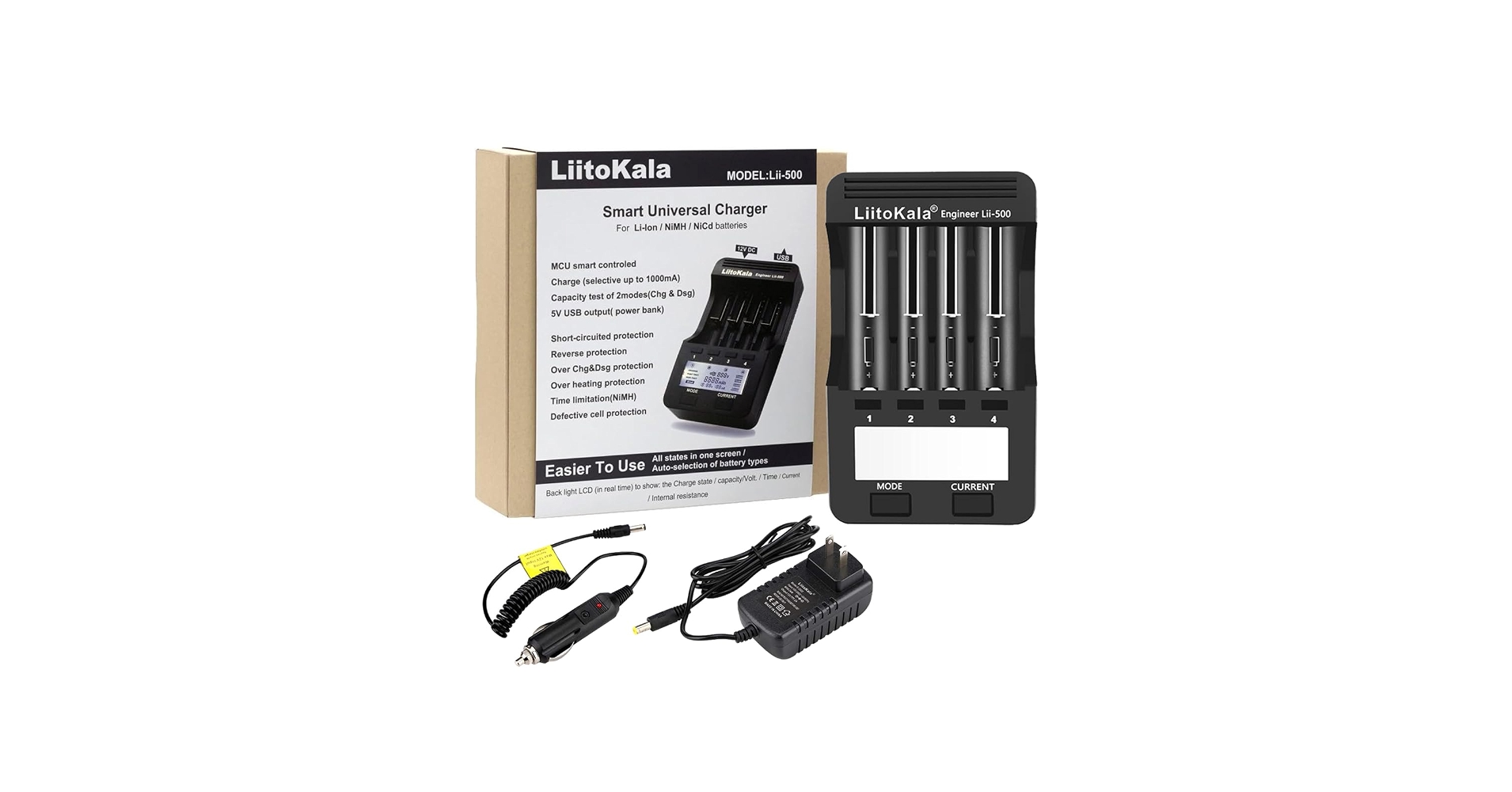
LiitoKala Lii-500 Battery Charger & Capacity Tester
Testing multiple AA NiMH; displays capacity, voltage, resistance.
$35-$45
LiitoKala Lii-500 Battery Charger & Capacity Tester Automated discharge/charge with precise mAh readout—no math needed.
Get the App
Better experience on mobile
Discover your AA batteries' true mAh capacity with simple DIY methods or tools, saving money on replacements and reducing waste.
Ever tossed out AA batteries that still seemed to have life, only to find your devices dying unexpectedly? Testing battery capacity at home reveals the actual milliamp-hours (mAh) left, helping you identify duds, rechargeables needing replacement, or primaries past their prime. This prevents waste and optimizes your power supply for remotes, toys, and gadgets.
In this beginner-friendly guide, you'll learn two reliable methods: a quick voltage-under-load test and a full DIY discharge capacity test using basic tools. No lab equipment needed—just household items or affordable buys. Expect accurate results comparable to pro testers.
The process takes 20-30 minutes for setup and quick test, plus 2-10 hours for full discharge per battery (do one at a time). It's safe, easy, and costs under $20 if buying tools.
Estimated Time: 20-30 minutes setup + 2-10 hours discharge per battery Difficulty: beginner
Choose a flat, non-flammable surface like a wooden desk away from kids/pets. Ensure good ventilation. Why? Batteries can heat up during discharge, and resistors get hot—safety first.
Wear safety glasses if available. Have a fire extinguisher nearby (rare but smart). Unplug nearby devices to avoid shorts.
💡 Tips:
⚠️ Warnings:
Insert the AA battery into the holder (positive to +, negative to -). Set multimeter to DC voltage (20V range). Touch probes to battery terminals: expect 1.5V+ for fresh alkaline, 1.2V+ for NiMH.
If below 1.1V open-circuit voltage (OCV), it's likely dead—skip to replacement. Success: Steady reading without flickering.
💡 Tips:
Connect the resistor across battery terminals using clips (one clip per lead). Immediately re-measure voltage: good batteries hold >1.0V under load.
Why? Open voltage lies; load reveals real power. Expect drop to 1.1-1.3V. If <0.9V, poor capacity. This quick test (1-2 min) flags weak batteries.
⚠️ Warnings:
Disconnect, note initial OCV. Reconnect resistor firmly. Switch multimeter to ~200mA DC current mode, insert in series (break circuit, probe through resistor). Note initial current (e.g., 120mA for 10Ω at 1.2V).
Start timer. Why constant load? Simulates real use for mAh calc. Success: Steady current draw without sparks.
💡 Tips:
Every 30 minutes, check voltage (switch to volt mode, reconnect directly) and current. Log time, voltage, current in notebook. Continue until voltage hits 1.0V (alkaline) or 0.9V (NiMH) under load.
Expect 4-8 hours for 2000mAh NiMH. Graph drop for insights—linear is healthy.
💡 Tips:
⚠️ Warnings:
Average all current readings (e.g., 110mA avg). Capacity = avg current (A) × time (hours) × 1000. Example: 0.11A × 5h = 550mAh (low); 0.12A × 20h = 2400mAh (excellent Eneloop).
Compare to rated mAh. >80% good. Success: Matches expectations.
💡 Tips:
Disconnect everything. Let battery/resistor cool 10 min. Store battery if good. Wipe tools.
Done! You've quantified capacity.
Problem: Multimeter reads 0V or OL
Solution: Check polarity, battery charge, probe contact. Test multimeter on known source.
Problem: Resistor too hot/smoking
Solution: Wrong wattage—upgrade to 10W+. Lower current with higher ohm (20Ω).
Problem: Inconsistent current
Solution: Loose wires; retighten. Battery dying fast? Weak unit.
Problem: Low capacity on new batteries
Solution: Self-discharge; recharge NiMH 3x. Fakes common—buy reputable.
Automated discharge/charge with precise mAh readout—no math needed.
Best for: Testing multiple AA NiMH; displays capacity, voltage, resistance.
Price Range: $35-$45
Accurate voltage/current for DIY method; auto-ranging for beginners.
Best for: Series current measurement during discharge.
Price Range: $13-$18
Durable load for safe, consistent discharge without overheating.
Best for: Core DIY load; handles AA power draw for hours.
Price Range: $10-$15
Secure grip prevents shorts; easy clip connections.
Best for: Hands-free testing single or multi-AA.
Price Range: $5-$8
Testing multiple AA NiMH; displays capacity, voltage, resistance.
LiitoKala Lii-500 Battery Charger & Capacity Tester Automated discharge/charge with precise mAh readout—no math needed.
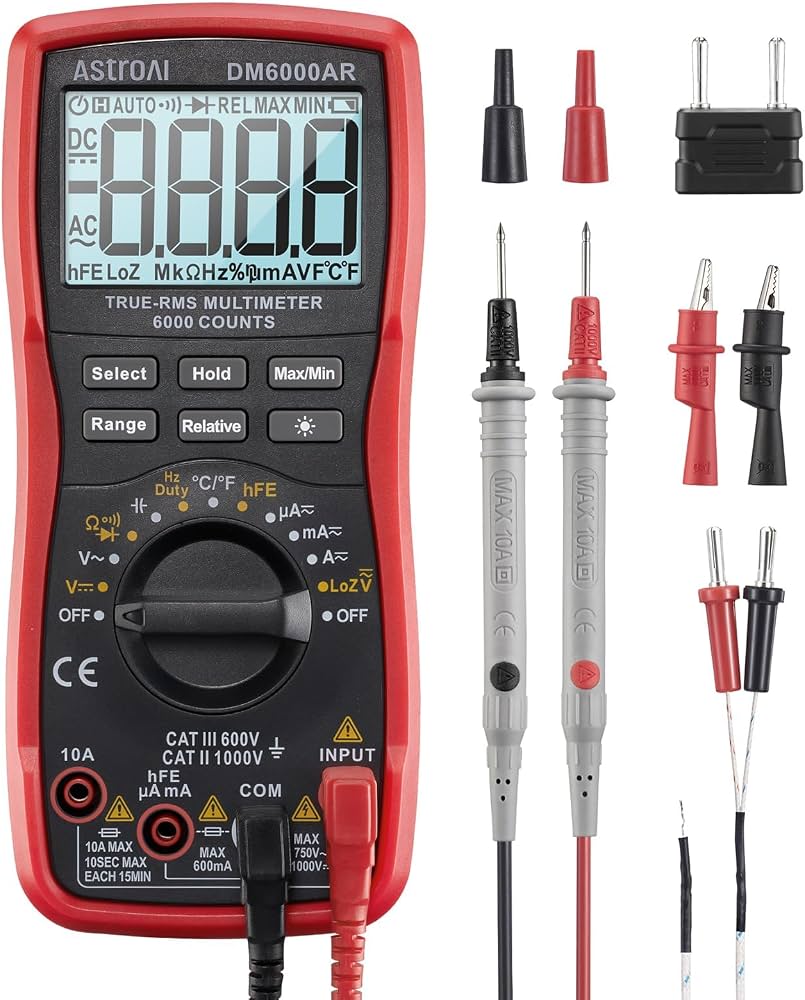
Series current measurement during discharge.
AstroAI Digital Multimeter TRMS 6000 Counts Accurate voltage/current for DIY method; auto-ranging for beginners.
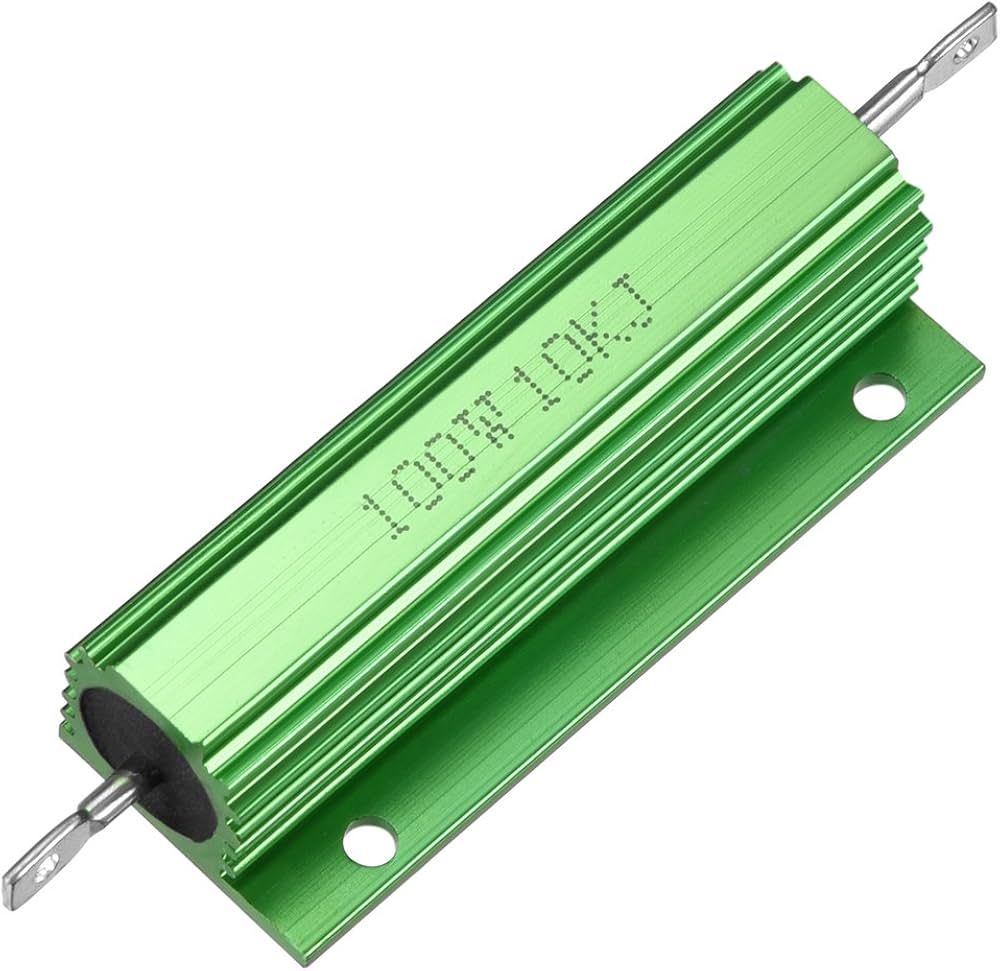
Core DIY load; handles AA power draw for hours.
uxcell 10Pcs 10 Ohm 10W Aluminum Housed Resistors Durable load for safe, consistent discharge without overheating.
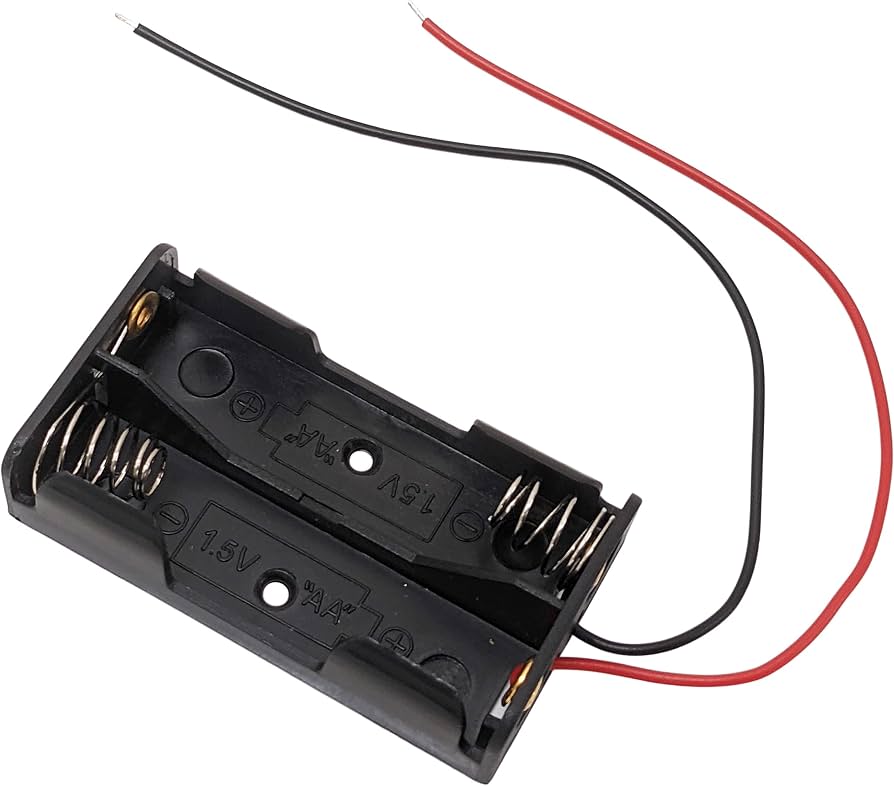
Hands-free testing single or multi-AA.
Powerex AA Battery Holder with Leads Secure grip prevents shorts; easy clip connections.