Nothing's more frustrating than a watch stopping mid-day, leaving you wondering if it's the battery. Replacing it blindly wastes money and time, especially with pricey 3V coin cells like CR2032. This guide teaches beginners how to test them using everyday tricks and optional household items.
You'll learn visual checks, functional tests, and low-tech methods like the LED glow test. These take just minutes, cost nothing extra, and help avoid tossing good batteries. Perfect for watches, calculators, or key fobs—no electrical knowledge needed.
Expect quick results: a good battery powers your device smoothly; a bad one fails basic checks. Let's get your watch ticking again.
▸What You'll Need
- •3V watch batteries (e.g., CR2016, CR2025, CR2032)
- •Clean, dry cloth or cotton swab
- •Your watch or a compatible device (required for functional test)
- •Optional: Small red LED diode (from old electronics or cheap pack)
- •Optional: Aluminum foil (for contact enhancement)
Estimated Time: 5-10 minutes
Difficulty: beginner
▸Step-by-Step Instructions
Step 1: Gather and Visually Inspect the Battery
Start by placing the battery on a well-lit surface. Look for physical damage: dents, swelling, rust, or leaks on the terminals. A healthy 3V lithium coin battery (like CR2032) should be flat, shiny, and free of corrosion.
Why it matters: Damaged batteries are unsafe and likely dead. Success looks like a clean, intact battery—no green/white buildup or bulging edges.
Image description: Close-up of a good CR2032 battery next to a corroded one, with arrows pointing to issues.
💡 Tips:
- •Use a magnifying glass for tiny batteries like CR2016.
⚠️ Warnings:
- •Don't test leaking batteries—dispose safely to avoid skin burns.
Step 2: Check the Expiration Date Code
Flip the battery and find the 4-digit date code etched on the side (e.g., '0524' means May 2024). Compare to today's date—if over 5-7 years old, it's probably weak even if unused.
This quick check predicts capacity without testing. Success: Code shows it's within 5 years; note it down for later.
Image description: Battery with date code circled, calendar nearby.
💡 Tips:
- •Search 'battery date code decoder' online if format confuses you.
Step 3: Clean the Terminals Gently
Wipe both flat sides with a dry cloth or swab. For light corrosion, use a pencil eraser or vinegar-dipped swab (rinse and dry after). Avoid water or abrasives.
Clean contacts ensure accurate tests. Expect a shiny surface—dull ones give false negatives.
Why: Dirty terminals block power flow, mimicking a dead battery.
💡 Tips:
- •Dry thoroughly; moisture kills batteries fast.
⚠️ Warnings:
- •Never use metal tools—risk of shorting lithium cells.
Step 4: Perform a Functional Test in the Watch
Open your watch back (use a case knife if needed), remove old battery, insert the test one positive side up. Close and set time—if it runs steadily for 10-15 minutes without slowing, it's good.
This is the gold standard. Success: Hands move smoothly; no dimming or stopping.
Image description: Watch open with battery inserted.
💡 Tips:
- •Test multiple batteries the same way for comparison.
⚠️ Warnings:
- •Handle watch gently to avoid scratches.
Step 5: Try the LED Glow Test (Optional but Reliable)
Touch the LED's longer leg (anode) to battery positive (+, etched side), shorter leg (cathode) to negative (-, flat side). A red LED should glow faintly for 3V batteries—if bright/no glow, battery is good/weak.
Why: LEDs need ~2V to light; perfect for 3V cells without resistors. Expect a steady orange-red glow.
Wrap foil around edges for better contact if needed.
💡 Tips:
- •Red LEDs work best; blue needs more voltage.
⚠️ Warnings:
- •Don't hold long—lithium batteries heat up.
- •Use fresh LED; burnt ones mislead.
Step 6: Use Tongue Test as Last Resort (With Caution)
Briefly touch terminals to tongue tip. A good battery tastes metallic/salty (zinc reaction); dead one tastes flat.
Instant feedback but risky. Success: Quick tingle/saltiness.
Only for silver-oxide 1.55V; avoid lithium 3V if possible.
⚠️ Warnings:
- •Rinse mouth after. Never for lithium (CR series)—toxic/leak risk. Not for kids/pregnant.
- •Stop if bitter.
Step 7: Interpret Results and Dispose Properly
Good: Passes 2+ tests, runs device. Bad: Fails visual/date/functional. Recycle at stores—don't trash lithium.
Log results for patterns.
💡 Tips:
- •Buy in bulk if many fail.
▸Pro Tips
- •Test in room temp (68-77°F)—cold weakens batteries.
- •Compare unknown to a known good battery.
- •Store spares in plastic cases to prevent shorts.
- •Buy batteries with holograms for authenticity.
- •Weigh batteries: Good ones ~3g for CR2032.
- •Test monthly for low-drain devices like watches.
- •Use phone flashlight to inspect tiny details.
▸Common Mistakes to Avoid
- •Ignoring date code—old batteries degrade unseen.
- •Testing wet batteries—leads to false fails or shorts.
- •Prolonged LED/tongue contact—heats/toxins lithium cells.
- •Forgetting polarity—flipped batteries seem dead.
- •Assuming all 3V are same—CR2025 lighter than CR2032.
▸Troubleshooting
Problem: Watch runs briefly then stops
Solution: Battery weak—replace. Check watch contacts for dirt.
Problem: LED flickers inconsistently
Solution: Clean contacts or use foil bridge. Try different LED.
Problem: All tests pass but device fails
Solution: Device issue—clean watch or seek jeweler.
Problem: Battery hot after test
Solution: Stop immediately, dispose. Short suspected.
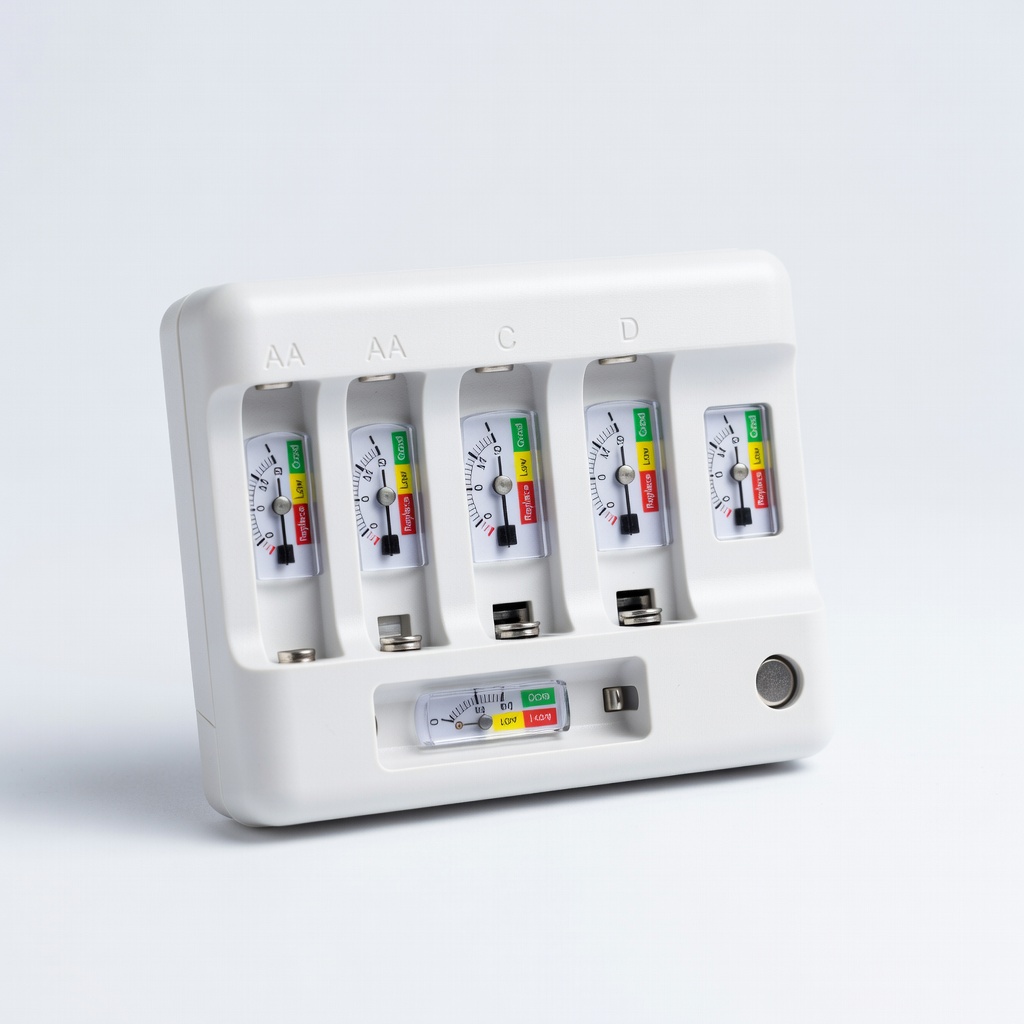
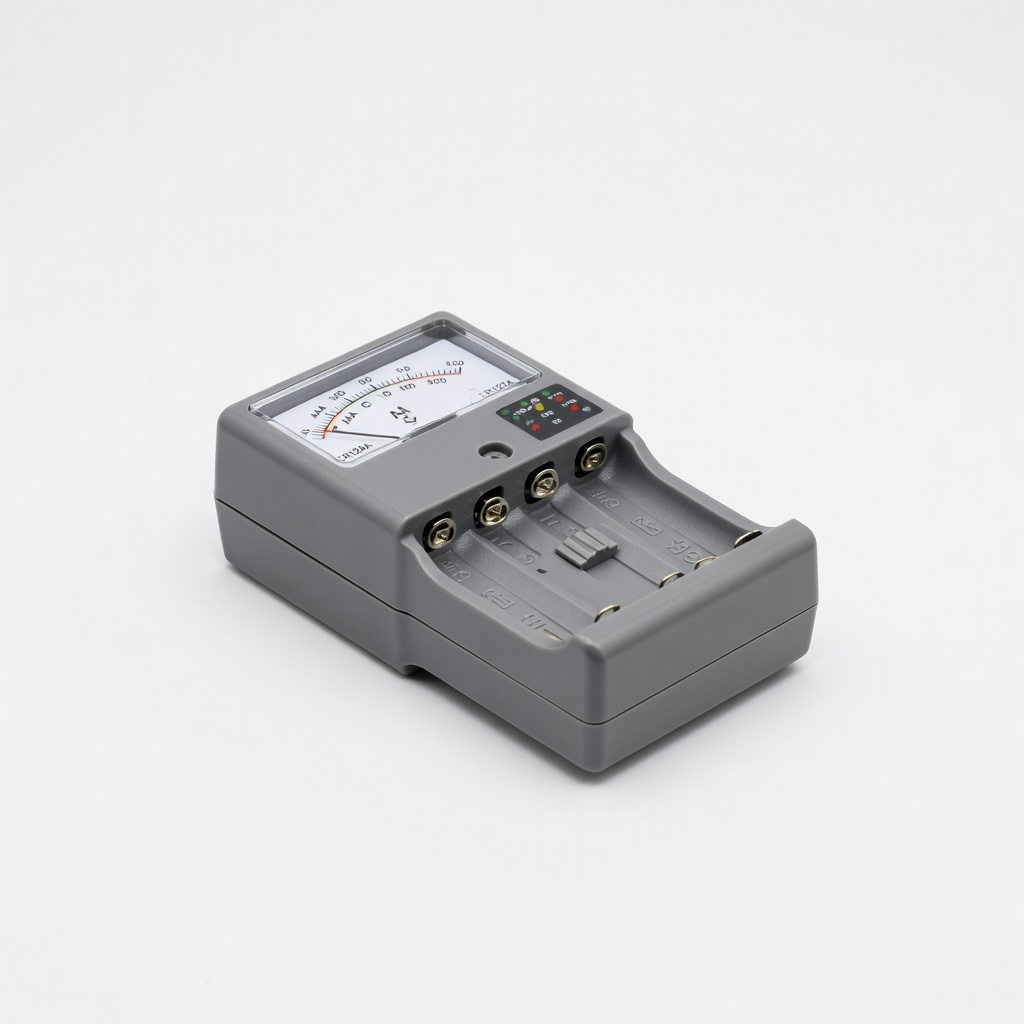
Accutest AAA, AA, C, D, 9V & Button Cell Battery Tester
Analog needle gauge tests 3V coin cells instantly without power source—perfect multimeter alternative.
Best for: Quick verification for multiple batteries before/after DIY tests.
Price Range: $12.99
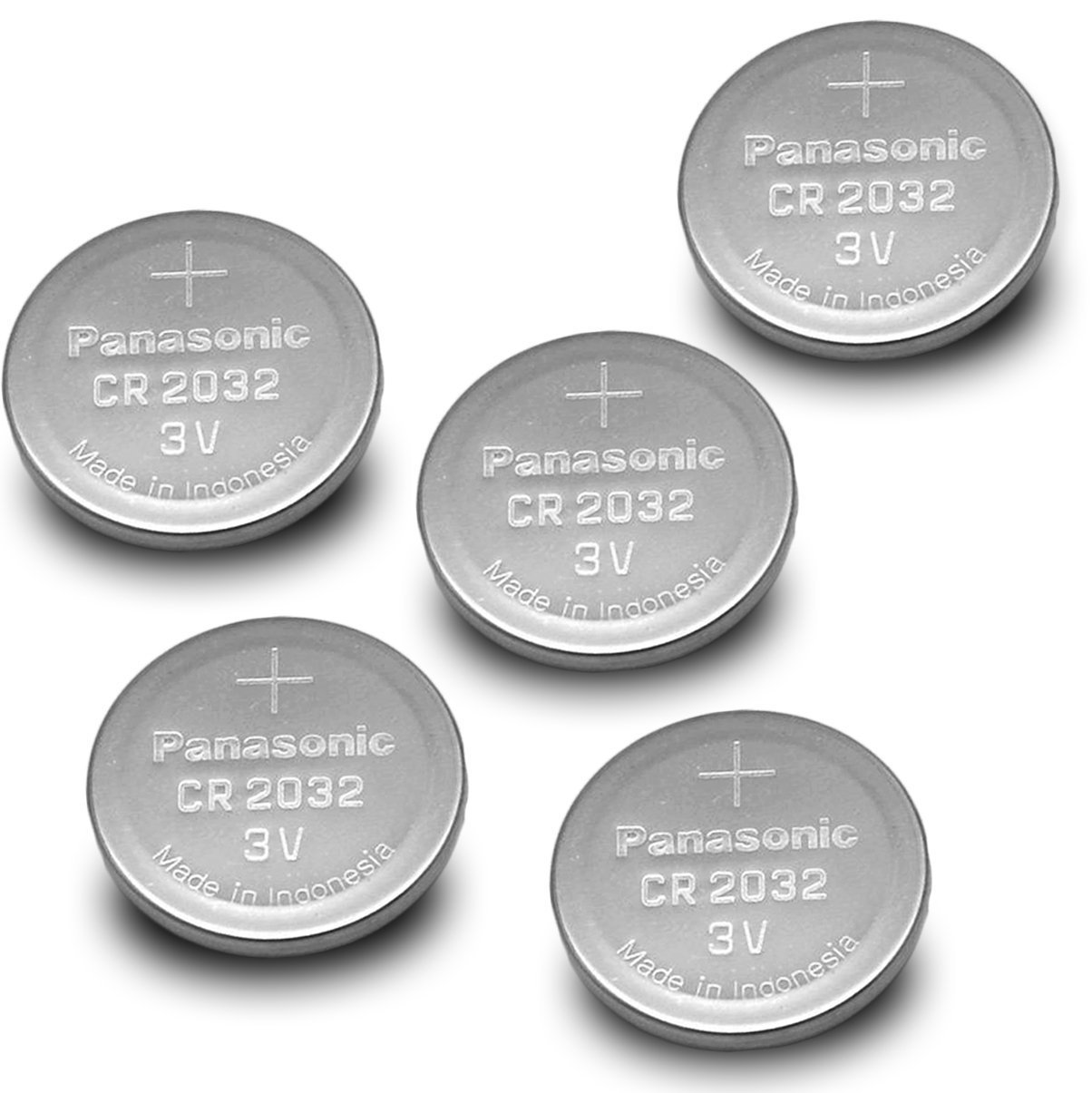
Panasonic CR2032 Lithium Coin Batteries 5-Pack
Reliable benchmark—use one as 'known good' for comparisons.
Best for: Test unknowns against these fresh ones in LED/functional checks.
Price Range: $6.99
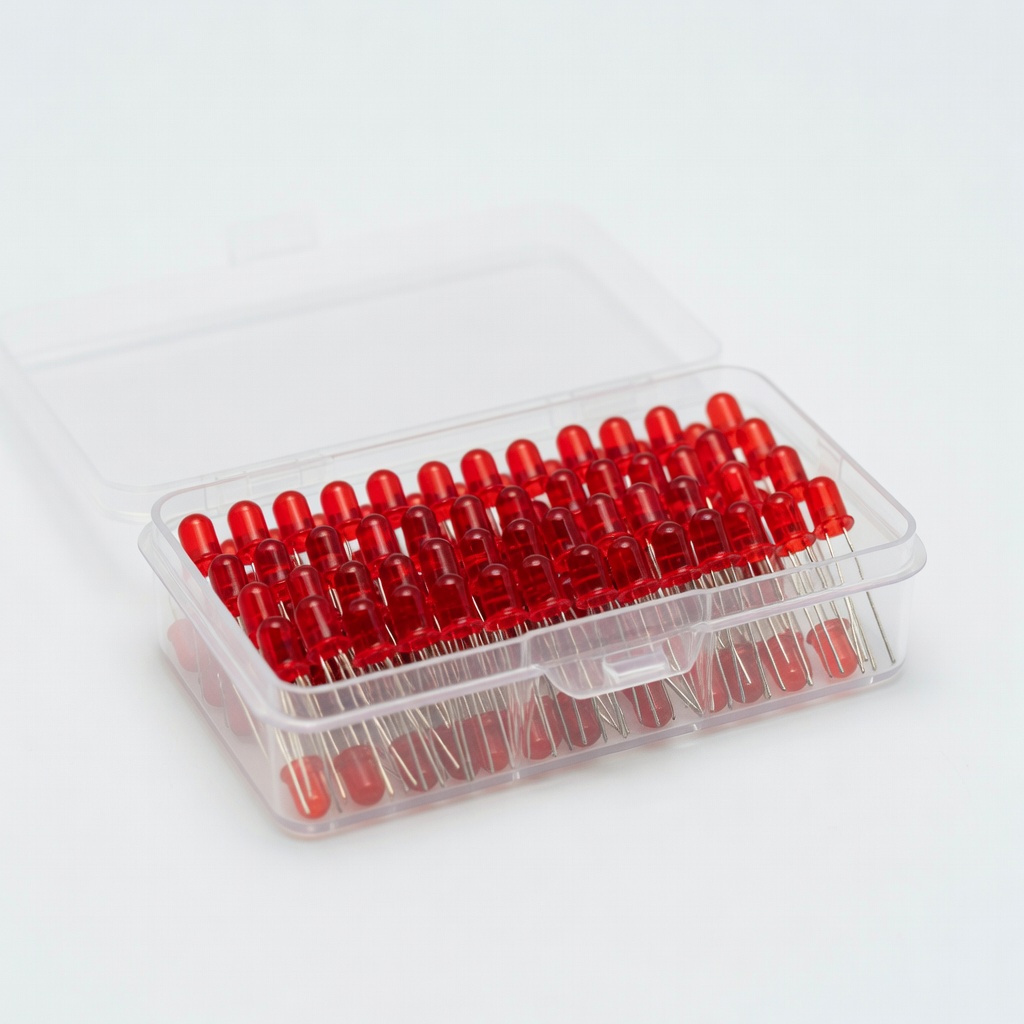
Chanzon 100pcs Red LEDs 5mm (for Battery Testing)
Cheap, reliable for glow test—glows precisely at 2-3V levels.
Best for: DIY voltage check without fancy tools.
Price Range: $7.99
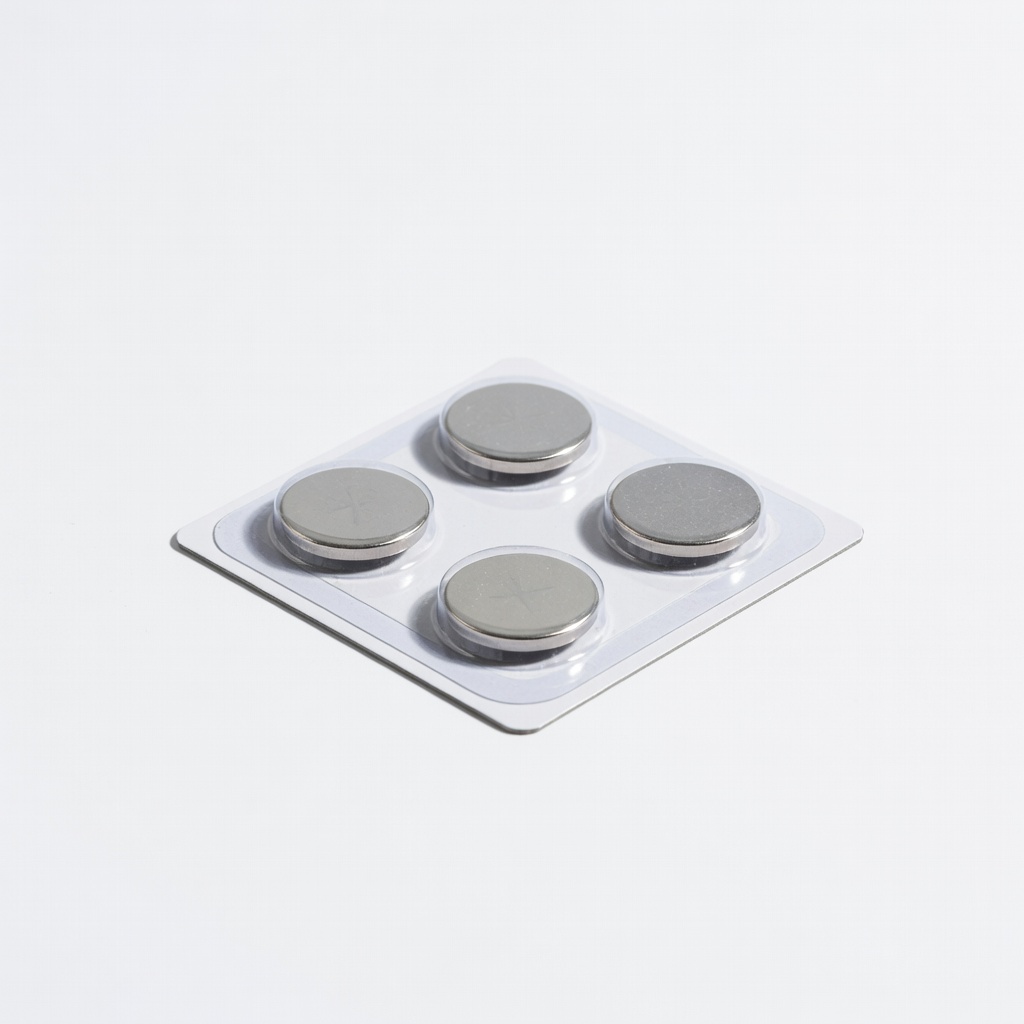
Energizer CR2032 Batteries 4-Pack
Long-lasting with clear date codes—great for replacements post-test.
Best for: Stock up after identifying dead ones.
Price Range: $9.99
ZTS MBT-1 Multi-Battery Tester
Pro-grade tester for all button cells—loads accurately without batteries.
Best for: Frequent testers needing precision beyond DIY.
Price Range: $29.99