
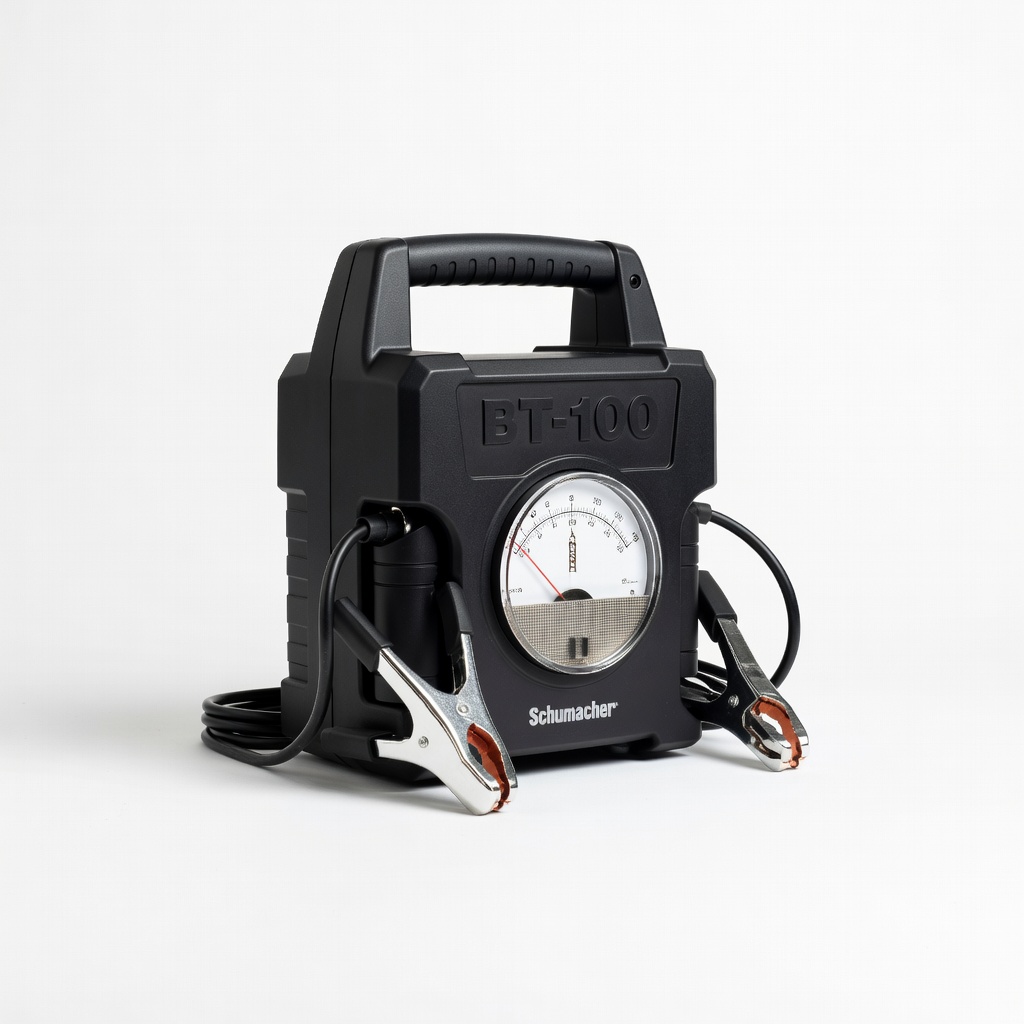
Schumacher BT-100 Battery Load Tester
DIY home testing on standard car batteries.
$25-$30
Schumacher BT-100 Battery Load Tester Affordable, reliable 100A load tester with easy color-coded gauge for quick 12V checks.
Get the App
Better experience on mobile
Learn to accurately diagnose your 12V car battery's health using a load tester to prevent breakdowns and save on replacements.
A dead car battery is one of the most frustrating issues drivers face, often stranding you at the worst times. Regular testing with a load tester reveals true battery capacity under stress, unlike simple voltage checks that miss hidden weaknesses. This guide teaches you how to perform a professional-grade test at home.
You'll follow simple steps to safely connect, test, and interpret results, spotting issues like sulfation or low CCA (Cold Cranking Amps). Expect 15-30 minutes per test, suitable for intermediate DIYers with basic auto knowledge.
By the end, you'll know if your battery is good, weak, or needs replacement, empowering you to maintain your vehicle confidently.
Estimated Time: 15-30 minutes Difficulty: intermediate
Park your vehicle on a flat, well-ventilated surface with the engine off and key removed. Engage the parking brake. Put on safety glasses and insulated gloves to protect against sparks, acid splashes, or explosions from hydrogen gas.
Why it matters: Batteries can vent explosive gases, and poor connections cause arcing. Expect a safe, clutter-free area ready for work.
Tip: Work in daylight or with good lighting to inspect terminals clearly.
💡 Tips:
⚠️ Warnings:
Open the hood and find the 12V battery, usually on the driver's or passenger's side. Check for visible damage: bulging case, leaks, corrosion on terminals (white/blue powder), or loose cables.
Why it matters: Damage indicates immediate replacement needs. A clean, intact battery passes visual checks and proceeds to testing.
Success: No cracks, minimal corrosion, secure hold-down.
💡 Tips:
⚠️ Warnings:
Disconnect the negative (-) cable first using a wrench, then positive (+). Use a wire brush or terminal cleaner to scrub corrosion. Wipe with a damp rag and dry thoroughly. Reconnect loosely for now.
Why it matters: Corrosion skews readings. Clean terminals ensure accurate voltage and load application.
Expect shiny metal contacts ready for tester clamps.
💡 Tips:
⚠️ Warnings:
Set multimeter to DC volts (20V scale). Touch red probe to positive terminal, black to negative. Reading should be 12.6V+ for a healthy battery.
Why it matters: Confirms charge level before load test (below 12.4V may need charging first). Success: 12.6-12.8V indicates full charge.
Skip if no multimeter, but it's a best practice.
💡 Tips:
Clamp red tester lead to positive terminal, black to negative—ensure firm connection. Set tester to half the battery's CCA rating (check sticker, e.g., 500 CCA battery = 250A load).
Why it matters: Proper setup simulates starter motor draw. Hear a click as it engages; meter lights up.
Success: Secure clamps, no sparking.
💡 Tips:
⚠️ Warnings:
Press the load button for 10-15 seconds (or as per manual). Watch the needle/voltmeter drop under load, then rebound.
Why it matters: Tests capacity under stress. Healthy battery holds above 9.6V under load.
Expect meter to peak load then stabilize.
💡 Tips:
⚠️ Warnings:
After test: Green/Good (9.6V+), Yellow/Weak (9-9.6V), Red/Bad (<9V). Color gauge or digital readout confirms.
Why it matters: Guides decisions—replace bad batteries. Log CCA and voltage for trends.
Success: Clear pass/fail with notes.
💡 Tips:
⚠️ Warnings:
Remove black clamp first, then red. Tighten cables, close hood. Store tester dry.
Why it matters: Safe shutdown prevents shorts. Vehicle ready to drive.
💡 Tips:
Problem: Inconsistent or no readings
Solution: Check connections, clean terminals, verify battery charge >12.4V. Test cables for breaks.
Problem: Passes load but dies soon after
Solution: Parasitic drain or bad alternator—use multimeter for draw test. Seek pro diag.
Problem: Voltage drops below 9V instantly
Solution: Battery bad—replace. If new, warranty issue.
Problem: Tester won't engage
Solution: Dead tester batteries or fuse blown—replace/recheck manual.
Affordable, reliable 100A load tester with easy color-coded gauge for quick 12V checks.
Best for: DIY home testing on standard car batteries.
Price Range: $25-$30
Digital display shows exact voltage/CCA with waveform analysis for precise diagnostics.
Best for: Intermediate users wanting data beyond basic load tests.
Price Range: $35-$45
Essential companion for pre-load voltage checks; auto-ranging and durable.
Best for: Verify charge before/after load test.
Price Range: $15-$25
Heavy-duty 300A for larger batteries; pro-grade accuracy.
Best for: Trucks or frequent testing needing higher amps.
Price Range: $90-$110
Clear, anti-fog protection rated for auto work.
Best for: Essential eye safety during testing.
Price Range: $10-$15
DIY home testing on standard car batteries.
Schumacher BT-100 Battery Load Tester Affordable, reliable 100A load tester with easy color-coded gauge for quick 12V checks.
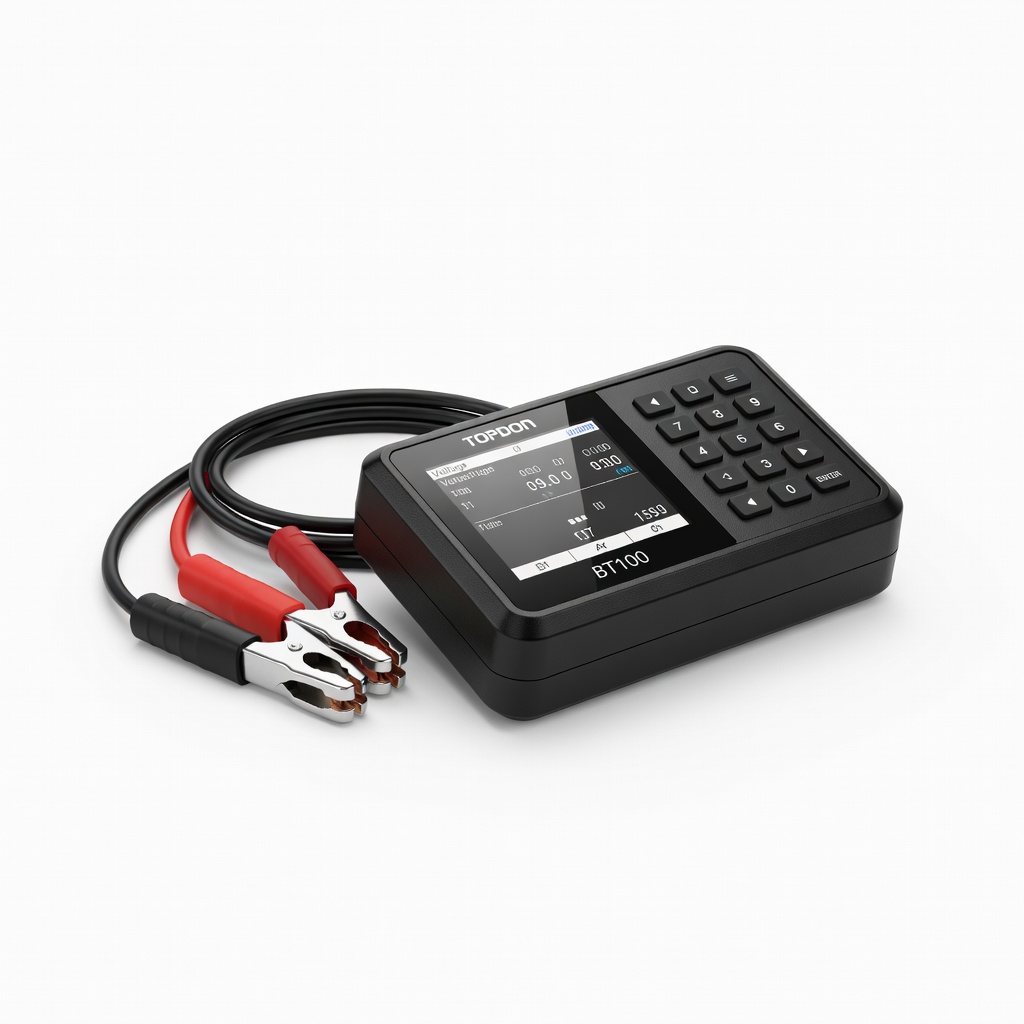
Intermediate users wanting data beyond basic load tests.
TOPDON BT100 Battery Tester Digital display shows exact voltage/CCA with waveform analysis for precise diagnostics.
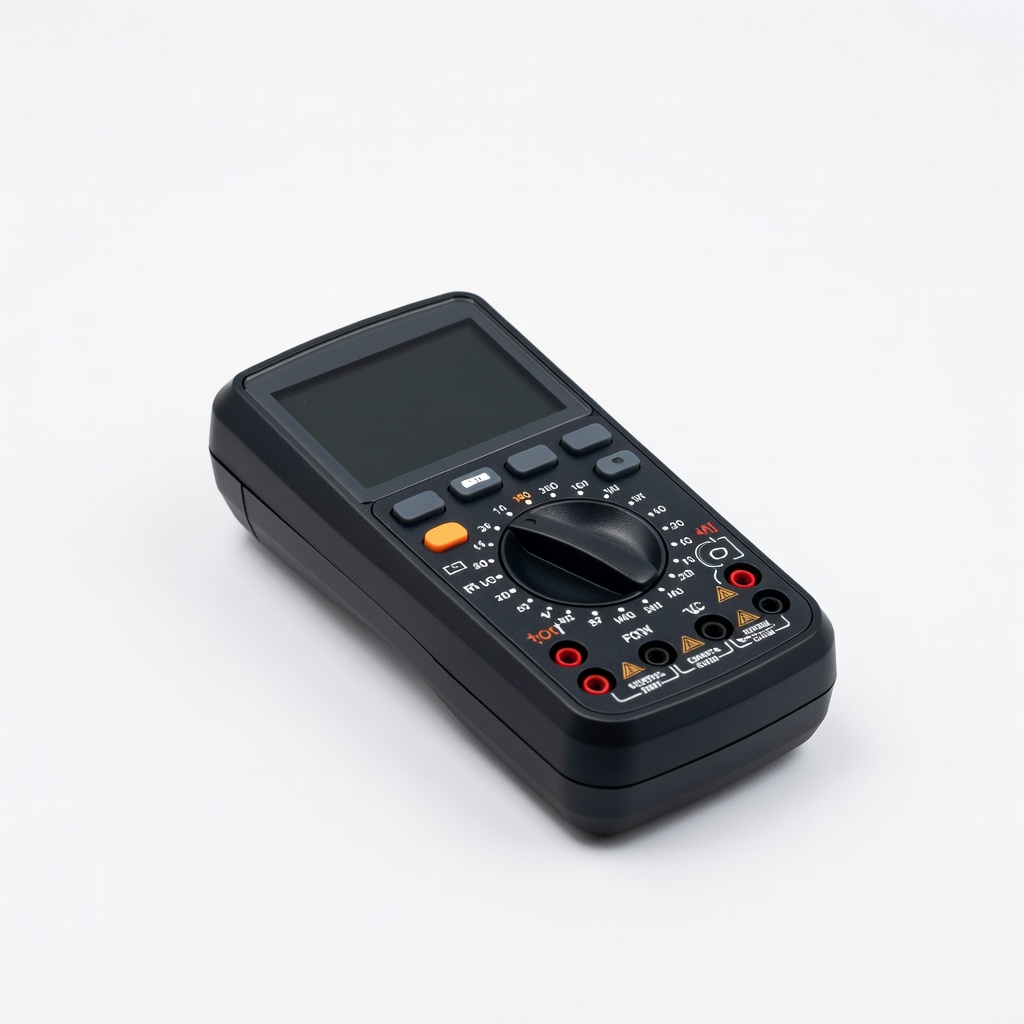
Verify charge before/after load test.
AstroAI Digital Multimeter Essential companion for pre-load voltage checks; auto-ranging and durable.
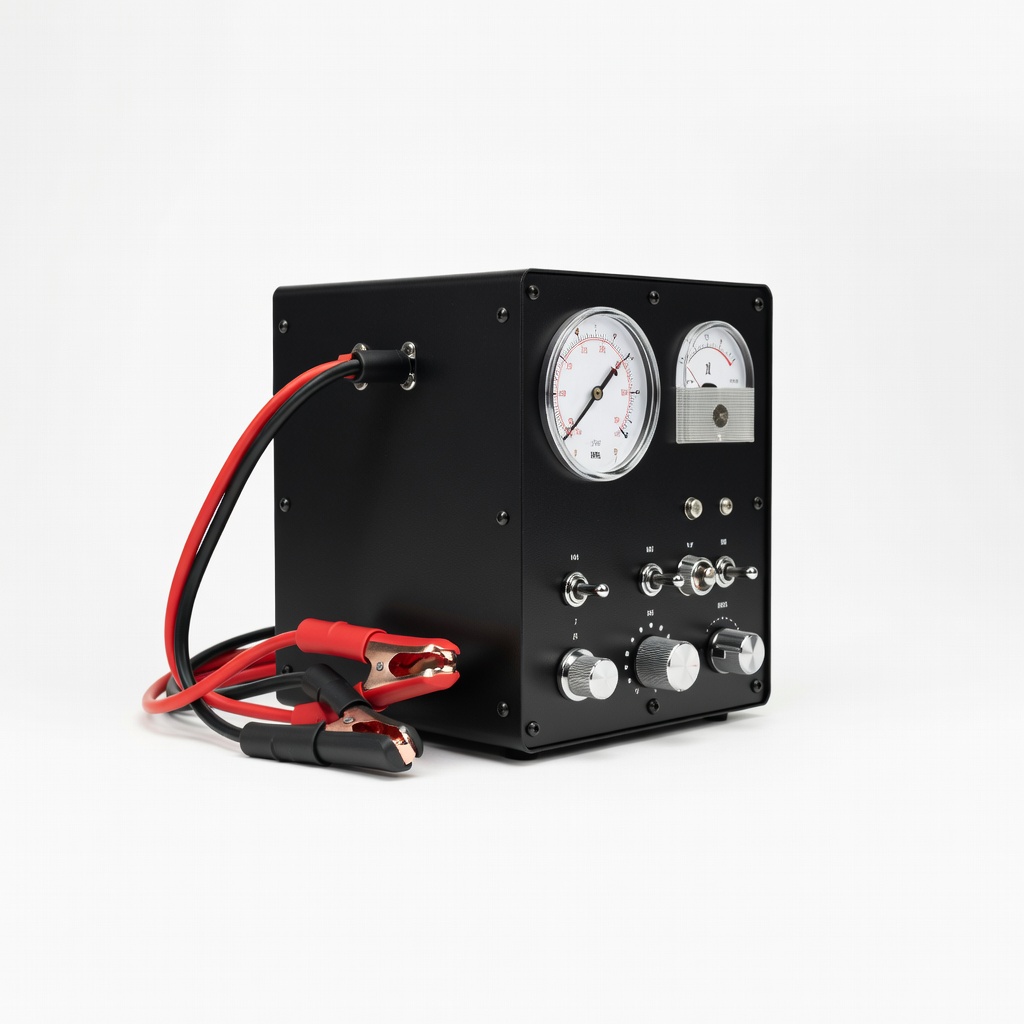
Trucks or frequent testing needing higher amps.
Impulse 3003 Professional Battery Load Tester Heavy-duty 300A for larger batteries; pro-grade accuracy.

Essential eye safety during testing.
NoCry Safety Glasses Clear, anti-fog protection rated for auto work.