
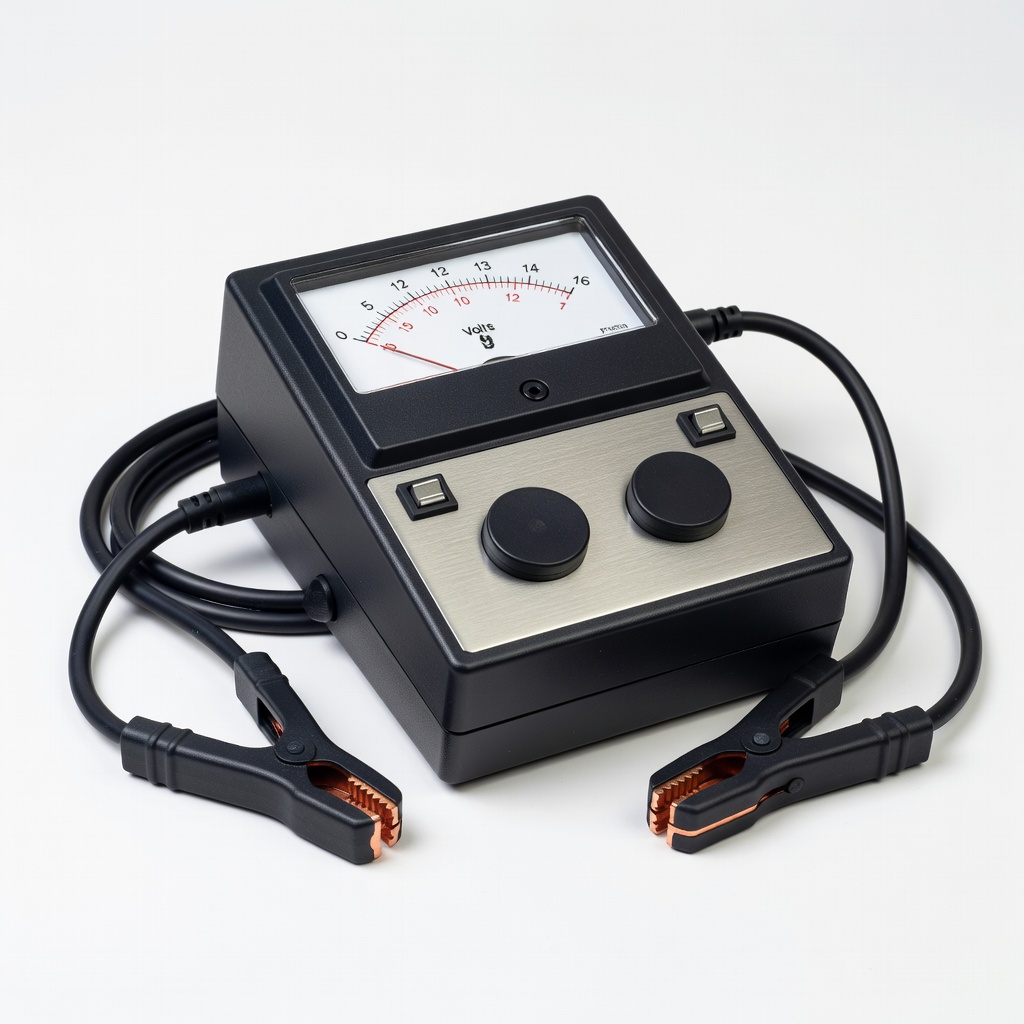
Schumacher BT-100 Battery Load Tester
Ideal for quick garage tests on most cars; proven durable for DIYers.
$40-$50
Schumacher BT-100 Battery Load Tester Reliable analog tester for CCA load tests up to 1000 CCA with easy-to-read meter.
Get the App
Better experience on mobile
Master testing your car's 12V battery health in 15 minutes to prevent breakdowns and extend battery life.
A dead car battery can leave you stranded at the worst time, especially in cold weather when batteries fail 2-3 times more often. Regular testing with a load tester reveals hidden weaknesses before they cause issues, saving you towing fees and replacement costs.
In this guide, you'll learn a safe, step-by-step process to test any 12V car battery using a load tester. We'll cover preparation, connections, running the test, and interpreting results like a pro mechanic. No advanced tools needed—just basic automotive knowledge.
Expect 15-20 minutes total, suitable for intermediate DIYers comfortable with basic car maintenance. Always prioritize safety to avoid shocks or acid exposure.
Estimated Time: 15-20 minutes Difficulty: intermediate
Park your car on a flat, stable surface away from traffic. Turn off the engine, all lights, accessories, and remove the key. Let the battery rest for at least 4 hours after driving—this ensures accurate readings without surface charge interference.
Put on safety glasses and insulated gloves. Why it matters: Batteries contain sulfuric acid and can spark, risking burns or explosions. Expect a cool-down period; success looks like a quiet, powered-down vehicle ready for access.
Tip: Work in a well-ventilated area to avoid fumes.
💡 Tips:
⚠️ Warnings:
Open the hood and find the battery (usually front-left or under a cover). Check for obvious issues: bulging case, cracks, leaks, or corrosion on terminals (white/blue powdery buildup).
Why inspect? Visual damage often means replacement, not testing. Clean off dirt with a rag. Success: Battery looks intact with secure hold-down clamp—no wobbling.
💡 Tips:
Disconnect the negative (-) cable first using a wrench (10mm or 13mm common). Brush off corrosion with a wire brush dipped in baking soda/water mix (1:3 ratio). Rinse with water if needed, dry thoroughly.
Reconnect loosely for now. Why? Corrosion blocks power flow, giving false lows. Expect shiny, clean metal; cables should twist easily but not fall off.
⚠️ Warnings:
Set multimeter to DC volts (20V scale). Touch red probe to positive (+) terminal, black to negative (-). Reading should be 12.6V+ (fully charged), 12.4V (50%+), under 12.2V (weak).
This pre-check confirms charge level. Skip if no multimeter, but it anticipates load test outcomes.
💡 Tips:
Clamp red jaw to positive (+) post, black to negative (-). Ensure firm connection—no loose fit. Set tester to battery's CCA rating (half if unknown) or auto mode on digital models.
Why secure clamps? Poor contact causes inaccurate drops. Success: Tester powers on, shows initial voltage matching multimeter.
⚠️ Warnings:
Zero the tester if analog (turn knob until needle hits green). Press load button for 10-15 seconds—watch voltage hold steady.
Engine off; this simulates starter draw (half CCA load). Why 15 secs? Reveals capacity under stress. Expect needle/meter in green (9.6V+ at load for good battery).
💡 Tips:
Good: Holds 9.6V+ under load, rebounds to 12.2V+ after. Weak: Drops below 9.6V. Bad: Below 9V or no hold.
Remove clamps (black first), tighten cables. Recharge/test again if marginal. Why interpret? Guides decisions—replace bad ones proactively.
💡 Tips:
⚠️ Warnings:
Problem: Tester shows erratic readings
Solution: Check clamp tightness and clean contacts; test on known good battery.
Problem: Voltage drops too fast under load
Solution: Battery weak—charge fully and retest; replace if persists.
Problem: No power to tester
Solution: Verify battery >12V; check fuses in tester if digital.
Problem: Overheating during test
Solution: Stop immediately; shorten test time or cool battery.
Problem: Unexpected low voltage pre-test
Solution: Use trickle charger overnight, then retest; seek pro if sulfated.
Reliable analog tester for CCA load tests up to 1000 CCA with easy-to-read meter.
Best for: Ideal for quick garage tests on most cars; proven durable for DIYers.
Price Range: $40-$50
Digital model shows voltage, CCA, health %, and charging status accurately.
Best for: For detailed diagnostics beyond basic load; great for intermediate users.
Price Range: $35-$40
Complements load tester for precise pre/post voltage checks; auto-ranging.
Best for: Verify initial charge before load test; multi-function for other auto tasks.
Price Range: $20-$25
Quickly dissolves corrosion without brushing; safe on plastics.
Best for: Prep terminals fast before testing for reliable connections.
Price Range: $7-$10
Ideal for quick garage tests on most cars; proven durable for DIYers.
Schumacher BT-100 Battery Load Tester Reliable analog tester for CCA load tests up to 1000 CCA with easy-to-read meter.
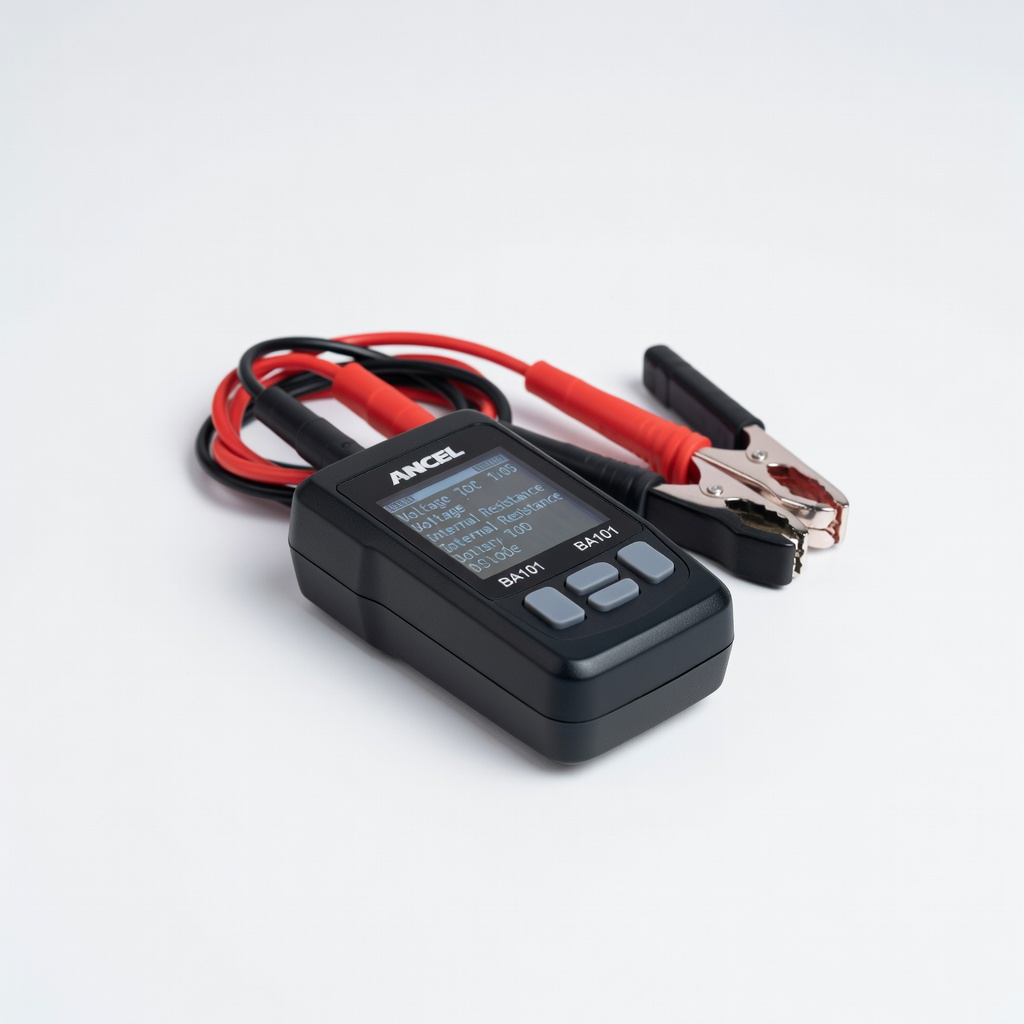
For detailed diagnostics beyond basic load; great for intermediate users.
ANCEL BA101 Battery Tester Digital model shows voltage, CCA, health %, and charging status accurately.
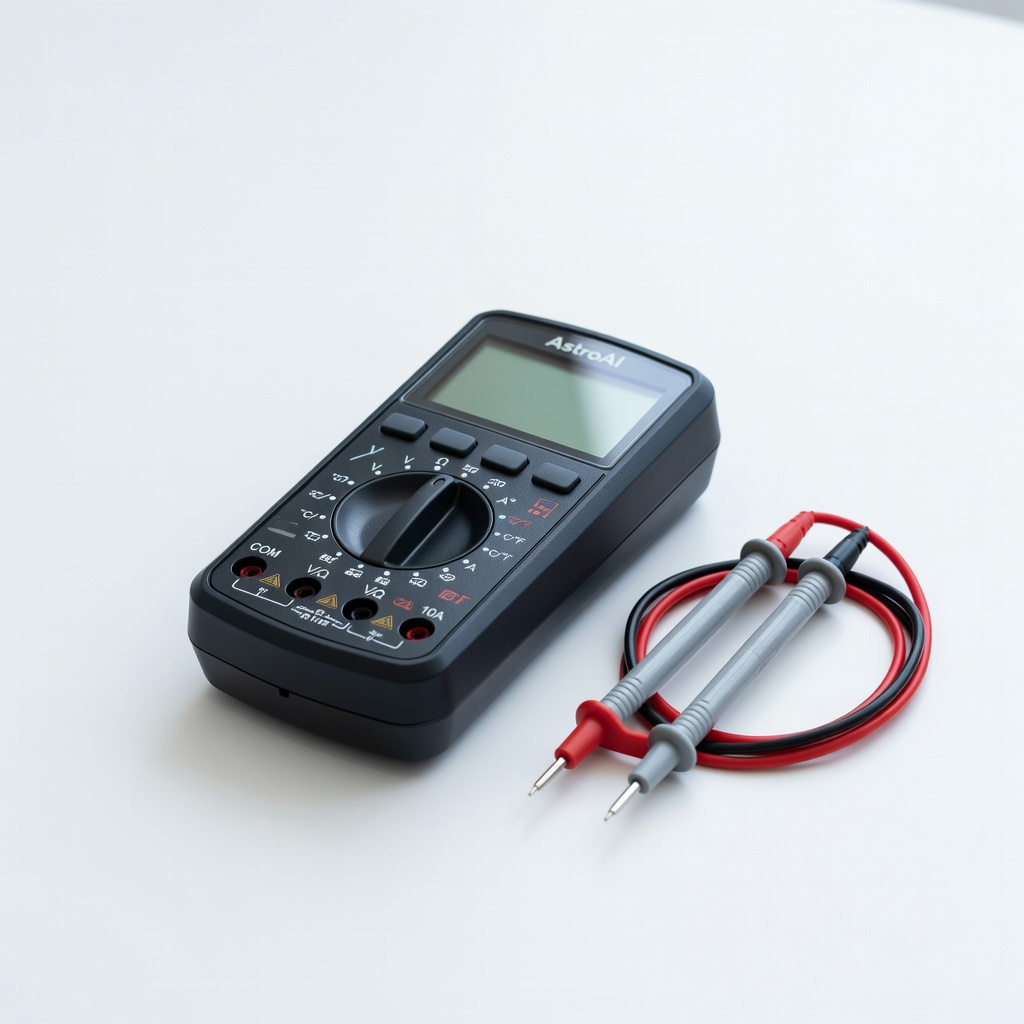
Verify initial charge before load test; multi-function for other auto tasks.
AstroAI Digital Multimeter Complements load tester for precise pre/post voltage checks; auto-ranging.
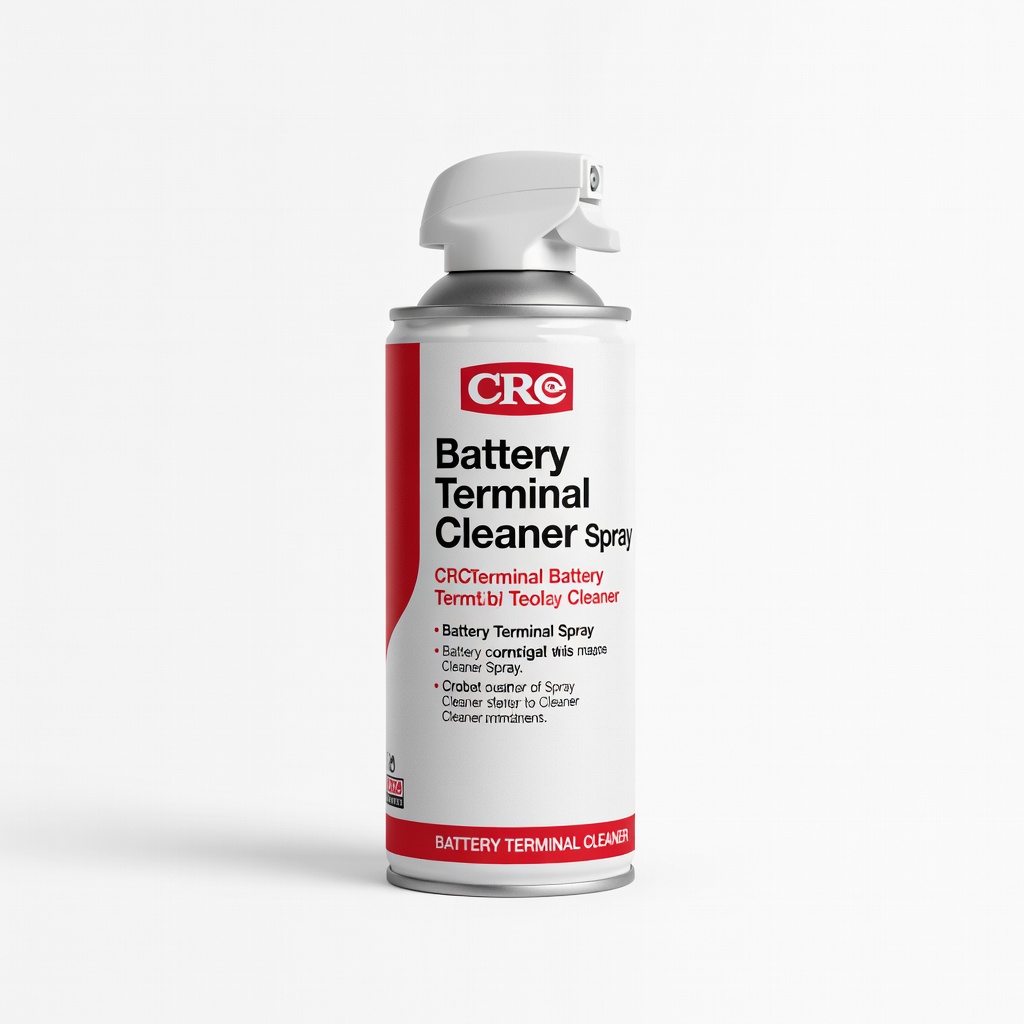
Prep terminals fast before testing for reliable connections.
CRC Battery Terminal Cleaner Spray Quickly dissolves corrosion without brushing; safe on plastics.