
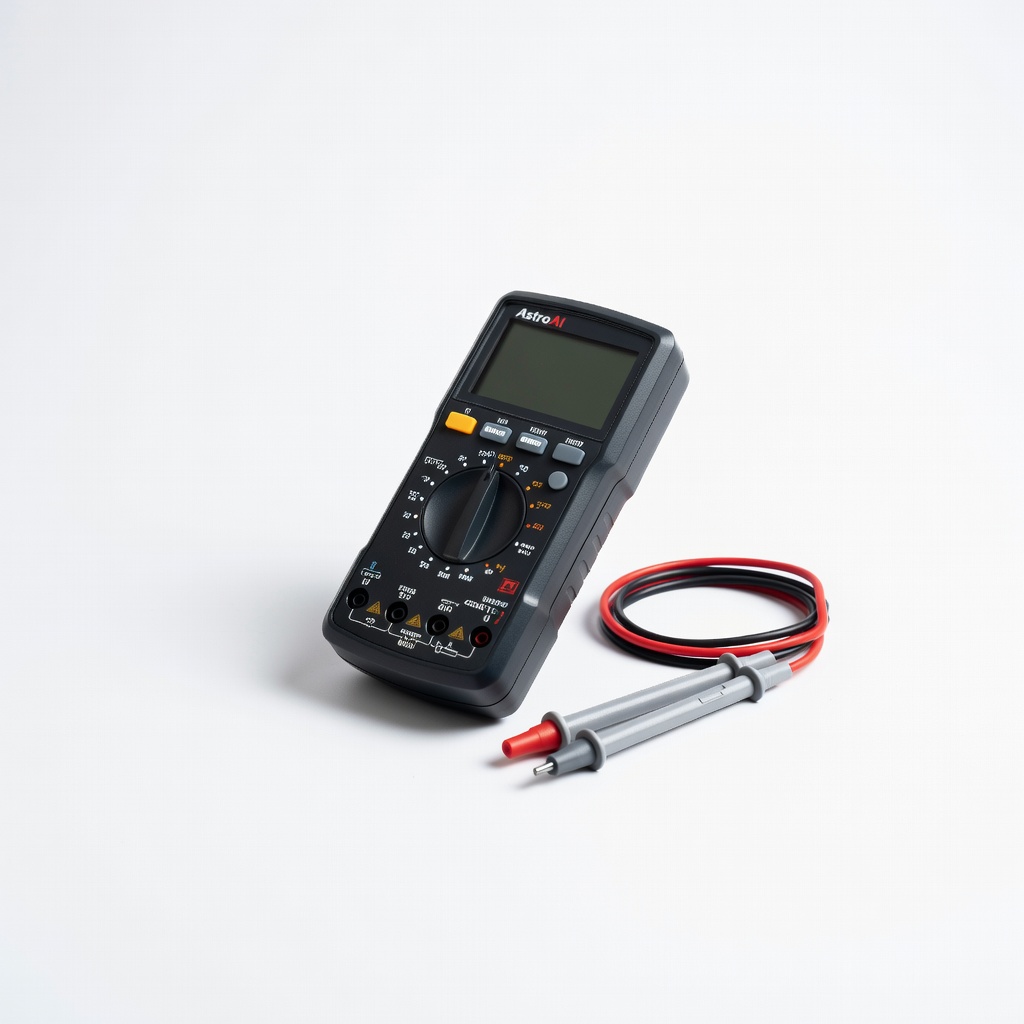
AstroAI Digital Multimeter TRMS 6000
Primary tool for all voltage/load tests.
$30-$35
AstroAI Digital Multimeter TRMS 6000 Accurate auto-ranging for DCV/amps, affordable for intermediates with overload protection.
Get the App
Better experience on mobile
Master testing your 12V car or marine battery in minutes to diagnose issues early and save on replacements.
Nothing strands you like a dead 12V battery—whether it's your car's starter battery or an RV power source. Testing it yourself with a multimeter empowers you to spot weak batteries before they fail, avoiding towing fees or surprise costs. This guide is perfect for DIYers who know basic tools but want precise diagnostics.
You'll learn safe testing methods for voltage, cranking power, and health checks, using just a multimeter. The process takes 10-15 minutes and covers open-circuit voltage (OCV), load testing basics, and interpreting results like a pro mechanic.
Expect straightforward steps with safety first—no advanced electrical knowledge needed, but intermediate tool familiarity helps.
Estimated Time: 10-15 minutes Difficulty: intermediate
Choose a well-ventilated area away from flames or sparks, as batteries can release flammable hydrogen gas. Disconnect the battery from the vehicle if possible—remove the negative (-) cable first to prevent shorts.
Put on safety glasses and insulated gloves. Inspect the battery for visible damage like cracks, leaks, or bulging. Clean terminals with a wire brush if corroded for accurate readings.
What success looks like: Clean, isolated battery ready for testing—no loose cables or hazards.
💡 Tips:
⚠️ Warnings:
Turn on your multimeter and select DC voltage (V⎓) mode. Set the range to 20V DC if manual-ranging; auto-ranging models handle this automatically. Insert red probe into V/Ω port and black into COM.
Why it matters: Wrong mode gives false readings. Test probes on a known good AA battery (1.5V) first to verify.
What success looks like: Multimeter beeps or shows stable voltage on test.
💡 Tips:
Ensure battery rests 4+ hours without use for accurate state-of-charge reading. Touch red probe to positive (+) terminal, black to negative (-). Note the voltage.
Good battery: 12.6V+ (100% charged). 12.4V marginal (75%), 12.2V weak (50%), below 12V bad—charge or replace.
What success looks like: Steady reading above 12.4V indicates healthy charge.
💡 Tips:
⚠️ Warnings:
With OCV good, switch vehicle to headlights or crank briefly (5 sec). Retest voltage immediately.
Voltage drop under 0.5V is good; more suggests weak cells. For manual load: Use headlights for 10-15 sec, then measure.
What success looks like: Voltage holds above 12V—battery passes basic load.
💡 Tips:
⚠️ Warnings:
Reconnect battery. Set multimeter to DC amps (10A range). Disconnect negative cable, place amp clamp or inline probes between cable and terminal.
Normal drain: <50mA. Higher indicates drain—pull fuses to isolate.
What success looks like: Reading under 50mA; investigate if higher.
💡 Tips:
Compile readings: OCV >12.6V + minimal drop = good. Low OCV = charge/test further. Use chart: 12.65V=100%, 12.24V=0%.
Clean up, reconnect positive first. Log results for trends.
What success looks like: Clear diagnosis—healthy, charge needed, or replace.
💡 Tips:
Problem: Multimeter reads 0V or fluctuates wildly
Solution: Check probe connections, replace fuse, test on known source. Clean terminals.
Problem: Voltage drops sharply under load
Solution: Battery sulfated or bad cell—load test confirms, replace if <9.6V cranking.
Problem: Erratic high drain reading
Solution: Wait for sleep mode, disconnect accessories. Seek pro if persists.
Problem: No reading at all
Solution: Verify battery disconnected from circuit. Professional alternator test next.
Accurate auto-ranging for DCV/amps, affordable for intermediates with overload protection.
Best for: Primary tool for all voltage/load tests.
Price Range: $30-$35
Rugged, reliable for automotive use with temp/amp functions.
Best for: Frequent DIYers needing durable tool.
Price Range: $50-$60
Dedicated load tester for cranking amps beyond multimeter capability.
Best for: Confirm weak batteries post-voltage test.
Price Range: $25-$30
Prevents corrosion for consistent future tests.
Best for: After cleaning terminals.
Price Range: $8-$12
Car-specific features like RPM/non-contact voltage.
Best for: Full automotive diagnostics.
Price Range: $25-$30
Primary tool for all voltage/load tests.
AstroAI Digital Multimeter TRMS 6000 Accurate auto-ranging for DCV/amps, affordable for intermediates with overload protection.
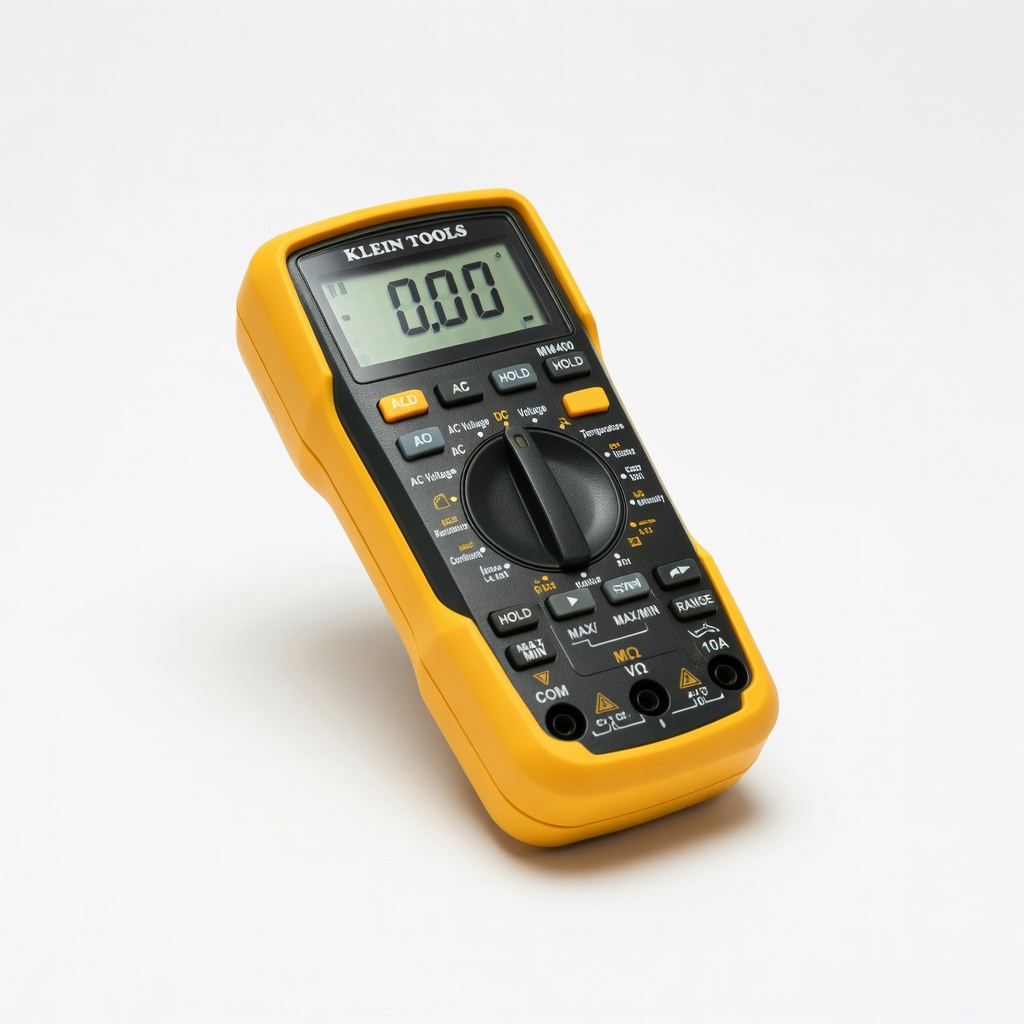
Frequent DIYers needing durable tool.
Klein Tools MM400 Digital Multimeter Rugged, reliable for automotive use with temp/amp functions.
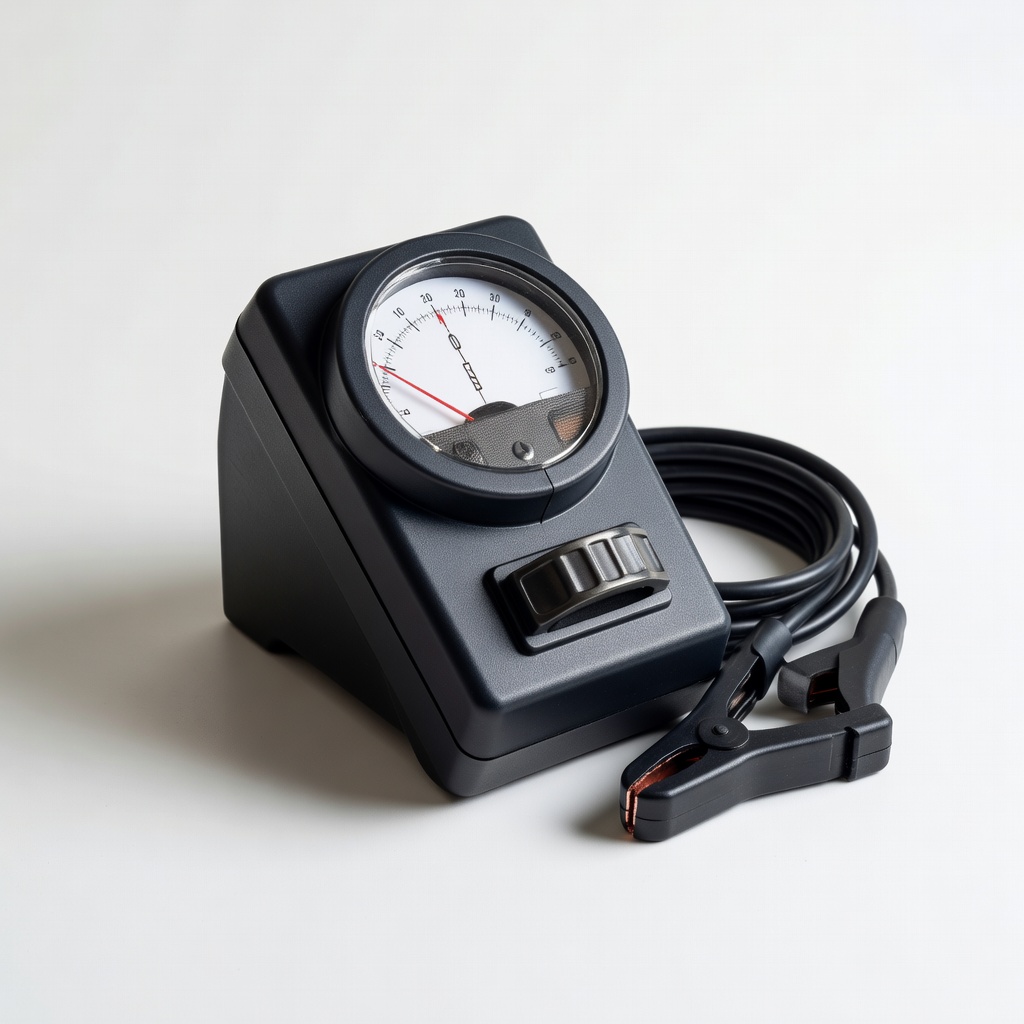
Confirm weak batteries post-voltage test.
Schumacher BT-100 Battery Load Tester Dedicated load tester for cranking amps beyond multimeter capability.
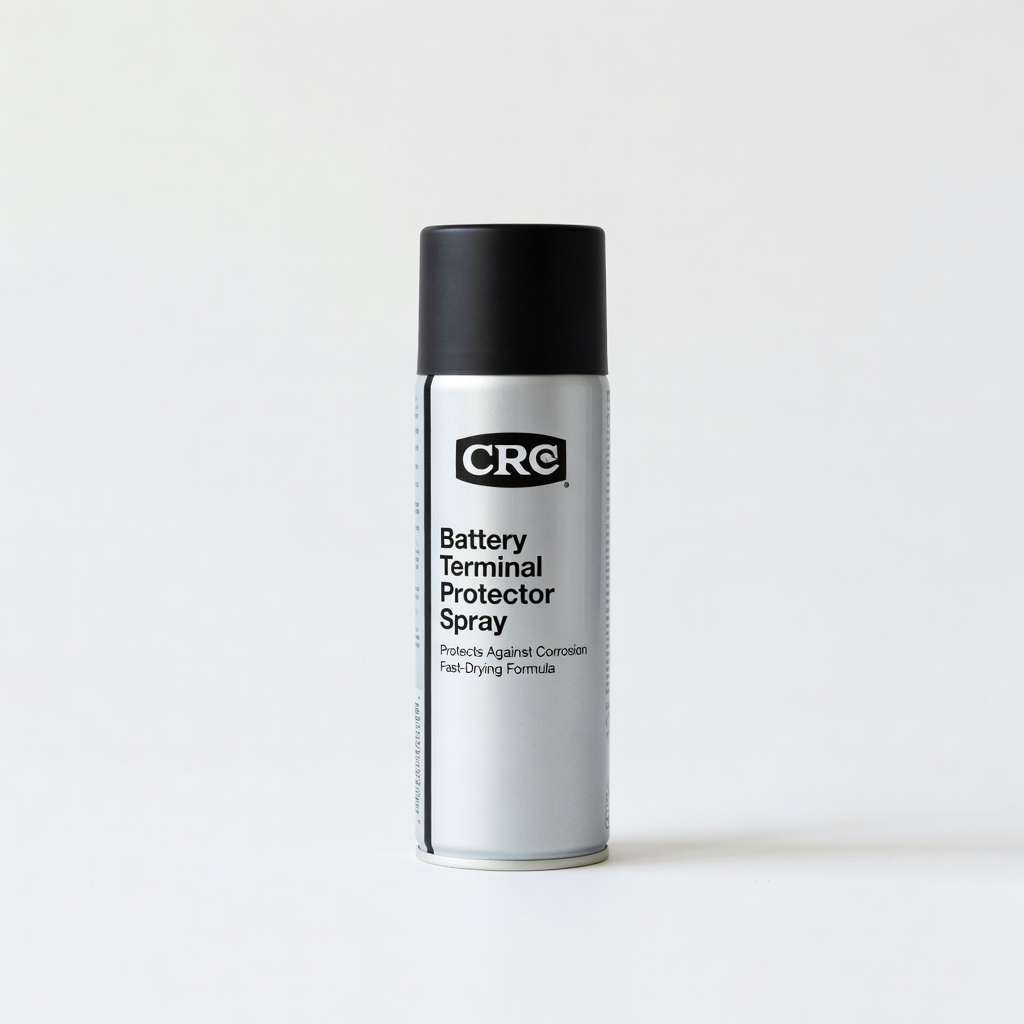
After cleaning terminals.
CRC Battery Terminal Protector Spray Prevents corrosion for consistent future tests.
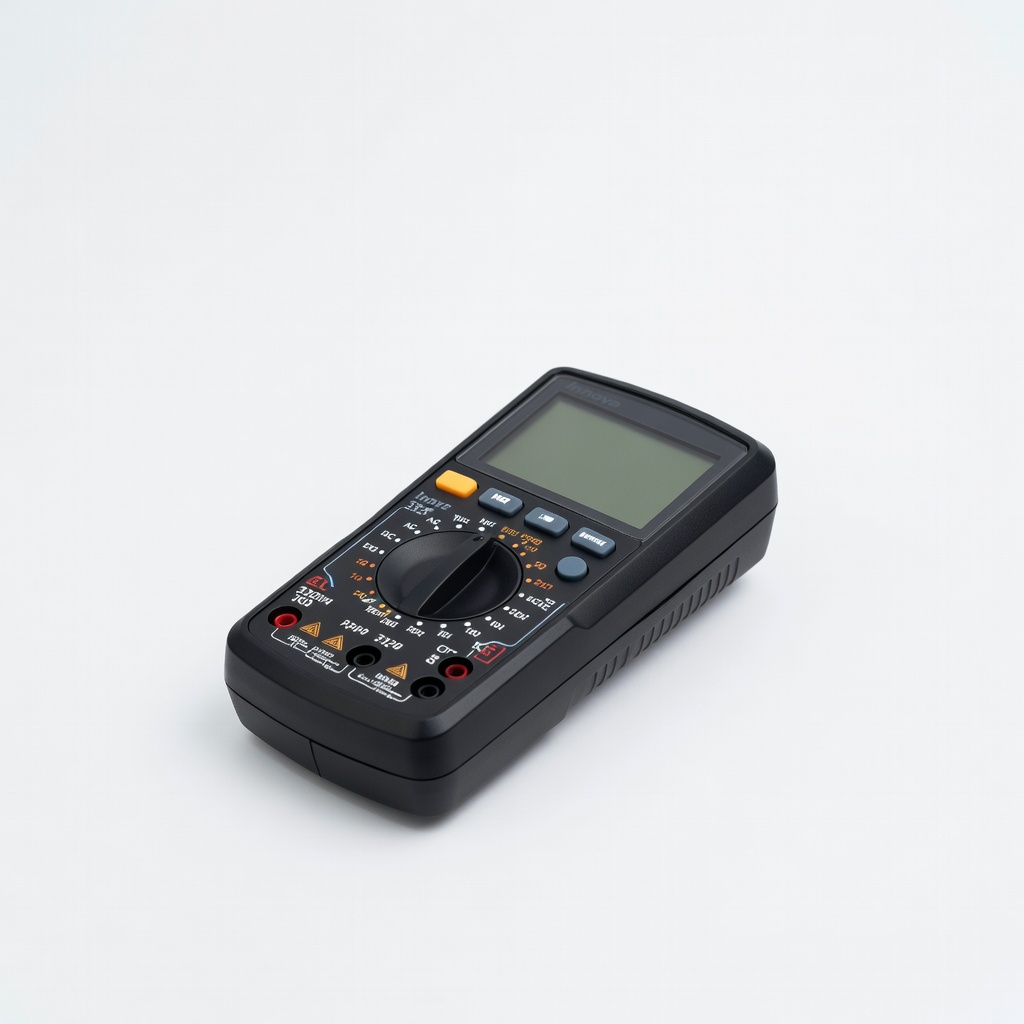
Full automotive diagnostics.
Innova 3320 Auto-Ranging Multimeter Car-specific features like RPM/non-contact voltage.