
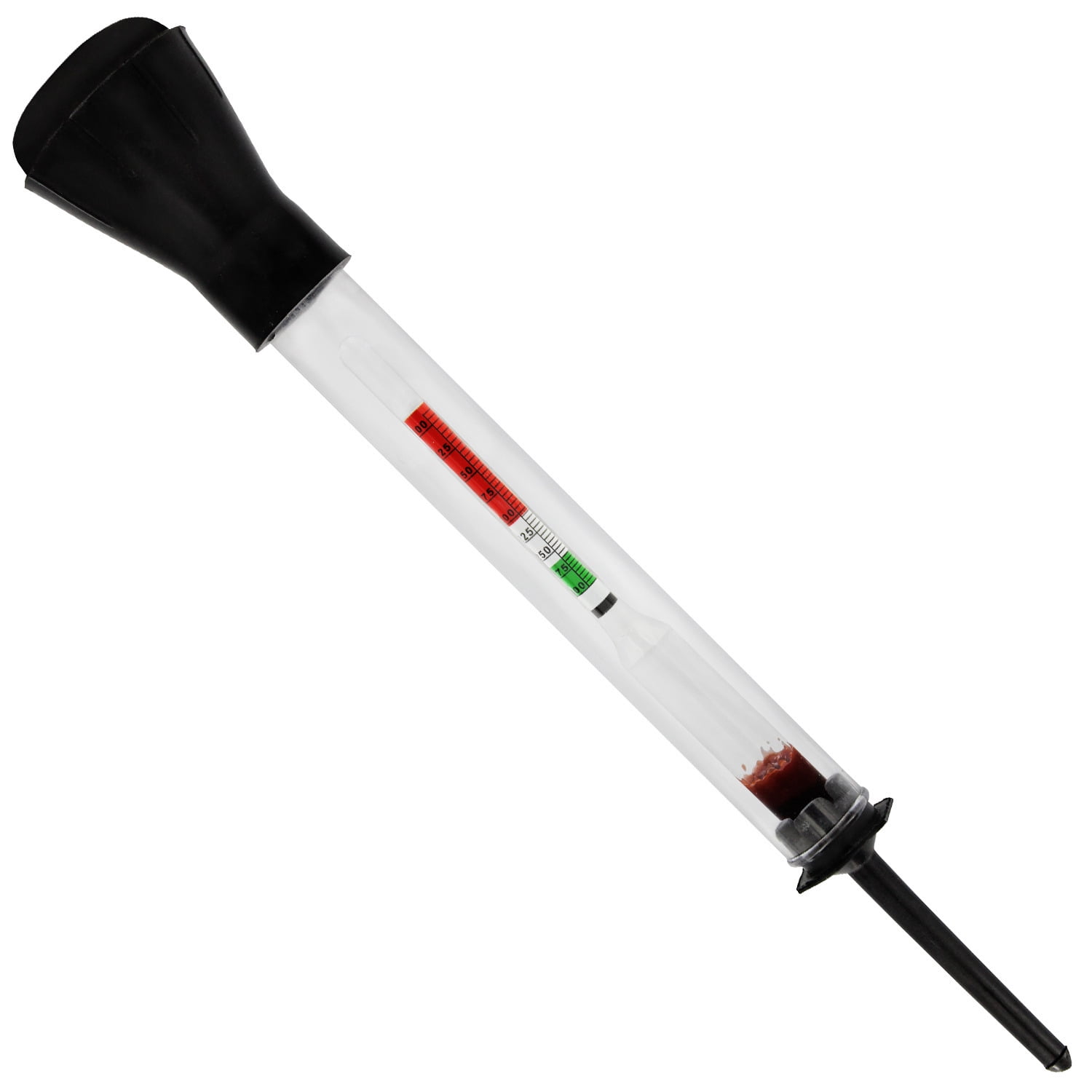
Performance Tool W2973 Battery Hydrometer Tester
Step 6 hydrometer test; quick cell-by-cell check.
$9.99
Performance Tool W2973 Battery Hydrometer Tester Accurate specific gravity readings without a multimeter—essential for flooded batteries.
Get the App
Better experience on mobile
Discover simple, beginner-friendly methods to check your RV's 12V batteries using visual checks, hydrometers, and load tests—no fancy tools required.
Nothing kills an RV road trip faster than a dead 12V battery, leaving you stranded without lights, fans, or pumps. As an RV owner, regularly testing your house or chassis batteries prevents surprises and extends their life. This guide teaches you reliable ways to test without a multimeter, using everyday items or cheap testers.
You'll learn visual inspections, electrolyte checks, hydrometer tests, and DIY load tests that reveal if your deep-cycle lead-acid or AGM batteries are healthy. Expect clear steps with what success looks like at each stage. The whole process takes 20-30 minutes and is perfect for beginners—no electrical expertise needed.
By the end, you'll know if your battery is good, weak, or dead, saving you money on replacements and ensuring safe travels.
Estimated Time: 20-30 minutes Difficulty: beginner
Put on safety glasses and insulated gloves to protect against acid splashes or sparks. Park your RV on a flat, well-ventilated surface away from flames or sparks. Turn off all appliances and disconnect shore power or solar.
Success looks like: A safe, clutter-free area around the battery compartment (usually under a seat or in a storage bay).
This prevents accidents since 12V batteries store significant energy.
💡 Tips:
⚠️ Warnings:
Locate your 12V battery(ies). Use a wrench to loosen and remove the negative (-) cable first, then the positive (+). Tape the ends to prevent accidental contact.
Success looks like: Cables fully disconnected and secured—no risk of shorting.
Disconnecting isolates the battery for safe testing.
💡 Tips:
⚠️ Warnings:
Inspect the battery case for cracks, bulges, leaks, or white powdery corrosion on terminals. Check for clean, dry vents. Gently rock the battery—listen for sloshing (bad for AGM).
Success looks like: No damage, corrosion minimal, case intact and secure.
Visual signs reveal 80% of issues like overcharging or age.
💡 Tips:
Mix baking soda with water (1:1), brush off corrosion, rinse with water, and dry. Inspect cable ends for fraying.
Success looks like: Shiny, corrosion-free terminals ready for testing.
Clean connections ensure accurate tests and prevent voltage drops.
💡 Tips:
⚠️ Warnings:
Unscrew vent caps on flooded lead-acid batteries. Electrolyte should cover plates by 1/4-1/2 inch. Top up with distilled water if low.
Success looks like: Even levels across cells, no dryness.
Low electrolyte indicates undercharging or evaporation.
💡 Tips:
⚠️ Warnings:
Suck electrolyte into hydrometer with rubber bulb. Float should read 1.265-1.280 specific gravity (fully charged). Test all cells—variation >0.050 means bad cell.
Success looks like: Consistent green readings across cells.
This measures charge state precisely without voltage.
💡 Tips:
Reconnect battery. Connect 12V bulb across terminals or turn on RV headlights/pump for 5-15 seconds. Bulb bright and steady? Good. Dims quickly? Weak/dead.
Success looks like: Lights stay bright for 15+ seconds.
Simulates real use to test under load.
💡 Tips:
⚠️ Warnings:
Reattach positive then negative cable, tighten securely. Good: All tests pass. Weak: Recharge/test again. Bad: Replace.
Success looks like: Secure connections, battery passes all checks.
💡 Tips:
Problem: Hydrometer float sinks or sticks
Solution: Rinse with distilled water; ensure no air bubbles. Replace if broken.
Problem: Bulb flickers erratically
Solution: Check loose connections or bad cables. Retest after cleaning.
Problem: All cells low but even
Solution: Fully recharge and retest. If still low, sulfation—consider desulfator.
Problem: Battery passes but RV systems weak
Solution: Check wiring or multiple batteries. Seek pro for inverter issues.
Accurate specific gravity readings without a multimeter—essential for flooded batteries.
Best for: Step 6 hydrometer test; quick cell-by-cell check.
Price Range: $9.99
Simple crank tester shows CCA and state-of-charge—no multimeter needed.
Best for: Advanced load test alternative to DIY bulb method.
Price Range: $24.99
Bright LED test light for quick voltage presence and load simulation.
Best for: DIY load test in Step 7; safer than bulbs.
Price Range: $14.99
Dual-sided brush removes corrosion effectively without scratching.
Best for: Step 4 cleaning for accurate tests.
Price Range: $7.99
Plug-and-play voltage monitor—simple alternative if you want numbers without multimeter.
Best for: Monitor during load test via RV outlet.
Price Range: $9.99
Step 6 hydrometer test; quick cell-by-cell check.
Performance Tool W2973 Battery Hydrometer Tester Accurate specific gravity readings without a multimeter—essential for flooded batteries.
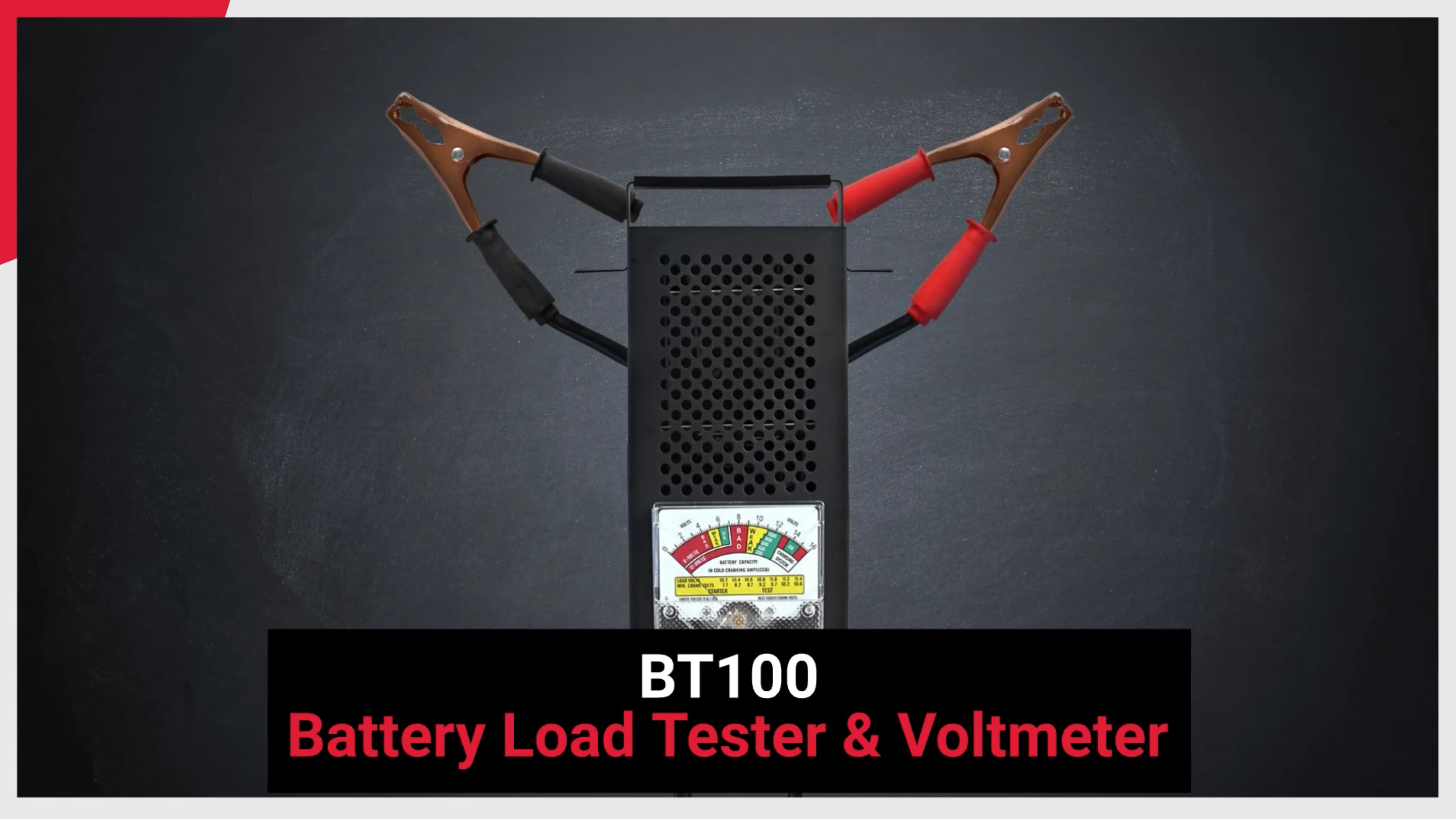
Advanced load test alternative to DIY bulb method.
Schumacher BT-100 Battery Load Tester Simple crank tester shows CCA and state-of-charge—no multimeter needed.
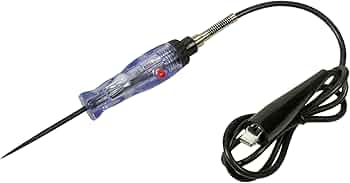
DIY load test in Step 7; safer than bulbs.
Lisle 65900 Heavy Duty Test Light Bright LED test light for quick voltage presence and load simulation.

Step 4 cleaning for accurate tests.
Cotek Battery Terminal Cleaning Brush Dual-sided brush removes corrosion effectively without scratching.
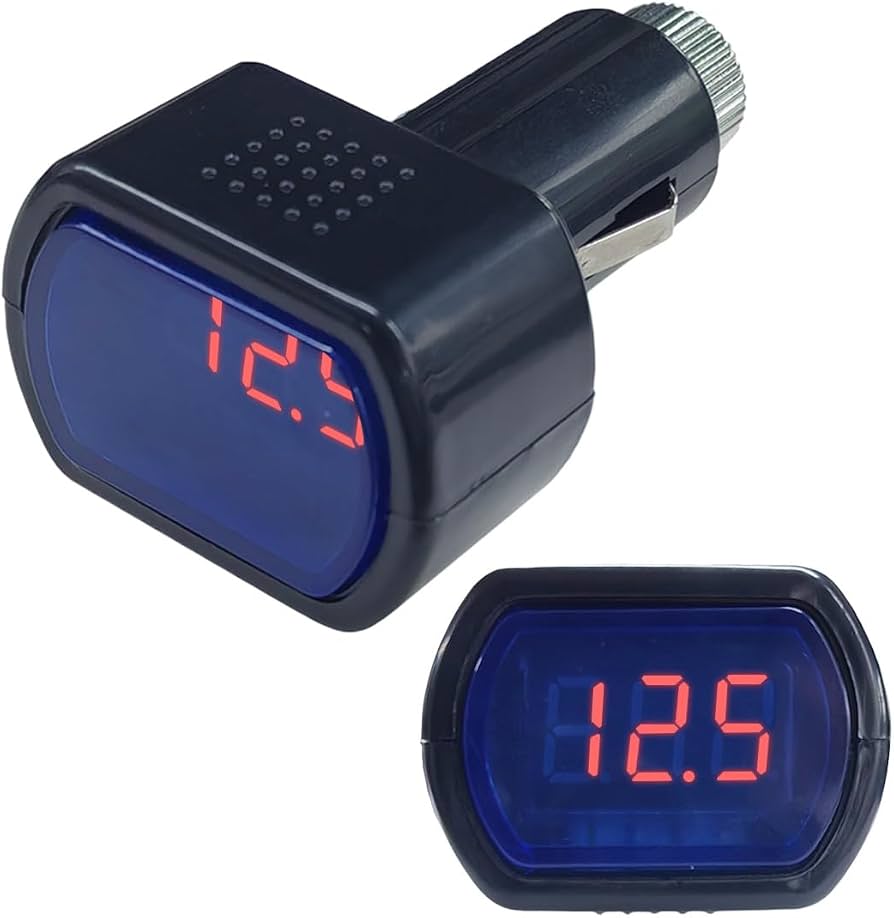
Monitor during load test via RV outlet.
12V Cigarette Lighter Digital Voltmeter (EBCODDC) Plug-and-play voltage monitor—simple alternative if you want numbers without multimeter.